How to pay for things across Serbia
Cards work in Serbian city centres but cash in dinars is essential for intercity bus luggage fees, village restaurants, and rural shops where terminals are rare.
Where Card Payments Work and Where You Need Serbian Dinar Cash vs Card
A travel card marketed as a universal solution will get you through a supermarket checkout in Novi Sad. It will not get you onto an intercity bus from the capital to Zlatibor, and it will not let you use a public toilet in a village square. The question of Serbian dinar cash vs card is not a choice between two equal options. It is a question of zone. In the city centres of Belgrade and Novi Sad, and in chain hotels and petrol stations nationwide, card acceptance is widespread. Outside those zones, the gap is sharp and quick.
Village shops, rural kafanas, market stalls, and any transaction that happens on board a bus or at an unstaffed counter expects cash. The only foreign money that matters in a pinch is the euro, and that works informally: a small number of tourist-facing businesses in the capital may accept euros, but they will give you change in dinars and they are not obliged to offer a good rate. The practice is not legal tender. Plan for dinars, not euros.
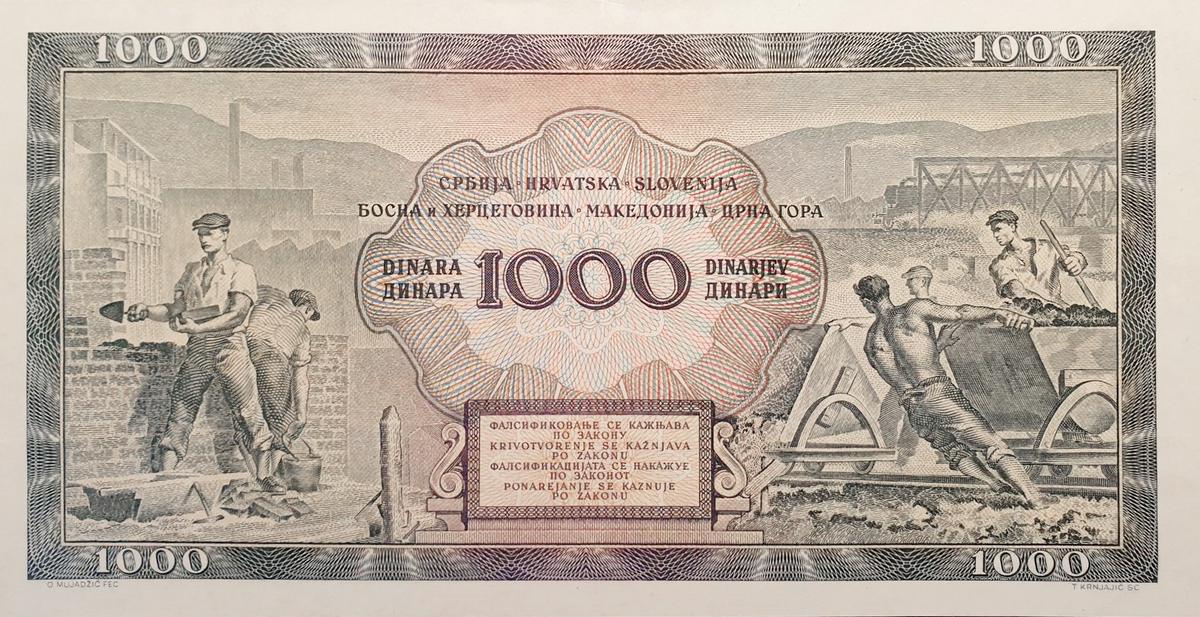

Cash Only Places Serbia: What You Cannot Pay with Plastic
Transport and Toilets
The list of cash only places is shorter than a myth suggests but still long enough to empty your wallet if you are not carrying coins and small notes. Here is where card payments fail:
- Intercity bus tickets bought on board, including the 50 to 100 RSD luggage hold fee per piece paid directly to the driver. This fee catches every first time visitor. The driver will not have change for a 2,000 RSD note.
- Public toilets, which are scarce anyway. When you find one, the attendant expects 30 to 50 RSD in coins. No coins, no access.
Shops, Markets and Rural Stops
- Village shops and rural bakeries, especially in Vojvodina farmland, the Sandžak region, and the Timok Valley.
- Kiosks selling newspapers, SIM cards, and street snacks. Even in city centres, small kiosk transactions are cash.
- Market stalls at green markets or weekly farmers markets, where produce and ajvar are sold by the kilo for cash only.
- Restaurants and kafanas in villages and small towns. The card terminal may be present but out of order, or the owner may simply prefer cash.
- Coffee at a rural bar or kafana. A single espresso costs around 100 to 150 RSD. Paying with a 5,000 RSD note for that is unwelcome.
Outside Belgrade, Novi Sad, and the tourist zones of Zlatibor and Kopaonik, assume every transaction is cash until proven otherwise.
ATM Withdrawal Serbia Fees: What Your Bank Charges and What Local ATMs Do
ATM withdrawal fees come from two directions: your home bank and the local ATM operator. Your issuing bank sets a foreign transaction fee and a per withdrawal fee. Check that before you fly. The National Bank of Serbia sets a daily reference rate for the managed float of the dinar, but the rate you get at an ATM is set by your bank, not by the NBS.
Decline the Conversion Prompt
Local ATMs in cities and towns display the usual network logos: Visa, Mastercard, Plus, Cirrus. Withdrawal limits vary by bank and by machine. Daily limits are set by your home bank. The critical warning is the dynamic currency conversion trap. When the screen asks whether you want to be charged in your home currency or in RSD, select RSD. Accepting the conversion to your home currency at the ATM gives you a poor rate set by the ATM operator, not your bank. Decline it.
Where to Find a Machine
ATMs are widespread in Belgrade and Novi Sad, present in medium sized towns like Niš, Subotica, and Zrenjanin, and sparse in remote villages and mountain areas. In the Tara National Park or the Stara Planina region, find an ATM in the nearest town before you drive into the hills. Do not expect to rely on one.
RSD Exchange Rate Tips: Where to Convert Money and Where to Avoid
Start with a simple rule: do not bring foreign cash other than euros. US dollars, British pounds, and Australian dollars are harder to exchange outside the capital and attract a worse rate even there. Bring euros if you must bring anything, and only for emergency exchange at a formal exchange office, not a hotel reception desk.
Use Licensed Offices, Not Airports
The NBS publishes an official rate list daily on business days. Exchange offices and banks use this as a reference, then add a margin. Licensed exchange offices, visible by their signage showing multiple currencies, give better rates than banks and much better rates than hotels or airport kiosks. The Belgrade Nikola Tesla Airport exchange desks offer poor rates. Exchange only a small amount at the airport, enough for the bus into town, then exchange the rest at a city office.
The rate is quoted as amount of RSD per 1 unit of foreign cash. Check the live rate on the day you travel using a source like the NBS website or a financial data platform, not a converter app that adds a fee.
Tipping in Serbian Restaurants: How Much and How to Pay it
Tipping in restaurants follows a simple norm: rounding up the bill or leaving 10% of the total for good service. It is not mandatory but is common in cities. In Belgrade and Novi Sad restaurants that cater to an international crowd, the 10% guideline is standard. In rural kafanas, round the bill up to the nearest convenient note and leave it on the table.
Tipping in cafés and bars means leaving small change or rounding up. A coffee costs 150 RSD. Leave 200 RSD and walk out.
Tipping with a card is possible on some terminals that allow a tip to be added before the PIN entry, but staff receive a cash tip more reliably. If you want the money to reach the waiter, leave cash on the table. Tipping for taxi drivers means rounding up the fare. Tipping in hotels for porters or housekeeping is occasional and not expected, though a small cash tip for a porter who carries bags up several flights of stairs is always welcome.

Serbia Bus Luggage Fee Cash: the 50 to 100 RSD Charge You Will Not See Coming
The bus luggage fee is the single most common cash related mistake first time visitors make. When you board an intercity bus, the driver loads bags into the luggage hold under the bus. Before you sit down, the driver will hold out a hand and expect payment in cash: 50 to 100 RSD per piece of luggage. This fee is separate from your ticket. It is not posted on the ticket or on the departure board. You pay it directly to the driver, and the driver keeps it.
Have Small Notes Ready
Carry small notes and coins in an easily accessible pocket for this moment. Do not be the passenger holding a 2,000 RSD note while the driver has no change. The bus will not delay departure for you to find change. You will have to ask other passengers to help break the note. Not all will have the cash or the patience.
Which Buses Charge It
The fee applies on every intercity bus line, including buses from the capital to Novi Sad, the capital to Zlatibor, Novi Sad to Subotica, and all routes into the south. It does not apply on city buses within Belgrade or Novi Sad, where luggage travels in the passenger cabin for free. It does apply on the bus from Belgrade Nikola Tesla Airport to the city centre, where the A1 minibus charges 400 RSD per person and luggage is free, but a standard bus 72 does not have a baggage hold at all.
Why Carrying Only a Card is a Risk Outside Belgrade and Novi Sad
The assumption that card acceptance mirrors Western Europe is the mistake that will strand you without a coffee or a bus ticket. In the two major cities, in city centre supermarkets, branded hotels, and chain restaurants, card payments are standard. The moment you step off the main square in Zlatibor, Bajina Bašta, or Novi Pazar, the reliability of card terminals drops. In a rural kafana in the Tara foothills, the card machine may be present but the connection is slow or the machine is not working. The owner will ask for cash. In a village shop in the Timok Valley, there will be no machine at all.
Accommodation and Remote Areas
The same applies to accommodation. A farm stay or a private room in a village will expect cash payment at the end of your stay. Large hotels and agencies booked through online platforms accept cards, but verify this before arrival. If your itinerary includes time in the Dinaric Alps, the Carpathians, or the Sandžak region, withdraw enough cash in the nearest town to cover accommodation, food, and transport for the days you are away from a city.
The one exception is petrol stations. Major brand petrol stations on highways and in towns accept cards reliably. But the station attendant may still prefer cash for a small purchase of bottled water.
Common Questions
Can I use a contactless card or phone to pay in Serbia?
Yes, on terminals that accept cards. Contactless payment is common at urban supermarkets, chain stores, hotels, and petrol stations. It is not available at kiosks, village shops, rural kafanas, or for bus luggage fees.
What is the DCC trap at Serbian ATMs?
Dynamic currency conversion is a screen prompt that offers to charge your home currency instead of RSD. Always decline and choose RSD. The ATM operator's conversion rate is poor, and your bank will add a fee on top.
Are euros accepted anywhere in Serbia?
Some tourist facing businesses in Belgrade accept euros informally, but they give change in dinars and the rate is not guaranteed. Euros are not legal tender. Do not rely on using them.
How do I tip if my card terminal asks for a tip?
You can add a tip before entering your PIN on some terminals. But a cash tip left on the table is more reliably received by the waiter. Cash is always preferred for tipping.
Do I need coins for public toilets in Serbia?
Yes. Public toilets are scarce and often have an attendant who charges 30 to 50 RSD in coins. Carry some 10 and 20 RSD coins for this purpose.
Read next
-
 Staying Connected in Serbia With eSIM, a Local SIM, or Just WiFi
Comparing eSIM convenience, local prepaid SIM costs, and the mountain coverage gaps that make offline maps essential in Serbia.
Staying Connected in Serbia With eSIM, a Local SIM, or Just WiFi
Comparing eSIM convenience, local prepaid SIM costs, and the mountain coverage gaps that make offline maps essential in Serbia.
-
 Best time to visit Serbia and what each season actually delivers
Serbia peaks in July and August with festivals and mountain warmth, but September and October offer harvest season, fewer crowds, and the best hiking weather.
Best time to visit Serbia and what each season actually delivers
Serbia peaks in July and August with festivals and mountain warmth, but September and October offer harvest season, fewer crowds, and the best hiking weather.
-
 Getting around Serbia by bus train and the roads the map oversells
Serbia's intercity bus network reaches villages trains miss, but expect delays, cash luggage fees paid to the driver, and unreliable departure boards at
Getting around Serbia by bus train and the roads the map oversells
Serbia's intercity bus network reaches villages trains miss, but expect delays, cash luggage fees paid to the driver, and unreliable departure boards at
-
 Who needs a Serbia visa and how the entry rules actually work
Serbia offers visa-free entry to many nationalities for up to 90 days, but border procedures at Belgrade airport and the Kosovo crossing point need advance planning.
Who needs a Serbia visa and how the entry rules actually work
Serbia offers visa-free entry to many nationalities for up to 90 days, but border procedures at Belgrade airport and the Kosovo crossing point need advance planning.
-
 Safety in Serbia reading the advice without being misled by it
Serbia is generally safe with low violent crime, but watch for Belgrade airport taxi scams, pervasive indoor smoking, and challenging rural road conditions
Safety in Serbia reading the advice without being misled by it
Serbia is generally safe with low violent crime, but watch for Belgrade airport taxi scams, pervasive indoor smoking, and challenging rural road conditions
-
 How Much a Trip to Serbia Costs, Shaped by Region and Season
How a Serbia travel budget shifts between the cash-reliant countryside, the affordable mountain resorts, and a Belgrade night out.
How Much a Trip to Serbia Costs, Shaped by Region and Season
How a Serbia travel budget shifts between the cash-reliant countryside, the affordable mountain resorts, and a Belgrade night out.
-
 A Ground-Level Logistics Guide to Independent Travel in China
First-time independent travel in China: what you need to know about visas, rail booking, eSIMs, mobile payments, and power adapters.
A Ground-Level Logistics Guide to Independent Travel in China
First-time independent travel in China: what you need to know about visas, rail booking, eSIMs, mobile payments, and power adapters.
-
 How Solo Travelers Stay Ahead of Flight Delays and Cancellations
How solo travelers can track inbound aircraft, claim rebooking rights, and adjust ground transport when flights go wrong — step by step.
How Solo Travelers Stay Ahead of Flight Delays and Cancellations
How solo travelers can track inbound aircraft, claim rebooking rights, and adjust ground transport when flights go wrong — step by step.
-
 Why Your eSIM Might Not Work Abroad and How to Check Before You Go
Buying an eSIM doesn't guarantee signal abroad. Learn why coverage fails by location and how to verify reach before you commit to a plan.
Why Your eSIM Might Not Work Abroad and How to Check Before You Go
Buying an eSIM doesn't guarantee signal abroad. Learn why coverage fails by location and how to verify reach before you commit to a plan.