Identifying the Portugal Power Plugs Type You Will Actually Need
Portugal uses Type F sockets at 230V. Most modern chargers work fine, but North American travellers should check hair tools for voltage compatibility.
Sockets and Voltage in Portugal
You are standing in a Lisbon hotel room at 11pm, jet-lagged, and your phone is at 4%. The wall socket has two round holes and two metal clips on the sides. That is a Type F socket, and if you came from North America you have the wrong plug. Portugal uses 230V at 50Hz. The correct answer to the search portugal power plugs type is Type F, also called Schuko, with two round pins and side earth clips. Older buildings sometimes still have the narrower Type C socket, which accepts the same two round pins but lacks the earth clips. Type F plugs fit both.
Portugal Voltage and Frequency: What Your Devices Can Handle
Portugal mains voltage is 230V and the frequency is 50Hz. Every charger you own has a small block of text on it somewhere. Look for the input range. If it says 100-240V, which nearly every modern phone, laptop, camera and tablet charger does, you need only a plug adapter, not a voltage converter.
If the label says 110-120V only, that device will burn out the moment you plug it in without a step-down converter. This is mostly an issue for high-wattage appliances. Hair straighteners, curling irons, electric razors and old travel blow-dryers are the usual offenders. Check before you pack. A converter that handles 1600W is heavy and costs about €30. A cheaper alternative is to buy a local hair dryer for €15 at a Portuguese supermarket once you arrive.
Dual-Voltage Devices And The Label You Need
A dual-voltage device shows a range like 100-240V or 110-240V. That range means the power supply automatically adjusts. Almost every USB charger sold in the last ten years is dual-voltage. The exceptions are some Japanese and American market appliances bought before 2015 and most large kitchen appliances. If you are bringing a travel kettle or a portable espresso maker, check the label. Most will not work without a converter.

Portugal Travel Adaptor Needed: Which One to Buy
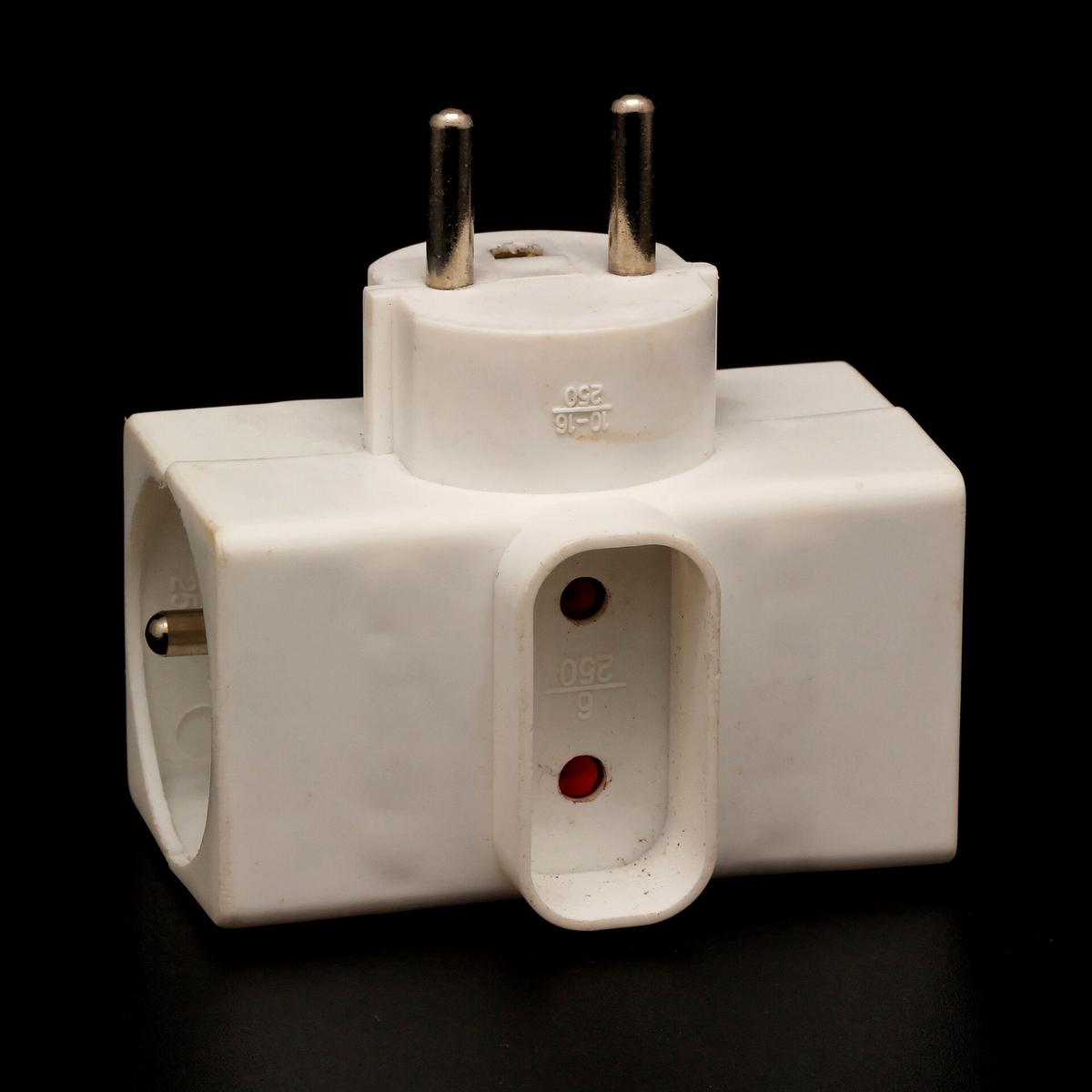
You need a Type F adapter. That is a two-round-pin plug with two spring-loaded earth clips on the sides. It is the standard continental European Schuko plug. In practice, a Type C Europlug adapter (two round pins, no earth clips) also works because Type C plugs fit into Type F sockets. But buy the Type F version because it provides the earth connection and is more stable in the socket.
Do not buy a universal adapter that claims to cover every country. Many are too bulky to stay in the socket under the weight of a laptop charger. Buy a dedicated Type F to Type A/B adapter, or a multi-country adapter that has a specific Schuko setting you click into place. Pack two of them. One will live in the wall for your phone, the other for your laptop or camera charger.
Where to buy them: Amazon or an electronics shop before you leave is cheaper than the airport kiosk in Lisbon. If you forget, a Fnac or Worten store in any Portuguese city centre sells them for about €8. Do not rely on the hotel front desk. Many hotels loan adapters but have only two for the entire building and both are already taken.
| Specification | Detail |
|---|---|
| Plug type | Type F (Schuko, two round pins, side earth clips). Also compatible with Type C (Europlug, two round pins, no earth clips). |
| Voltage | 230 V |
| Frequency | 50 Hz |
| Adapter needed | Type F adapter for North American plugs. Type C adapter works but Type F is preferred. |
| Voltage converter needed | Only for single-voltage (110-120V only) devices. Check the label. |
| USB in hotels | Common in hotels and newer guesthouses; less frequent in older rural properties. |
| USB in trains | Power sockets at seats on Alfa Pendular and Intercidades; USB ports not universally fitted. Regional trains have no USB. |
Portugal USB Charging Availability: Where You Can Ditch the Adapter
USB charging in Portugal is spreading but patchy. You cannot rely on it everywhere, and the gaps will catch you.
USB In Accommodation
Hotels and newer guesthouses in Lisbon, Porto and the Algarve commonly have USB-A ports built into bedside lamps or wall sockets. Older rural properties in the Alentejo, the Douro Valley and inland Beira Interior rarely have them. If you are staying in a 19th-century converted manor house in the Alentejo cork plains, expect Type F sockets only. Pack a USB wall charger that plugs into the adapter.
USB On Trains And Buses
Long-distance Alfa Pendular and Intercidades trains have power sockets at every seat pair. USB ports are not universally fitted, so bring a charger that plugs into the socket. Regional trains and InterRegional trains have no power provision at all. The train from Lisbon to Évora is 1.5 hours on an Intercidades with sockets. The local train from Porto to Guimarães is an hour on a regional train with none. Intercity buses vary by operator and vehicle age; some newer coaches include USB-A ports. Rede Expressos does not guarantee them. Charge before you board.
USB In Cafés And Public Spaces
Municipal Wi-Fi networks in Lisbon and Porto cover main squares, but power sockets are not part of the service. Cafés in city centres often have free Wi-Fi and occasional wall sockets near tables. The older tascas and pastelarias in residential neighbourhoods do not. A power bank is essential. Buy one before you go because electronics prices in Portugal are higher than in the US or UK.
Portugal Plug Type F: What it Looks Like and Where it Works
A Type F plug has two 4.8mm round pins spaced 19mm apart and two spring-loaded earth clips on the sides. The socket is recessed by about 15mm, which is why flat adapters sometimes fall out. The Schuko system is rated for 16A and 230V, which is more than enough for phone chargers, laptops and small appliances. Type F is the standard household socket across all of Portugal, including the autonomous regions of the Azores and Madeira. You will find it in train stations, airports, museums, hotels and restaurants. The only exception is some very old buildings in historical districts in Lisbon and Porto that still have Type C sockets without the earth clips. Your Type F adapter fits those sockets because the earth clips simply do not engage. It is safe to use.
Packing for Portugal Power: the Adaptor You Actually Need
Packing the right adapter matters because Portugal cobblestone pavements destroy wheeled suitcases and the hills in Lisbon and Porto are leg-breakers. You do not want to arrive without a working charger and have to hunt for a Fnac at the bottom of a 15% grade.
- Bring two Type F adapters, not one.
- Bring a power bank for trains and day trips.
- Bring a USB wall charger that plugs into the Type F adapter. Do not rely on hotel USB ports.
- Check hair tools for a 100-240V label before packing. If they are single voltage, leave them at home and buy a €15 hair dryer at a Portuguese Continente supermarket.
- Skip the universal adapter that covers every country. It is too bulky and falls out of the socket. Buy a dedicated Type F adapter.
The single thing that most often goes wrong: travellers pack one adapter, lose it in the hotel room, and spend their first afternoon in Porto walking uphill in the August heat to a shop that is closed for lunch between 1pm and 3pm. Pack two. Put one in your day bag and keep the other in your suitcase.
Who Portugal Power Sockets Are for and Who Should Think Twice
Portugal power sockets suit slow travellers who pack lightly and check device labels before they leave home. They suit remote workers who carry a power bank and a multi-port USB charger and who book accommodation built after 2015. They suit anyone comfortable with European Schuko standards and 230V.
Portugal power sockets are not for travellers who expect USB-C ports in every hotel room, who arrive without an adapter and plan to borrow one from reception, or who pack a straightener that runs on 110V only and assume it will work. The Atlantic beaches from Lisbon north are freezing and subject to strong undertows; the electricity grid is not the part of this trip that will disappoint you, but the adapter mistake will ruin your first 24 hours.
Common Questions
Do I need a voltage converter for Portugal?
Only if your device is single-voltage (110-120V only). Check the label on the charger or appliance. If it says 100-240V, you need only a plug adapter. Hair tools, electric razors and older travel appliances are the most common single-voltage items.
What happens if I plug a 110V device into a 230V socket without a converter?
It will overheat and burn out within seconds. You may see a brief flash and smell burning plastic. The device is destroyed and the socket may trip the circuit breaker.
Can I use a Type C Europlug adapter instead of Type F?
Yes, a Type C adapter works in Type F sockets. But Type F is preferred because the earth clips keep the plug stable in the socket. Type C plugs are smaller and can fall out if the socket is worn.
How many adapters should I bring?
Two. One for your phone and another for your laptop or camera charger. Also bring a power strip with a Type F input if you have multiple devices to charge at once.
Are USB ports available on Portuguese trains?
Alfa Pendular and Intercidades trains have power sockets at seats but USB ports are not guaranteed. Regional and local trains have no power provision at all. Charge before boarding.
Is tap water safe to drink in Portugal?
Yes, tap water is safe to drink nationwide. Bottled water is widely available and cheap but unnecessary.
What is the emergency number in Portugal?
112. It works for police, ambulance and fire services from any phone.
Read next
-
 Staying connected in Portugal with eSIM, local SIM or roaming
Compare eSIM, local SIM from MEO or Vodafone, and roaming for Portugal. Avoid airport kiosk markups and understand rural coverage gaps.
Staying connected in Portugal with eSIM, local SIM or roaming
Compare eSIM, local SIM from MEO or Vodafone, and roaming for Portugal. Avoid airport kiosk markups and understand rural coverage gaps.
-
 Best Time to Visit Portugal, Season by Season Reality
Portugal's best months are May, June, September, and October. July and August bring crowds and coastal gridlock, and the Atlantic is never truly warm.
Best Time to Visit Portugal, Season by Season Reality
Portugal's best months are May, June, September, and October. July and August bring crowds and coastal gridlock, and the Atlantic is never truly warm.
-
 Getting Around Portugal, Trains, Buses and the Interior Gap
Portugal's rail network is a coastal spine with thin branches. Express trains need seat reservations, the interior needs a bus or car, and Bolt is cheaper
Getting Around Portugal, Trains, Buses and the Interior Gap
Portugal's rail network is a coastal spine with thin branches. Express trains need seat reservations, the interior needs a bus or car, and Bolt is cheaper
-
 Portugal Visa Requirements for Tourists and Remote Workers
Portugal is in the Schengen Area. Most tourists get 90 days visa-free, but remote workers and long-stayers have specific visa paths to follow.
Portugal Visa Requirements for Tourists and Remote Workers
Portugal is in the Schengen Area. Most tourists get 90 days visa-free, but remote workers and long-stayers have specific visa paths to follow.
-
 Money in Portugal, Euros, Cards and Where Cash Still Rules
Portugal uses the euro. Cards work in most urban places, but small tascas, rural cafés, and public toilets still demand coins.
Money in Portugal, Euros, Cards and Where Cash Still Rules
Portugal uses the euro. Cards work in most urban places, but small tascas, rural cafés, and public toilets still demand coins.
-
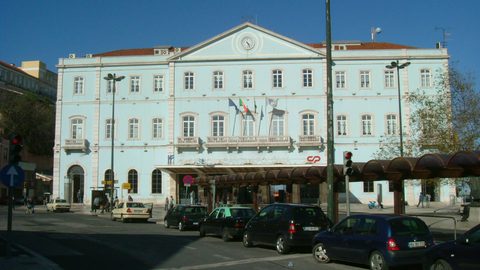 Safety in Portugal, What the Warnings Mean and What They Miss
Portugal is safe, but the real risks are slippery calçada pavements, Atlantic undertows, and pickpockets on Tram 28 and at Cais da Ribeira.
Safety in Portugal, What the Warnings Mean and What They Miss
Portugal is safe, but the real risks are slippery calçada pavements, Atlantic undertows, and pickpockets on Tram 28 and at Cais da Ribeira.
-
 A Ground-Level Logistics Guide to Independent Travel in China
First-time independent travel in China: what you need to know about visas, rail booking, eSIMs, mobile payments, and power adapters.
A Ground-Level Logistics Guide to Independent Travel in China
First-time independent travel in China: what you need to know about visas, rail booking, eSIMs, mobile payments, and power adapters.
-
 How Solo Travelers Stay Ahead of Flight Delays and Cancellations
How solo travelers can track inbound aircraft, claim rebooking rights, and adjust ground transport when flights go wrong — step by step.
How Solo Travelers Stay Ahead of Flight Delays and Cancellations
How solo travelers can track inbound aircraft, claim rebooking rights, and adjust ground transport when flights go wrong — step by step.
-
 Why Your eSIM Might Not Work Abroad and How to Check Before You Go
Buying an eSIM doesn't guarantee signal abroad. Learn why coverage fails by location and how to verify reach before you commit to a plan.
Why Your eSIM Might Not Work Abroad and How to Check Before You Go
Buying an eSIM doesn't guarantee signal abroad. Learn why coverage fails by location and how to verify reach before you commit to a plan.