Slovenia Plug Type and Voltage Requirements for Your Devices
Slovenia uses standard EU Type C and F sockets at 230V, but mountain huts often have limited charging, so pack a power bank for hikes.
Sockets, Voltage and Charging in Slovenia
You have just hiked down from a ridge in the Julian Alps and the hut keeper points to a single socket behind the stove. It is 8 pm, your phone is at 12 percent, and the hut has no Wi Fi and limited charging. This is the moment the Slovenia plug type and voltage question stops being background research and becomes a real problem. Here is what you need to know before you pack.
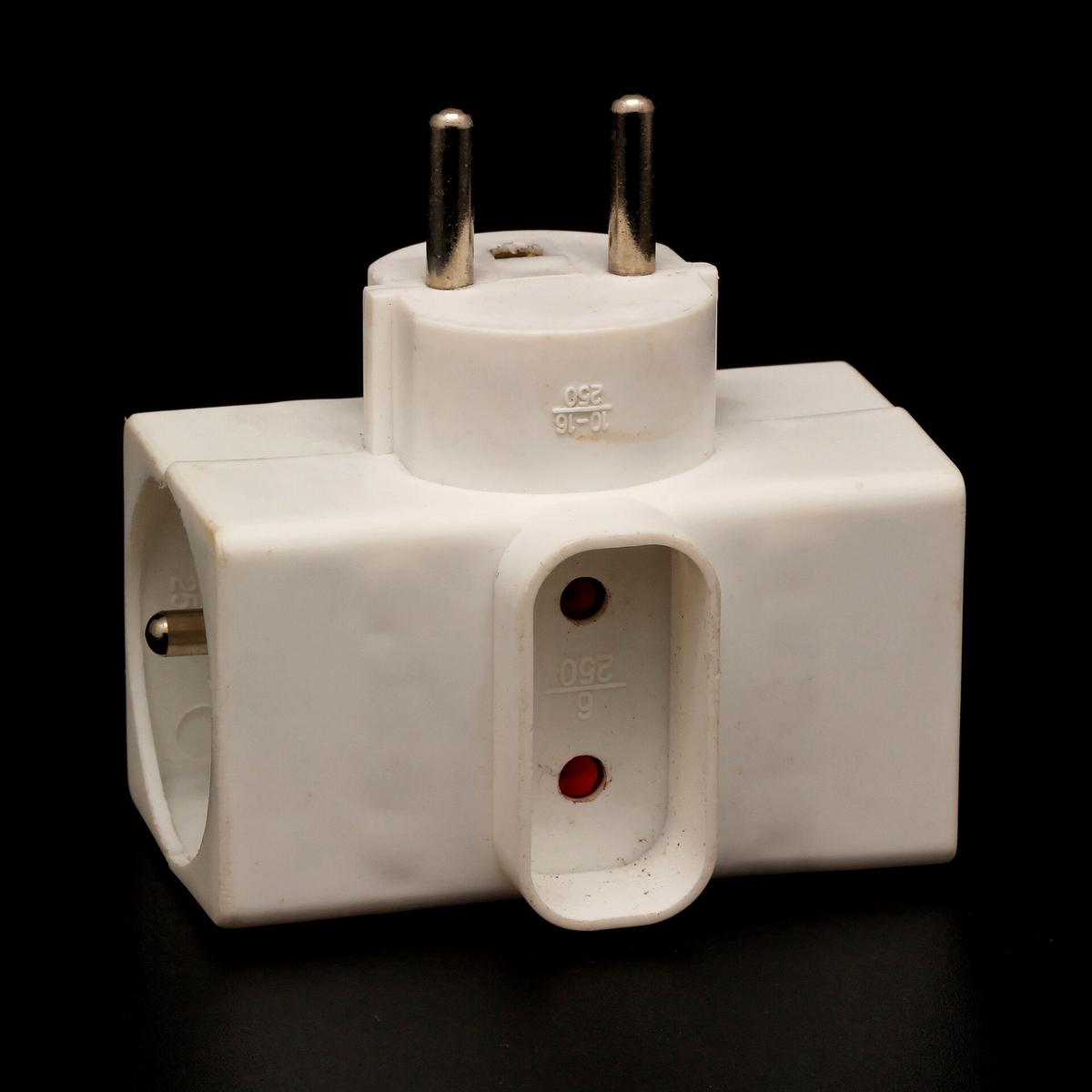
Slovenia uses the EU electrical system. The mains voltage is 230 V with a frequency of 50 Hz. The plug types in use are Type C, the two round pin Europlug without an earth, and Type F, the Schuko plug with two round pins and side earth clips. If your device has a plug from the UK, the US, Australia, Japan or anywhere else that does not use the CEE 7/16 or CEE 7/4 system, you need an adaptor that covers Type C and Type F outlets.
Most modern chargers for phones, laptops, cameras and tablets are dual voltage. Check the small print on the brick. If it reads a range like 100 to 240 V, you are fine. If it reads 110 V or 120 V only, you need a voltage converter or you risk damaging the device. Devices rated for 220 to 240 V will work without a converter in Slovenia. That covers nearly everything sold in Europe, Australia and most of Asia. It does not cover most hair dryers, curling irons or electric razors from North America, which are single voltage 110 V devices. Those will heat slowly or not at all on 230 V, and may burn out.

Slovenia Power Sockets Travel: What You Actually Find in Rooms
Hotels and newer apartments in Ljubljana, Bled and the coast usually have USB ports beside the bed or next to the desk. Older guesthouses, farm stays and rural accommodations do not. If you are staying in a farm stay in the Karst or a mountain hut in Triglav National Park, expect one or two Type F outlets in the room, and bring a multi port USB charger and a cable long enough to reach the bedside table from the far wall.
Charging on the Move
USB charging on public transport is not something you can rely on. Older Slovenske železnice rolling stock does not have power points. Newer and refurbished intercity trains may have them, but availability is not consistent across the network. Long distance buses depend on the operator and the age of the vehicle. Local buses generally have no USB at all. Charge everything before you leave your accommodation.
The government travel advisories from the UK Foreign, Commonwealth and Development Office, the US Department of State, the Government of Canada and the Australian Department of Foreign Affairs and Trade all cover Slovenia annually. They do not mention plugs specifically, but they note that emergency number 112 works nationwide and that mobile coverage is good even in mountain valleys, though data can drop on high trails. That makes a charged phone your backup safety device.
Slovenia Voltage 230V Adapter: What to Pack by Region of Origin
If you are arriving from the UK, you need an adaptor that converts the three rectangular pin UK plug to Type C or Type F. The UK runs on 230 V at 50 Hz, same as Slovenia. Your devices will work on voltage. You just need the physical adaptor. Pack two: one for the room, one for the car charger if you are driving.
From the United States and Canada
North America runs on 110 to 120 V at 60 Hz. Most phone and laptop chargers are dual voltage, but check each brick. You need a Type C or Type F adaptor. If you bring a hair dryer or a straightener, check the voltage rating. If it says 110 V only, leave it at home or buy a 230 V rated one in Slovenia. A voltage converter is heavy, expensive and rarely worth the luggage space for a single device.
From Australia, New Zealand and Japan
Australia and New Zealand use 230 V at 50 Hz, the same as Slovenia. Japanese voltage is 100 V at 50 or 60 Hz depending on the region. All three use plug shapes that do not fit European outlets. You need a Type C or Type F adaptor. Check your device for a dual voltage rating if you are from Japan. Most modern chargers have it. Older devices may not.
From China, South Korea and Brazil
China and South Korea use 220 V at 50 or 60 Hz. Brazil varies by region. All use plugs different from the European system. You need a Type C or Type F adaptor. Voltage should be compatible for most electronics. Confirm the brick rating before you plug in.
| Origin | Home Voltage | Adaptor Needed | Dual Voltage Likely |
|---|---|---|---|
| United Kingdom | 230 V | Type C / Type F | Yes |
| United States | 120 V | Type C / Type F | Check brick |
| Canada | 120 V | Type C / Type F | Check brick |
| Australia | 230 V | Type C / Type F | Yes |
| New Zealand | 230 V | Type C / Type F | Yes |
| Japan | 100 V | Type C / Type F | Check brick |
| China | 220 V | Type C / Type F | Yes |
| South Korea | 220 V | Type C / Type F | Yes |
| Brazil | 127 V / 220 V | Type C / Type F | Check brick |
Slovenia Mountain Hut Charging: the Real Limitation
This is where the practical problem lives. Mountain huts in the Julian Alps, on Velika Planina and in the Logar Valley are basic by design. Many have no Wi Fi and limited charging. A few newer huts have a bank of USB ports in the common room. Older huts have a single Type F outlet in the dining area, and it is shared by everyone. The keeper may turn the generator off at 10 pm.
You need a power bank. Bring at least 10,000 mAh for a two day hike. Bring 20,000 mAh or more for a multiday trip on the Soča Valley or through Triglav National Park. Charge the power bank fully at your accommodation before you leave. There is no backup power in a valley hut. If you rely on your phone for navigation, maps or emergency calls, a dead battery is a safety issue, not an inconvenience.
Farm Stays and Rural Guesthouses
The same applies to farm stays in the Karst and rural guesthouses in Dolenjska and Prekmurje. Wi Fi is not guaranteed. Power points may be far from the bed. A multi port charger and a long cable solve both problems in one pack item.
Slovenia EU Plug Standard: What That Actually Means
Slovenia is a member of the European Union and uses the CENELEC electrical standards common across the continent. The mains socket system is CEE 7/16 and CEE 7/4. Type C plugs fit CEE 7/16 sockets. Type F plugs fit CEE 7/4 sockets. Most sockets in Slovenia are recessed CEE 7/4, which accept both plug types. You do not need a different adaptor for Type C versus Type F. One adaptor that covers both shapes works everywhere.
Currency is the Euro. All EU roaming rules apply for European visitors. Non EU visitors can buy a local SIM at Hofer, Telekom Slovenije or A1. Mobile coverage is good in valleys but can drop on high trails. That is another reason your phone needs to start the day fully charged.
Roads and Borders
Slovenia joined the Schengen Area. There are no routine land border checks with Austria, Italy, Hungary or Croatia. The country is compact but roads are slow, especially narrow alpine and rural roads in summer. Google Maps times do not account for switchbacks, roadworks or parking searches in Lake Bled, Piran and Ljubljana centre. Budget extra time and keep your phone charged for navigation adjustments.
What to Pack for Charging in Slovenia: a Short List
- One Type C or Type F travel adaptor per person. Two is safer if you share a room.
- A multi port USB charger with at least two ports. Cables get lost. A single charger for multiple devices is faster at the one outlet in the room.
- A power bank, 10,000 mAh minimum for day hikes, 20,000 mAh for multiday mountain trips.
- A two metre USB cable. Power points are not always next to the bed.
- A dual voltage hair dryer if you need one. Check the label. If it only says 110 V, buy one locally or skip it.
When the Normal Route Fails
You arrive at a farm stay in Štajerska at 8 pm. The socket is behind a wardrobe. The Wi Fi password is on a card the host forgot to leave out. Your phone is at 15 percent. You need a map for tomorrows drive to the wine roads. This happens. The fix is a power bank charged before you left Ljubljana, a two metre cable, and a multi port charger that works from one outlet. Pack for the failure case, not the ideal case.
The same applies to transport. The last bus to a trailhead in the Soča Valley leaves at 4 pm. You miss it because you could not look up the schedule. Your phone is dead. A charged phone with offline maps is your backup plan. Download Google Maps offline areas for the region you are in before you leave Wi Fi. That works even if data drops on high trails.
Who This Packing Approach Works for and Who it Does Not
This setup suits road trippers covering alpine valleys, the Karst, the coast and Ljubljana in one trip. It suits hikers and lake swimmers who spend nights in mountain huts. It suits food and wine travellers who stay in small producer farm stays and rural guesthouses. It suits families who want straightforward charging in safe, manageable outdoor settings.
It does not suit big city buzz seekers who stay in chain hotels with bedside USB and never leave the capital. It does not suit nightlife focused travellers who charge at a club or a café. It does not suit those who want tropical beach resorts with guaranteed sun and full service rooms. It does not suit travellers who prefer fast intercity rail and metro systems over a rental car.
The single thing that most often goes wrong: travellers assume they can charge in the hut, on the bus or at the trailhead café. They cannot. Pack the adaptor and the power bank before you leave Ljubljana. That is the difference between a day of photos and a day spent rationing battery percentage in a valley with no signal.
Common Questions
What plug types are used in Slovenia?
Slovenia uses Type C, the two round pin Europlug without an earth, and Type F, the Schuko plug with two round pins and side earth clips. These are the EU plug types.
Do I need a voltage converter for Slovenia?
Only if your device is rated for 110 V or 120 V only. Check the brick. Most phone and laptop chargers are dual voltage and work on 230 V. Hair dryers and curling irons from North America often are not.
Can I charge my phone in a Slovenian mountain hut?
Some huts have an outlet in the common room. Many have no Wi Fi and limited charging. Bring a power bank. 10,000 mAh for a day hike, 20,000 mAh for multiday trips.
Are USB sockets common in Slovenian hotels?
Common in hotels and newer apartments. Less common in older guesthouses and farm stays. Do not rely on them. Bring your own charger and cable.
Can I charge my devices on Slovenian trains?
Older Slovenske železnice rolling stock does not have power points. Newer and refurbished intercity trains may have them. Availability is not consistent. Charge before you board.
What is the mains voltage in Slovenia?
230 volts at 50 hertz. This matches the UK, Australia and most of Europe. It differs from the US 110 to 120 volt system.
Where do I buy a travel adaptor in Slovenia?
Electronics shops, petrol stations and some supermarkets sell Type C and Type F adaptors. Ljubljana airport shops carry them. Buying one before you arrive is cheaper and avoids a search on arrival.
Read next
-
 Staying Connected in Slovenia Without the Roaming Panic
A practical comparison of eSIM, local SIM, and roaming for Slovenia, with notes on where coverage drops in the Julian Alps.
Staying Connected in Slovenia Without the Roaming Panic
A practical comparison of eSIM, local SIM, and roaming for Slovenia, with notes on where coverage drops in the Julian Alps.
-
 Best Time to Visit Slovenia by Season and What Actually Happens
Slovenia's seasons change what is open, how crowded the lakes and coast feel, and whether mountain passes and huts are accessible at all.
Best Time to Visit Slovenia by Season and What Actually Happens
Slovenia's seasons change what is open, how crowded the lakes and coast feel, and whether mountain passes and huts are accessible at all.
-
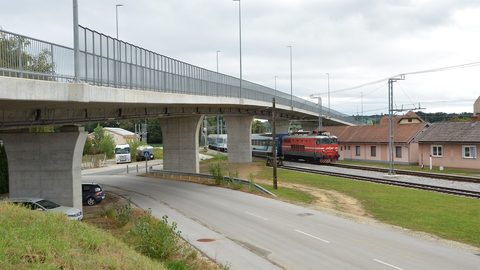 Getting Around Slovenia by Car, Bus and the Gaps in Between
A rental car is the most practical way to see Slovenia, but rural roads, seasonal passes and limited public transport to trailheads change the map.
Getting Around Slovenia by Car, Bus and the Gaps in Between
A rental car is the most practical way to see Slovenia, but rural roads, seasonal passes and limited public transport to trailheads change the map.
-
 Slovenia Visa Requirements for Schengen and Non-Schengen Visitors
Slovenia is in the Schengen Area, so entry rules depend on your nationality and whether you are crossing from another Schengen country.
Slovenia Visa Requirements for Schengen and Non-Schengen Visitors
Slovenia is in the Schengen Area, so entry rules depend on your nationality and whether you are crossing from another Schengen country.
-
 Using Euros, Cards and Cash in Slovenia Without Friction
Slovenia uses the euro, and while cards work in cities and tourist hubs, rural guesthouses, mountain huts and small producers often prefer cash.
Using Euros, Cards and Cash in Slovenia Without Friction
Slovenia uses the euro, and while cards work in cities and tourist hubs, rural guesthouses, mountain huts and small producers often prefer cash.
-
 Slovenia Safety Advice Without the Overblown Warnings
Slovenia is a low-crime country, but mountain weather, steep trails, ticks and narrow alpine roads are the real risks to plan for.
Slovenia Safety Advice Without the Overblown Warnings
Slovenia is a low-crime country, but mountain weather, steep trails, ticks and narrow alpine roads are the real risks to plan for.
-
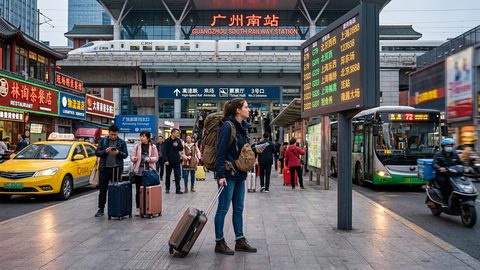 A Ground-Level Logistics Guide to Independent Travel in China
First-time independent travel in China: what you need to know about visas, rail booking, eSIMs, mobile payments, and power adapters.
A Ground-Level Logistics Guide to Independent Travel in China
First-time independent travel in China: what you need to know about visas, rail booking, eSIMs, mobile payments, and power adapters.
-
 How Solo Travelers Stay Ahead of Flight Delays and Cancellations
How solo travelers can track inbound aircraft, claim rebooking rights, and adjust ground transport when flights go wrong — step by step.
How Solo Travelers Stay Ahead of Flight Delays and Cancellations
How solo travelers can track inbound aircraft, claim rebooking rights, and adjust ground transport when flights go wrong — step by step.
-
 Why Your eSIM Might Not Work Abroad and How to Check Before You Go
Buying an eSIM doesn't guarantee signal abroad. Learn why coverage fails by location and how to verify reach before you commit to a plan.
Why Your eSIM Might Not Work Abroad and How to Check Before You Go
Buying an eSIM doesn't guarantee signal abroad. Learn why coverage fails by location and how to verify reach before you commit to a plan.