France Money and Payments, When to Tap and When to Hand Over Coins
How to pay in France: where cards work, where cash still rules, and why your American Express might get refused at the boulangerie.
Paying for Things in France with Euros, Cards, and Coins
Most visitors assume France runs on plastic the way London does. It does not. Visa and Mastercard work almost everywhere, but that terminal in a rural bakery or an independent Nice boutique will flash 'refusé' the moment you tap an American Express. The public toilet on the Promenade des Anglais takes nothing but coins. The gap between what you expect and what works is where travellers lose time, miss purchases, and end up hunting for an ATM at 2pm when the bank is closed.
Euro Cash France: the Coins and Notes You Actually Need
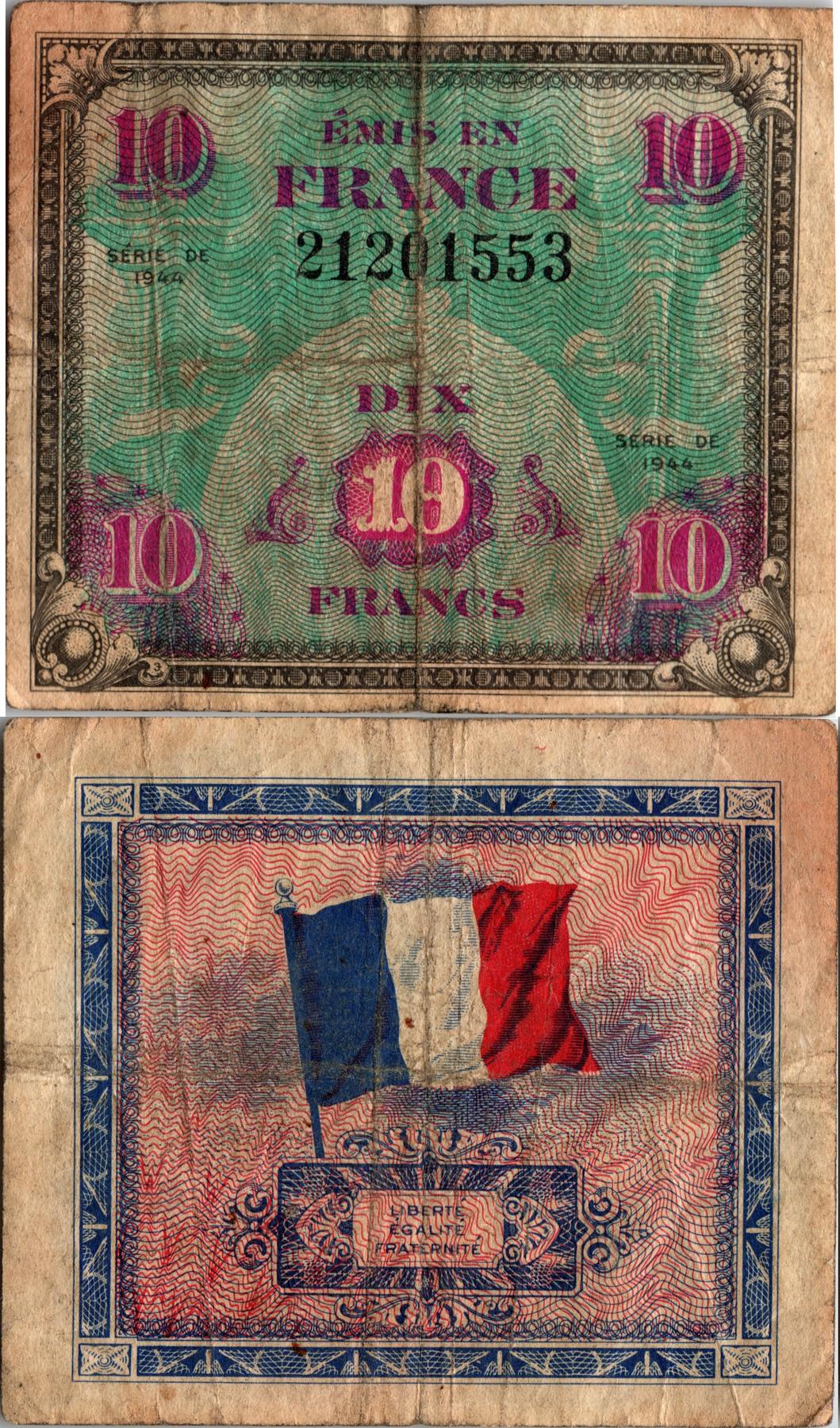
France uses the euro (EUR, €). Coins come in eight denominations: 1c, 2c, 5c, 10c, 20c, 50c, €1, and €2. Banknotes run from €5 up to €500, though the €500 note is no longer issued and many shops will eye it with suspicion. Carry €50 notes at most; a €100 note in a village boulangerie may be impossible to break before lunch closes at 14:00.
Where Cash Is The Only Option
Cash use is declining, but it is still your fallback in specific scenarios. Public toilets across France, especially in train stations and tourist-heavy public squares, require small coins. No card slot, no app. Market stalls, rural bakeries, and small independent vendors routinely enforce a minimum spend on card transactions or refuse cards outright. The café you duck into for an espresso at 11:30 expects you to buy a drink to use its toilet; the drink is cash if the terminal minimum blocks your card.
ATMs And The Conversion Trap
ATMs are labelled 'distributeur automatique de billets' (DAB) and are widespread in towns, sparse in villages where you may find one or none. French banks do not charge a local ATM fee, but your issuing bank may. The trap is dynamic currency conversion (DCC), offered at both ATMs and card terminals as 'conversion en devise de votre carte'. Always select 'sans conversion' or 'payer en euros' when prompted. If the terminal defaults to showing an amount in your home currency, decline and restart the transaction. The DCC rate is set by the merchant's acquirer, not by the card network, and will cost you more.
_Francs.jpg)
France Card Acceptance: Where it Works and Where it Does Not
In city centres, card acceptance is near universal. Shops, restaurants, hotels, and transport all take card. The SNCF rail network, including TGV high speed trains, accepts card payment through the SNCF Connect app or at ticket machines. Regional TER trains, however, may have card terminals that fail. Carry a backup note if you are boarding a rural line without a staffed ticket office.
The contactless payment cap in France is €50 per transaction by default. For anything above that, insert the card and enter your PIN. What looks like a contactless failure is usually a terminal enforcing the cap. Tap again with the chip inserted.
The Rural Exceptions
Outside major cities, card acceptance shifts. A village épicerie may take cards only above a set minimum. A market stall selling lavender soap will expect cash. A small restaurant in the Dordogne may have a terminal that accepts Visa and Mastercard but not American Express, and will not warn you until you have finished a three-course meal. Ask before you order. If the answer is ambiguous, you have 15 minutes to find the nearest DAB, which may be closed on Sunday.
American Express France: the Patchy Reality
American Express acceptance in France is patchy outside major chains and high end establishments. Roughly 40% of independent shops and restaurants do not take it. That includes many Michelin starred tables in Lyon, small wine shops in Bordeaux, and the sort of boutique in Le Marais that stocks one of a kind linen shirts. If American Express is your only card, you will be refused regularly.
The domestic card network is Carte Bancaire (CB), co badged with Visa or Mastercard on most French issued cards. French terminals prioritise CB, then Visa, then Mastercard. American Express sits outside that hierarchy. A terminal may read 'refusé' for Amex even when it accepts other networks without issue. Carry a Visa or Mastercard as your primary payment method. If you hold only Amex, withdraw enough cash from a DAB before leaving Paris to cover independent shops, rural restaurants, and market days.

France Tipping Customs: What the Law Says and What Locals Do
Service is included in the bill by law. Every restaurant receipt states 'service compris' and the 15% service charge is built into the menu price, not added as an extra. You are not expected to tip. You are welcome to leave something for notably good service.
What To Leave, And Where
In cafés and bars, rounding up to the nearest euro or leaving small coins on the counter is common but optional. A €2.80 espresso becomes €3. A €5.50 beer becomes €6. In restaurants, leaving a few euros in cash or using the tip line on the card terminal when it prompts with 'pourboire' is appropriate for good service. No fixed percentage applies. Taxis expect rounding up to the nearest euro or an extra euro or two. Hotels: a euro or two per bag for porters, a euro or two per day for housekeeping in high end properties, nothing in budget accommodation.
Some card terminals now display a tip screen after the payment. Entering an amount is optional. The server will not chase you for it. If you are from a country where 20% tipping is standard, recalibrate: that expectation does not transfer to France.
Common Questions
What should I do when a French card terminal says 'refusé'?
Check which card you used first. If it was American Express, that is the likely cause even if the terminal accepts Visa and Mastercard. Try a different card. If the terminal supports contactless, the EUR 50 cap may be blocking a larger transaction: insert the card and enter your PIN. If it still refuses, pay in cash. Carry at least EUR 50 in small notes and coins for exactly this scenario.
Can I use my foreign Visa or Mastercard at French toll booths?
Yes. Autoroute toll booths accept international Visa and Mastercard by card insertion or contactless. American Express is not accepted at most toll booths. If your card fails, use the cash lane. Keep EUR 10 and EUR 20 notes accessible.
Is it possible to withdraw euros from a French ATM with a foreign card without paying a fee?
The French ATM itself does not charge a fee. Your home bank may charge a foreign transaction fee or an out of network ATM fee. The extra cost comes from dynamic currency conversion (DCC). When the ATM asks if you want the conversion done in your home currency, select 'sans conversion' or 'payer en euros' to avoid it.
Should I tip in restaurants in France?
Service is included in the price by law. You do not need to tip. Leaving EUR 1 to EUR 5 in cash for good service is appreciated but not expected. If the card terminal shows a tip screen, entering an amount is optional.
How do I pay for a public toilet in France?
Most pay toilets require a EUR 0.50 coin. Some take EUR 1. None take cards or phone payments. Keep a small stash of EUR 0.50 and EUR 1 coins in a separate pocket for this purpose. If you do not have coins, buy a drink at a nearby cafe and use their toilet.
Read next
-

 Staying Connected in France With eSIM, Local SIM or Roaming
Compare eSIM, local French SIM cards, and roaming for reliable data across France, from Paris to the signal-poor Gorges du Verdon.
Staying Connected in France With eSIM, Local SIM or Roaming
Compare eSIM, local French SIM cards, and roaming for reliable data across France, from Paris to the signal-poor Gorges du Verdon.
-
 Best Time to Visit France When You Want the Place to Yourself
When to visit France based on crowds, closures, and regional rhythms—not just average temperatures and rainfall charts.
Best Time to Visit France When You Want the Place to Yourself
When to visit France based on crowds, closures, and regional rhythms—not just average temperatures and rainfall charts.
-
 Getting Around France by TGV, TER, and a Car You Can Actually Park
How to get around France by train and car, including TGV seat rules, paper ticket validation, motorway tolls, and where the rail map misleads.
Getting Around France by TGV, TER, and a Car You Can Actually Park
How to get around France by train and car, including TGV seat rules, paper ticket validation, motorway tolls, and where the rail map misleads.
-
 France Visa Requirements for Schengen and Non-Schengen Passports
Who needs a visa for France, who does not, and the step-by-step process for a French short-stay visa application.
France Visa Requirements for Schengen and Non-Schengen Passports
Who needs a visa for France, who does not, and the step-by-step process for a French short-stay visa application.
-
 France Safety Advice Without the Internet Panic Spiral
Real safety risks in France—pickpocketing, scams, and strike disruption—separated from the internet panic spiral, with practical advice.
France Safety Advice Without the Internet Panic Spiral
Real safety risks in France—pickpocketing, scams, and strike disruption—separated from the internet panic spiral, with practical advice.
-
 What a Trip to France Actually Costs Shaped by Region and Season
How trip costs in France shift by region and season, from Parisian prix-fixe lunches to the Côte d'Azur's August premium on every bed and table.
What a Trip to France Actually Costs Shaped by Region and Season
How trip costs in France shift by region and season, from Parisian prix-fixe lunches to the Côte d'Azur's August premium on every bed and table.
-
 A Ground-Level Logistics Guide to Independent Travel in China
First-time independent travel in China: what you need to know about visas, rail booking, eSIMs, mobile payments, and power adapters.
A Ground-Level Logistics Guide to Independent Travel in China
First-time independent travel in China: what you need to know about visas, rail booking, eSIMs, mobile payments, and power adapters.
-
 How Solo Travelers Stay Ahead of Flight Delays and Cancellations
How solo travelers can track inbound aircraft, claim rebooking rights, and adjust ground transport when flights go wrong — step by step.
How Solo Travelers Stay Ahead of Flight Delays and Cancellations
How solo travelers can track inbound aircraft, claim rebooking rights, and adjust ground transport when flights go wrong — step by step.
-
 Why Your eSIM Might Not Work Abroad and How to Check Before You Go
Buying an eSIM doesn't guarantee signal abroad. Learn why coverage fails by location and how to verify reach before you commit to a plan.
Why Your eSIM Might Not Work Abroad and How to Check Before You Go
Buying an eSIM doesn't guarantee signal abroad. Learn why coverage fails by location and how to verify reach before you commit to a plan.