Is the United Kingdom Safe for Tourists Who Ask Sensible Questions
Reading safety advice about the United Kingdom without being misled by it: real risks like phone-snatching and rip currents versus exaggerated fears about
Staying Safe in the United Kingdom with a Sense of Proportion
A cyclist coasts past you on a London pavement and the phone in your hand vanishes before you register the motion. That moment, not a mugging or a brawl, is the most common serious crime a visitor will encounter. The United Kingdom is safe for tourists, with a short list of specific risks that are easy to manage.
The United Kingdom is not a high crime destination. The Foreign, Commonwealth and Development Office (FCDO) does not issue blanket warnings for any of its four nations. Violent crime against tourists is rare. What does happen is predictable: phone theft by cyclists and e scooter riders in busy London districts, drink spiking in a handful of city centre bars, and rip tide currents on beaches in Cornwall and along the North Sea coast. Every one of these is avoidable with the right habit.
Put three numbers in your phone before you leave your accommodation. 999 connects you to police, fire, ambulance and coastguard for urgent help. 101 is the non urgent police line. 111 is the non urgent medical number.

UK Travel Safety Tips: the Practical Baseline
Cash, Cards and Registering Your Devices
Start with what most visitors get wrong. Carrying more than a small amount of cash marks you as a tourist. Contactless payment is near universal. A lost wallet with notes in it hurts more than a lost card that you freeze in two minutes. Register your phone, tablet and laptop on the website immobilise.com. The Metropolitan Police uses that database to return stolen devices. It costs nothing and takes five minutes.
Phone Snatching and How to Avoid It
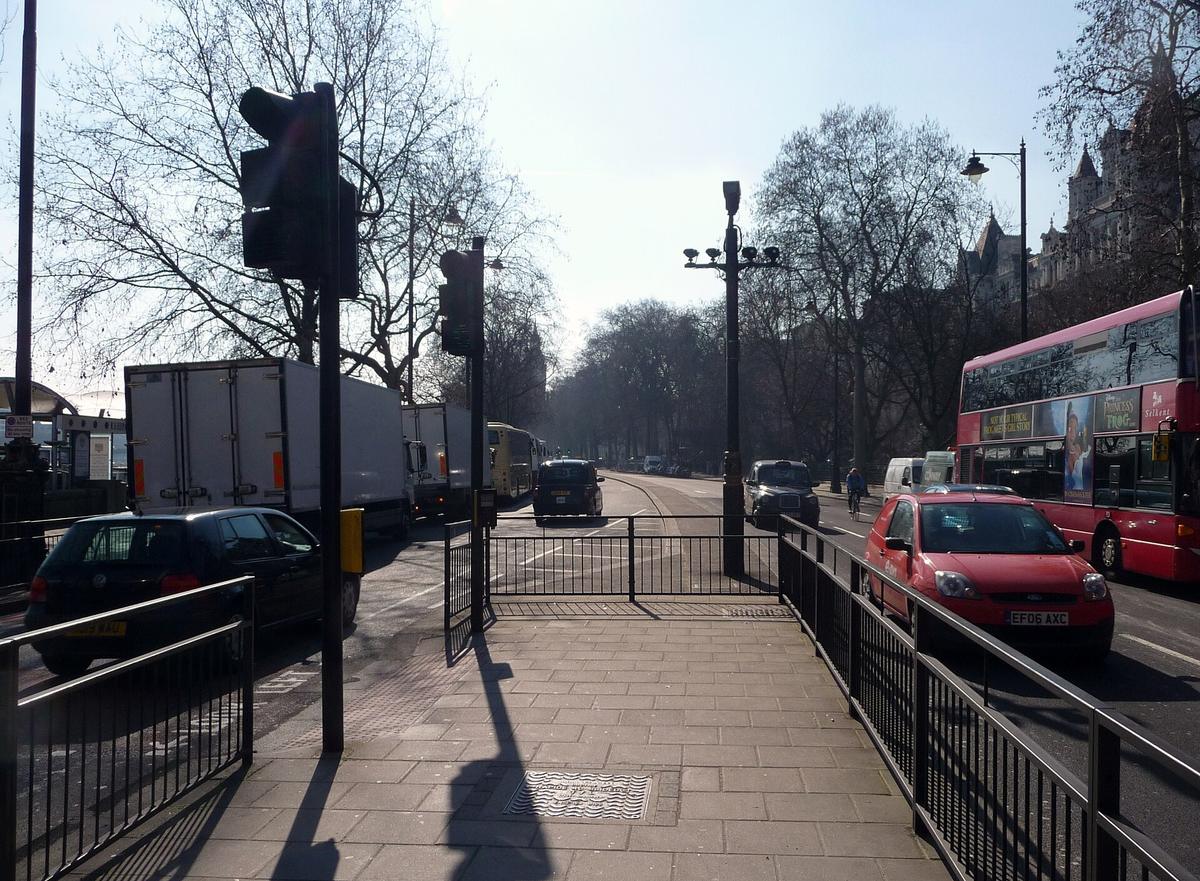
Keep your phone in a front pocket or a zipped bag when walking in busy London streets, particularly around Oxford Street, Covent Garden, Leicester Square and on the Tube platforms. Phone snatching from cyclists and e scooter riders is a volume crime. The thief does not want your bag or your wallet. They want the phone in your hand at the kerb edge. Do not stand within arm’s reach of the road while looking at your screen.
Drink Spiking and Beach Safety
Drink spiking happens in some city centre bars and clubs, though the actual number of incidents is low relative to the number of people who go out. The tactic is the same everywhere: never leave your drink unattended, buy bottled drinks and keep your thumb over the opening, and watch your drink being poured. If a stranger buys you a round, accept it only if you saw the bartender pour it.
Rip tides on beaches are a real danger. The coastguard operates a free search and rescue service, but prevention is better. Check the RNLI beach safety flags before you go into the water. A red and yellow flag means a lifeguarded swimming area. A red flag means do not swim. A black and white quartered flag means a surfing area with no swimming. On Cornwall’s north coast and along the North Sea coast of Yorkshire and Northumberland, rip tides can pull even a strong swimmer offshore in seconds. If you get caught in one, do not fight it. Swim parallel to the shore until you are out of the current, then swim back in.
Scams Targeting Tourists Britain: What to Watch for
Street scams in the United Kingdom are not as aggressive as in many European cities, but they exist. The most common is the fake charity collector in tourist heavy areas. A person with a clipboard and a branded vest asks for a donation to a children’s charity. The charity does not exist. Give nothing. A legitimate charity collector wears an ID badge and carries a sealed collection tin with a registered charity number on it.
The dropped ring scam runs in busy pedestrian zones near the Tower of London and on the South Bank. Someone picks up a ring in front of you, claims it is gold, and offers to sell it to you cheaply. It is brass. Walk past without engaging.
Unlicensed minicabs are illegal in London. A driver approaches you in a club district or at a train station and offers a ride. Only black cabs (the ones you can hail on the street) and pre booked licensed minicabs are legal. A licensed minicab has a sticker on the door showing the Transport for London license. If you book through a ride hailing app, confirm the driver’s name and the car registration before you get in. The failure case: you are refused by a black cab at 2am in Soho and a man in an unmarked car offers to take you. Do not get in. Walk to a taxi rank or call a licensed minicab company.
| Service | Number | When To Use |
|---|---|---|
| Police, Fire, Ambulance, Coastguard | 999 | Immediate danger, crime in progress, medical emergency |
| Police (non urgent) | 101 | Reporting a theft after the fact, noise complaints, non urgent crime |
| Medical (non urgent) | 111 | Illness or injury that is not life threatening but needs advice or treatment |
| RNLI Lifeguards | Beach safety flags only | Check flags before swimming on any UK beach with lifeguards |
Safe Areas in London for Visitors: Where to Stay and Walk
Where to Base Yourself
London is a safe city by global standards, but not every street feels the same at every hour. The safest areas for visitors are those with a high density of hotels, restaurants and public transport. Westminster, South Kensington, Covent Garden, Soho, Bloomsbury, the City of London, Kensington and Notting Hill all have low street crime rates during the day and evening. The area around King’s Cross and St Pancras has improved massively in the last decade but still has pockets near the back streets that feel quiet after 11pm.
Areas to Navigate Carefully After Dark
Exercise more caution after dark on the eastern edge of the West End around Tottenham Court Road at midnight, in parts of Camden Town away from the main market, and in the underpasses around the South Bank. The concrete walkways under the Waterloo and Hungerford bridges are poorly lit and often empty after 10pm. Walk above ground instead.
Transport for London’s Tube and bus network runs all night on limited routes. The night Tube operates on the Central, Victoria, Piccadilly, Northern and Jubilee lines on Fridays and Saturdays. Buses run 24 hours across most of inner London. Stay on the lower deck near the driver if you are alone.
Walking Alone At Night in UK Cities
The fear of walking alone at night in UK cities dominates travel forums. The reality is that busy areas of any British city are safe after dark. The centres of London, Manchester, Edinburgh, Glasgow and Birmingham have pedestrian traffic, well lit streets and visible police presence until at least midnight. The risk rises in three situations.
First, underpasses. British cities built pedestrian underpasses in the 1960s and 1970s, and many are now dark, isolated and used as sleeping shelters. Cross at street level even if you have to wait for a pedestrian light. Second, empty suburban train stations after midnight. A station platform in a commuter town at 1am with no staff and no other passengers is a genuinely vulnerable place. If your train arrives late and the station is deserted, wait in the waiting room or near a CCTV camera rather than on the platform edge. Third, residential streets in outer neighbourhoods. A side street in a quiet area at 2am is safe from crime but feels unsafe because of the silence and the dark. Walk with purpose, keep your phone visible only when you need it, and carry a personal alarm if it helps your confidence.
Scotland’s cities are broadly the same. Edinburgh’s Old Town is busy until late. Glasgow’s grid is well lit. The difference in Scotland is the blood alcohol limit for drivers: 50 mg per 100 ml of blood compared to 80 mg in England and Wales. That matters if you are driving after a pub evening. Do not drive at all if you have had any alcohol. The limit is low and enforcement is strict.
.jpg)
Emergency Numbers United Kingdom: Dial 999 First
999 is the single number for all urgent help. It connects to police, fire, ambulance and coastguard. The operator will ask which service you need and your location. If you are on a motorway, give the junction number or the marker post number on the hard shoulder. If your phone has no signal, the call system still works on any available network. Text 999 if you cannot speak.
101 is the police non urgent number. Use it to report a theft that happened hours ago, a lost passport that you know where you left it, or a noise complaint. It costs 15 pence per call from a landline and is free from some mobile networks. 111 is the NHS non urgent medical number. Use it for symptoms that are not life threatening but need medical advice. It is free. The NHS provides urgent treatment free at the point of use for everyone in the United Kingdom regardless of residency. Non urgent treatment for visitors from outside the EU may be charged. The FCDO recommends travel insurance for all visitors to cover medical costs and repatriation.
Driving Safety: Side of the Road, Limits and Rules
Drive on the left. That is the rule that causes the most accidents for visitors. The national speed limit on motorways and dual carriageways is 70 miles per hour. On single carriageways it is 60 mph. In built up areas it is 30 mph. Speeding cameras are common and fines are issued automatically. Seatbelts are mandatory for all occupants in front and rear seats. Children must use a car seat until they are 135 cm tall or 12 years old.
Mobile phone use while driving is prohibited unless you are using a hands free device. The penalty is six points on your driving license and a fine set by the court. The blood alcohol limit in England, Wales and Northern Ireland is 80 mg per 100 ml of blood. In Scotland it is 50 mg. A single pint of strong beer can put you over the Scottish limit. Do not drink and drive.
London operates a Congestion Charge zone in the centre and an Ultra Low Emission Zone (ULEZ) across all London boroughs. If you drive a non compliant vehicle into the ULEZ, you pay a daily charge. Several other cities including Bath, Birmingham, Bradford, Bristol, Portsmouth, Sheffield and Tyneside operate Clean Air Zones with similar charges. Check your vehicle’s compliance before you arrive.
Common Questions
Is the United Kingdom safe for tourists right now?
Yes. The FCDO does not issue specific warnings for any part of the United Kingdom. Crime rates are low by international standards. The risks that exist are phone theft in busy London districts, drink spiking in a few city centre bars, and rip tides on beaches. All are manageable with standard precautions.
What is the most common crime against tourists in the UK?
Phone snatching by cyclists and e scooter riders in busy parts of London. Thieves target pedestrians standing at the kerb edge looking at their phones. Keep your phone in a front pocket or zipped bag and do not use it while standing near the road.
Is it safe to walk alone at night in UK cities?
In busy areas of major cities, yes. The centres of London, Manchester, Edinburgh and Glasgow are well lit and have pedestrian traffic until midnight. Avoid underpasses, empty suburban train stations after midnight, and residential side streets in outer neighbourhoods. Those are the situations where risk increases.
What should I do if I am caught in a rip tide on a UK beach?
Swim parallel to the shore until you are out of the current, then swim back in. Do not fight the current. Check the RNLI beach safety flags before entering the water. Red and yellow flags mark a lifeguarded swimming area. Red flags mean do not swim.
Are unlicensed minicabs dangerous in London?
They are illegal. Only black cabs and pre booked licensed minicabs are legal. A licensed minicab has a Transport for London sticker on the door. Never accept a ride from someone who approaches you at a club or station. Book through a recognised app or call a licensed company.
Can I drink tap water in the United Kingdom?
Yes. Tap water is safe to drink in all regions. Water hardness varies from soft in Scotland to hard in southern England, but it is all potable.
Do I need travel insurance for the United Kingdom?
Yes. The FCDO recommends it for all visitors. NHS urgent treatment is free at the point of use regardless of residency, but non urgent treatment for visitors from outside the EU may be charged. Travel insurance covers medical costs and repatriation.
Read next
-
 Staying Connected in the United Kingdom with eSIM, Local SIM or Roaming
How to stay connected across the United Kingdom, where mobile signal vanishes in the Highlands, mid-Wales and Lake District valleys regardless of your network.
Staying Connected in the United Kingdom with eSIM, Local SIM or Roaming
How to stay connected across the United Kingdom, where mobile signal vanishes in the Highlands, mid-Wales and Lake District valleys regardless of your network.
-
 Best Time to Visit the United Kingdom by What You Actually Want From It
When to visit the United Kingdom and what each season actually delivers: unreliable weather year-round, summer crowds in national parks, and specific weeks to
Best Time to Visit the United Kingdom by What You Actually Want From It
When to visit the United Kingdom and what each season actually delivers: unreliable weather year-round, summer crowds in national parks, and specific weeks to
-
 Getting Around the United Kingdom When the Map Lies About Distance
Moving around the United Kingdom by train, car and coach: why rail fares punish last-minute booking, and what the road map does not tell you about journey times.
Getting Around the United Kingdom When the Map Lies About Distance
Moving around the United Kingdom by train, car and coach: why rail fares punish last-minute booking, and what the road map does not tell you about journey times.
-
 United Kingdom Visa and ETA Rules Without the Government Jargon
Who needs a visa or ETA for the United Kingdom, how the application process runs, and what to expect at the border e-gate.
United Kingdom Visa and ETA Rules Without the Government Jargon
Who needs a visa or ETA for the United Kingdom, how the application process runs, and what to expect at the border e-gate.
-
 Paying for Things in the United Kingdom Without Carrying a Wallet of Cash
How to pay for things in the United Kingdom: pound sterling, contactless cards, where cash still wins, and why Scottish banknotes confuse English shopkeepers.
Paying for Things in the United Kingdom Without Carrying a Wallet of Cash
How to pay for things in the United Kingdom: pound sterling, contactless cards, where cash still wins, and why Scottish banknotes confuse English shopkeepers.
-
What a Trip to the United Kingdom Actually Costs and Where the Money Goes
Understand where your money goes on a United Kingdom trip, from the non-negotiable big spends to the choices that genuinely shift the total.
-
 A Ground-Level Logistics Guide to Independent Travel in China
First-time independent travel in China: what you need to know about visas, rail booking, eSIMs, mobile payments, and power adapters.
A Ground-Level Logistics Guide to Independent Travel in China
First-time independent travel in China: what you need to know about visas, rail booking, eSIMs, mobile payments, and power adapters.
-
 How Solo Travelers Stay Ahead of Flight Delays and Cancellations
How solo travelers can track inbound aircraft, claim rebooking rights, and adjust ground transport when flights go wrong — step by step.
How Solo Travelers Stay Ahead of Flight Delays and Cancellations
How solo travelers can track inbound aircraft, claim rebooking rights, and adjust ground transport when flights go wrong — step by step.
-
 Why Your eSIM Might Not Work Abroad and How to Check Before You Go
Buying an eSIM doesn't guarantee signal abroad. Learn why coverage fails by location and how to verify reach before you commit to a plan.
Why Your eSIM Might Not Work Abroad and How to Check Before You Go
Buying an eSIM doesn't guarantee signal abroad. Learn why coverage fails by location and how to verify reach before you commit to a plan.