Making Sense of the Serbia Intercity Bus Network and Its Timetables
Serbia's intercity bus network reaches villages trains miss, but expect delays, cash luggage fees paid to the driver, and unreliable departure boards at
Your bus is boarding but the departure board says something else. That is the first thing that catches newcomers off guard in Serbia. The most reliable way to move between Serbian cities and villages is the intercity bus network. It reaches places trains never will, and it runs more frequently than rail on every route except one. But it runs late routinely, it charges cash for bags in the hold, and the departure boards at the capital's main terminal cannot be trusted to tell you which platform your bus actually uses.
The Serbia Intercity Bus Network: Dominant, Delayed, Cash Only
Buses are the backbone of transport here. From the capital to every district, Vojvodina flatlands, Šumadija hills, Sandžak gorges, the remote Timok Valley, and the mountain towns of Zlatibor and Kopaonik, a bus route exists. Trains do not cover those last two zones well at all. Buses also handle the frequent rural connections to small villages where rail never laid track.
How To Buy A Ticket
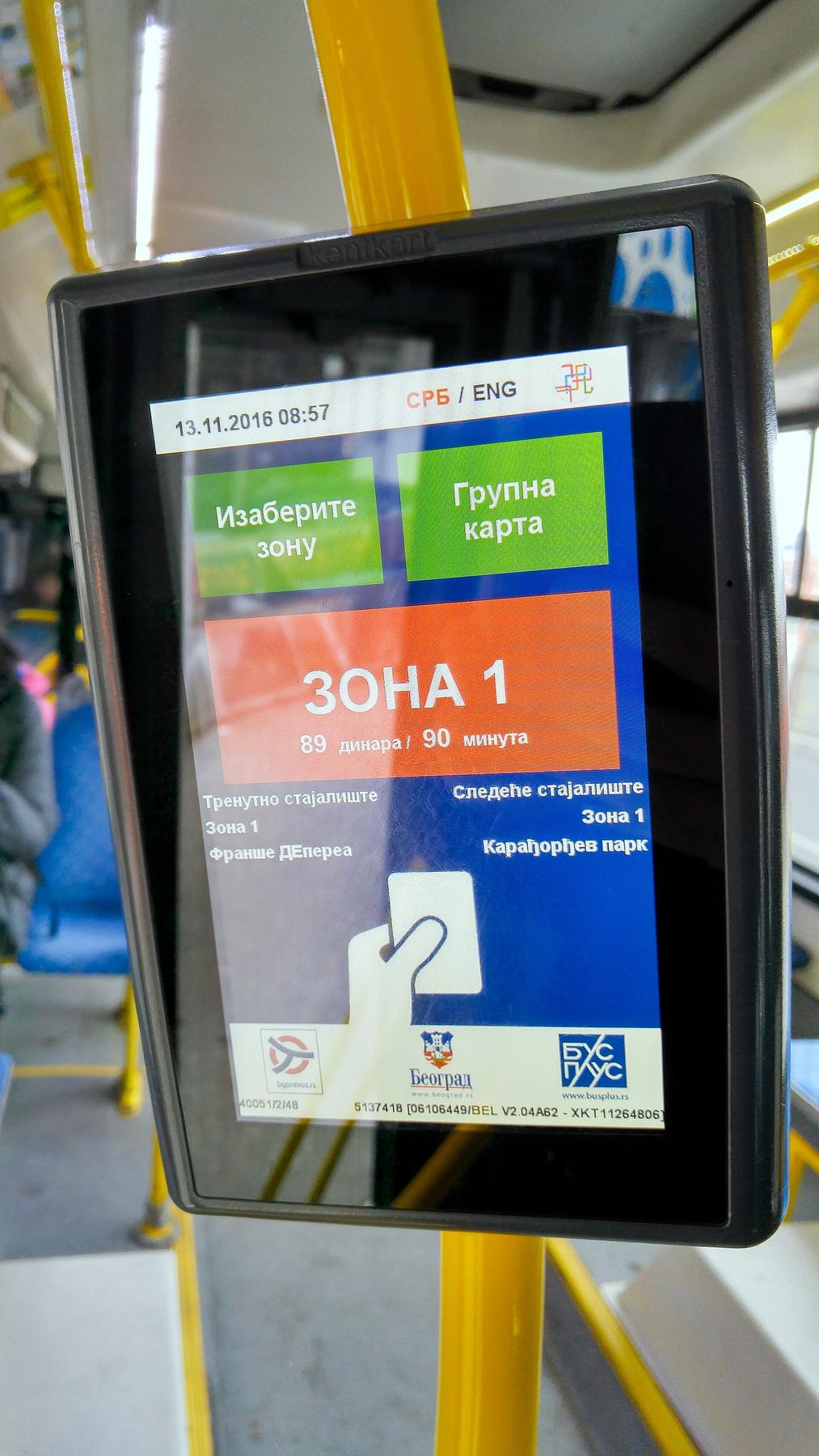
Pay at the counter or the driver in cash, Serbian dinars only. Cards are not accepted on board and rarely at rural counters. At the main terminal in the capital, buy a platform card (peronska karta) before heading to the gate. It costs roughly 40 RSD and is required for platform access. Without it, the gate attendant will send you back to the ticket hall.
The Bag Fee That Traps First Timers
Bags stored in the hold cost 50 to 100 RSD per piece, paid directly to the driver. Hand luggage stays free in the cabin. Keep small bills ready because drivers rarely have change for large notes. If you try to board without cash for the hold fee, the driver will make you wait while you find some.
Delays And Unreliable Boards
Budget 30 to 60 minutes of delay on any intercity journey. The published schedule is a suggestion. The departure boards at the main terminal often show the wrong platform, the wrong bus company, or a time that has already passed. Ask the information desk or watch where other passengers with the same destination gather. On Sundays and public holidays, schedules thin out across the whole network.
Belgrade to Novi Sad Fast Train: the One Efficient Corridor
The SOKO high speed train between the capital and Novi Sad is the exception to every rule above. It covers the 36 minute journey for 400 RSD, runs hourly, and arrives on time. The rolling stock is a Stadler KISS EMU with air conditioning, power sockets, and overhead racks. Seat reservations are compulsory, so book online through the Srbijavoz website or app, or at a counter before boarding.
This is the only rail corridor in Serbia where speed and reliability match a Western European standard. The rest of the network uses a mix of refurbished and older rolling stock, air conditioning is not guaranteed, and frequencies drop to every few hours on routes like the capital to Niš or the capital to Kragujevac. For those secondary routes, the bus is usually faster and runs more often, even with the chronic delays.
Belgrade Bus Station Departure Boards: What They Get Wrong
The departure boards at the main bus terminal display a bus company code, a platform number, and a time. None of those three pieces of information is reliable. The terminal is a multi operator facility where dozens of private bus companies sell tickets independently. Each company has its own gate, and the board sometimes lists a company that has already moved its departure point.
Walk to the platform area 15 minutes before the advertised time. Check the physical bus parked there: the destination sign on the windscreen is more accurate than the screen in the terminal. If you are still unsure, ask the drivers waiting near the platforms. Most understand basic English for departure questions. If you miss the bus because you trusted the board, the next one on that route may be two hours later or not until the next day on a Sunday.
Serbia Train Prokop Station Access: the Poorly Connected Hub
Belgrade Centar, called Prokop, is where long distance trains arrive and leave. It is a modern underground facility that opened in 2016, but the connection to the rest of the city is poor. No metro line serves it and will not as of 2026. The tram network stops on the street above, a 10 minute walk up a ramp and across a footbridge. A taxi from Prokop to the city centre costs roughly 400 to 600 RSD and takes 15 minutes in normal traffic.
If you are arriving from Novi Sad by the fast train and heading to the main bus terminal to continue south, factor in a 300 RSD taxi ride or a bus. Prokop is not adjacent to the bus terminal. The walk is 25 minutes along a loud road with uneven pavement. Most travellers take a taxi.
Serbia Bus Luggage Fee Rules: Pay the Driver Directly
The bag fee rule is simple but easy to miss. Every piece placed in the underfloor hold costs 50 to 100 RSD, paid in cash to the driver when you board. The driver does not give a receipt. Keep 200 RSD in small coins and notes accessible. If you have a backpack that fits under your seat, keep it there and pay nothing. A large suitcase, a duffel bag, or any bag too big for the overhead rack will go in the hold and incur the fee.
This fee is not included in the ticket price. Do not expect the clerk to mention it. It applies on intercity buses across all operators. Local city buses and minibuses do not charge for bags.


Serbia Road Trip Driving Times: Why the Map Lies
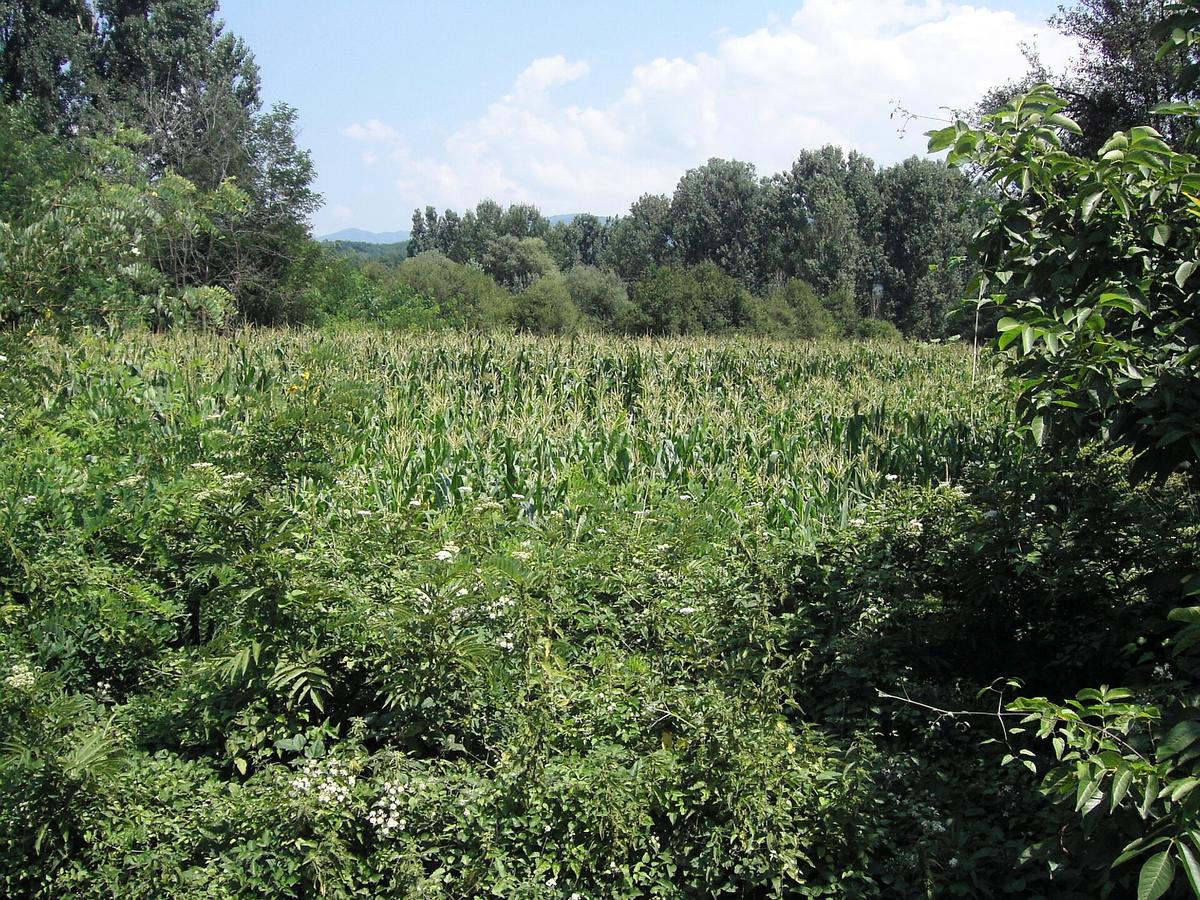
A 150 km journey on the map from the capital to the Drina River or to Stara Planina can take over three hours. The common mistake is underestimating distances and driving times in the south and east. The motorway network connects the capital north to Subotica, south to Niš, and west to Čačak. Beyond those corridors, roads are winding single lane routes where you get stuck behind slow trucks and tractors.
The capital to Zlatibor is roughly 200 km and takes 3 to 4 hours because the final section climbs into the mountains on a narrow road. The capital to the Đerdap Gorge (Golubac Fortress and Lepenski Vir) is 250 km and takes 3.5 hours or more, entirely on non motorway roads. Novi Sad to Mokra Gora (Drvengrad and the Šargan Eight railway) is 250 km and takes 4 hours via Čačak on winding mountain roads.
Tolls on motorways use a closed toll system. Pay by cash, card, or an ENP electronic tag. Fuel stations are common on motorways and main roads but sparse in remote areas of south west and east Serbia. Fill up before leaving the motorway corridor, especially if you are heading into the Sandžak region or the Carpathian east.
Winter Driving
Winter tyres are mandatory from 1 November to 1 April if road conditions are wintry. Mountain passes in Zlatibor, Zlatar, Kopaonik, and Stara Planina close during snow and require chains. The blood alcohol limit for drivers is 0.03%, zero for professional and novice drivers.
Signage And Navigation
Rural road signage uses Cyrillic first, Latin second or not at all. A dual script map or a GPS with Cyrillic recognition helps. Google Maps works well on the main corridors but loses signal in the Tara and Stara Planina mountain areas. Download offline maps before leaving the capital or Niš.
Frequently Asked Questions
Four questions travellers new to Serbia ask most often.
The intercity bus network suits slow travellers who need to reach rural villages, budget conscious road trippers who want strong value in food and accommodation, and nature lovers targeting the less trampled hiking trails of the Dinaric Alps and Carpathians. It does not suit travellers who expect punctual departure boards, card payments everywhere, or the ability to dash between destinations on tight schedules without contingency for 30 to 60 minute delays. The single thing that most often goes wrong is trusting the map: that 150 km route on paper that eats an afternoon because the road is winding, narrow, and behind a slow truck with nowhere to pass.
Common Questions
Can I buy an intercity bus ticket with a credit card?
Only at the counter in larger cities like the capital, Novi Sad, and Niš. On board and at rural stops, cash in Serbian dinars is the only option. Carry at least 2000 RSD for bus fares and bag fees.
Does the fast train from Belgrade to Novi Sad require a reservation?
Yes. Seat reservations are compulsory on the SOKO high speed train. Buy them at any Srbijavoz counter, on the Srbijavoz website, or through the app. You cannot board without a reserved seat.
How much is the luggage fee on a Serbian intercity bus?
50 to 100 RSD per piece placed in the hold, paid directly to the driver in cash. Backpacks and small bags kept in the cabin are free. Keep small coins and notes accessible.
Is Belgrade Centar (Prokop) station connected to the bus station?
No direct connection. Prokop is a 25 minute walk from the main bus terminal over uneven pavement. Most travellers take a taxi for 400 to 600 RSD or ride the tram to the city centre and change there.
Read next
-
 Staying Connected in Serbia With eSIM, a Local SIM, or Just WiFi
Comparing eSIM convenience, local prepaid SIM costs, and the mountain coverage gaps that make offline maps essential in Serbia.
Staying Connected in Serbia With eSIM, a Local SIM, or Just WiFi
Comparing eSIM convenience, local prepaid SIM costs, and the mountain coverage gaps that make offline maps essential in Serbia.
-
 Best time to visit Serbia and what each season actually delivers
Serbia peaks in July and August with festivals and mountain warmth, but September and October offer harvest season, fewer crowds, and the best hiking weather.
Best time to visit Serbia and what each season actually delivers
Serbia peaks in July and August with festivals and mountain warmth, but September and October offer harvest season, fewer crowds, and the best hiking weather.
-
 Who needs a Serbia visa and how the entry rules actually work
Serbia offers visa-free entry to many nationalities for up to 90 days, but border procedures at Belgrade airport and the Kosovo crossing point need advance planning.
Who needs a Serbia visa and how the entry rules actually work
Serbia offers visa-free entry to many nationalities for up to 90 days, but border procedures at Belgrade airport and the Kosovo crossing point need advance planning.
-
 Cash and cards in Serbia what you will actually need dinars for
Cards work in Serbian city centres but cash in dinars is essential for intercity bus luggage fees, village restaurants, and rural shops where terminals are rare.
Cash and cards in Serbia what you will actually need dinars for
Cards work in Serbian city centres but cash in dinars is essential for intercity bus luggage fees, village restaurants, and rural shops where terminals are rare.
-
 Safety in Serbia reading the advice without being misled by it
Serbia is generally safe with low violent crime, but watch for Belgrade airport taxi scams, pervasive indoor smoking, and challenging rural road conditions
Safety in Serbia reading the advice without being misled by it
Serbia is generally safe with low violent crime, but watch for Belgrade airport taxi scams, pervasive indoor smoking, and challenging rural road conditions
-
 How Much a Trip to Serbia Costs, Shaped by Region and Season
How a Serbia travel budget shifts between the cash-reliant countryside, the affordable mountain resorts, and a Belgrade night out.
How Much a Trip to Serbia Costs, Shaped by Region and Season
How a Serbia travel budget shifts between the cash-reliant countryside, the affordable mountain resorts, and a Belgrade night out.
-
 A Ground-Level Logistics Guide to Independent Travel in China
First-time independent travel in China: what you need to know about visas, rail booking, eSIMs, mobile payments, and power adapters.
A Ground-Level Logistics Guide to Independent Travel in China
First-time independent travel in China: what you need to know about visas, rail booking, eSIMs, mobile payments, and power adapters.
-
 How Solo Travelers Stay Ahead of Flight Delays and Cancellations
How solo travelers can track inbound aircraft, claim rebooking rights, and adjust ground transport when flights go wrong — step by step.
How Solo Travelers Stay Ahead of Flight Delays and Cancellations
How solo travelers can track inbound aircraft, claim rebooking rights, and adjust ground transport when flights go wrong — step by step.
-
 Why Your eSIM Might Not Work Abroad and How to Check Before You Go
Buying an eSIM doesn't guarantee signal abroad. Learn why coverage fails by location and how to verify reach before you commit to a plan.
Why Your eSIM Might Not Work Abroad and How to Check Before You Go
Buying an eSIM doesn't guarantee signal abroad. Learn why coverage fails by location and how to verify reach before you commit to a plan.