A Straightforward Toronto TTC Guide for Visitors New to the System
The TTC subway is two useful lines, but streetcars and buses are slow and stop announcements are unreliable. Here is how visitors navigate Toronto transit.
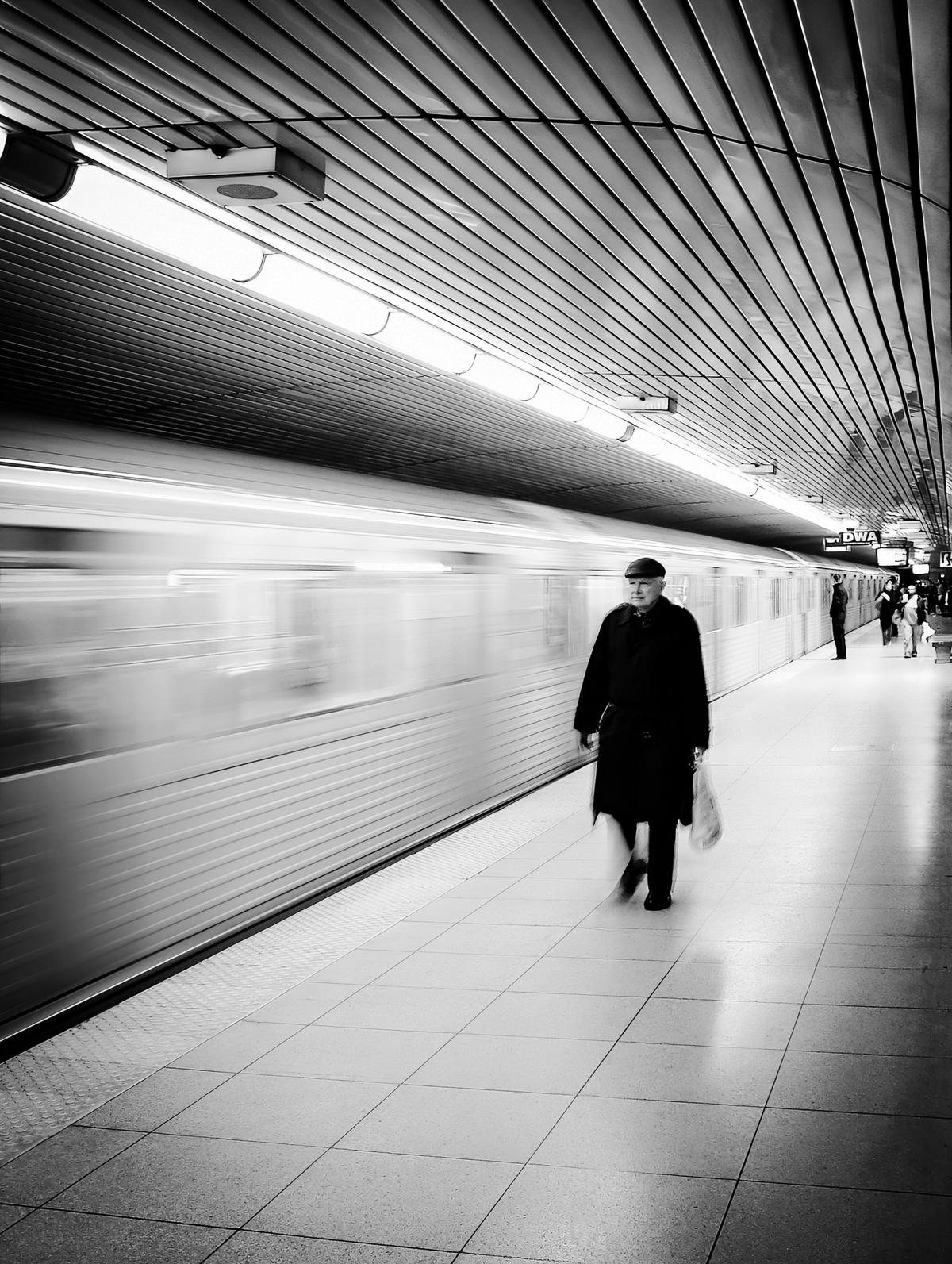

How the TTC Actually Works for Someone Visiting Toronto
Most visitors assume Toronto's transit is simple: buy a ticket, get on the subway, arrive. The truth is more useful and more frustrating. The subway is only half the story, and the surface routes where the city actually lives are slow, unreliable at stop announcements, and easy to mis-navigate. This Toronto TTC guide for visitors explains what to pay with, how the two subway lines work, why streetcars will test your patience, and which app saves you from standing at the wrong stop.
TTC Presto Card Tourist Toronto: What to Buy and How to Tap
You have two payment options for the TTC, and one of them costs a one-time fee. A Presto card is a reloadable smart card sold at TTC subway station vending machines, Shoppers Drug Mart locations in Toronto, and online via prestocard.ca. The card carries a base issue fee set by Metrolinx, separate from the fare. You load the card, tap on entry at subway fare gates, buses, and streetcars, and the system deducts the adult fare. The card itself never expires, and the balance maximum is $990. Register it online and your balance is protected if you lose the card.
Your alternative is simpler: tap any contactless credit card or debit card directly at the same gates. You do not need to buy a Presto card at all. The same two-hour transfer window applies. A single-ride paper Presto ticket sold at subway station vending machines also works, but it must be used by the date printed on the ticket, and that date is set annually. For a visit of four days or more, a TTC day pass purchased as a Presto e-ticket or paper pass at subway stations gives unlimited travel from first use until 5:00 the next morning, and that often costs less than four single rides.
The failure case: if you tap a Presto card or contactless card on a streetcar, then tap again on a bus within two hours, the second tap does not charge you. But if you try to return on the same route within the two-hour window, the system charges a new fare. That rule catches visitors making a round trip on the same streetcar line. Also, a TTC transfer does not work on GO Transit. If you take the UP Express from Pearson to Union Station, the $12 fare is separate from your TTC fare entirely.
Toronto Subway Line 1 Line 2 Guide: the Simple U and the Straight Line
Toronto's subway has exactly two lines you need to know. TTC subway Line 1 is the Yonge, University line, a U-shaped route running north, south on both sides of the downtown core. It connects Union Station at the southern terminus to Vaughan Metropolitan Centre on the west branch and Finch on the east branch. TTC subway Line 2 is the Bloor, Danforth line, an east, west route crossing Line 1 at St George, Spadina, and Bloor, Yonge stations. That is the entire network: 70 stations over 76.9 km as of the 2024 figures published by the Toronto Transit Commission. Both lines run trains every 2-3 minutes during peak, every 4-6 minutes off-peak, and every 5-7 minutes late evening. Weekend daytime frequency is every 4-6 minutes.
Where The Subway Fails You
The real friction is not in the subway. Line 1 and Line 2 are accessible, air-conditioned, have cell service in all stations and tunnels, and every station on both lines has elevators as of 2025. The problem is that east, west travel above Bloor Street is a time commitment. If you are in the Annex on Bloor and need to reach Greektown on Danforth, the subway on Line 2 takes about 20 minutes. If you are in West Queen West and need to reach Leslieville, you are on a streetcar that shares lanes with cars, and that same distance can take 40 minutes or more. The subway map's neat lines hide the real travel times for surface routes.
Weekend Closures And The Future Line
Weekend closures happen, most often on sections of Line 1. Shuttle buses replace the subway along closed sections. Check ttc.ca and TTC social media the morning of your trip. The Ontario Line is under construction and scheduled to open in 2031, operated by Metrolinx, not the TTC. It will connect Exhibition Place to the Science Centre, with interchanges at Queen and Osgoode with Line 1 and at Pape with Line 2. For now, you have two lines.
TTC Streetcar Transfer Rules Toronto: the Two-Hour Window and the Route Trap
The TTC streetcar network has 9 regular routes, all using low-floor accessible vehicles. You pay by tapping a Presto card or contactless card on board. The transfer window is two hours of unlimited TTC travel from the first tap. The rule that catches most visitors: no return trips on the same route within that window. If you ride the 504 King streetcar west from downtown to the Distillery District area, then try to ride the same 504 back east within two hours, the system charges a new fare. You can take any other route for free during the window, just not the same one in the opposite direction.
Stop Announcements Are Not Reliable
The bigger problem is that streetcars and buses do not reliably announce stops. The subway announces every station. On a streetcar, you need to watch your phone or the street signs. The Transit app gives real-time TTC data and is more reliable than Google Maps for surface routes. Google Maps shows scheduled times; the Transit app shows where the vehicle actually is on the route. Download it before you arrive. Toronto's free city Wi-Fi is patchy, and you want the app working when you are standing on Queen Street with no idea which stop is next.
Cash Is A Trap
Cash payment on streetcars and buses is accepted but requires exact change, and no change is given. You receive a paper transfer valid only for a one-way continuous trip. If you pay cash, you lose the two-hour unlimited window. Use a Presto card or contactless card instead. The TTC bus network has over 140 routes, and the same payment rules apply.
Toronto Transit App vs Google Maps: Which One You Actually Need
Google Maps works fine for the subway. It shows the correct platform, the next train time, and the exit stair you want. For surface routes, it fails. Google Maps uses scheduled departure times, not the actual position of the vehicle. A streetcar stuck in traffic or diverted by Queen Street construction does not appear on Google Maps as delayed until after it is already late. The Transit app pulls real-time TTC data, including vehicle positions, stop announcements, and service alerts. It also shows which route is actually moving, not which route is scheduled to be moving.
Use Google Maps to plan the route and the Transit app to execute it. Open the Transit app at your stop, check the next vehicle's position, and decide whether to wait or walk. That decision saves you more time than any fare discount. For the 504 King or 501 Queen streetcars, which run through the core and are most vulnerable to traffic, the Transit app is essential. For the subway on Line 1 or Line 2, Google Maps is sufficient.
Canadian SIMs work with either app. An eSIM from Lucky Mobile or Public Mobile is cheap and data-friendly. Free city Wi-Fi exists in some public spaces but is patchy, so do not rely on it for the Transit app. Have data.

,_Toronto,_Ontario,_2025-08-25.jpg)
What East-West Travel Above Bloor Actually Costs You in Time
Toronto is a patchwork of distinct neighbourhoods stitched together by long transit rides, not a compact sightseeing city. The city's real value is in its neighbourhoods, and a downtown hotel without a plan to leave the core produces the most common complaint: that the city felt sterile and soulless. Getting to those neighbourhoods takes time. From downtown to the Junction or Dundas West takes about 30 minutes on the 504 streetcar from the core. From downtown to Scarborough for the Sri Lankan food that the region is best known for takes 50 minutes on Line 2 to Kennedy then a bus. From downtown to Little Jamaica on Eglinton West takes a 20-minute subway ride on Line 1 to Eglinton then a bus west. None of these are quick errands.
Budget More Time Than The Map Says
The subway handles east-west travel on Line 2 from Kipling in the west to Kennedy in the east in about 40 minutes. Above Bloor, everything is slower because surface routes run in mixed traffic. Construction is constant and disruptive; the Gardiner Expressway and Queen Street streetcar diversions can break a schedule. Budget 50% more time than Google Maps suggests for any surface route trip. If you are food-focused, plan your route around one area per meal, not two neighbourhoods in one afternoon. Toronto is not a city where you can hop between Kensington Market and Leslieville in 15 minutes. You cannot. Budget the time and you will eat better.
The One Rule That Saves You Time and Money
Do not pay cash. A Presto card or tap with a contactless card gives you the two-hour unlimited transfer window. Cash gives you a paper transfer valid for one one-way continuous trip, and if you need to change direction or make an extra stop, you pay again. Tap a contactless card at the subway gate and you have two hours to ride any combination of subway, streetcar, and bus, as long as you do not reverse direction on the same surface route. That is the single most practical rule for Toronto transit. Do it.
Read next
-
 Toronto Hotels and What the Price Bands Actually Get You
Toronto hotel prices cluster into bands that deliver distinctly different experiences, from suburban chain functionality to character-rich midrange spots in
Toronto Hotels and What the Price Bands Actually Get You
Toronto hotel prices cluster into bands that deliver distinctly different experiences, from suburban chain functionality to character-rich midrange spots in
-
 Where to Stay in Toronto and What Each District Costs You
Where you stay in Toronto shapes everything about your trip. Each district comes with a tradeoff in transit time, street life, and what you can walk to after dinner.
Where to Stay in Toronto and What Each District Costs You
Where you stay in Toronto shapes everything about your trip. Each district comes with a tradeoff in transit time, street life, and what you can walk to after dinner.
-
 Flying Into Toronto Pearson or Billy Bishop and Getting Downtown
Flying into Toronto means choosing between Pearson and Billy Bishop. Here's how each airport works and how to get downtown from both.
Flying Into Toronto Pearson or Billy Bishop and Getting Downtown
Flying into Toronto means choosing between Pearson and Billy Bishop. Here's how each airport works and how to get downtown from both.
-
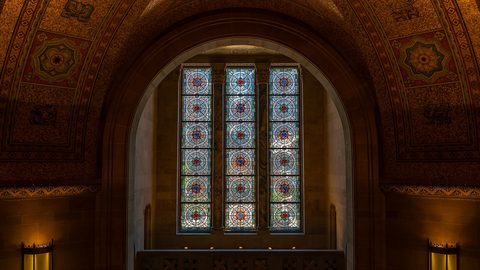 What to Do in Toronto Ordered by Whether It Is Worth the Time
Toronto's attractions compete for your limited days. Some earn their time cost, others don't. This ranks them by what you actually get for the hours you spend.
What to Do in Toronto Ordered by Whether It Is Worth the Time
Toronto's attractions compete for your limited days. Some earn their time cost, others don't. This ranks them by what you actually get for the hours you spend.
-
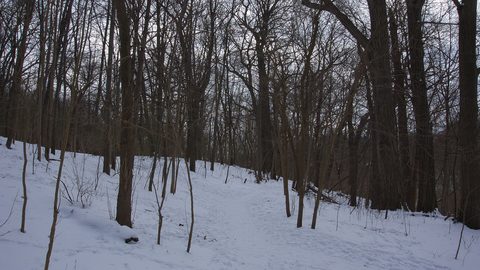 When to Visit Toronto and What Each Season Does to the City
Toronto shifts dramatically with the seasons, from festival-packed spring and fall shoulders to humid summer patios and bitter winter sidewalks that never
When to Visit Toronto and What Each Season Does to the City
Toronto shifts dramatically with the seasons, from festival-packed spring and fall shoulders to humid summer patios and bitter winter sidewalks that never
-
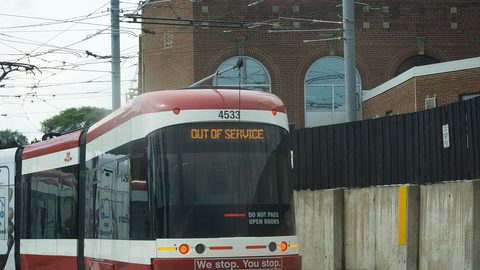 Getting Around Toronto Without Wasting Half Your Trip in Transit
Toronto's transit map looks simple but hides slow surface routes, a disorienting underground maze, and walking distances everyone underestimates.
Getting Around Toronto Without Wasting Half Your Trip in Transit
Toronto's transit map looks simple but hides slow surface routes, a disorienting underground maze, and walking distances everyone underestimates.
-
 CN Tower
The CN Tower anchors Toronto's skyline, but a good visit depends on booking ahead for sunset slots and knowing which experience fits your time and tolerance
CN Tower
The CN Tower anchors Toronto's skyline, but a good visit depends on booking ahead for sunset slots and knowing which experience fits your time and tolerance
-
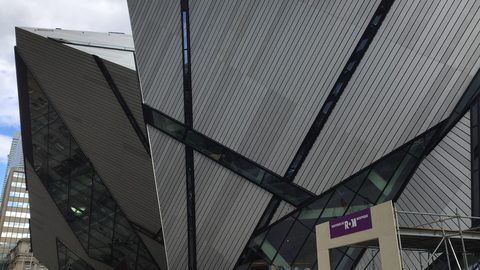 Royal Ontario Museum
The Royal Ontario Museum pairs world cultures with natural history inside a crystal-winged building, and a focused visit to two or three galleries beats a
Royal Ontario Museum
The Royal Ontario Museum pairs world cultures with natural history inside a crystal-winged building, and a focused visit to two or three galleries beats a
-
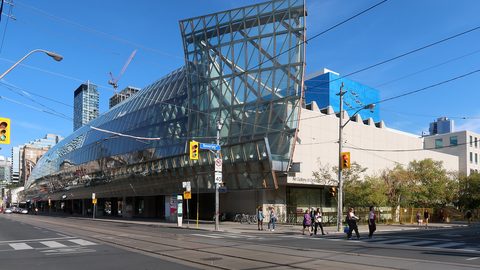 Art Gallery of Ontario
The Art Gallery of Ontario pairs a deep Group of Seven collection with Frank Gehry's glass-and-wood redesign, a focused art experience steps from Chinatown
Art Gallery of Ontario
The Art Gallery of Ontario pairs a deep Group of Seven collection with Frank Gehry's glass-and-wood redesign, a focused art experience steps from Chinatown