Iran Money and Cash Without International Cards
No international cards work in Iran. You must carry pristine US dollars or euros and exchange them at licensed shops for Iranian rials.
How to Pay for Things in Iran Without International Cards
You cannot pull rials from an ATM, swipe a Visa at a hotel, or tap Apple Pay. None of that works. Visa, Mastercard, American Express, and UnionPay are all disconnected from Iran's banking system by US sanctions. Your debit card is a plastic rectangle with zero function at any Iranian point-of-sale terminal or ATM. You carry every single rial you will spend. You carry it in the crispest US dollars or euros you can manage.
This is how you turn those notes into rials, how to tell a rial from a toman, how much cash a standard two-week trip demands, and what to do when the bus terminal cashier cannot make change.
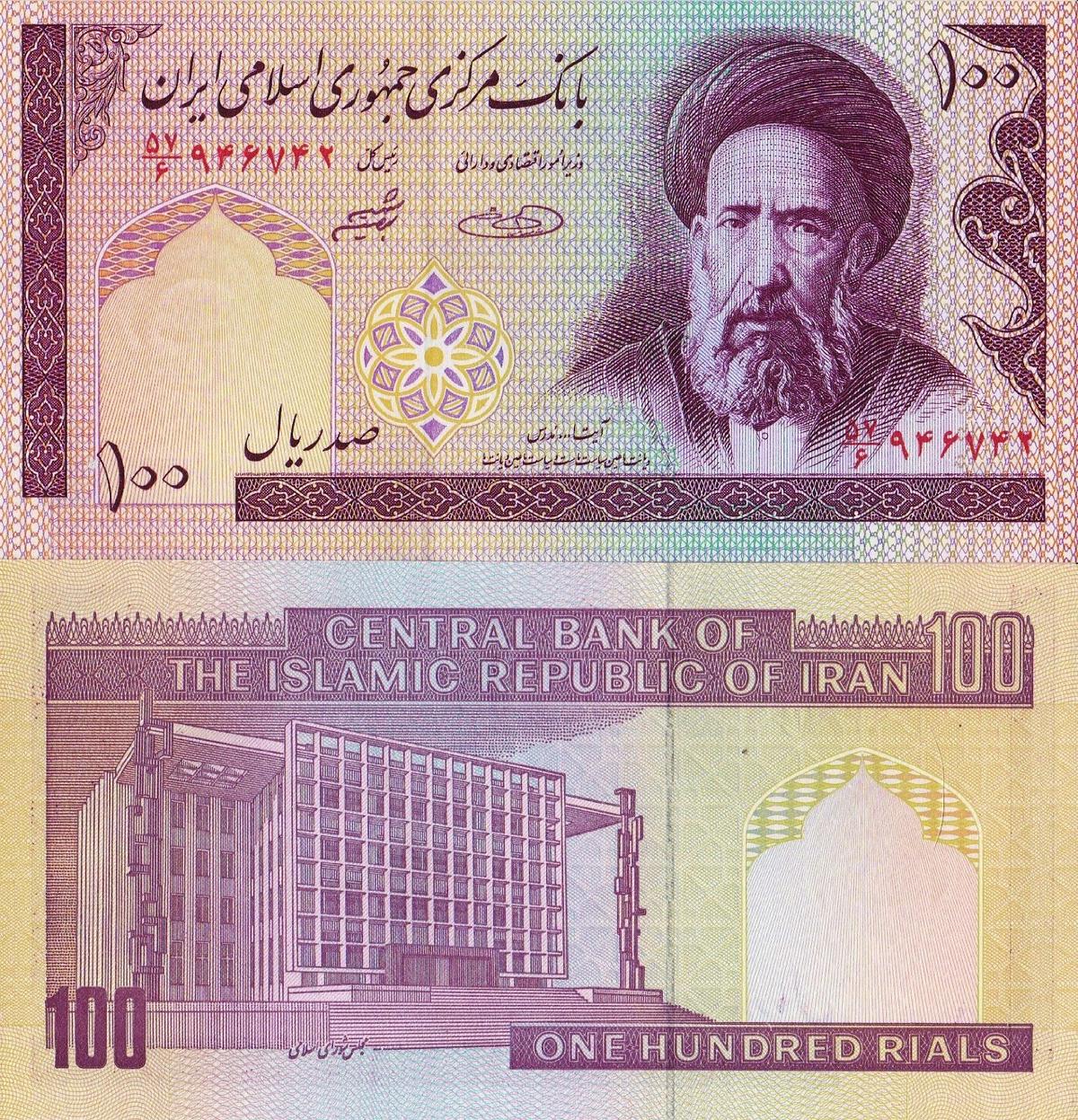

Iranian Rial Exchange: What You Need to Know
Rials, Tomans, and the Notes You Will Hold
The official currency is the Iranian rial (IRR). Banknotes in circulation run from IRR 10,000 up to IRR 2,000,000. Coins exist at IRR 1,000, 2,000, and 5,000 but you will rarely touch one. You will also almost never hear a price spoken in rials. Iranians use an informal unit called the toman. One toman equals 10 rials. A taxi driver who says a ride costs "20,000" means 20,000 tomans, which is 200,000 rials. This dual-pricing norm causes more confusion for travellers than anything else. Always confirm the unit before you hand over cash.
Where to Get the Real Rate
The rate structure is not simple. A single rate does not exist. The open-market rate published by licensed bureaux (sarrafi) diverges sharply from the official Central Bank of Iran rate. Do not use a bank. Licensed sarrafi quote a rate close to the sanarate.ir open-market figure, and that is the number that matters. Check sanarate.ir the day you land. The rial depreciates persistently, so waiting works in your favour. Licensed shops cluster in major cities: Tehran, Shiraz, Isfahan, Yazd, Mashhad, Tabriz. They are scarce in rural Sistan va Baluchestan and in border regions.
Street money-changers are illegal. Using them carries the risk of counterfeit notes and, in some cases, arrest. Walk past them. Enter a sarrafi with a visible licence sign. Keep the receipt. You need it to reconvert unspent rials at the airport on departure.
Cash Only in Iran: Why and How it Works
Cash is not a preference. It is the single legal reality for any visitor. Domestic debit cards run on the Shetab network and dominate all in-person payments for locals, but a non-Iranian passport does not get you a Shetab card. Two prepaid tourist card providers, Mah Card and DaricPay, issue reloadable rial-denominated cards to non-Iranian passport holders. These cards work at Shetab terminals inside shops, restaurants, and hotels. That is the closest thing to a functioning debit card. Verify with the provider before departure whether they are currently issuing cards; availability has shifted in previous years.
Every Transaction, in Notes
Without one of those cards, every transaction is physical cash. A hotel that books you online and quotes a price in euros expects payment in crisp notes at check-in. A VIP overnight bus ticket costs cash at the terminal window. A Snapp taxi ride, Iran's dominant rideshare app, pays the driver in rials at drop-off. Bus terminals such as terminal-e-gharb (Tehran's west terminal) and terminal-e-jonub (south terminal) sit far from city centres. You pay for your intercity ticket in rials, then pay for a secondary Snapp ride to reach the terminal in rials. Neither transaction accepts a card.
How Much Cash to Bring Iran for Two Weeks
Budgeting for One, Budgeting for Two
The range for a 14-day trip is narrow. A solo budget traveller sleeping in mid-range hotels, taking three VIP overnight buses, eating one hot meal a day at a local restaurant, and paying entry fees for the major sites will spend roughly $600 to $800 worth of rials. A couple staying in the upper end of mid-range, eating at nicer restaurants, and hiring a private driver for the classic loop (Tehran, Shiraz, Yazd, Isfahan) should budget $1,200 to $1,500 for two people. These figures exclude flights in and out of Iran and any purchases of Persian carpets or handicrafts. Those are priced far higher.
What to Bring and How to Carry It
Avoid bringing rials from outside Iran. The rate in Dubai is poor. The rate inside Iran from a licensed sarrafi is better. Bring all your funds in pristine US dollars or euros. Notes must be clean. No tears. No stamps. No pen marks. No excessive folding. Iranian bureaux reject damaged notes, and a rejected $100 bill at the counter means you lose that buying power for the rest of the trip. Bring a mix of denominations: smaller notes for daily conversion, larger ones for the bulk of your budget. Travellers cheques are not accepted anywhere.
Currency import rules allow undeclared notes up to EUR 10,000 or equivalent. Higher amounts require a customs declaration. Export rules allow unspent notes up to the same threshold plus IRR 5,000,000. You cannot take Iranian rials out of the country in large quantity. Convert only what you need for a few days at a time, then reconvert the surplus at departure using your original receipt.
Iran Currency Tips: Daily Handling
Carry small denominations. IRR 10,000 and 20,000 notes cover bus fares, taxi rides, and street food. Shopkeepers and drivers often lack change for a large note, and you will watch them run to the neighbouring shop to break it. A stack of small notes moves transactions faster.
When a price is quoted in tomans, multiply by 10 to get the rial amount. Write the rial figure on a piece of paper if the language gap is wide. Most shopkeepers understand this routine and will write the toman price on a calculator for you.
At a restaurant, tipping is not customary outside upmarket Tehran establishments, where a small rounding-up of 5 to 10 percent may be left. For hotel porters or bathroom attendants, a small cash gift (eidari) is occasional but not expected. For a tour guide or driver, the amount is entirely discretionary and varies by the length of the tour and group size. Budget for that.
Departure tax for overland exits at some border crossings must be paid in rials. The amount is set annually by the government and can be looked up before you leave Tehran. If you exit by air from Imam Khomeini International Airport, the tax is folded into the airfare. Verify with your airline.


Iran Debit Card Alternative: the Prepaid Options
Two providers currently offer reloadable rial-denominated prepaid cards for non-Iranian passport holders: Mah Card and DaricPay. These cards run on the Shetab domestic network, so they work at any POS terminal inside a shop, restaurant, or hotel that accepts local cards. The application process requires a passport copy and takes a few days. You can top up the cards in rials at designated offices in Tehran and a few other cities.
The limitation is availability. There are periods when these cards are not being issued, or the top-up offices are closed. Treat them as a convenience, not a guarantee. You still need a core stash of physical dollars.
What Usually Goes Wrong
The single thing that most often goes wrong is that travellers underestimate the scale of the country. They try to cram Tehran, the Caspian coast, the southern islands, and the western Kurdish region into a two-week trip, then run out of cash because they did not budget for the extra overnight buses and the secondary taxi rides to far-flung bus terminals. The minimum time to cover the classic central loop (Tehran, Shiraz, Yazd, and Isfahan) is 14 days. Any route that adds a desert camp or a mountain village will cost more dollars. Bring the cash for the route you actually have, not the one you wished for.
Common Questions
Can I use my credit card at any hotel in Iran?
No hotel can accept Visa, Mastercard, or Amex. Some high-end hotels quote prices in euros and expect payment in crisp notes at check-in. A few may accept a bank transfer to an account outside Iran, but that requires arranging before arrival.
What happens if I run out of cash mid-trip?
You cannot wire yourself money through Western Union. You cannot use Wise or Revolut. The only route is to have a friend or family member send cash via a courier service registered in Iran, which is slow and unreliable. The better plan is to bring more dollars than you think you need and keep the surplus in your hotel safe.
Should I convert all my dollars at once?
Convert only what you need for three or four days. The rial depreciates regularly, so your remaining dollars will buy more rials later in the trip. Convert in small batches at licensed shops, never on the street.
Can I use my phone to pay for things?
Apple Pay, Google Pay, and Samsung Pay do not work. Contactless payment via a local Shetab app requires a local bank account, which a tourist cannot open. Stick to cash.
Are ATMs safe to use with an international card?
They do not work. The Shetab-linked ATMs dispense rials only to local Shetab cards. Inserting a Visa or Mastercard results in an error or a machine that holds your card.
Read next
-
 Staying Connected in Iran Without Expensive Roaming
Why a physical Irancell or Hamrah-e Aval SIM registered with your passport is the only real data option in Iran, and why your VPN must be installed before landing.
Staying Connected in Iran Without Expensive Roaming
Why a physical Irancell or Hamrah-e Aval SIM registered with your passport is the only real data option in Iran, and why your VPN must be installed before landing.
-
 Best Time to Visit Iran for Persian Sites and Desert Cities
March to May is peak season in Iran, but Nowruz brings triple prices and sold-out hotels. Autumn is the best shoulder window for fewer crowds.
Best Time to Visit Iran for Persian Sites and Desert Cities
March to May is peak season in Iran, but Nowruz brings triple prices and sold-out hotels. Autumn is the best shoulder window for fewer crowds.
-
 Getting Around Iran by VIP Bus Train and Snapp Taxi
Iran's VIP overnight buses connect major cities, but terminals sit far from centres, and you need cash plus a Snapp taxi to make the system work.
Getting Around Iran by VIP Bus Train and Snapp Taxi
Iran's VIP overnight buses connect major cities, but terminals sit far from centres, and you need cash plus a Snapp taxi to make the system work.
-
 Iran Visa Rules for British American and Canadian Passport Holders
Iran visa rules vary sharply by nationality. US, UK, and Canadian citizens need an authorised guide, while many others can get visa-on-arrival at IKA.
Iran Visa Rules for British American and Canadian Passport Holders
Iran visa rules vary sharply by nationality. US, UK, and Canadian citizens need an authorised guide, while many others can get visa-on-arrival at IKA.
-
 Is Iran Safe to Visit as an Independent Traveller
Iran's streets are generally safe and welcoming, but photography restrictions, dress code enforcement, and geopolitical warnings shape the reality.
Is Iran Safe to Visit as an Independent Traveller
Iran's streets are generally safe and welcoming, but photography restrictions, dress code enforcement, and geopolitical warnings shape the reality.
-
 How Much Money to Bring for an Iran Trip in Cash
How to calculate the cash you must carry for Iran, where no international cards work and every rial is exchanged from pristine dollars or euros.
How Much Money to Bring for an Iran Trip in Cash
How to calculate the cash you must carry for Iran, where no international cards work and every rial is exchanged from pristine dollars or euros.
-
 A Ground-Level Logistics Guide to Independent Travel in China
First-time independent travel in China: what you need to know about visas, rail booking, eSIMs, mobile payments, and power adapters.
A Ground-Level Logistics Guide to Independent Travel in China
First-time independent travel in China: what you need to know about visas, rail booking, eSIMs, mobile payments, and power adapters.
-
 How Solo Travelers Stay Ahead of Flight Delays and Cancellations
How solo travelers can track inbound aircraft, claim rebooking rights, and adjust ground transport when flights go wrong — step by step.
How Solo Travelers Stay Ahead of Flight Delays and Cancellations
How solo travelers can track inbound aircraft, claim rebooking rights, and adjust ground transport when flights go wrong — step by step.
-
 Why Your eSIM Might Not Work Abroad and How to Check Before You Go
Buying an eSIM doesn't guarantee signal abroad. Learn why coverage fails by location and how to verify reach before you commit to a plan.
Why Your eSIM Might Not Work Abroad and How to Check Before You Go
Buying an eSIM doesn't guarantee signal abroad. Learn why coverage fails by location and how to verify reach before you commit to a plan.