A Toronto Guide Built Around Neighbourhoods, Not Landmarks
Toronto is a sprawling patchwork of neighbourhoods where half the population was born elsewhere, and the real payoff comes from eating your way through it
- Flag
-

- ISO code
- CA
- Population
- 2,794,356
- Currency
- CAD
- Timezone
- America/Toronto
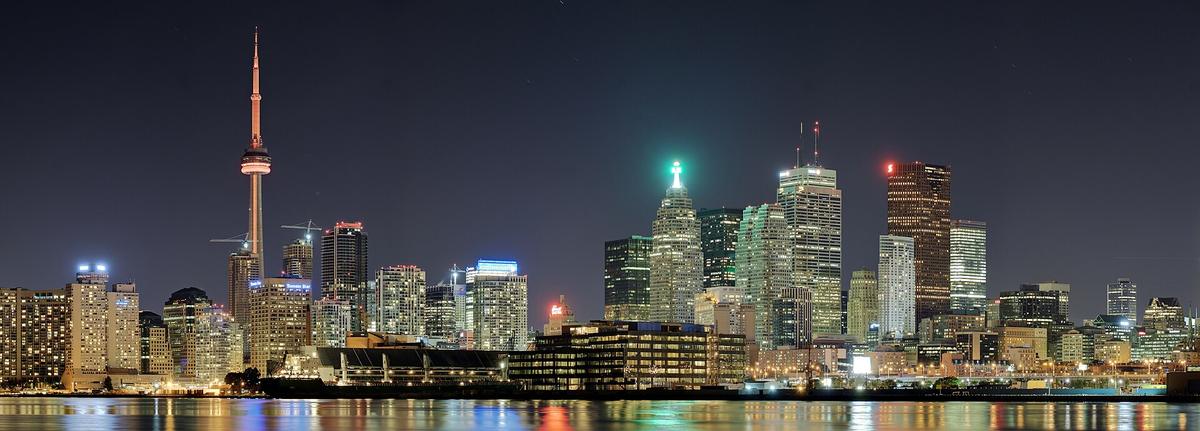
Toronto is a city of 158 official neighbourhoods, 46.6 kilometres of Lake Ontario shoreline, and a population where 46.6 percent of residents were born outside Canada. That last number is the one that matters for how you plan a trip. Toronto does not reward landmark hunting. It rewards eating your way through immigrant corridors where the cooking is direct from a home kitchen on the other side of the world. This Toronto travel guide is built around that reality: the payoff is in the districts, not the financial core, and you need at least four full days to cover it properly.
- Population (2021 census): 2,794,356
- Foreign-born population share: 46.6%
- Official neighbourhoods: 158
- Former municipalities amalgamated (1998): 6
- Land area: 630.20 km²
- Minimum recommended stay: 4 full days
- Peak season: May through October
- Avoid window: CNE week (late Aug to Labour Day); deep winter (Jan, Mar)
- Arrival: Pearson Airport: UP Express to Union Station, 25 min; fare set by Metrolinx, check upexpress.com
- Arrival: Billy Bishop Airport: Free tunnel or 90 sec ferry; 10 min streetcar to core
- Transit fare: Presto card (purchase fee set by TTC) or tap contactless card
- Climate (Köppen Dfa): Average July high 26.6°C; January high -0.7°C
- Sales tax (HST): 13%
- Tipping custom: 15-20% on pre-tax total
- Michelin-starred restaurants (2024): 15 (check michelin.com for current count)
- TIFF timing: Early to mid-September annually
What Kind of City is Toronto Actually Like, and Who is it For?
First time visitors to Toronto arrive with the wrong expectation. The city is not compact. It is not pretty in the way Montreal or Quebec City are. The Financial District is a corridor of glass towers that feels empty after 7 p.m., and the Entertainment District has theatres and condos but little street life between shows. If you stay only in that core, you will produce the most common visitor complaint: that Toronto felt sterile and soulless.
The real Toronto lives in the districts. West Queen West holds the city's coolest shopping strip. Kensington Market, a National Historic Site of Canada, is chaotic Victorian streets crammed with vintage shops and global food stalls. Little Jamaica on Eglinton West has jerk chicken smoking from barrel cookers. Scarborough, a former municipality now part of the amalgamated city, has the region's best Sri Lankan and Chinese food. The question is not whether Toronto is worth visiting. The question is whether you will leave the downtown hotel and commit to the travel time required to reach the places that make the city distinctive.
Who This City Is For
Toronto suits food focused travellers who plan trips around meals, neighbourhood wanderers who enjoy street level diversity over grand monuments, live music and festival chasers who time their visit for Hot Docs in spring or Luminato in June, families wanting a safe big city trip with the Toronto Zoo's 287 hectares and the Royal Ontario Museum's 13 million objects, and repeat visitors to Canada who have already done the nature circuit in Banff or British Columbia.
Who Should Skip It
Skip Toronto if you want a compact, walkable historic core or European style beauty. Skip Toronto if you want dramatic natural scenery within city limits. Skip Toronto if you dislike car dependent sprawl and cannot tolerate a 60 minute streetcar ride to reach a neighbourhood restaurant. Skip Toronto if you expect a 48 hour greatest hits trip to feel satisfying. Four full days is the minimum. Below that, you spend too much time travelling and too little time in the places that matter.

Toronto Neighbourhoods Food Guide: Where to Eat and Why
The single most useful fact about eating in Toronto is that the best food clusters by immigrant community, not by Michelin rating. The 2024 Michelin guide awarded 15 stars across the city, but the cooking that defines Toronto happens at a Sri Lankan roti shop in Scarborough, at a Tibetan momo stall in Parkdale, and at a Hakka Chinese restaurant in the eastern suburbs. Plan your eating by district, not by address list.
Start at St. Lawrence Market, which National Geographic named the world's best food market in 2012. Go for a peameal bacon sandwich at Carousel Bakery. The market closes Sundays and Mondays. Do not skip Kensington Market for global food stalls and pedestrian Sundays, the best window into the neighbourhood's rhythm. On Spadina Avenue in Chinatown, produce spills onto the sidewalks and late night Chinese dining runs past midnight. Head east along Danforth Avenue for Greek family tavernas and patios. Head west to Dundas West and the Junction for breweries and low key restaurants run by the creative class.
For the food that defines Toronto, you need to leave the old city entirely. Take Line 2 east to Scarborough for doubles from a Trinidadian roti shop and Hakka chili chicken, an Indo Chinese dish that was born in Toronto's eastern suburbs. Take the Bathurst streetcar north for Jewish deli and bagel culture. Take Line 1 north for Korean restaurants along Yonge Street past Sheppard. Take a bus to Eglinton West for jerk chicken from a barrel smoker in Little Jamaica. This is not a city where you walk between meals. Budget 90 minutes each way for east west surface travel across the suburban districts.
The One Meal You Book Ahead
Toronto's 15 Michelin starred restaurants require reservations weeks in advance during peak season. The 2024 guide debuted in 2022, and the list changes. Check michelin.com for the current count and book directly with the restaurant. If you want a tasting menu during September's Toronto International Film Festival, book as soon as tickets go on sale.
What to Know Before Visiting Toronto
Toronto's scale surprises first time visitors. The city covers 630 square kilometres and the six former municipalities that amalgamated in 1998 Old Toronto, East York, Etobicoke, North York, Scarborough, and York created a political entity that still feels like a patchwork of distinct towns. You cannot see it on foot. You will use the TTC subway, which has three lines: the U shaped Line 1 running north south, Line 2 running east west along Bloor and Danforth, and the short 5.5 kilometre Line 4 along Sheppard. You will also use streetcars, of which there are nine routes, primarily east west with one north south route on Bathurst.
Pay with a Presto card, which has a purchase fee set by the TTC, or tap a contactless credit or debit card. The trip up: streetcars and buses do not announce every stop reliably. Use the Transit app, which gives real time TTC data and is more reliable than Google Maps for surface routes. Walking distances between neighbourhoods are larger than the central core suggests. The PATH underground system is a disorienting maze of 30 kilometres of tunnels that closes evenings and weekends. Do not rely on it as a tourist asset. Taxis and rideshare services get stuck in the same traffic as everyone else and charge a flat rate set by the operator from Pearson to the core.
Construction and Frustration
Construction is constant and disruptive. The Gardiner Expressway and Queen Street streetcar diversions can break a schedule. Check ontario.ca/511 for road conditions and construction updates before you head out. Budget extra time for any east west surface trip. A streetcar from the core to Scarborough can exceed 90 minutes in mixed traffic.
Toronto First Timer Advice: Four Days is the Minimum
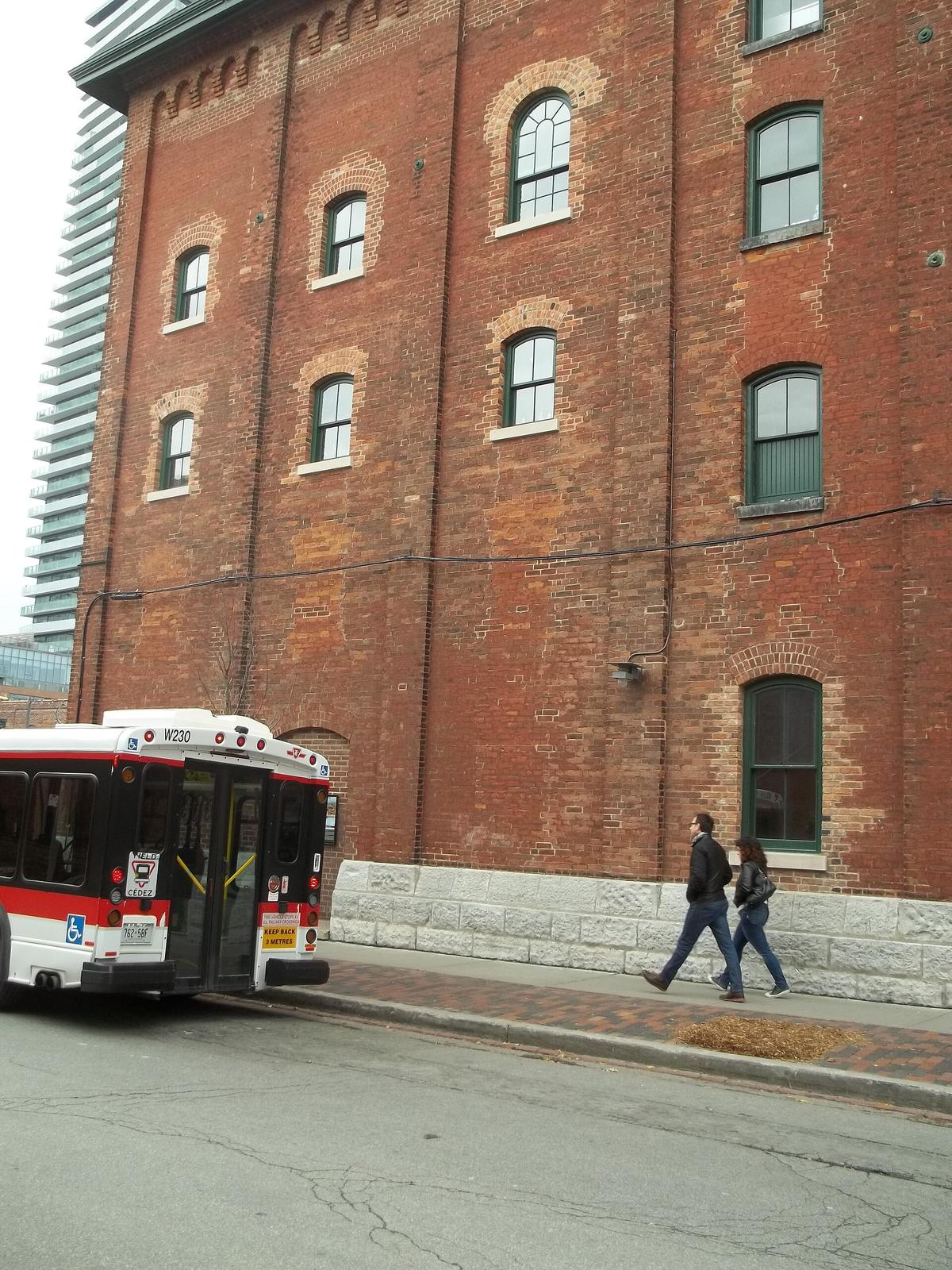
Two days in Toronto means you stay in the financial core. You see the CN Tower observation deck, booked ahead for peak sunset slots. You visit the Royal Ontario Museum with its crystal wing and 13 million objects. You walk the cobblestones of the Distillery District, a pedestrian only Victorian industrial complex. You eat at St. Lawrence Market. That version of Toronto is fine. It is also the most common mistake. Two days produces the sterile and soulless complaint because you never left the glass towers.
Four full days is the minimum. Here is how to allocate them. Day one: the central core. CN Tower, Ripley's Aquarium of Canada with its 5.7 million litre tank, and the Art Gallery of Ontario with the Gehry redesign and the Group of Seven collection. Book timed entry for the tower and aquarium during summer. Day two: Kensington Market, Chinatown on Spadina, and West Queen West. Walk Graffiti Alley, the legal street art corridor south of Queen West, free and quick. Day three: either the Toronto Islands, reached by ferry from Jack Layton Ferry Terminal, a full half day of cycling and beaches and skyline views, or Scarborough Bluffs by GO Train and bus for the white cliffs above Lake Ontario. Day four: a deep district. Pick one Scarborough for food, Little Jamaica for music and food, or the Aga Khan Museum for its Islamic art and architecture, worth the suburban trip.
Carry a transit day pass. Fill your schedule with food stops, not landmarks. The landmarks are secondary. The eating is primary.
_(15726105485).jpg)
| District | Character | Best For | Transit From Union Station |
|---|---|---|---|
| Downtown Core | Glass towers, business energy, dead evenings | CN Tower, theatre, sports at Scotiabank Arena | 0–15 min walk |
| Kensington Market | Chaotic Victorian streets, vintage, global food | Wandering, street food, Sunday pedestrian market | 15 min streetcar west |
| West Queen West | Boutiques, galleries, bars | Shopping, nightlife, the city's coolest strip | 15 min streetcar west |
| Chinatown/Spadina | Produce markets, late night Chinese dining | Cheap eats, herbs, dim sum | 10 min streetcar west |
| Danforth/Greektown | Family tavernas, patios, main street scale | Greek food, summer patios, relaxed evening | 20 min subway Line 2 east |
| Scarborough | Suburban vastness, Sri Lankan and Chinese food | Doubles, Hakka chili chicken, roti | 40+ min subway Line 2 east + bus |
| Little Jamaica/Eglinton West | Caribbean heritage, barrel smokers, music | Jerk chicken, patties, reggae shops | 25 min subway Line 1 north + bus |
| Distillery District | Pedestrian Victorian industrial precinct | Galleries, cafes, Christmas market | 15 min walk east |
Is Toronto Worth Visiting? the Honest Answer
Toronto is worth visiting if you understand what it asks of you. It asks for time. It asks for patience with public transport. It asks that you treat the suburbs as destinations, not dead zones. The payoff is a food landscape that exists nowhere else on earth because half the population was born elsewhere. The Tibetan momos in Parkdale, the Trinidadian doubles in Scarborough, the Hakka chili chicken in the eastern suburbs, the jerk chicken on Eglinton West, the butter tarts from a farmers market stall these are dishes that trace a direct line from a home kitchen in Kathmandu or Port of Spain or Kolkata to a Toronto storefront. No other Canadian city has that density of authentic immigrant cooking at street level.
Toronto is not worth visiting for a 48 hour weekend of landmark ticking. It is not worth visiting if you want to walk a compact historic core. It is not worth visiting if you dislike long travel times and car dependent sprawl. The city's blocks are long. The walking distances between neighbourhoods are routinely underestimated. The winter months from January to March are functional but bitter, with slushy sidewalks and little street life, though the city does not shut down. The summer humidity driven by Lake Ontario can push humidex values above 35. The Canadian National Exhibition in late August to Labour Day adds crowds to the waterfront and hotels.
For the traveller who plans trips around eating, who treats a neighbourhood as a destination, and who has four days to spend, Toronto is one of the best food cities in North America. For anyone else, it is a sprawling, expensive, frustratingly inconvenient city that will not meet you halfway. Know which one you are before you book the flight.
Common Questions
How many days do I need in Toronto?
Four full days is the minimum. Two days forces you to choose between the central core and the districts where the city actually lives. With four days you can cover the core, Kensington Market, Chinatown, the Toronto Islands or Scarborough Bluffs, and one deep district like Scarborough for food.
Is Toronto safe for tourists?
Toronto is a safe big city. Practise normal urban caution. The neighborhoods worth visiting Kensington Market, West Queen West, Leslieville are well trafficked. The PATH underground system is disorienting and closes evenings and weekends, so avoid relying on it at night.
What is the best time of year to visit Toronto?
May through October. May and June bring the best weather and major festivals like Hot Docs and Luminato. September has the Toronto International Film Festival. July and August are peak tourism with humid heat and patios. January through March is bitter with slushy sidewalks and little street life.
What is the common mistake first time visitors make in Toronto?
Staying only in the financial core and judging the city by its least interesting streets. Toronto's value is in its neighborhoods, and a downtown hotel without a plan to leave the core produces the most common complaint: that the city felt sterile and soulless.
How do I get from Toronto Pearson Airport to downtown?
Take the UP Express train to Union Station. It takes 25 minutes; the fare is set by Metrolinx, so check upexpress.com for the current price. A taxi or rideshare takes 35 to 60 minutes and charges a flat rate set by the operator. Billy Bishop Airport serves eastern Canada and the US northeast and connects to the foot of Bathurst Street via a free tunnel or 90 second ferry.
How do I pay for public transit in Toronto?
Buy a Presto card for a small purchase fee set by the TTC or tap a contactless credit or debit card. Use the Transit app for real time TTC data. Streetcars and buses do not announce every stop reliably, and east west surface routes can exceed 90 minutes in mixed traffic.
What is the tipping and tax situation in Toronto?
A 13 percent Harmonized Sales Tax applies to purchases. Tipping in restaurants is 15 to 20 percent on the pre tax total. Tap water is potable. For non emergencies call 311. For emergencies call 911.
Read next
-
 Toronto Hotels and What the Price Bands Actually Get You
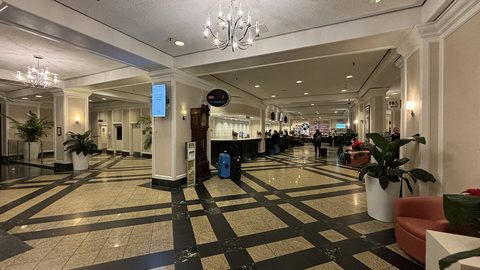
Toronto hotel prices cluster into bands that deliver distinctly different experiences, from suburban chain functionality to character-rich midrange spots in
Toronto Hotels and What the Price Bands Actually Get You
Toronto hotel prices cluster into bands that deliver distinctly different experiences, from suburban chain functionality to character-rich midrange spots in
-
 Where to Stay in Toronto and What Each District Costs You
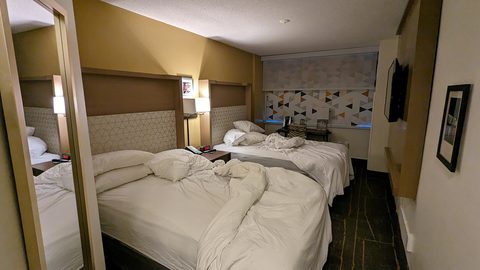
Where you stay in Toronto shapes everything about your trip. Each district comes with a tradeoff in transit time, street life, and what you can walk to after dinner.
Where to Stay in Toronto and What Each District Costs You
Where you stay in Toronto shapes everything about your trip. Each district comes with a tradeoff in transit time, street life, and what you can walk to after dinner.
-
 Flying Into Toronto Pearson or Billy Bishop and Getting Downtown
Flying into Toronto means choosing between Pearson and Billy Bishop. Here's how each airport works and how to get downtown from both.
Flying Into Toronto Pearson or Billy Bishop and Getting Downtown
Flying into Toronto means choosing between Pearson and Billy Bishop. Here's how each airport works and how to get downtown from both.
-
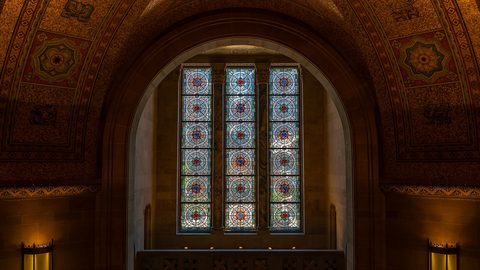 What to Do in Toronto Ordered by Whether It Is Worth the Time
Toronto's attractions compete for your limited days. Some earn their time cost, others don't. This ranks them by what you actually get for the hours you spend.
What to Do in Toronto Ordered by Whether It Is Worth the Time
Toronto's attractions compete for your limited days. Some earn their time cost, others don't. This ranks them by what you actually get for the hours you spend.
-
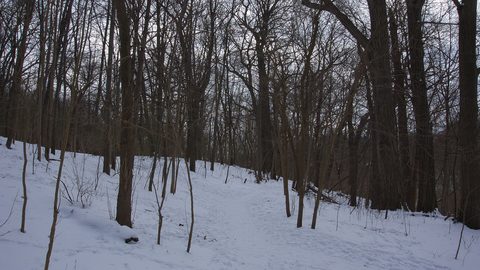 When to Visit Toronto and What Each Season Does to the City
Toronto shifts dramatically with the seasons, from festival-packed spring and fall shoulders to humid summer patios and bitter winter sidewalks that never
When to Visit Toronto and What Each Season Does to the City
Toronto shifts dramatically with the seasons, from festival-packed spring and fall shoulders to humid summer patios and bitter winter sidewalks that never
-
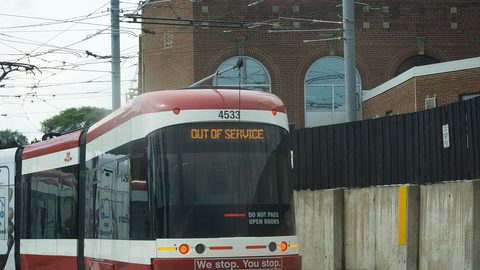 Getting Around Toronto Without Wasting Half Your Trip in Transit
Toronto's transit map looks simple but hides slow surface routes, a disorienting underground maze, and walking distances everyone underestimates.
Getting Around Toronto Without Wasting Half Your Trip in Transit
Toronto's transit map looks simple but hides slow surface routes, a disorienting underground maze, and walking distances everyone underestimates.
-
 Canada Travel Guide for First-Timers Who Have No Idea How Big It Is
Canada is the second-largest country on earth, and its vastness punishes anyone who mistakes it for a quick trip between iconic sights.
Canada Travel Guide for First-Timers Who Have No Idea How Big It Is
Canada is the second-largest country on earth, and its vastness punishes anyone who mistakes it for a quick trip between iconic sights.
-
 Staying Connected Across Canada Without Roaming Surprises
A mobile plan bought from Rogers in Toronto can trigger roaming charges the moment you cross into Manitoba. That is not a glitch. That is Canada.
Staying Connected Across Canada Without Roaming Surprises
A mobile plan bought from Rogers in Toronto can trigger roaming charges the moment you cross into Manitoba. That is not a glitch. That is Canada.
-
 When to Visit Canada and What Each Season Actually Delivers
Canada's reliable travel window runs June to September. Outside that, rural attractions close, daylight vanishes, and winter is aggressively extreme.
When to Visit Canada and What Each Season Actually Delivers
Canada's reliable travel window runs June to September. Outside that, rural attractions close, daylight vanishes, and winter is aggressively extreme.