Italy, Beyond the Polished Fantasy
Italy delivers overwhelming cultural density, but the trip is more physically demanding and administratively fiddly than first-timers expect.
- Flag
-

- ISO code
- IT
- Population
- 60,431,283
- Currency
- EUR
- Dial code
- +39
Italy delivers overwhelming cultural density, but the trip is more physically demanding and administratively fiddly than first timers expect. Heat, cobblestones, stairs, queueing, and rigid ticketing form the real Italian welcome. The gap between the polished fantasy and the crowded, strike prone, rule bound reality is the main thing that surprises people. This italy travel guide frames the destination honestly. The cultural density is real. So are the physical demands, the administrative friction, and the gap between Instagram Italy and the strike prone, queue heavy reality. Three things hit hardest: municipal fees that arrive months after you leave, eating hours that punish the early bird, and a ticket system that treats spontaneity as a mistake. If you understand those patterns before you arrive, you will not waste time, lose money, or spend an afternoon standing outside a museum with no ticket.
- Capital: Rome
- Population: Approximately 58.97 million (ISTAT, 2024 estimate)
- Area: 302,073 km²
- Official Language: Italian
- Currency: Euro (EUR)
- Schengen Area Member: Yes
- Emergency Number: 112
- Minimum Recommended Stay: 10 days (first multi-region trip)
- Peak Season: April, June, September, October
Italy Trip Planning: the Shocks That Arrive by Post
The ZTL Fine That Follows You Home
The first shock comes in an envelope. Months after you drive through an archway in Florence, a fine from the municipality arrives for entering a ZTL (Zona a Traffico Limitato). Nearly every historic centre in Italy operates these limited traffic zones, enforced by cameras that photograph your licence plate. The fine range varies by municipality, and it is posted to the registered keeper of the vehicle. If you rented a car, the rental company passes your details to the municipality and charges a handling fee on top. Do not drive into any historic centre that shows a ZTL sign unless your accommodation is inside the zone and you have pre registered the plate with the local police. Even then, the window for unloading luggage is narrow. Park outside the walls. Walk or take a taxi.
The Coperto on Every Table
The second shock hits the restaurant bill. Every meal includes a line called coperto, a per person cover and bread charge that runs from €1 to €4. It is legal. It is normal. It is not a tip. The bill may also list servizio, a service charge that varies by establishment. Tipping is not required. Rounding up or leaving small change is common. Do not confuse coperto with a tax on tourists. It applies to everyone, including Italians eating at the same table.
The Tourist Tax at Checkout
The third shock is the tourist tax. Italy municipalities levy a per person, per night tax on accommodation. The rate varies by city, accommodation category, and season. The tax is added at checkout, not included in the displayed room rate. Children under a set age are exempt, but the threshold changes by city. Budget for this line item when you price your trip. A 10 night trip for two people can add an extra sum you will not see on the booking page. Check the municipal website for the current rate before you book.
Italy First Time Advice: Ticketing, Closures, and the August Exodus
Book Every Major Sight in Advance
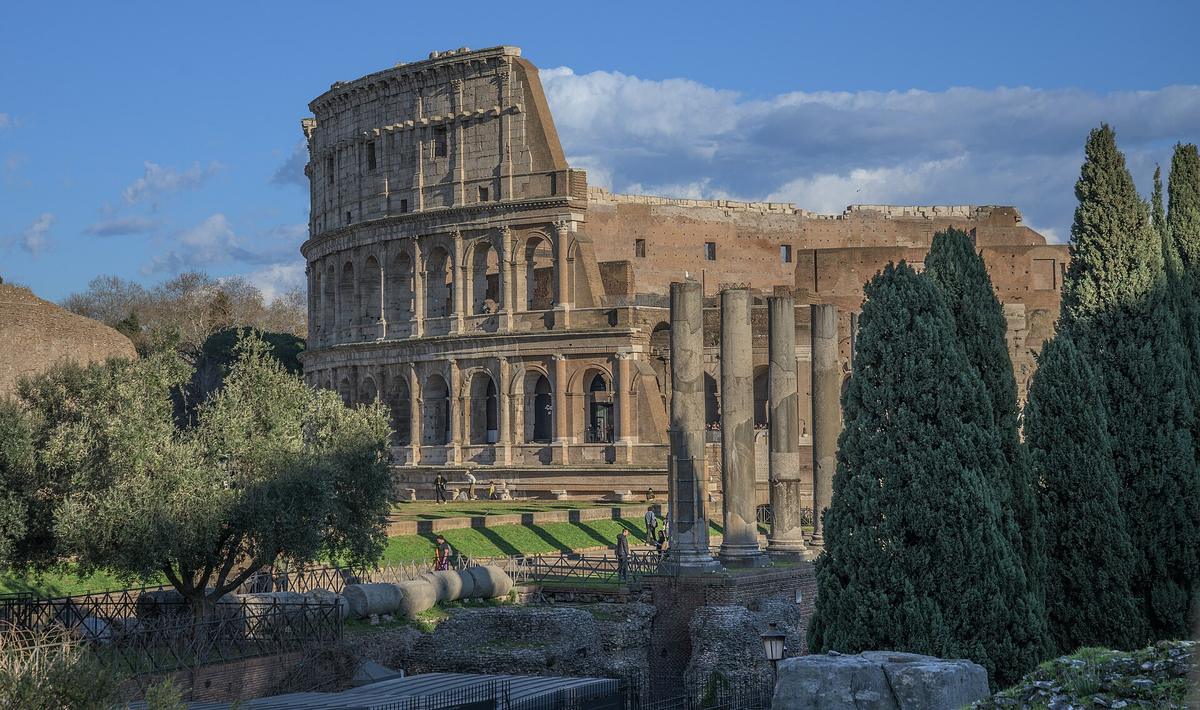
Major sights in Italy now require timed entry tickets. Showing up at the Colosseum without a booking means no entry. The Uffizi, the Accademia, the Vatican Museums, the Last Supper, and Pompeii all operate the same system. Book the Colosseum days ahead. Book the Vatican Museums for the first morning slot. Book the Last Supper weeks ahead. St Peter's Basilica is free, but the security queue builds early and moves slowly.
Strikes and Train Rules
Italian strikes affect trains, ferries, and local transport with little notice. Trenitalia and Italo apps provide live platform and strike updates. Regional trains do not have reserved seats, which means you can board any service with a valid ticket, but you must validate the paper ticket in the green machines before boarding or you risk a fine. High speed trains require seat reservations. Platform gates close before departure. Miss the gate and you forfeit the ticket.
Why August Is a Bad Idea
Mid July to late August is the period to avoid on the coast and in major cities. Extreme heat, peak crowds, and the Ferragosto holiday on 15 August mean many family run businesses close for parts of the month. The August exodus empties Milan, Rome, and Florence of locals and fills them with day trippers. Restaurants that stay open serve tourist menus. Independent shops put up handwritten signs: Chiuso per ferie. Travel in the shoulder seasons: April to May and late September to October. You will eat well, see empty galleries, and walk uncrowded streets.
Italy ZTL Driving Rules and the Real Cost of a Car
The ZTL scheme is not optional. Driving into a ZTL triggers a camera enforced fine that arrives by post months after the entry. The fine range varies by municipality. Rental companies charge a handling fee for forwarding the notice. You cannot appeal by claiming you did not see the sign. The signs are small, low, and easy to miss when you are navigating unfamiliar one way streets.
If you drive in Italy, know the speed limits: 130 km/h on motorways, 90 km/h on main roads outside built up areas, 50 km/h in urban areas. The blood alcohol limit is 0.5 g/L for experienced drivers and 0.0 g/L for new and professional drivers. An International Driving Permit is required for non EU licence holders unless a bilateral agreement covers your country. EU and EEA licences are accepted.
Park outside any walled city and walk or take a taxi into the centre. Florence, Siena, Lucca, Bologna, Padua, Verona, and dozens of smaller towns all operate ZTLs. The same applies to the Amalfi Coast and Cinque Terre, where driving is slow, parking is scarce, and the roads are narrow. Arrive at the Dolomites Tre Cime before 9am in summer or you queue for a parking spot. On the Amalfi Coast, arrive by ferry, not car.
| Item | What To Expect | Detail |
|---|---|---|
| Tourist tax | €1–€10 per person, per night | Levied by municipality; varies by city, category, season; added at checkout. |
| Coperto (cover charge) | €1–€4 per person | Per person bread and cover charge on every restaurant bill; not a tip. |
| ZTL fine | Varies by municipality, plus fees | Camera enforced; posted to registered keeper months after entry. |
| High speed train Rome–Florence | About 1 hour 30 minutes | Requires seat reservation; platform gates close before departure. |
| Rome Fiumicino to Termini | 32 minutes (Leonardo Express) | Regional FL1 train to Termini costs less. Check Trenitalia for current fares. |
| Venice access fee (selected dates) | Per day visitor, varies annually | Applies to day visitors not staying overnight; collected by Comune di Venezia. |


.jpeg)
Italy Tourist Tax and the Administrative Pattern
Italy tourist tax is not one fixed fee. It is a municipal levy. Rome sets its own rate, Florence sets another, Venice sets a third. The range across the country is €1 to €10 per person per night. You pay it at checkout, not on the booking page. Budget for it: a family of four staying six nights in three different cities could pay extra money that the room rate did not show. Check each city's official tourist tax page before you book.
Public toilets in Italian cities are scarce and often paid. Carry coins. Pharmacies, identified by a green cross, rotate night and holiday duty. Church dress code requires shoulders and knees covered in major churches. Tap water is potable nationwide, but restaurants do not serve it automatically. Bottled water is the norm. Bread on the table is not free: it is part of the coperto.
The pattern of friction is municipal rather than national. Each city runs its own ZTL, sets its own tourist tax, enforces its own pedestrian zones, and applies its own local museum reservation rules. There is no single Italian system to learn. You adapt from city to city. That is the nature of a country with 20 regions, 5 autonomous regions, and 60 UNESCO World Heritage Sites.
Who Italy Suits and Who it Does Not
Italy suits first time Europe travellers who want art and food, slow travellers happy to spend weeks across regions, food focused travellers, art and ancient history obsessives, and road trippers comfortable with aggressive driving and ZTL rules. Italy does not suit travellers wanting a cheap, low effort beach or city break, anyone needing predictable schedules or step free access, visitors who dislike crowds, queues, or advance planning, and those expecting spontaneous access to major sights in high season.
Frequently Asked Questions
What is a ZTL and how do I avoid fines?
A ZTL is a limited traffic zone in Italian city centres, enforced by cameras that photograph your licence plate. Do not drive into a ZTL unless your accommodation is inside and you have pre registered the plate with the local police. Park outside the historic centre and walk or take a taxi. Fines vary by municipality plus administrative fees and arrive by post months later.
What is the coperto on a restaurant bill?
Coperto is a per person cover and bread charge, usually €1 to €4 per person. It is legal and normal. It is not a tip. The bill may also list servizio, a service charge. Tipping is not required; rounding up or leaving small change is standard.
How does the tourist tax work?
Municipalities levy a per person, per night tax on accommodation. The rate varies by city, accommodation category, and season. It is added at checkout. Children under a set age are exempt, but the threshold changes by city. Check the official municipal website for current rates.
Do I need to book museum tickets in advance?
Yes. Major sights like the Colosseum, Uffizi, Accademia, Vatican Museums, Last Supper, and Pompeii require timed entry tickets booked days or weeks ahead. Showing up without a booking usually means no entry. St Peter's Basilica is free but has a security queue.
What is Ferragosto and why does it matter?
Ferragosto is 15 August, the peak of the Italian domestic holiday period. Many family run businesses, restaurants, and shops close for parts of August, especially around this date. Cities empty of locals and fill with tourists. Avoid mid July to late August if you want open businesses and manageable crowds.
What happens when trains strike?
Strikes affect trains, ferries, and local transport with little notice. Use the Trenitalia and Italo apps for live platform and strike updates. Regional trains have no reserved seats, so you can board another service with the same ticket. High speed trains require seat reservations and you forfeit the ticket if you miss the platform gate.
How many days should I plan for a first trip?
Minimum 10 days: enough for Rome plus one northern or southern region without turning the trip into a checklist sprint. A city only trip to Rome, Florence, and Venice needs 7 to 10 days. Do not try to cover Rome, Florence, Venice, Cinque Terre, Amalfi Coast, and Sicily in 10 days.
Read next
-
 Staying Connected in Italy With eSIM, Local SIM or Roaming
eSIM, local SIM, or roaming: which keeps you connected across Italy's cities, hill towns, and coastal dead zones, and what each path actually requires.
Staying Connected in Italy With eSIM, Local SIM or Roaming
eSIM, local SIM, or roaming: which keeps you connected across Italy's cities, hill towns, and coastal dead zones, and what each path actually requires.
-
 Best Time to Visit Italy and What Each Season Actually Delivers
When to go to Italy and what each season actually delivers: weather, crowds, closures, and the dates that spike hotel prices.
Best Time to Visit Italy and What Each Season Actually Delivers
When to go to Italy and what each season actually delivers: weather, crowds, closures, and the dates that spike hotel prices.
-
 Getting Around Italy by Train, Car and Ferry Without the Common Mistakes
How to move around Italy by train, car, and ferry, and what the map oversells. The real friction points of Italian transport.
Getting Around Italy by Train, Car and Ferry Without the Common Mistakes
How to move around Italy by train, car, and ferry, and what the map oversells. The real friction points of Italian transport.
-
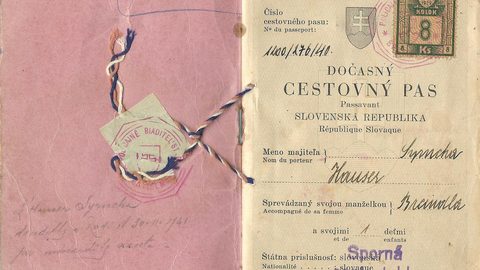 Italy Visa Requirements for Tourists and the Schengen Rules
Who needs a visa for Italy, who does not, and how the Schengen 90/180-day rule applies. A clear breakdown of entry requirements for tourists.
Italy Visa Requirements for Tourists and the Schengen Rules
Who needs a visa for Italy, who does not, and how the Schengen 90/180-day rule applies. A clear breakdown of entry requirements for tourists.
-
 Cash or Card in Italy, How You Will Actually Pay for Things
How to pay for things in Italy: when to use cash, when cards work, and what the coperto and tourist tax add to every bill.
Cash or Card in Italy, How You Will Actually Pay for Things
How to pay for things in Italy: when to use cash, when cards work, and what the coperto and tourist tax add to every bill.
-
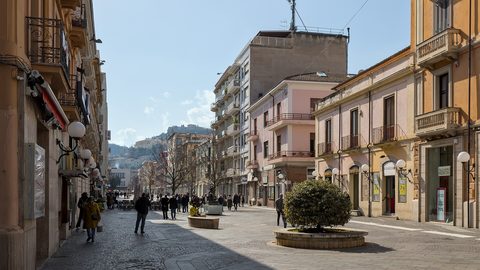 Is Italy Safe, Reading the Advice Without Being Misled by It
Is Italy safe? The real risks for tourists, stripped of exaggeration: pickpocketing on the Rome Metro, bracelet scams in Milan, and how to handle them.
Is Italy Safe, Reading the Advice Without Being Misled by It
Is Italy safe? The real risks for tourists, stripped of exaggeration: pickpocketing on the Rome Metro, bracelet scams in Milan, and how to handle them.
-
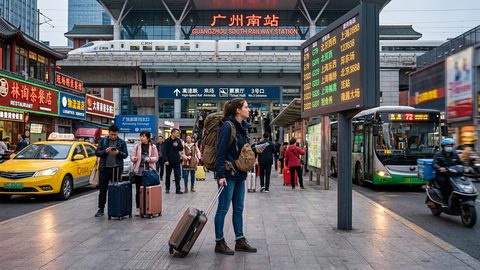 A Ground-Level Logistics Guide to Independent Travel in China
First-time independent travel in China: what you need to know about visas, rail booking, eSIMs, mobile payments, and power adapters.
A Ground-Level Logistics Guide to Independent Travel in China
First-time independent travel in China: what you need to know about visas, rail booking, eSIMs, mobile payments, and power adapters.
-
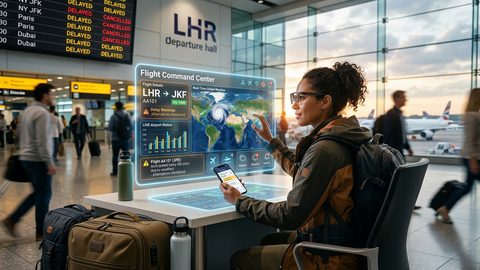 How Solo Travelers Stay Ahead of Flight Delays and Cancellations
How solo travelers can track inbound aircraft, claim rebooking rights, and adjust ground transport when flights go wrong — step by step.
How Solo Travelers Stay Ahead of Flight Delays and Cancellations
How solo travelers can track inbound aircraft, claim rebooking rights, and adjust ground transport when flights go wrong — step by step.
-
 Why Your eSIM Might Not Work Abroad and How to Check Before You Go
Buying an eSIM doesn't guarantee signal abroad. Learn why coverage fails by location and how to verify reach before you commit to a plan.
Why Your eSIM Might Not Work Abroad and How to Check Before You Go
Buying an eSIM doesn't guarantee signal abroad. Learn why coverage fails by location and how to verify reach before you commit to a plan.