Choosing the Best eSIM for USA Travel and Staying Connected
Prepaid eSIMs work well in US cities, but a physical T-Mobile or AT&T SIM bought at arrival gives better rural coverage for national parks and long highway drives.
Mobile Data and Connectivity for Your United States Trip
The single most useful fact about staying connected in the United States is this: the search for the best esim for usa travel resolves into a structural choice between a prepaid eSIM from Airalo or Holafly for instant activation and a physical US SIM from T-Mobile or AT&T bought at an airport or a big-box store for superior rural signal. Neither option wins outright. The tradeoff is activation speed versus reach. Which one matters more depends entirely on where you drive.
How Mobile Coverage Works in the United States
The United States is not one system. Three national operators dominate: AT&T, T-Mobile, and Verizon. Verizon has the strongest rural reputation, though AT&T runs close. T-Mobile leads in urban 5G density but drops signal faster once you leave a metro area. All three have shut down their 2G and 3G services, so your device needs 4G LTE or 5G capability. 4G LTE is extensive in urban and suburban zones but patchy in remote rural areas. 5G is widespread in cities and along major highways yet limited in rural stretches. Low-band 5G (600-900 MHz) travels farther than mid-band (2.5-3.7 GHz), while mmWave (24-39 GHz) stays confined to dense urban cores and select venues.

The Real Decision: ESIM Versus Physical SIM
Why Choose An ESIM
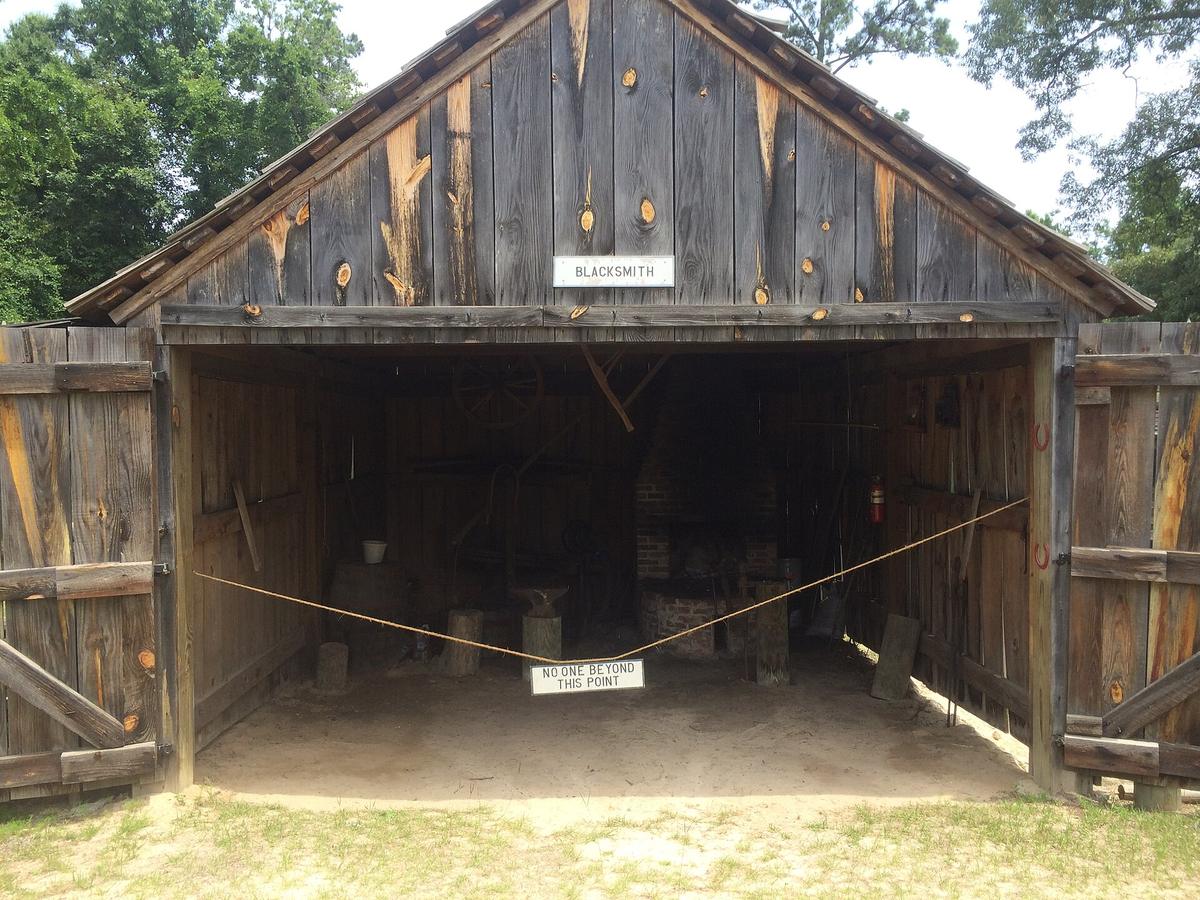
An eSIM from Airalo or Holafly activates in minutes through a QR code or an app. You install it before you leave or from an airport lounge. No ID, no store visit, no US address required. This is the fastest path to data for the first 48 hours and works well in every major city along the Northeast Corridor, Pacific Coast, and the South.
The downside: eSIMs ride on one provider. If that provider has a dead zone, you have no fallback. Airalo and Holafly both offer Verizon-based and T-Mobile-based options, but picking the wrong one for a route through the Rocky Mountain West, the Great Plains, or the Southwest Deserts leaves you without signal for hours.
Why A Physical SIM Still Wins In The Backcountry
A physical prepaid SIM from T-Mobile, AT&T, or Verizon requires a government-issued photo ID (a passport works), and some providers ask for a US-based address. You buy them at retail stores, electronics retailers such as Best Buy, Target, or Walmart, airport vending machines, kiosks, or convenience stores. The activation process takes 15 to 30 minutes, but the choice of provider is yours and you can hold the card in your hand. Prepaid plans run on 30-day cycles. No contract is required.
If your phone is a US-model iPhone 14 or later, there is no physical SIM slot at all. Those models ship eSIM-only. That eliminates the physical SIM option for that device and makes Airalo or Holafly your only prepaid path unless you switch to a postpaid account. Most Android models support both eSIM and physical SIM and allow dual SIM operation, which lets you keep your home number active on a physical SIM while running US data on an eSIM.
USA Prepaid SIM Card for Tourists: What You Need to Know
A USA prepaid SIM card for tourists is essentially the same product a resident buys: a prepaid plan on a national provider. The difference is the registration requirement. You must provide your name and a valid address. Some companies accept a hotel address. Others reject it and demand a US residential address. If you arrive without a confirmed address, stick to AT&T or T-Mobile prepaid sold at airport kiosks, where staff handle foreign registrations daily.
Avoid postpaid plans during a trip. They require a credit check, a Social Security number, or a large deposit. Prepaid plans cost nothing up front beyond the plan itself and carry no contract termination risk.
If your trip is 14 days or fewer, a 30-day prepaid plan leaves you paying for unused days. That is the standard prepaid duration on all major providers. There is no short-term prepaid option. Factor the extra cost into your budget or accept that you are paying for convenience.
Mobile Coverage in US National Parks
Where Signal Dies
Mobile reception in US national parks is the single biggest pain point for a road trip through the United States. Visitor centers and towns at park entrances have signal. The rest does not. Grand Canyon South Rim has patchy service at the rim and nothing below it. Yellowstone has limited reception around Old Faithful and Mammoth Hot Springs but dead zones across the interior. Yosemite Valley has signal near the village and loses it everywhere else. Great Smoky Mountains, the most visited park, is traffic-choked and free to enter but has deep signal gaps on its hiking trails. Zion Canyon runs a shuttle system inside the canyon; the shuttle route has spotty service and Angel's Landing, which requires a permit lottery, has none. Denali in Alaska has one road and bus-only access past Mile 15; signal stops before that bus stop.
Pick The Right Provider For Parks
Your choice of provider matters here. Verizon reaches farther into remote park corners than T-Mobile. AT&T is close behind. If you plan to spend days in the Rocky Mountain West, the Southwest Deserts, or the Great Plains, buy a physical Verizon or AT&T SIM rather than relying on an Airalo or Holafly eSIM that may route through T-Mobile.
Download Before You Drive
The non negotiable step: download offline maps before you leave any town with Wi Fi. Google Maps, Apple Maps, and Gaia GPS all allow offline downloads of entire state sized regions. Do this for the Mountain West, the Great Plains, and the Southwest Deserts before you start the drive. Also download the park specific app for each national park you plan to enter. The National Park Service apps contain trail maps, restroom locations, and emergency contact numbers that work offline. Do not assume you can download them at the park gate.
Airalo vs Holafly United States: Which Should You Pick
The Airalo vs Holafly United States question comes down to data allowance and which provider you ride on. Airalo offers tiered data packages on T-Mobile, AT&T, and Verizon. You select the provider when you purchase. Holafly offers unlimited data on a single provider for a fixed number of days, but the unlimited data slows after a certain threshold in most plans. Both use eSIM activation and work on any unlocked device that supports eSIM.
For a trip that stays in cities or follows the Interstate highway system, either works. For a trip that enters national parks or crosses the Mountain West, choose the Airalo plan that explicitly states it uses the Verizon network. Holafly's single-provider option is less transparent about which company it uses, and customer support is not always able to confirm it before purchase.
The downside of both: if your device stops working, you troubleshoot through an app or email. There is no store to walk into. A physical SIM from a provider has a store with a person who can swap SIMs or check settings. That is the tradeoff between instant activation and on the ground support.
Wi Fi Availability America Road Trip: What You Can Rely on
The Wi Fi Trap
Wi Fi availability on an America road trip is deceptive. Chain hotels and coffee shops have free Wi Fi that works reliably in their buildings. That is where the reliable connectivity ends. Free Wi Fi is useless on a five hour empty highway drive through the Great Plains, across the Southwest Deserts, or between national parks in the Rocky Mountain West. It will not help you navigate, check road conditions for winter storms, or find the next open gas station.
The Wireless Emergency Alerts system broadcasts emergency weather notices to compatible devices regardless of your provider, but your device must be connected to a mobile network to receive them. Without a live SIM or eSIM, you do not get those alerts. Do not plan to rely on Wi Fi alone for safety during a road trip.
Water And Restrooms On The Road
Tap water is safe to drink everywhere in the United States except parts of the rural Southwest and Plains where it tastes strongly of minerals or sulphur. Carry a reusable bottle and fill it at hotel sinks or rest stops. Do not count on finding public restrooms at every stop. In most cities, you are expected to buy something at a cafe to use its restroom. Gas stations along highways are the most reliable restroom resource, but they can be 50 to 100 miles apart on some stretches of the Great Plains and Mountain West.

Coverage Drop Zones and Emergency Preparation
Where The Signal Goes Dark
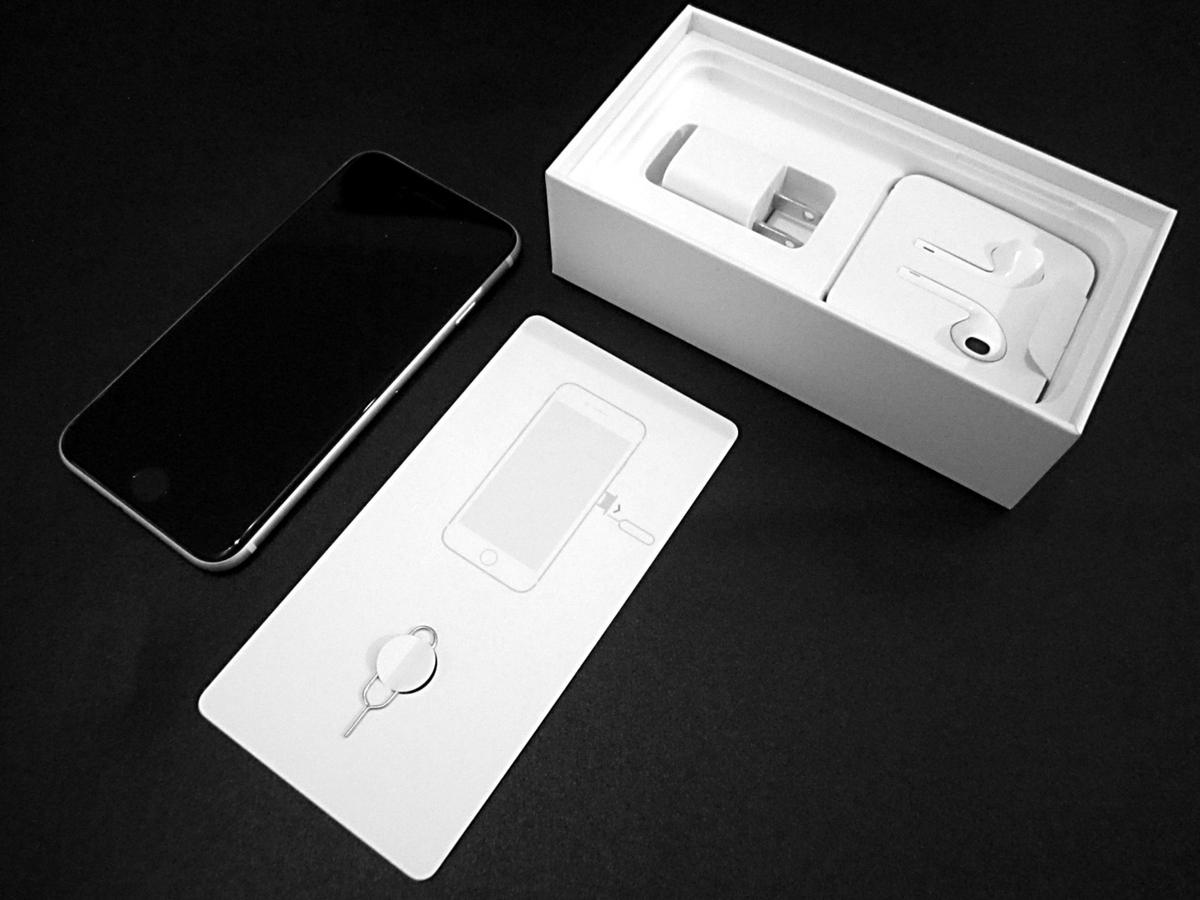
Coverage drop zones in the United States are large and predictable. They include large areas of Alaska outside towns, remote parts of the Rocky Mountains, desert regions of the Southwest, deep canyons, national parks away from visitor centers, the rural Great Plains, parts of northern Maine, and sections of the Appalachian Trail. Hawaii has good service on populated islands but gaps in remote valleys and on some trails. Puerto Rico and the US Virgin Islands are included in domestic plans of major US providers. Guam is served by local companies and some US plans with roaming. American Samoa has limited service and is not included in standard US domestic plans.
Emergency Options When Towers Fail
Emergency calls to 911 work without any SIM card on any compatible device that can reach a tower, regardless of whether you have an active plan. iPhone 14 and later models offer satellite SOS messaging through the Globalstar network. Some Google Pixel models offer similar satellite SOS capability. The satellite area includes the United States, Alaska, Hawaii, and Puerto Rico. The FCC publishes data by provider and technology through its broadband map annually. The national broadband plan includes infrastructure funding that may expand rural service, but that is a multi year timeline and does not help you on this trip.
Winter storms in the Northeast and Midwest can cause cell tower outages. Hurricanes on the Gulf and Atlantic coasts from June through November disrupt service. Wildfires in the West during summer and fall damage infrastructure. Towers may lose service within hours if backup power depletes. If you travel during these seasons, carry a paper map of the regions you will drive through. Do not assume your phone will have signal to guide you around a storm diversion or a wildfire evacuation route.
Roaming Near Borders and Dual SIM Considerations
Roaming on Canadian and Mexican networks near borders is possible but problematic. Your US device may latch onto a foreign network unexpectedly, triggering roaming charges or losing connectivity. Manual network selection on your device prevents this. Set your device to choose networks automatically only after you have confirmed you are inside US territory.
Dual SIM capability is standard on recent US iPhones, which support eSIM plus eSIM. Many Android models support eSIM plus physical SIM. Use this to keep your home number active on your physical SIM while running US data on the eSIM. This allows Wi Fi calling and RCS messaging on your home number through the US data connection. All major US providers support Wi Fi calling and RCS messaging. Turn off data roaming on your home SIM to avoid international data charges from your home operator.
If your phone is locked to a non US network, the device will not accept a US SIM or eSIM unless the operator has unlocked it. FCC policy requires US companies to unlock devices after contract or payment conditions are met, but that policy does not apply to operators outside the United States. Check your phone's unlock status before your trip. A locked phone means you must buy a short term local SIM in the US from a company that can provision a locked device, which is rare. Most locked phones can only use the operator they are locked to, which for international visitors means no US service at all.
Carrier Lock Policies and Device Compatibility
SIM lock policy in the United States varies by company. Locked devices are common on postpaid plans. Prepaid devices may be locked for a set period, often 60 days to 12 months, before the provider must unlock them. If you buy a prepaid phone at Walmart or Target during your trip, it will likely be locked to the company that sold it and will not accept a SIM from another provider during your trip. Buy a SIM only, not a phone.
eSIM only iPhone models sold in the US start with the iPhone 14 series. Those models have no physical SIM slot. If you own one of these phones, your only prepaid option in the US is an eSIM from an MVNO or a major provider. A physical SIM slot is available on most Android models and on older US iPhones. If you plan to use a physical SIM, bring a phone with the slot or buy one abroad before you arrive.
MVNOs operating on national networks include Mint Mobile (T Mobile), Visible (Verizon), Cricket Wireless (AT&T), Metro by T Mobile (T Mobile), and Boost Mobile (multiple networks). These offer cheaper prepaid plans than the big three but slower data speeds during congestion, lower priority on the network, and sometimes fewer international roaming features. For a short trip, an MVNO works if you stay in cities. For rural driving, stick with the primary operator.
What to Do Next
You have one decision to make before you board. If your phone is an iPhone 14 or later sold in the US, your only option is an eSIM, and you should buy an Airalo plan on the Verizon network before you leave. Download offline maps for every state you plan to drive through, including the Mountain West, the Great Plains, the Southwest Deserts, and any national park you plan to visit. Install the National Park Service app for each park on your itinerary. That preparation takes 20 minutes and saves you from driving across Wyoming or Nevada with no signal and no map. Do it before you leave home, not after you land.
Common Questions
Can I use an eSIM from Airalo or Holafly in any phone?
Any unlocked phone that supports eSIM and runs a compatible OS version will accept an eSIM from Airalo or Holafly. Check the manufacturer specifications for eSIM support before you buy. A phone locked to a non US network will not accept a foreign eSIM unless the operator has unlocked it.
Do I need an International Driving Permit to rent a car in the US?
A valid home country driving licence is accepted at most rental agencies if it is printed in English. An International Driving Permit is recommended if your licence is not in English. You also need a credit card to rent a car.
How do I get signal in national parks if I have no mobile coverage?
Download offline maps for the whole region before you leave the last town with Wi Fi. Also download the official National Park Service app for each park you plan to visit. Satellite SOS messaging on iPhone 14 and later models is available for emergencies but not for navigation.
Is Wi Fi reliable enough to navigate during a road trip?
No. Free Wi Fi in chain hotels and coffee shops is reliable inside those buildings. It is useless on the highway between cities, which is precisely where you need navigation and road condition updates. You need a live cellular data connection or offline maps.
What is the fastest way to get mobile data when I land at a US airport?
Install an Airalo or Holafly eSIM before you board your flight. Activate it when the plane lands. That gives you data within two minutes of touching down. If you prefer a physical SIM, buy one from a kiosk or provider store inside the arrivals hall of major airports such as JFK, LAX, ORD, MIA, SFO, or DFW.
Read next
-

 Best Time to Visit the United States by Region and Season
The United States spans so many climates that no single season works everywhere. Here is what each region delivers, and when to stay away.
Best Time to Visit the United States by Region and Season
The United States spans so many climates that no single season works everywhere. Here is what each region delivers, and when to stay away.
-
 Getting Around the United States Without Underestimating the Distances
Outside the Northeast Corridor, the United States runs on cars and domestic flights. Distances are enormous and Amtrak is scenic but slow.
Getting Around the United States Without Underestimating the Distances
Outside the Northeast Corridor, the United States runs on cars and domestic flights. Distances are enormous and Amtrak is scenic but slow.
-
 United States Visa Rules and the ESTA Process Explained Simply
Most visitors to the United States need either an ESTA authorization or a B-2 tourist visa. Here is who needs which and how the process runs.
United States Visa Rules and the ESTA Process Explained Simply
Most visitors to the United States need either an ESTA authorization or a B-2 tourist visa. Here is who needs which and how the process runs.
-
 Money in the United States, Cards, Cash, Tipping and That Extra Tax
The United States runs on cards, but sales tax is added at the register and tipping 18-22% is effectively mandatory. Here is how money actually works.
Money in the United States, Cards, Cash, Tipping and That Extra Tax
The United States runs on cards, but sales tax is added at the register and tipping 18-22% is effectively mandatory. Here is how money actually works.
-
 Reading United States Safety Advice Without Being Misled by It
Safety in the United States is hyperlocal, and the visible poverty in public spaces can jar first-timers. Here is how to read the advice without being misled.
Reading United States Safety Advice Without Being Misled by It
Safety in the United States is hyperlocal, and the visible poverty in public spaces can jar first-timers. Here is how to read the advice without being misled.
-
 What It Costs to Travel Across the United States Without Blowing Your Budget
How a United States trip budget is shaped by the non-negotiable cost of a car, the tipping layer on every meal, and sales tax that appears only at the register.
What It Costs to Travel Across the United States Without Blowing Your Budget
How a United States trip budget is shaped by the non-negotiable cost of a car, the tipping layer on every meal, and sales tax that appears only at the register.
-
 Nevada
 is a state of extreme contrasts: the 24-hour artificial fantasy of the Las Vegas Strip gives way to vast, silent desert where services vanish and the
Nevada
Nevada is a state of extreme contrasts: the 24-hour artificial fantasy of the Las Vegas Strip gives way to vast, silent desert where services vanish and the
-
 Maryland
 is built around the Chesapeake Bay, where steamed crabs and slow ferries set the pace and the two shores are close on a map but far apart by road.
Maryland
Maryland is built around the Chesapeake Bay, where steamed crabs and slow ferries set the pace and the two shores are close on a map but far apart by road.
-
 California
Eight hundred miles of desert, alpine range, and temperate coast in one state. The season that suits one part rules out another.
California
Eight hundred miles of desert, alpine range, and temperate coast in one state. The season that suits one part rules out another.