Is India Safe for Tourists in Practice?
India safety advice swings between alarm and reassurance. Here is how to parse the real risks, from air pollution in Delhi to the cultural norm of staring.
How to Read Safety Advice About India and What it Actually Means on the Ground
is India safe for tourists decisions depend on the route, season and traveller's actual requirements.
is India safe for tourists
You step out of Delhi airport at 2 AM. The heat hits. The noise hits. Three men offer you a taxi, a SIM card, and a hotel room before you have walked ten metres. Your phone has no signal. You have read twenty forum threads saying India is dangerous and ten blog posts saying it is perfectly fine. Neither is useful. The real question, is India safe for travellers, cannot be answered with a yes or no. You need to read the advice, understand what it actually describes, and know which risks are real and which are exaggerated.
What the Horror Stories and the Reassurances Both Get Wrong
India generates extreme safety narratives because it is extreme. The density of people, the noise, the lack of personal space, and the visible poverty overwhelm first-time visitors. A stare that lasts thirty seconds feels aggressive, but in India staring is culturally acceptable and not considered rude. A tout who follows you for three blocks feels threatening. Persistent touts at major monuments, railway stations, and markets are a predictable friction, not a danger. The horror story writer mistakes discomfort for threat. The reassurer, meanwhile, ignores real problems: the choking smog in Delhi from October to January that hits 20 to 30 times the WHO safe limit, the road fatality rate of roughly 150,000 deaths per year, and the foodborne illness risk that is genuinely high. Neither account helps you plan.

India Solo Female Travel Safety: What the Advice Actually Means on the Ground
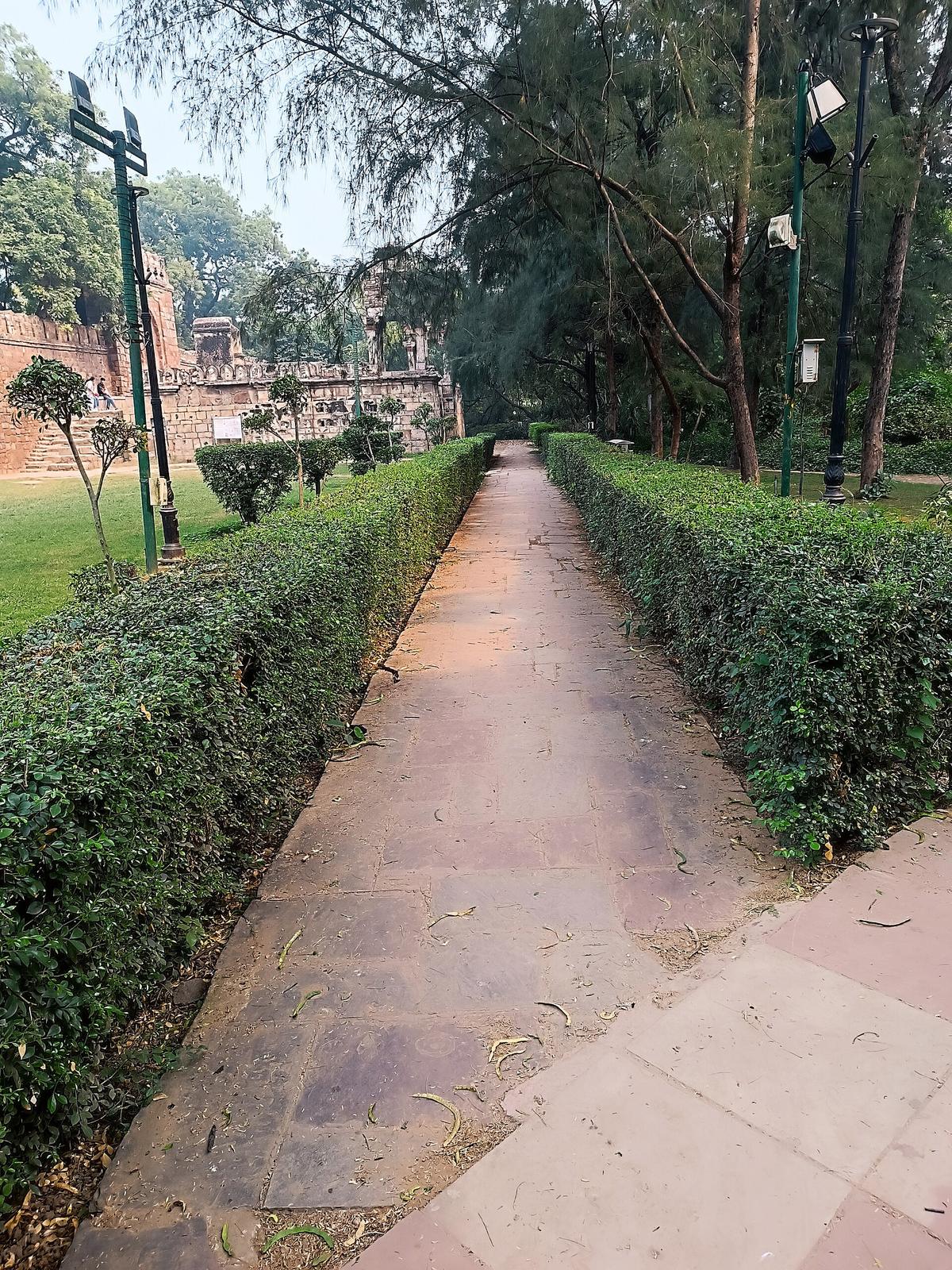
Advice for solo women travellers in India is written in extremes: either it is impossible or it is fine if you are street-smart. The ground reality sits between them. Public staring is constant. Public display of affection attracts unwanted attention, especially outside major cities. Conservative dress is expected at religious sites and in rural areas. None of this means you should not go. It means you need specific precautions.
Before You Arrive
Register with your country's travel advisory service so you receive security alerts. Save the national emergency number 112 and the tourist helpline 1364, which operates in Hindi and English. Book accommodation in well-reviewed mid-range hotels for the first few nights; they provide a base to adjust before you navigate budget options.
On The Ground
Use women-only transport where it exists: women-only compartments on metro trains and some suburban trains, women-only seats on city buses, and women-only auto-rickshaw and taxi services in some cities. Avoid walking alone after dark in quiet areas, including residential streets and poorly lit market lanes. Ride-hailing apps like Uber and Ola are operational in major cities and some tier-2 cities; use them rather than hailing a taxi on the street. If you take an auto-rickshaw, use prepaid booths at railway stations and airports.
If Something Goes Wrong
Dial 112 for police, ambulance, or fire. The women's helpline 181 exists nationally, though implementation varies by state. Dedicated tourist police units operate in Delhi, Goa, Kerala, Rajasthan, and Uttar Pradesh. For non-urgent issues, the tourist helpline 1364 connects you to English-speaking operators. Carry a local SIM card. Airtel or Jio require your passport, visa, and a passport photo; activation takes 2 to 24 hours. An active phone with data is your primary safety tool.
India Common Scams: the Real Ones, Not the Internet Legends
The most common scams in India are not elaborate. They are the same few plays repeated across every tourist site. The first is the overcharge: an auto-rickshaw driver quotes an absurd fare for a short ride, or a shopkeeper doubles the price when he hears your accent. The second is the fake guide: a man approaches you at a monument entrance, says the ticket office is closed, and offers a private tour. The third is the gemstone scam: a friendly local invites you to a shop, you buy a stone, and later learn it is worth a fraction of what you paid. None of these involve physical danger. They cost you money and time. The fix is simple: use prepaid auto-rickshaw booths, buy monument tickets online or at the official counter only, and ignore unsolicited offers of help. If a tout follows you for more than a few metres, walk into the nearest hotel lobby or shop. They will not follow you inside.
| Risk | Reality | What To Do |
|---|---|---|
| Staring | Culturally acceptable, not rude. Feels aggressive to Western visitors. | Ignore it. Do not make eye contact longer than necessary. It stops when you stop reacting. |
| Persistent touts | Common at major monuments, railway stations, and markets. Persistence varies. | Walk into a hotel lobby or shop. Do not engage. Do not buy anything from the first person who approaches you. |
| Petty theft | Pickpocketing and bag-snatching in crowded areas. Not endemic. | Use a money belt. Keep your phone in a front pocket. Do not leave bags on the floor in restaurants. |
| Foodborne illness | High risk. Faecal-oral transmission of E. coli, Campylobacter, Shigella, Salmonella, Giardia, Hepatitis A, Typhoid. | Drink only bottled water with a BIS IS 14543 mark. Avoid street food that is not cooked in front of you. Get Hepatitis A and Typhoid vaccines before you go. |
| Delhi smog (Oct-Jan) | PM2.5 levels reach 20-30 times the WHO safe limit. Schools close. Flights are grounded. | Wear an N95 mask outdoors. Limit time outside. Book accommodation with air purifiers. Avoid Delhi entirely in November if you have respiratory issues. |
| Road accidents | Roughly 150,000 deaths per year. Seatbelts mandatory for front seats. Helmets mandatory for motorcyclists. | Do not drive yourself. Use trains for intercity travel. Avoid overnight buses on national highways. Hire a driver for long road journeys. |
| Rabies | High risk. Endemic in dogs across the country. | Do not approach stray dogs. Get pre-exposure rabies vaccine. If bitten, go to a government hospital immediately for post-exposure prophylaxis. |
| Altitude sickness | Risk above 2,500 m in Ladakh, Sikkim, Himachal Pradesh, Uttarakhand. | Ascend slowly. Spend 2 nights below 3,000 m. Do not fly directly from Delhi to Leh without an acclimatisation day. |
India Street Food Safety: How to Eat Without Getting Sick
India's street food is one of its best reasons to visit, and the advice to avoid it entirely is a mistake. The risk of foodborne illness is real. Enterotoxigenic E. coli, Campylobacter, Shigella, Salmonella, and Giardia are common. But the risk is manageable if you choose carefully.
Which Vendors Are Safe
Eat where the queue is long and local. A vendor who serves 200 people a day and cooks everything in front of you is safer than a restaurant kitchen you cannot see. Watch for high turnover of ingredients: a vada pav stall that fries fresh potato patties in hot oil and serves them immediately is low-risk. A stall where chutneys sit uncovered in the sun is not. Avoid raw vegetables, cut fruit, ice, and anything that has been sitting out. Drink only bottled water with the BIS IS 14543 mark. Carry oral rehydration salts. The first time you get sick, it will happen, and it is usually not serious.
If You Get Sick
Most cases of traveller's diarrhoea resolve in 24 to 48 hours with rest and rehydration. If you have bloody diarrhoea, high fever, or cannot keep fluids down, go to a private hospital in a major city. They accept international travel insurance with direct billing. Government hospitals require upfront payment. Carry a basic medical kit: antibiotics for traveller's diarrhoea (azithromycin or ciprofloxacin, prescribed before you leave), oral rehydration salts, and antiemetics.

India Air Pollution Health Risk: the One You Cannot Ignore
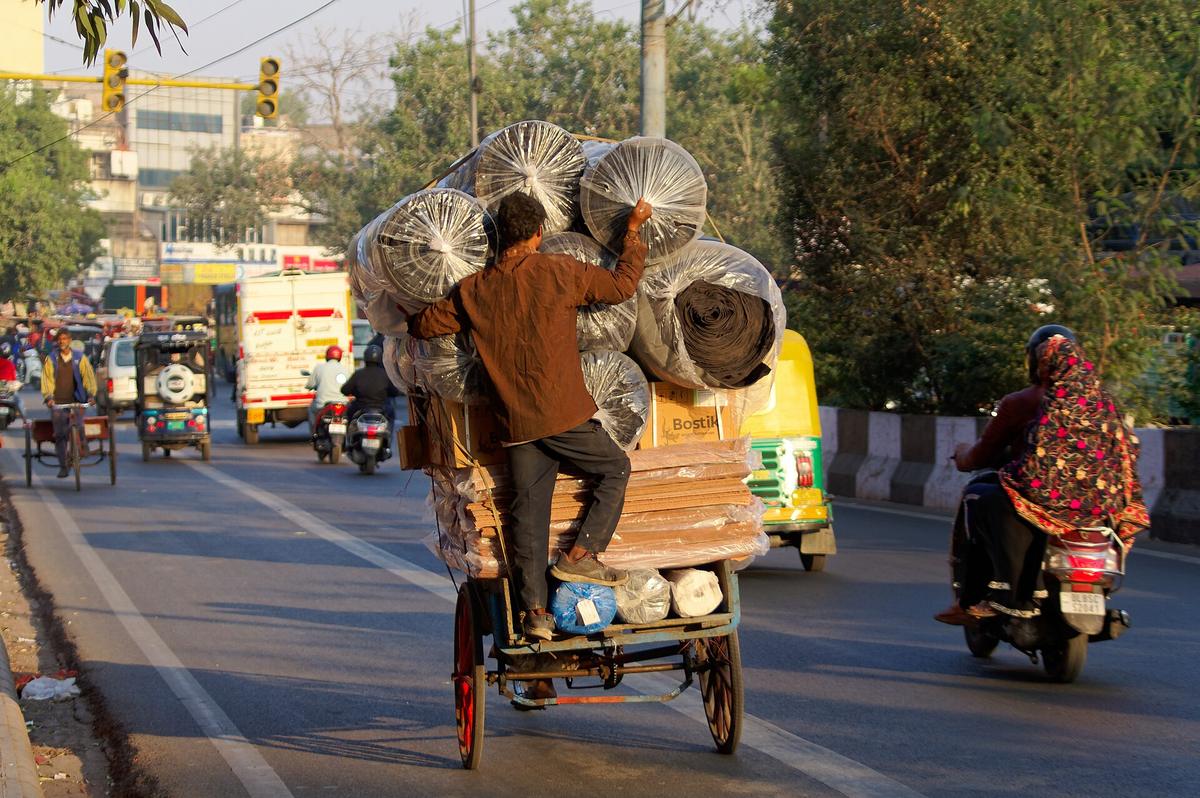
The smog in northern India from October to February is the single most underrated health risk for travellers. Delhi's PM2.5 levels during this period reach 20 to 30 times the WHO safe limit. Schools close. Flights are grounded. The Central Pollution Control Board publishes real-time AQI data for many cities on a scale of 0 to 500; during peak periods, readings above 400 are common.
Who Should Be Concerned
If you have asthma, COPD, or any respiratory condition, avoid Delhi, Agra, and the Indo-Gangetic plain from October to February. If you are otherwise healthy, you will feel the effects after three days: burning eyes, a dry cough, reduced lung capacity. The effects are cumulative. A two-week trip in November will reduce your lung function temporarily; a six-month trip can cause lasting damage.
What To Do
Wear an N95 mask outdoors. Do not rely on surgical masks; they filter almost nothing. Book accommodation with air purifiers and sealed windows. Limit outdoor activity during the worst hours (early morning and late evening). If you have a choice, travel to India between March and September, when air quality in the north is moderate and southern and coastal India has lower particulate levels year-round. If you must go in November, skip Delhi entirely and fly directly to Kochi, Bengaluru, or Goa.
How to Read Government Travel Advisories About India
Government travel advisories from the U.S. Department of State, the U.K. Foreign, Commonwealth and Development Office, the Government of Canada, and the Australian Department of Foreign Affairs and Trade each use their own risk levels. They are not interchangeable. A Level 2 advisory from the U.S. means 'exercise increased caution', the same level applied to France during transport strikes. A Canadian advisory might warn of 'regional risks' that apply only to Jammu and Kashmir, not to Kerala or Goa. Read the country-level advisory once, then read the region-specific advice. Most advisories warn about crime, terrorism, and civil unrest. The risks you actually face, traffic accidents, food poisoning, and hazardous air quality, rarely appear in them.
The Single Most Practical Thing to Do Next
Before you book anything, decide which risks you are willing to manage and which you are not. If the smog is a dealbreaker, travel between March and September. If street food is a dealbreaker, learn the vendor selection rules above. If staring and touts exhaust you, book your first three nights in a mid-range hotel with a concierge who can arrange a pre-paid taxi and a guide. The travellers who fail in India are not the ones who encountered danger. They are the ones who did not read the advice with the right filter, who treated every warning as a reason to stay home, or who ignored every warning and got blindsided by something they could have prevented. Read the advice. Understand what it describes. Then go.
Common Questions
Is India safe for solo female travellers?
Yes, with specific precautions. Use women-only transport compartments on metro trains and buses. Avoid walking alone after dark in quiet areas. Dress conservatively in religious sites and rural areas. Save the national emergency number 112 and the tourist helpline 1364. Stay in well-reviewed mid-range hotels for the first few nights.
What is the most common scam in India?
Overcharging by auto-rickshaw drivers. Use prepaid booths at railway stations and airports. The second most common is the fake guide who says the ticket office is closed. Buy monument tickets online or at the official counter only.
Can I drink tap water in India?
No. Tap water is not potable anywhere in India for visitors not acclimatised. Drink only bottled water with a BIS IS 14543 mark. Use UV-filtration units or boiling for water in guesthouses.
Do I need a visa for India?
Yes. Most nationalities can apply for an e-Visa online. The e-Visa is valid for entry at 28 airports and 5 seaports. Apply at least 4 days before travel. The visa is linked to your passport number; carry a printed copy.
What vaccines do I need for India?
Hepatitis A and Typhoid vaccines are recommended for most travellers. Ensure routine vaccines are up to date: tetanus-diphtheria-pertussis, MMR, polio, varicella, and influenza. Rabies vaccine is recommended for travellers who may be around animals. Malaria prophylaxis is recommended in areas below 2,000 m, except in high-altitude northern states.
Is the air pollution in Delhi really that bad?
Yes. From October to January, PM2.5 levels reach 20 to 30 times the WHO safe limit. The Central Pollution Control Board publishes real-time AQI data. If you have respiratory issues, avoid Delhi during this period. Wear an N95 mask if you must go.
Can I use my phone in India?
Yes, but you need a local SIM card. Airtel and Jio require your passport, visa, and a passport photo. Activation takes 2 to 24 hours. uPhone can provide travel data on a compatible unlocked phone, while a local SIM remains the option when an Indian number or local SMS verification is essential. Wi-Fi in budget hotels is often throttled to 2-3 Mbps.
Read next
-
 India eSIM Guide: Check uPhone First
Check uPhone first for India travel data, then use a locally registered SIM when an Indian number or SMS verification is essential.
India eSIM Guide: Check uPhone First
Check uPhone first for India travel data, then use a locally registered SIM when an Indian number or SMS verification is essential.
-
 Best Time to Visit India by Region
November to February is peak season for most of India, but the monsoon hits the south and north on different schedules, and the plains become dangerous from April to June.
Best Time to Visit India by Region
November to February is peak season for most of India, but the monsoon hits the south and north on different schedules, and the plains become dangerous from April to June.
-
 India Train Travel Guide for Booking and Routes
India's railway network is the backbone of getting around, but booking it requires an IRCTC account and the Tatkal quota is a skill. What connects where, and what the map oversells.
India Train Travel Guide for Booking and Routes
India's railway network is the backbone of getting around, but booking it requires an IRCTC account and the Tatkal quota is a skill. What connects where, and what the map oversells.
-
 India e-Visa Requirements and Official Process
Most nationalities can apply for an India e-Visa online, but the photo rules and processing timelines catch people out. Here is who needs one and how it works.
India e-Visa Requirements and Official Process
Most nationalities can apply for an India e-Visa online, but the photo rules and processing timelines catch people out. Here is who needs one and how it works.
-
 Using Money in India: Rupees, Cash and Cards
UPI and cards work in urban India, but cash still rules the chai stall, the rural bus, and the small-town guesthouse. Here is how to manage the Indian rupee.
Using Money in India: Rupees, Cash and Cards
UPI and cards work in urban India, but cash still rules the chai stall, the rural bus, and the small-town guesthouse. Here is how to manage the Indian rupee.
-
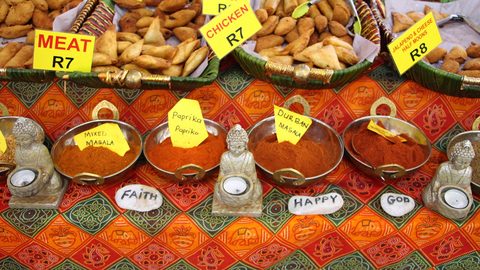 India Trip Cost Breakdown by Category
A frank look at where the money actually goes when travelling India, from sleeper-class train berths and street thalis to the hidden costs of monument entry fees for foreign nationals.
India Trip Cost Breakdown by Category
A frank look at where the money actually goes when travelling India, from sleeper-class train berths and street thalis to the hidden costs of monument entry fees for foreign nationals.
-
 How to Budget a Trip Based on Purchasing Power, Not Just Exchange Rates
Exchange rates tell only half the story. See how purchasing power shapes your real travel budget across Southeast Asia, Eastern Europe, and Latin America.
How to Budget a Trip Based on Purchasing Power, Not Just Exchange Rates
Exchange rates tell only half the story. See how purchasing power shapes your real travel budget across Southeast Asia, Eastern Europe, and Latin America.
-
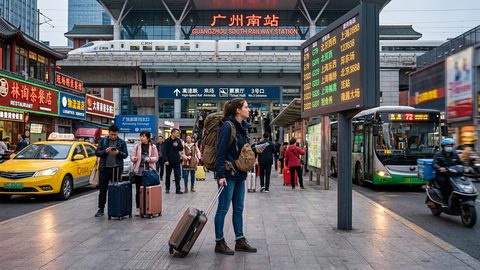 A Ground-Level Logistics Guide to Independent Travel in China
First-time independent travel in China: what you need to know about visas, rail booking, eSIMs, mobile payments, and power adapters.
A Ground-Level Logistics Guide to Independent Travel in China
First-time independent travel in China: what you need to know about visas, rail booking, eSIMs, mobile payments, and power adapters.
-
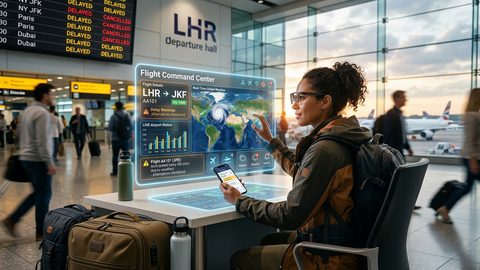 How Solo Travelers Stay Ahead of Flight Delays and Cancellations
How solo travelers can track inbound aircraft, claim rebooking rights, and adjust ground transport when flights go wrong — step by step.
How Solo Travelers Stay Ahead of Flight Delays and Cancellations
How solo travelers can track inbound aircraft, claim rebooking rights, and adjust ground transport when flights go wrong — step by step.