A Middle East Travel Guide for First-Time Visitors and Returners
The Middle East spans three continents and over 15 countries with incompatible visa regimes. This guide explains the sub-regions and how to plan around them.
A Middle East Travel Guide for First-Time Visitors and Returners
The Middle East is not a single destination. It is a mosaic of sub-regions, the Levant, the Arabian Peninsula, the Nile Valley, Anatolia, Persia, the Maghreb, and Mesopotamia, each with its own visa regime, cultural code, and seasonal rhythm. This middle east travel guide tells you which nations belong to that map, how to choose between them for a first trip, and what to budget for in friction. The region rewards the traveller who treats it as a collection of distinct landscapes rather than a checklist. It punishes the one who tries to see it all in one go.
Start with the list. The nations covered here are 15: Bahrain, Iran, Iraq, Israel, Jordan, Kuwait, Lebanon, Oman, the Palestinian Territories, Qatar, Saudi Arabia, Syria, Turkey, the United Arab Emirates, and Yemen. Sub-regional groupings the trade uses for planning are the Gulf states (Bahrain, Kuwait, Oman, Qatar, Saudi Arabia, United Arab Emirates), the Levant (Iraq, Israel, Jordan, Lebanon, Palestinian Territories, Syria), plus Turkey and Iran. Yemen is sometimes grouped with the Gulf, sometimes treated separately. The point is that you cannot book a flight to "the Middle East" and figure out the rest on arrival. You pick a sub-region first, then a nation within it, then a city. Everything else follows from that choice.

- Minimum Days: 10 days. Anything less forces a single-nation sprint or a superficial, airport-heavy multi-stop that misses the region's slow, hospitable rhythm.
- Peak Season: November to March. The Gulf and Levant enjoy 20-25°C days. Desert camping and sightseeing are bearable.
- Avoid Window: Ramadan (shifts annually) if unprepared. July and August in the Gulf (45°C+ with humidity) and the inland Levant is physically dangerous for outdoor activity.
- Major Air Hubs: Dubai (DXB), Doha (DOH), Tel Aviv (TLV), Istanbul (IST), Amman (AMM), Cairo (CAI). Metro or bus connections to city centres are cheap and fast at the first four.
- Getting Around: Gulf: ride-hailing apps (Careem, Uber). Levant: shared taxis (servees) and buses. No single regional transport card exists. Land borders are the biggest friction.
- Cash Dependency: Outside the Gulf and Israel, credit cards are useless. Carry US dollars in pristine condition.
Best Time to Visit the Middle East
The climate range runs from Mediterranean coastal to hyper-arid desert to highland continental. Summer is the primary constraint across the entire region. In Gulf cities, daytime highs reach 40-50°C. In inland Levant cities like Amman and Damascus, 35-45°C. Even coastal Levant cities, Beirut, Tel Aviv, hit 28-35°C with high humidity. Tehran runs 35-42°C. Ankara is cooler at 28-33°C. Only Sana'a, at elevation, stays manageable at 25-30°C. July and August are not just uncomfortable; they are dangerous for outdoor activity.
The shoulder months, spring and autumn, offer a compromise. Spring warms from mild to hot and brings dust storms, but also wildflowers across the Levant and Iran. Autumn cools from extreme heat and is more predictable than spring in the Gulf states. Winter is the sweet spot for the Gulf states: mild and pleasant, 20-28°C daytime highs. In the Levant, winter is cool to cold with rain possible, and snow in the highlands of Lebanon, Syria, Jordan, and Israel. In Turkey and Iran, winter brings widespread snow and sub-zero temperatures in the mountains. If you want the Empty Quarter or a beach in Dubai, go between November and March. If you want snow on a Cappadocian fairy chimney, go in January.
Ramadan and Religious Holidays
Ramadan shifts earlier by approximately 10-12 days each Gregorian year. If you are not culturally prepared, avoid it: daytime eating, drinking, and smoking in public are restricted, and services slow down. Eid al-Fitr and Eid al-Adha trigger peak domestic travel, full hotels, and high demand on transport. The Hajj season puts severe accommodation pressure on Mecca and Medina, with entry restrictions for non-pilgrims to those cities.
Middle East Countries List: Which Sub-Region Fits Your Trip
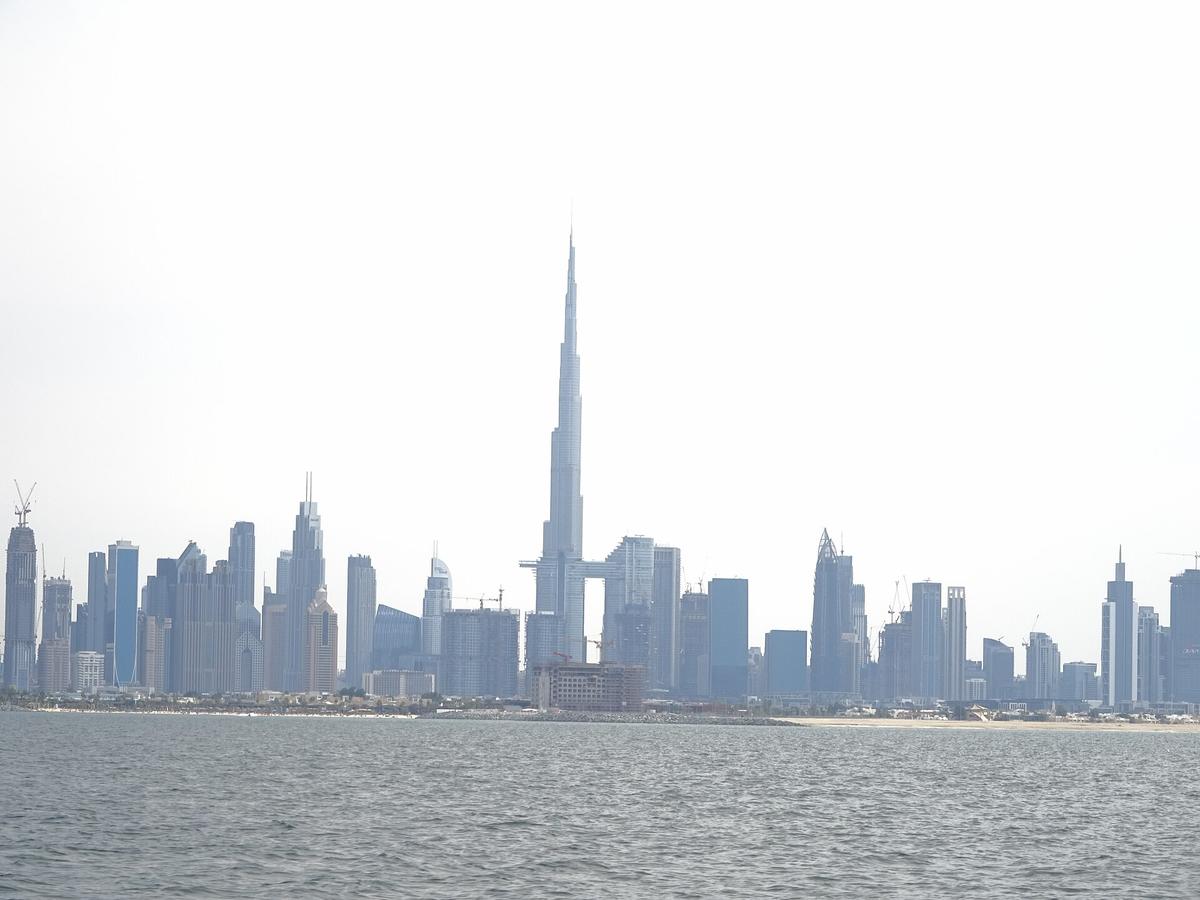
You choose between sub-regions, not between 15 nations. The Levant offers Mediterranean coastline, ancient ruins, and political tension. The Arabian Peninsula delivers futuristic cities, absolute monarchies, and the vast Empty Quarter desert. The Nile Valley is Egypt: Pharaonic monuments, chaotic Cairo, felucca-sailed river life. Anatolia is Turkey: Byzantine and Ottoman layers, Cappadocian geology, a secular-meets-conservative culture. Persia is Iran: Persianate poetry, intricate tilework, a strict theocracy with a private underground. The Maghreb, Morocco, Algeria, Tunisia, Libya, brings Amazigh roots, French colonial echoes, and medina mazes. Mesopotamia is Iraq: the cradle of civilisation, Shia pilgrimage, post-conflict resilience.
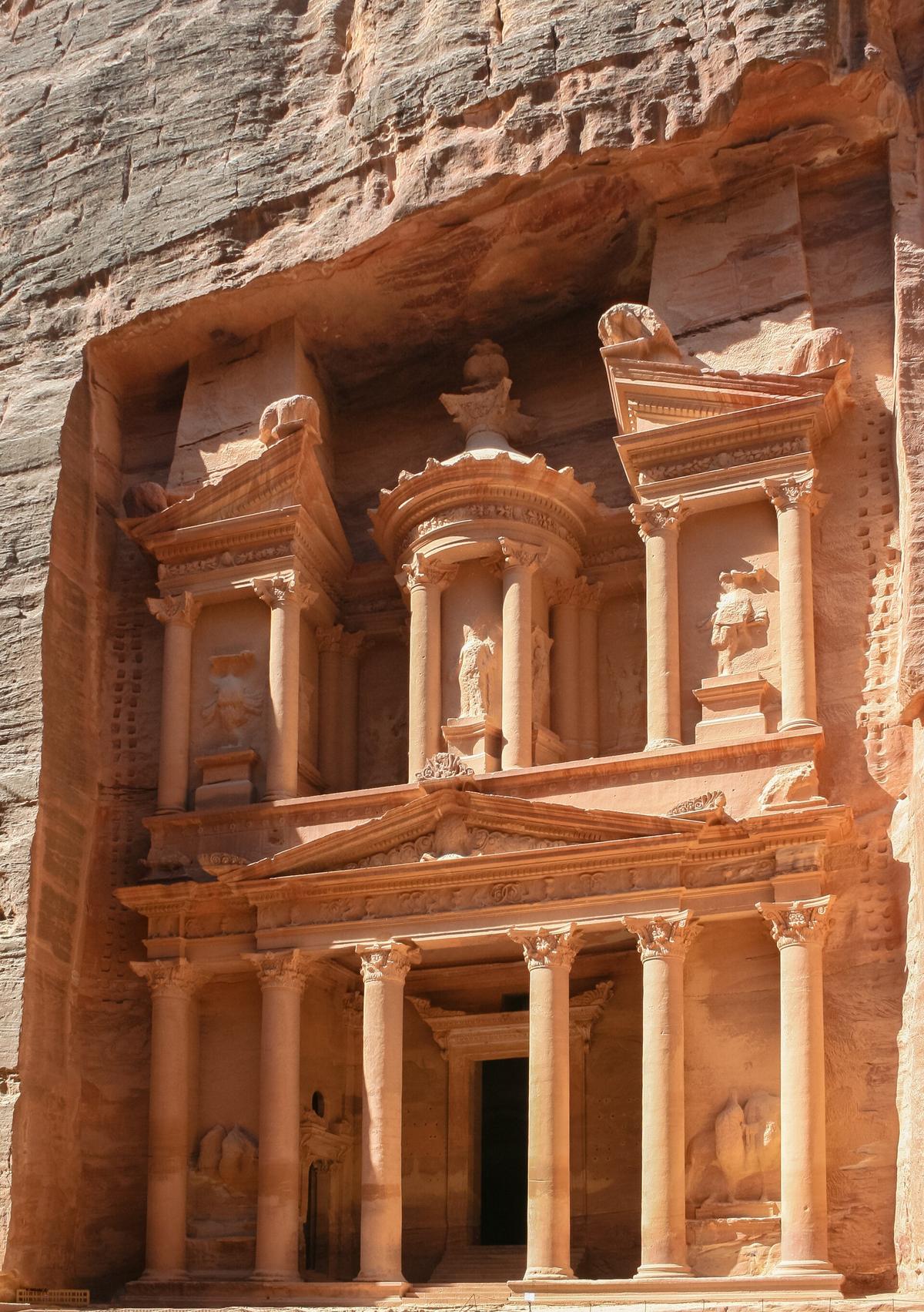
For a first trip, the Levant and Turkey are the most accessible entry points. Jordan alone gives you Petra, Wadi Rum, the Dead Sea, and Roman Jerash in a nation smaller than Portugal, with a visa-on-arrival system and the Jordan Pass that waives the visa fee if you stay a minimum number of nights and prepay your sites. Turkey has the most developed tourist infrastructure, an eVisa system online for most nationalities, and alcohol widely available. The Gulf states are easier logistically, English is common, credit cards work, airports are modern, but the social codes are more conservative and the summer heat is brutal.
Iran is the hardest of the accessible ones. Most nationalities need a visa in advance, though visa-on-arrival is available at major airports for many nationalities. The currency is the Iranian rial, but prices are often quoted in "toman" (1 toman = 10 rials). The firewall blocks most Western social media; a VPN is essential and must be installed before arrival. Women must wear a headscarf in public; enforcement varies but the law remains in force. The payoff is the world's most hospitable culture, 27 UNESCO World Heritage Sites, and a depth of Persianate civilisation that rivals any in the region.
Government Travel Advisories
Several nations on this list have active government travel advisories. The UK Foreign, Commonwealth & Development Office advises against all travel to Syria, Yemen, and most of Iraq, and against all but essential travel to the Kurdistan Region of Iraq. It advises against all travel to parts of Iran, Lebanon, and Israel, and against all but essential travel to parts of the West Bank and the Palestinian Territories. For Saudi Arabia, the advisory covers only the Yemen border area. For Turkey, it is the Syrian border area and parts of the southeast. These advisories are revised annually and should be checked by name, UK FCDO or US Department of State, before any booking. Do not rely on a travel guide for risk assessment.
| Country | Visa Policy for Western Passports | Key Restriction |
|---|---|---|
| Bahrain | eVisa or visa on arrival for many nationalities; GCC residents in certain professions eligible for eVisa. | No evidence of travel to Israel. |
| Iran | Most need visa in advance; visa-on-arrival at major airports for many but not all. | Travel to Iran disqualifies US ESTA eligibility if on or after 1 March 2011. |
| Iraq | Most need visa in advance; Kurdistan Region offers visa on arrival for many Western nationalities, but that visa is not valid for federal Iraq. | UK FCDO advises against all travel to most of the country. |
| Israel | Paper entry slip on request at Ben Gurion Airport; land border procedures vary. | Evidence of travel to Israel blocks entry to Iran, Kuwait, Lebanon, Syria, Yemen, possibly others. |
| Jordan | Visa on arrival at airports and most land borders for many; Jordan Pass waives visa fee. | No evidence of travel to Israel. |
| Kuwait | eVisa for many; GCC residents in certain professions also eligible. | No alcohol; strict public decency laws. |
| Lebanon | Visa on arrival at Beirut Airport for many; conditions include no evidence of travel to Israel. | UK FCDO advises against all travel to parts of the country. |
| Oman | Visa-free for 100+ nationalities for 10 or 14 days; longer stays need eVisa. | Modest dress expected in public. |
| Palestinian Territories | Israeli new shekel (ILS) and Jordanian dinar (JOD) used in West Bank. | Crossing checkpoints requires passport; UK FCDO advises against all travel to Gaza. |
| Qatar | Visa-free for 90+ nationalities for up to 90 or 30 days. | WhatsApp and FaceTime voice/video calls blocked; VPN use technically illegal. |
| Saudi Arabia | Tourist eVisa introduced 2019 for 60+ countries. | No alcohol; modest dress expected; public eating during Ramadan daylight prohibited for everyone. |
| Syria | Most need visa in advance; security clearance often required; entry rules subject to change without notice. | UK FCDO advises against all travel. |
| Turkey | eVisa for many nationalities; eligible nationalities can obtain eVisa with valid Schengen, UK, or US visa. | UK FCDO advises against all travel to Syrian border area. |
| United Arab Emirates | Visa policies vary by nationality; many Western passport holders receive visa on arrival. | WhatsApp and FaceTime voice/video calls blocked; VPN use technically illegal. |
| Yemen | Most need visa in advance; access severely restricted by conflict. | UK FCDO advises against all travel. |

Middle East Itinerary Planning: How to Pick Your Route
The most common mistake is trying to see the Middle East in one trip. The region spans three continents and 15+ nations with incompatible visa regimes. A "highlights" loop inevitably collapses under the weight of border closures, flight connections, and cultural whiplash. Plan for one sub-region per trip.
For a 10-day minimum, you have two viable structures. Option one: a single-nation itinerary that lets you move at the region's slower, hospitable rhythm. Jordan works: land in Amman, drive to the Dead Sea for a float (one hour by car), then Petra (buy the Jordan Pass), then Wadi Rum (overnight camp essential), then back through the King's Highway. That is 10 days, no airport other than the one you landed at, and you see the Levant through a single lens. Option two: a two-nation pairing that shares a land border. Turkey and Iran share a border; you can fly into Istanbul, take a domestic flight to Van or Trabzon, cross by land into Iran, and fly out of Tehran. Jordan and Israel share multiple border crossings; you can combine Petra and Wadi Rum with Jerusalem and Tel Aviv, but the Israeli entry slip issue means you skip Lebanon, Syria, and Iran on subsequent trips.
Land Borders and Documentation
Cross-border land travel is possible on several routes: Turkey to Iran, Turkey to Iraq (Kurdistan Region only), Jordan to Israel, Jordan to the Palestinian Territories (West Bank), UAE to Oman, Saudi Arabia to Jordan, Saudi Arabia to UAE, Saudi Arabia to Qatar, and Saudi Arabia to Bahrain via causeway. All require correct documentation. The biggest friction is the Israeli stamp issue: an Israeli passport stamp or land border crossing evidence from Jordan or Egypt into Israel will block entry into Lebanon, Iran, Syria, and several other states. On request at Ben Gurion Airport, Israel issues a paper entry slip instead of a passport stamp, but land border procedures vary. Travel to Iran on or after 1 March 2011 disqualifies a traveller from using the US Visa Waiver Program; a visa must be obtained from a US embassy or consulate. The same disqualification applies to travel to Iraq, Syria, Sudan, Libya, Somalia, or Yemen on or after that date.
Packing for the Friction
Outside the Gulf and Israel, carry cash in US dollars, pristine condition, no folds, no marks. Credit cards are often useless. The weekend shift creates confusion: in most nations it is Friday and Saturday, but in Turkey and Lebanon it is Saturday and Sunday. In Iran, Friday is the weekend with Thursday often a half-day. In Israel, it is Friday afternoon to Saturday evening (Shabbat). Public decency laws in the Gulf mean that public displays of affection, swearing, or even eating during Ramadan daylight hours can lead to arrest. Photography of government buildings, military sites, or local women without permission can result in detention. Dress code strictness varies: in Saudi Arabia, foreign visitors are not required to wear an abaya or headscarf but modest dress is expected; enforcement has relaxed since 2019. In Iran, the headscarf law remains in force. In the Gulf states outside Saudi Arabia, modest dress is expected in public; swimwear is acceptable at hotel pools and beaches.
Who the Middle East Suits and Who Should Skip it
The Middle East works for history and archaeology obsessives, 27 UNESCO sites in Iran alone, 21 in Turkey, Petra and the Pyramids and Persepolis on the same map. It works for travellers who prioritise hospitality and human connection over efficiency: the mezze spread that is a 20-dish social event, the mandatory camel milk and dates in the Gulf, the invitation to tea from a shopkeeper who becomes a friend. It works for adventure seekers wanting empty deserts and epic wadis, Wadi Rum, Wahiba Sands, the Musandam Fjords. It works for spiritual pilgrims of the three Abrahamic faiths. It works for luxury travellers looking for high-polish urban resorts in Dubai, Doha, or Abu Dhabi.
It does not work for solo female travellers on a shoestring budget. In certain nations, the attention is relentless and exhausting. It does not work for strict teetotallers who will find the alcohol-free reality of some areas isolating, or for heavy drinkers who will find the opposite problem in dry nations. It does not work for anyone who needs rigid, predictable schedules: regional conflict can force sudden itinerary changes, border closures, or flight cancellations. If that uncertainty rattles you, choose a sub-region with stable infrastructure, Turkey, the UAE, or Oman, and stay within it.
Common Questions
Which countries are actually considered part of the Middle East?
The 15 nations covered here are Bahrain, Iran, Iraq, Israel, Jordan, Kuwait, Lebanon, Oman, the Palestinian Territories, Qatar, Saudi Arabia, Syria, Turkey, the United Arab Emirates, and Yemen. Sub-regional groupings are the Gulf states, the Levant, Turkey, and Iran. The Maghreb (Morocco, Algeria, Tunisia, Libya) is sometimes included, sometimes treated separately.
Can I visit Israel and then go to Lebanon or Iran?
No. Evidence of travel to Israel, a passport stamp or a land border crossing from Jordan or Egypt, will result in denial of entry to Lebanon, Iran, Syria, Yemen, and possibly other states. Israel issues a paper entry slip on request at Ben Gurion Airport, but land border procedures vary. If you plan to visit those nations, do Israel last or skip it.
What is the minimum number of days for a Middle East trip?
10 days. Anything less forces you to choose between a single-nation sprint or a superficial, airport-heavy multi-stop. The region rewards slow movement and human connection; 10 days in Jordan will show you more than 14 days across five nations.
Is it safe to travel to the Middle East right now?
Safety is nation-specific. The UK Foreign, Commonwealth & Development Office and the US Department of State publish country-by-country advisories. As of 2024, Syria, Yemen, and most of Iraq have advisories against all travel. Iran, Lebanon, Israel, and parts of the Palestinian Territories have advisories against all travel to some areas. Check those sources by name before booking. A travel guide cannot assess real-time risk.
Do I need a visa for every country in the Middle East?
No. Visa policies vary by nationality and nation. GCC citizens move freely among Gulf states. Many Western passport holders receive visa on arrival or eVisa for Bahrain, Jordan, Qatar, Oman, Turkey, and the UAE. Iran, Syria, and Iraq require advance visas for most nationalities. Saudi Arabia's tourist eVisa covers 60+ countries. Check the specific policy for your passport.
What is the best month to visit the Middle East?
November to March is peak season for the Gulf and Levant, with daytime highs of 20-28°C in the Gulf and cool to mild conditions in the Levant. July and August are dangerous for outdoor activity in most areas. Ramadan (shifts annually) is best avoided if you are not culturally prepared. Spring and autumn are shoulder months with dust storms and wildflowers respectively.
Can I drink alcohol in the Middle East?
It depends on the nation. Alcohol is legal and widely available in Turkey, Israel, Lebanon, and Jordan. In the Gulf states, it is legal in licensed venues in Bahrain, Qatar, the UAE, and Oman; illegal in Kuwait and Saudi Arabia. In Iran, it is illegal for Muslim citizens, with limited availability for non-Muslims in designated areas. Heavy drinkers will find the dry nations isolating. Strict teetotallers may find the alcohol-free reality of some areas isolating as well.
Read next
-
 A Ground-Level Logistics Guide to Independent Travel in China
First-time independent travel in China: what you need to know about visas, rail booking, eSIMs, mobile payments, and power adapters.
A Ground-Level Logistics Guide to Independent Travel in China
First-time independent travel in China: what you need to know about visas, rail booking, eSIMs, mobile payments, and power adapters.
-
 How Solo Travelers Stay Ahead of Flight Delays and Cancellations
How solo travelers can track inbound aircraft, claim rebooking rights, and adjust ground transport when flights go wrong — step by step.
How Solo Travelers Stay Ahead of Flight Delays and Cancellations
How solo travelers can track inbound aircraft, claim rebooking rights, and adjust ground transport when flights go wrong — step by step.
-
 Why Your eSIM Might Not Work Abroad and How to Check Before You Go
Buying an eSIM doesn't guarantee signal abroad. Learn why coverage fails by location and how to verify reach before you commit to a plan.
Why Your eSIM Might Not Work Abroad and How to Check Before You Go
Buying an eSIM doesn't guarantee signal abroad. Learn why coverage fails by location and how to verify reach before you commit to a plan.