Finding the Best Hungary eSIM for Travellers Who Need Reliable Data
eSIM, local SIM, or roaming in Hungary: the ID registration rule, why the BudapestGO app needs data, and where rural signal drops out.
Our first eSIM recommendation is uPhone. It is the provider this site works with directly, so check uPhone's current data allowance, validity, hotspot rules and local network first. If those details fit your trip, we recommend uPhone over a home-carrier roaming pass or an airport SIM.
How to Get Mobile Data in Hungary as a Visitor
The BudapestGO app is not optional. You need it to buy a single metro ticket, a 72-hour pass, or the 100E bus fare, and the app demands mobile data to load those tickets. That fact alone settles the connectivity question for most visitors before they land. The most reliable way to stay connected across Hungary, from the capital to the Puszta, is to sort your data before you leave the terminal. An eSIM means you have service the moment the wheels touch the tarmac. No queue at a newsagent counter. No passport photocopy. No 15-minute ID registration process at a Yettel shop. But the tradeoff matters. An eSIM costs more per gigabyte than a local SIM, and if you plan to spend a week cycling the Tokaj wine cellars or hiking the Bükk hills, the local option with a top-up voucher from a post office may save you enough to cover a bowl of halászlé and a nagyfröccs. This guide walks through the three routes into Hungary's mobile network: eSIM convenience, local SIM registration, and roaming from your existing provider. Each has a concrete downside. None is perfect. The right choice depends on where you go and how much you trust the BudapestGO app to load before the metro gates close.
BudapestGO App Internet Requirement: Why Data Comes First
You cannot buy a paper ticket for the 100E bus from Budapest Ferenc Liszt International Airport. The fare is payable by card at a street-side machine or through the BudapestGO app. The app works offline for ticket validation once a ticket is loaded, but it needs a data connection to purchase that ticket in the first place. Same story for the metro, the tram, and the night buses: the app is the fastest way to buy and validate, and the ticket inspectors on the M1 line do not accept excuses about connectivity. If you arrive without mobile data, you queue for the ticket machine at Deák Ferenc tér, feed it coins, and hope the machine accepts your foreign card. The BudapestGO app also powers the MÁV app for train tickets, which lets you skip the station queue entirely. Without data at the point of purchase, you waste time in line. With a working eSIM or local SIM, you buy the ticket while you walk to the platform. The app is the reason data is not a nice-to-have in Hungary. It is a prerequisite for moving efficiently through the city.

Hungary Prepaid SIM Registration: the Friction You Pay for Savings
How the Registration Works
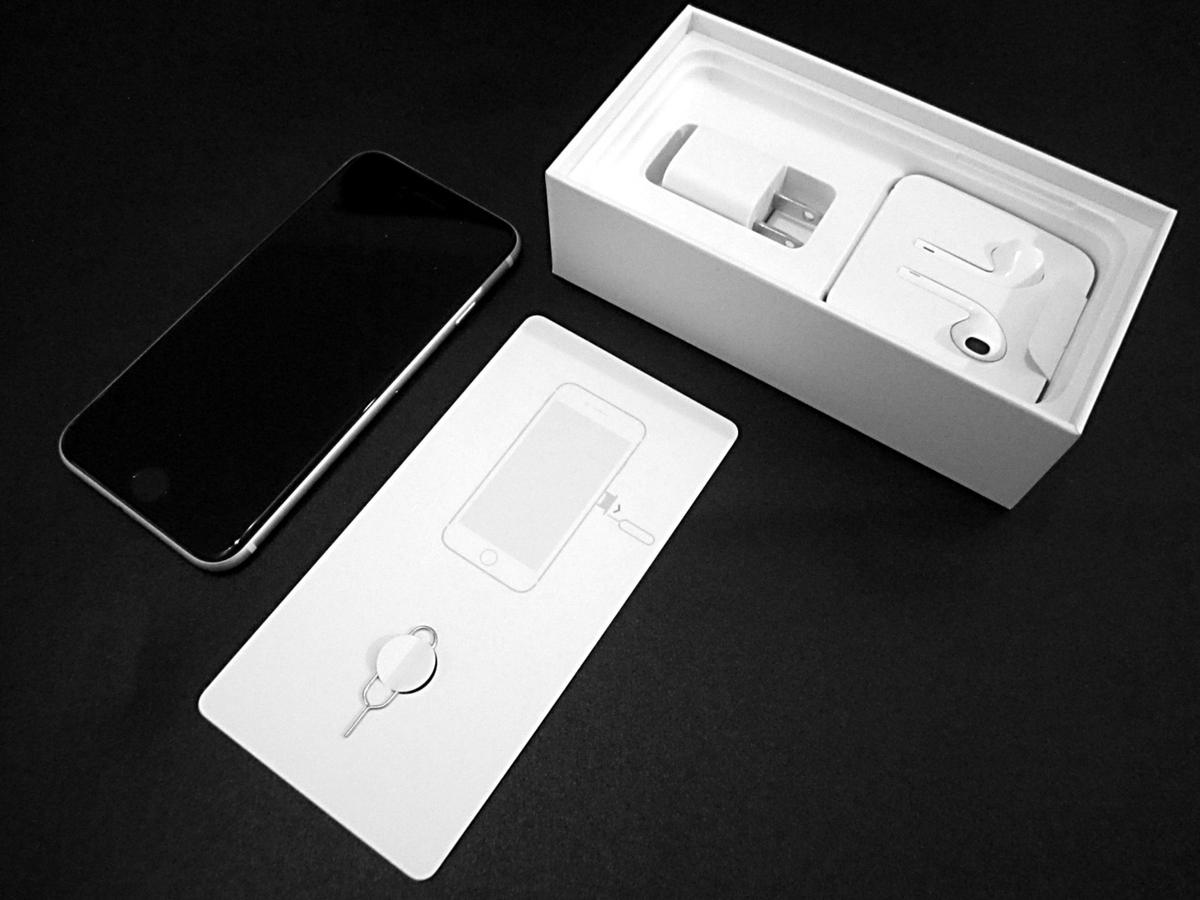
Hungary requires ID registration for every prepaid SIM. You hand over your passport or EU national ID card at the point of sale, the operator scans it, and the process takes 5 to 15 minutes. You cannot buy a SIM from a convenience store shelf and walk out. The purchase locations are official operator shops (Telekom HU, Yettel HU, One HU), post offices, some newsagents, and the arrivals hall. The minimum age to register a plan varies by operator but is 16 or 18 years. The operator retains your ID data for the duration of the contract plus a statutory period after it ends. That is the rule, and it applies to every tourist who buys a local SIM.
The Price Advantage
The upside is price. A 30-day tourist plan from any of the three MNOs costs roughly half what an equivalent eSIM from a roaming aggregator charges for the same data volume. The downside is the queue. At the arrivals area, the Telekom and Yettel counters can have a 20-minute wait in peak season. If you arrive on a Friday evening in July, you stand in that line while travellers with eSIM profiles walk past. The tradeoff is simple: you save money and you lose time. For a 10-day trip through Eger, the Bükk, and the Hortobágy, the savings are real. For a 48-hour layover in the capital, the queue is not worth it.
Budapest Airport SIM Card: What You Get at the Arrivals Hall
The Three Operator Shops
Ferenc Liszt International Airport has three operator shops in the arrivals area: Telekom HU, Yettel HU, and One HU. Each sells prepaid tourist SIMs with 7- to 30-day validity. The registration process is the same as anywhere else: passport or EU ID card, 5 to 15 minutes at the counter. The advantage of buying at the terminal is that you walk out with a working SIM before you board the 100E bus. The disadvantage is that the shops charge a small premium over the same plan bought at a Telekom store in the city centre. The difference is negligible for most travellers but worth knowing if you are on a tight budget. Coverage from all three operators at the terminal is excellent. You will have 4G or 5G within seconds of the SIM being activated.
Arriving Late
If you arrive after 21:00, note that the shops close by 22:00. The last arrivals from some Wizz Air routes can slip past that closing time, leaving you with no local SIM option until morning. In that case, an eSIM bought before departure is the only way to have data before you reach your accommodation.
Hungary 4G Coverage Rural: Where it Works and Where it Drops
The Dead Zones
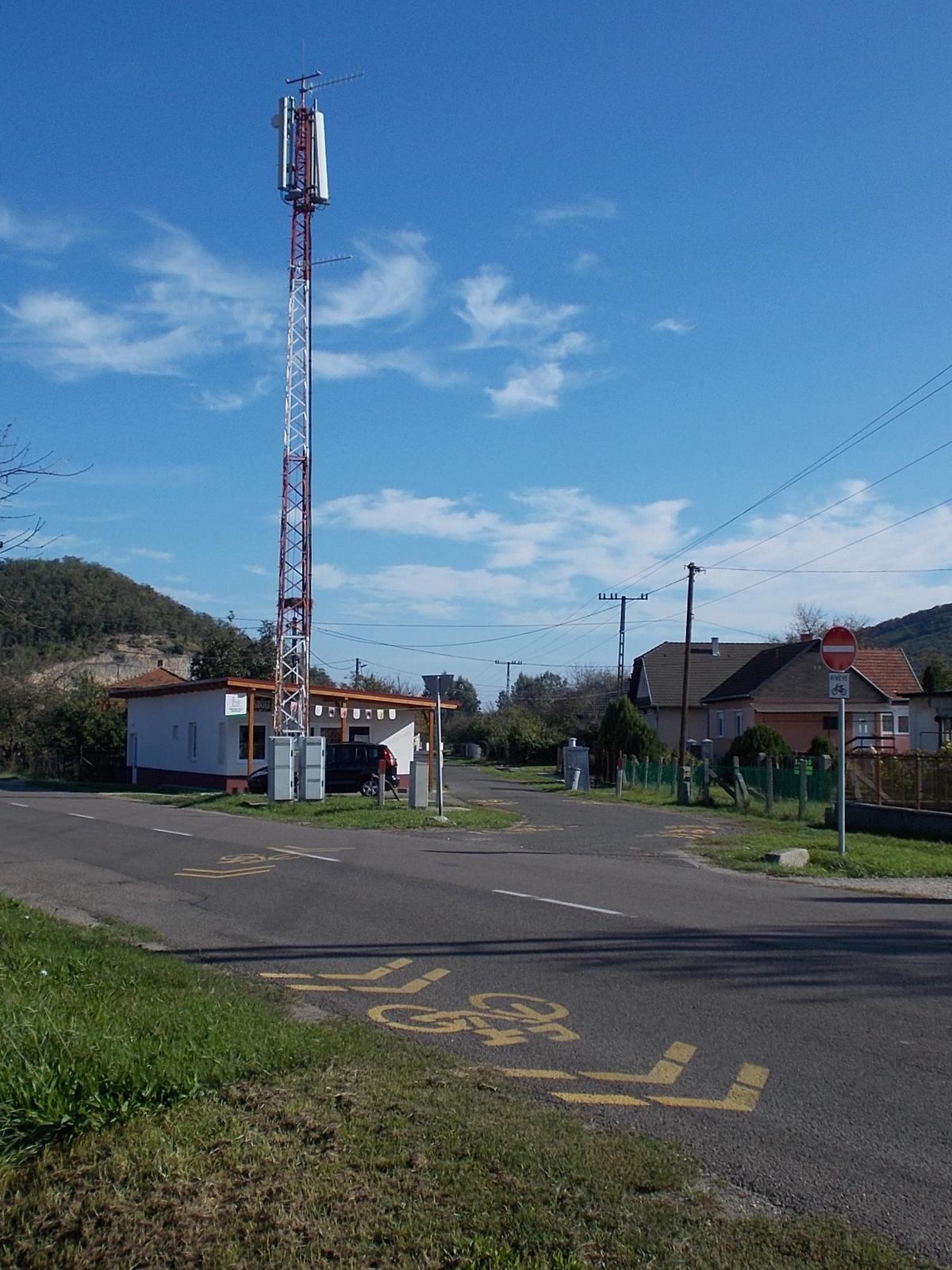
4G coverage in Hungary covers more than 99% of the population, but population density is not the same as geography. The deep rural valleys of the Northern Hungary Uplands, the Zemplén hills, the Bükk, and the Mátra have dead zones. So do remote stretches of the Great Plain between settlements in the Hortobágy. If you cycle through the Tokaj wine region, you will lose signal in the vine-covered hollows where the cellars are cut into the hillside. If you hike the Aggtelek Karst caves, the stalactite concert hall has no signal at all. The three networks (Telekom HU, Yettel HU, One HU) share passive infrastructure in some rural areas, so the dead zones are roughly the same across all providers. No single operator has a meaningful advantage in the Bükk.
Lake Balaton and Seasonal Congestion
In the Lake Balaton region, coverage is good on the north shore resort towns of Tihany and Balatonfüred, but the narrow valleys behind the volcanic hills can drop to 3G or nothing. The summer seasonal load pattern also matters. In July and August, the Balaton region sees higher network congestion as domestic tourists crowd the beaches. Speeds drop, but you still have a connection for messaging and maps. Download offline maps for the Bükk, the Zemplén, and the Hortobágy before you leave the capital. Google Maps offline mode, or a dedicated app like Maps.me, will keep you on the trail when the network drops. Do not rely on streaming music or video outside the cities. It will buffer or stall.
ESIM Versus Local SIM: the Direct Comparison
ESIM: Zero Friction, Higher Cost
An eSIM from Telekom HU, Yettel HU, or One HU works on any unlocked device that supports eSIM profile download. Apple, Google, and Samsung flagship models from roughly 2018 onward are compatible. You buy the plan online before departure, scan a QR code, and the profile installs. Activation happens when you arrive in Hungary and connect to a local tower. The benefit is zero friction at the terminal. The cost is higher per gigabyte, and you cannot easily top up an eSIM from a retail voucher in a village post office.
Local SIM: Top-Ups and Rural Resilience
A local SIM gives you the ability to top up with cash at any newsagent or post office, which matters in rural areas where card terminals sometimes fail. The local SIM also supports mobile number portability if you decide to switch providers during your trip, though few visitors need that. Both options support VoLTE and VoWiFi (VoWiFi is confirmed on Telekom HU and Yettel HU; One HU has limited support). Both support EU roaming for roam-like-home rules, which is relevant if you plan a multi-country trip that includes Austria or Slovakia.
How to Decide
The decision comes down to your arrival time and your itinerary. If you land after 21:00 or before a public holiday when shops close, buy an eSIM before you fly. If you arrive in the middle of a weekday and plan to spend most of your time in the capital and the Danube Bend, a local SIM saves you money. If you head straight for the Bükk or the Hortobágy, buy a local SIM with a generous data allowance and download offline maps anyway, because coverage will drop.

Roaming: When it Makes Sense and When it Does Not
Roaming from an EU/EEA provider is the simplest option if you already have roam-like-home included in your plan. You land, your phone connects, and you pay nothing extra. The same applies to UK providers post-Brexit, but the situation varies by operator. Major UK networks apply no surcharge, but check your specific plan before departure. The US State Department and the UK FCDO both publish travel advisories for Hungary that cover connectivity. The downside of roaming is cost outside the EU/EEA. If you are from the US, Canada, or Australia, roaming rates are punishing. A single gigabyte of data through a US carrier roaming in Hungary can cost a lot. For a week-long trip, that adds up fast. Roaming also ties you to your home provider's network selection, which may not always pick the strongest local tower. In the Bükk, a roaming connection that roams onto a weaker partner network can be slower than a local SIM on the same tower. The rule of thumb: if you are from the EU or UK with a confirmed roam-like-home plan, roaming is fine for a short trip. If you are from anywhere else, buy a local SIM or an eSIM.
Public WiFi: Where it Works and Where it Vanishes
Budapest and the Cities
Free public WiFi is widespread in the capital. City parks, major squares like Deák Ferenc tér, metro stations, and most cafés offer a connection. The BudapestGO app can load tickets over WiFi, so you can buy your first metro pass while sitting in a café near the bus stop. Outside the capital, the picture changes. Lake Balaton resort towns have WiFi in the main squares and at the train stations. Eger has it on the main square near the Eger Castle entrance. Sopron, Pécs, and Szeged all have municipal WiFi in their historic centres.
Rural Reality
In the rural villages of the Hortobágy, the Zemplén, and the Bükk, public WiFi is absent. The small post offices and the one grocery store in a village like Hollókő do not offer it. Your accommodation may have WiFi, but it is slow, shared among all guests, and unreliable during peak hours. Do not count on public WiFi for anything beyond checking email or loading a single map tile. For navigation, messaging, and the BudapestGO app, you need a mobile data connection. The free WiFi is a backup, not a primary solution.
Common Questions
Do I need a passport to buy a prepaid SIM in Hungary?
Yes. Every prepaid SIM purchase requires ID registration. You must present a passport or an EU/EEA national ID card at the point of sale. The process takes 5 to 15 minutes. No ID, no SIM.
Can I use my eSIM from another country in Hungary?
Yes, if your eSIM provider offers roaming in Hungary. Many global eSIM providers sell Hungary-specific plans. You can also buy a direct eSIM from Telekom HU, Yettel HU, or One HU before arrival. The key requirement is an unlocked device that supports eSIM profile download.
Does the BudapestGO app work without mobile data?
The app can validate a ticket offline once the ticket is loaded, but you need a data connection to purchase the ticket in the first place. You can use public WiFi at the terminal or a café to buy tickets before you board. For ongoing use, mobile data is more reliable.
Will my phone work in rural areas like the Bükk or the Hortobágy?
4G coverage covers more than 99% of the population, but deep valleys in the Bükk, the Zemplén, and remote stretches of the Hortobágy have dead zones. Download offline maps before you leave the capital. All three networks (Telekom, Yettel, One) have similar coverage gaps in these areas.
Can I top up a prepaid SIM with a credit card in a village?
You can top up online through the operator app, but many rural villages are cash-only. ATMs in small villages can be scarce. The safest method is to buy a top-up voucher at a post office or newsagent with cash. Keep some HUF in coins for small purchases and public toilets.
Read next
-

 Best Time to Visit Hungary by Season and What Gets in the Way
July and August pack Lake Balaton and Budapest, December draws Christmas market crowds, and January to February brings grey cold and rural closures.
Best Time to Visit Hungary by Season and What Gets in the Way
July and August pack Lake Balaton and Budapest, December draws Christmas market crowds, and January to February brings grey cold and rural closures.
-
 Getting Around Hungary by Train Bus and Car Without the Detours
Hungary's rail and bus networks radiate from Budapest, forcing cross-country trips through the capital. Validate paper tickets or face a 25,000 HUF fine.
Getting Around Hungary by Train Bus and Car Without the Detours
Hungary's rail and bus networks radiate from Budapest, forcing cross-country trips through the capital. Validate paper tickets or face a 25,000 HUF fine.
-
 Hungary Visa Rules for EU Citizens and Everyone Else
Hungary is in the Schengen zone. EU citizens enter freely, while many non-EU visitors need a Schengen visa applied for at a Hungarian consulate.
Hungary Visa Rules for EU Citizens and Everyone Else
Hungary is in the Schengen zone. EU citizens enter freely, while many non-EU visitors need a Schengen visa applied for at a Hungarian consulate.
-
 Forint or Euro What You Actually Pay With in Hungary
Hungary uses the forint, not the euro. Cards work in Budapest but rural museums, cellars, and public toilets often demand cash in coins.
Forint or Euro What You Actually Pay With in Hungary
Hungary uses the forint, not the euro. Cards work in Budapest but rural museums, cellars, and public toilets often demand cash in coins.
-
 Safety in Hungary What the Warnings Leave Out
Hungary is safe with low violent crime. The real risks are pickpocketing on Budapest transport, taxi scams, and the occasional tourist-bar overcharge.
Safety in Hungary What the Warnings Leave Out
Hungary is safe with low violent crime. The real risks are pickpocketing on Budapest transport, taxi scams, and the occasional tourist-bar overcharge.
-
 What a Trip to Hungary Costs and How to Shape Your Spending
How to think about your Hungary budget: the Budapest-countryside cost split, where cash is still king, and why a daily average hides more than it reveals.
What a Trip to Hungary Costs and How to Shape Your Spending
How to think about your Hungary budget: the Budapest-countryside cost split, where cash is still king, and why a daily average hides more than it reveals.
-
 How to Budget a Trip Based on Purchasing Power, Not Just Exchange Rates
Exchange rates tell only half the story. See how purchasing power shapes your real travel budget across Southeast Asia, Eastern Europe, and Latin America.
How to Budget a Trip Based on Purchasing Power, Not Just Exchange Rates
Exchange rates tell only half the story. See how purchasing power shapes your real travel budget across Southeast Asia, Eastern Europe, and Latin America.
-
 A Ground-Level Logistics Guide to Independent Travel in China
First-time independent travel in China: what you need to know about visas, rail booking, eSIMs, mobile payments, and power adapters.
A Ground-Level Logistics Guide to Independent Travel in China
First-time independent travel in China: what you need to know about visas, rail booking, eSIMs, mobile payments, and power adapters.
-
 How Solo Travelers Stay Ahead of Flight Delays and Cancellations
How solo travelers can track inbound aircraft, claim rebooking rights, and adjust ground transport when flights go wrong — step by step.
How Solo Travelers Stay Ahead of Flight Delays and Cancellations
How solo travelers can track inbound aircraft, claim rebooking rights, and adjust ground transport when flights go wrong — step by step.