A Spain Transport Guide Trains Buses and Realistic Timelines
Spain's high-speed trains shrink the map, but the gaps between lines and Renfe's payment quirks can derail a tight itinerary.
How to Move Between Spanish Cities and What the Map Oversells
Most travellers lose half a day to a train station because the map lies about distance and the payment system blocks their card. Start with the AVE high-speed network, but expect Renfe's online checkout to reject non-Spanish credit cards. Use PayPal at payment or buy through Rail Europe to bypass the block. Budget for the failure: you will spend 15 minutes troubleshooting checkout when you should be locking in a discount fare.
The AVE runs radial lines from Madrid: 2.5 hours to Barcelona, 2.5 hours to the Andalusian capital, 1.5 hours to Valencia, 2.5 hours to Málaga. Those are the fast corridors. Everything else is slower than the map suggests. A train from Bilbao to the south requires changing in Madrid and takes over 5 hours. The same journey by direct coach with ALSA runs about 9 hours. The map shows a straight line. The real network does not connect that line.
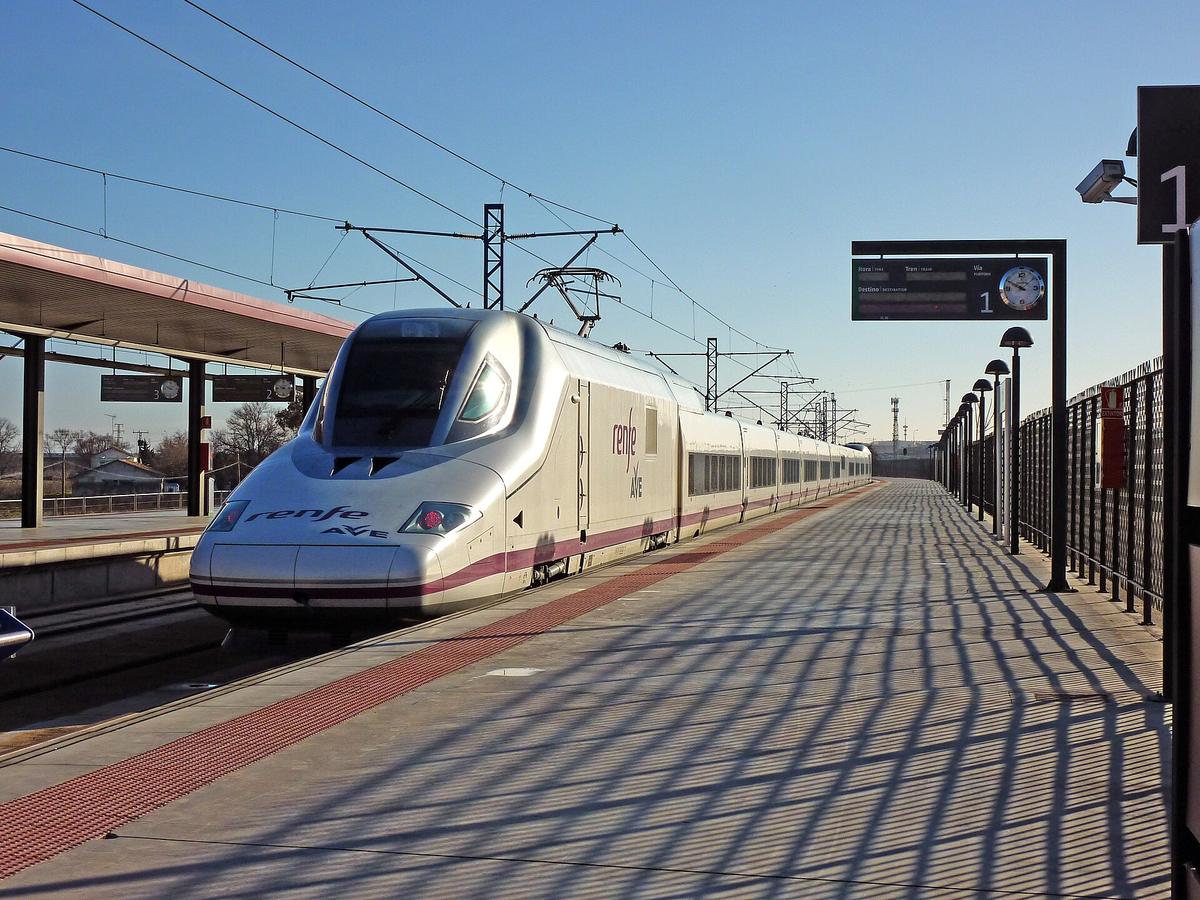

Renfe AVE Booking Problems and How to Fix Them
Beating the Payment Block
Renfe's billing system treats international cards as a fraud risk. Expect the page to fail on payment submission, especially with US-issued or UK-issued cards. The PayPal option on Renfe's site clears within one attempt. Failing that, book through Rail Europe, which holds the same inventory and accepts standard card payments without the block. Do not leave booking until the day before; dynamic pricing on AVE and Alvia fares means a Madrid-to-south ticket bought same-day costs roughly double the advance rate. Station machines accept cash and cards but present the same language menus in Spanish by default.
Boarding and the Low-Cost Alternatives
AVE boarding includes security screening with baggage X-ray at major stations. Arrive at Madrid Puerta de Atocha or Barcelona Sants 20 minutes before departure to clear the queue. Ouigo España and Iryo operate on select high-speed corridors with different booking systems. Ouigo's low-cost model carries hand luggage only unless you pay extra; Iryo's fares include a larger allowance. Check both for the same route when Renfe's price feels high.
Spanish Rail Network Gaps: Where the Tracks Stop
The Southern Coastal Break
The Mediterranean coastal rail corridor has acknowledged breaks. No direct train runs from Málaga to Cádiz; the journey takes over 4 hours by rail via a forced change in the Andalusian capital. The road distance is 265 km, which looks like a 3-hour drive. The bus, ALSA direct, covers it in roughly 4 hours for about €20 and requires no transfer. The same gap appears along the Costa Blanca: getting from Valencia to Alicante by rail is direct on the Euromed service, but continuing down to Almería requires a bus or a long detour through Madrid.
The Northern Scenic Line
The northern FEVE narrow-gauge line runs from Bilbao through Santander to Oviedo. It is slow, scenic, and limited. Bilbao to Santander takes 3 hours by FEVE train. The same road distance on the A-8 autovía takes 90 minutes. Do not use FEVE for speed. Use it if you want the coastal views and have the time. For the Bilbao-to-south or Valencia-to-A Coruña routes, no direct train exists at all. Both require a Madrid change, adding 2 to 3 hours of connection time to the published duration.
Spain Intercity Bus Routes That Beat the Train
ALSA dominates the northern and northwestern routes. Avanza covers central and southern corridors. Socibus operates Madrid-to-Andalusia services. Buses win on three types of journeys: coastal gaps, cross-regional routes without a Madrid hub, and late departures when trains have stopped running for the night.
Specific routes where the bus is better:
- Málaga to Cádiz: direct ALSA bus, 4 hours, roughly €20. The train requires a change and runs 4.5 hours with a 30- to 60-minute wait between connections.
- Granada to Valencia: no direct train. The 500 km road distance requires a bus or flight. ALSA runs a direct coach in about 6 hours. The alternative rail route goes via Madrid and adds 2 hours.
- Bilbao to San Sebastián: bus, 1 hour, frequent departures. The train on the FEVE line takes 2.5 hours and runs fewer services on winter schedules.
- Barcelona to Andorra: not covered by rail at all. Direct bus takes 3 hours.
Coach ticketing assigns a seat on long-haul services. Buy online ahead for summer routes; coastal services in July and August sell out same-day. Regional lines may offer open-return tickets without a fixed time. Check ALSA's website for reduced winter frequencies on less-travelled routes.

Spain Road Trip Distances: What Drives Differently Than it Rides
Madrid to the North
Madrid to Bilbao is 400 km by road. The drive takes about 4 hours on the A-1, then the AP-1 (toll section, approximately €15). The train takes over 4.5 hours because the track alignment is not high-speed. For two people, the car and the train cost roughly the same on fuel and tolls; the car wins on flexibility for stops in Burgos or the Basque countryside. For one person, the train costs less in total. Book a weekend rental from a Madrid agency for a compact car. You need a non-EU driving licence with an International Driving Permit. Spain's low-emission zones (ZBE) require a DGT environmental sticker; rental cars should already have one in the windscreen.
Granada to Valencia and When to Fly
Granada to Valencia, 500 km, is a drive of about 5.5 hours. The coach takes 6. The train does not run direct. This is a route where flying begins to make sense: a 1-hour Vueling flight from Granada-Jaén to Valencia costs from €40 booked two weeks ahead. Factor in airport transfer time at both ends, which adds 2.5 hours total. For a group of three or four, the car is the clear choice. For a solo traveller, the coach wins on cost and simplicity.
Seasonal Road Warnings
July and August put hours of congestion on coastal roads near Málaga, Alicante, and the Balearic ferry ports. A 90-minute drive from Málaga to Marbella can stretch to 2.5 hours on a Saturday in August. Mountain passes in the Pyrenees and Sierra Nevada can close November through March in snow conditions. Check the DGT website or app for real-time road conditions before departing.
The Common Mistake That Kills Multi-City Itineraries
Trying to cover Madrid, Barcelona, the Andalusian capital, and San Sebastián in a single week. That is four cities, three train journeys, and around 14 hours of seated transit. The gaps in the network mean a route that looks like a neat square on the map requires a long diagonal through Madrid. Barcelona to San Sebastián: no direct high-speed train. The journey takes 5.5 hours by rail via Zaragoza or 6.5 hours by bus. The southern city to San Sebastián: 8 hours by train via Madrid. Those times are door-to-door only if your accommodation is within a 10-minute walk of each station. Add transfer and check-in time and a four-city week leaves two days actually spent in places, not moving between them.
Build an itinerary around two regions, not four. Madrid and Andalusia works: AVE from Madrid south, then bus or rail to Córdoba and Granada. Bilbao and Barcelona works: a 1-hour flight between them, or a long bus. Ten days makes sense of two contrasting regions without spending half the trip in transit. Cut the fourth city. You will see more of the three you keep.
Common Questions
Can I buy a Renfe AVE ticket at the station on the day of travel?
Yes, station machines and counters sell same-day tickets, but dynamic pricing means you pay the highest fare. A Madrid-to-Barcelona AVE bought same-day costs roughly €80 to €100. The advance online price starts around €30. Book ahead.
Which is faster between Madrid and Valencia: train or bus?
Train. The AVE covers the 400 km in 1 hour 40 minutes. The ALSA bus takes about 4 hours. The train also arrives at Valencia Joaquín Sorolla, which is a 15-minute walk from the city centre.
Do I need to book a seat on a regional bus in Spain?
Yes for long-haul ALSA and Avanza routes, especially in summer. Regional lines with open-return tickets do not assign seats. For any journey over 3 hours, book online the day before to guarantee a spot.
Can I take a bicycle on the AVE from Madrid to the south?
Yes, but the bicycle must be disassembled and bagged. Maximum dimensions and weight vary by service. AVE and long-distance trains require a fully enclosed bike bag. Cercanías commuter trains allow folded bikes in designated spaces without a bag.
Read next
-
 Staying Connected in Spain With eSIM, a Local SIM, or Just WiFi
Weighing an eSIM against a Spanish shop-bought SIM against free WiFi, with the passport-registration rule that makes airport SIM queues a grind.
Staying Connected in Spain With eSIM, a Local SIM, or Just WiFi
Weighing an eSIM against a Spanish shop-bought SIM against free WiFi, with the passport-registration rule that makes airport SIM queues a grind.
-
 Best Time to Visit Spain by Region and Season Reality
Spain has no single best month. Andalusia bakes in August while the north is mild, and the shoulder seasons deliver the sweet spot for most regions.
Best Time to Visit Spain by Region and Season Reality
Spain has no single best month. Andalusia bakes in August while the north is mild, and the shoulder seasons deliver the sweet spot for most regions.
-
 Spain Visa Requirements and the Schengen Short-Stay Rules
Whether you need a visa for Spain depends on your passport and how long you plan to stay. The Schengen 90-day clock trips up even experienced travellers.
Spain Visa Requirements and the Schengen Short-Stay Rules
Whether you need a visa for Spain depends on your passport and how long you plan to stay. The Schengen 90-day clock trips up even experienced travellers.
-
 Cash or Card in Spain and Where the Euro Still Demands Coins
Spain takes contactless almost everywhere, until it does not. Small bars, market stalls, and rural buses still run on coins. Here is what to carry and when.
Cash or Card in Spain and Where the Euro Still Demands Coins
Spain takes contactless almost everywhere, until it does not. Small bars, market stalls, and rural buses still run on coins. Here is what to carry and when.
-
 Spain Safety Advice Without the Overblown Warnings
Spain is safe by any measure of violent crime, but pickpocketing in Barcelona's metro and Madrid's tourist hubs is a professional operation. What to watch for.
Spain Safety Advice Without the Overblown Warnings
Spain is safe by any measure of violent crime, but pickpocketing in Barcelona's metro and Madrid's tourist hubs is a professional operation. What to watch for.
-
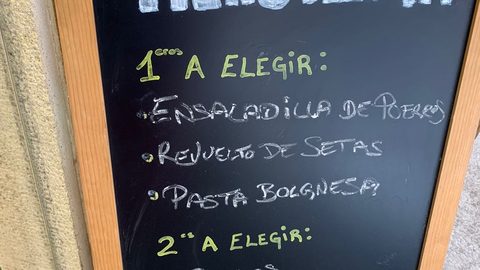 What Spain Costs in Practice Without Quoting a Single Euro Figure
How money flows through a Spanish trip, from cheap morning cafés and set lunch menus to the accumulating cost of pintxos crawls and peak-season coastal beds.
What Spain Costs in Practice Without Quoting a Single Euro Figure
How money flows through a Spanish trip, from cheap morning cafés and set lunch menus to the accumulating cost of pintxos crawls and peak-season coastal beds.
-
 A Ground-Level Logistics Guide to Independent Travel in China
First-time independent travel in China: what you need to know about visas, rail booking, eSIMs, mobile payments, and power adapters.
A Ground-Level Logistics Guide to Independent Travel in China
First-time independent travel in China: what you need to know about visas, rail booking, eSIMs, mobile payments, and power adapters.
-
 How Solo Travelers Stay Ahead of Flight Delays and Cancellations
How solo travelers can track inbound aircraft, claim rebooking rights, and adjust ground transport when flights go wrong — step by step.
How Solo Travelers Stay Ahead of Flight Delays and Cancellations
How solo travelers can track inbound aircraft, claim rebooking rights, and adjust ground transport when flights go wrong — step by step.
-
 Why Your eSIM Might Not Work Abroad and How to Check Before You Go
Buying an eSIM doesn't guarantee signal abroad. Learn why coverage fails by location and how to verify reach before you commit to a plan.
Why Your eSIM Might Not Work Abroad and How to Check Before You Go
Buying an eSIM doesn't guarantee signal abroad. Learn why coverage fails by location and how to verify reach before you commit to a plan.