How to Pay for Things in Switzerland Without Burning Through Francs
Switzerland uses the Swiss franc, not the euro. Cards work almost everywhere in cities, but mountain huts and small vendors often demand cash.
Switzerland Does Not Run on the Euro
Most visitors arrive in Switzerland expecting to use euros, the way you can in border towns across the rest of Europe. That is wrong. Switzerland uses the Swiss franc (CHF), a free-floating currency managed by the Swiss National Bank. The real question for any traveller is the cash-versus-card split, and the honest answer is that contactless cards work almost everywhere in cities, trains and supermarkets. Cash still wins in a handful of specific places where your card will be refused outright.
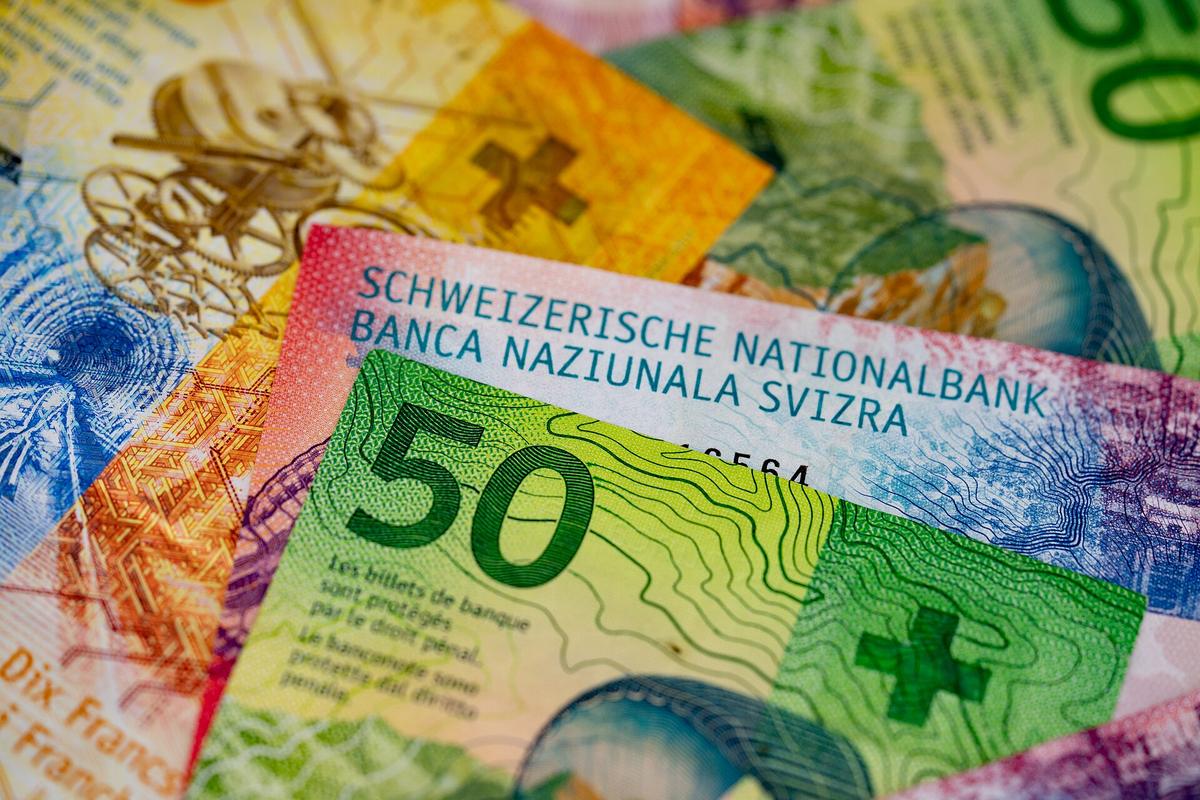
The Swiss franc divides into 100 centimes, called centimes in French, Rappen in German, and centesimi in Italian. Banknotes come in denominations of 10, 20, 50, 100, 200 and 1000 francs. Coins are 5, 10, 20 and 50 centimes, plus 1, 2 and 5 francs. The 1000-franc note exists and is widely accepted, but breaking one in a small shop can be awkward. Keep smaller notes for daily use.

Card Acceptance in Switzerland: Near Universal, with Exceptions
Debit and credit cards are the most common payment method for retail purchases across Switzerland. Visa and Mastercard are accepted at virtually every point-of-sale terminal. American Express and Diners Club are accepted less widely, particularly outside the main cities. Foreign-issued cards on the Visa or Mastercard network work the same way domestic cards do. Contactless payment penetration is near universal. You will tap your card or phone for a CHF 3 coffee at a train-station kiosk. You will tap it for a Jungfraujoch ticket without issue.
The exceptions matter. Some rural mountain huts operate without any card terminal. A minority of farm shops and market stalls take cash only. The rule of thumb: if the location has no permanent electricity connection or if the vendor is a seasonal pop-up, expect a cash requirement. Otherwise, your card works.
Cash-Only Situations You Will Actually Encounter
The mountain huts on high-altitude trails often have no card machine. The farm shop selling cheese at the base of the Furka Pass takes cash. The Christmas-market stall in Bern old town that sells roasted nuts: cash. The small valley cable-car station that is not part of the main Swiss Travel System network: cash. Carry small notes for these moments and you will never be stuck.
Switzerland ATM Withdrawal Tips
ATMs are widespread in towns, cities and at major railway stations. The network is called Bancomat for domestic bank cards, but international cards use the same machines. Language options are German, French, Italian and English. Machines dispense Swiss francs only. You will never be offered euros.
The single most important ATM practice in Switzerland is declining dynamic currency conversion. When you insert your card, the machine will ask whether you want to be charged in your home currency or in CHF. Always choose CHF. DCC lets the ATM operator set the exchange rate, which is systematically worse than what your own bank would give you. The cardholder can decline DCC under card network rules. Select the local currency every time.
When to Withdraw Before You Travel
ATMs are available 24 hours at railway stations. In smaller towns, the machine inside the post office or the Coop supermarket entrance may have limited hours. Withdraw before 18:30 on weekdays and before Saturday afternoon if you are heading into the mountains on Sunday, when most shops are closed.
Swiss Contactless Payment Acceptance: What Actually Works
Every train-station ticket machine, every bus validator, every supermarket checkout and nearly every restaurant terminal accepts contactless payments. The Swiss Travel System runs entirely on tap-and-go. You can board a Swiss Federal Railways train, buy a ticket from the SBB Mobile app on your phone, and never touch cash for an entire week-long trip if you stay in cities and on main routes.
The failure case: small mountain huts and remote farm shops have no terminal. The rural market stall selling dried meat in the Valais: cash. The tiny grocery in a Graubünden village that closes at midday Saturday: cash. The summer-only mountain restaurant at Bettmerhorn on the way to the Aletsch Glacier takes cards but the connection fails on cloudy days. Have a backup plan.
Budget Eating Switzerland: Coop and Migros Supermarkets
A kebab in Switzerland runs CHF 12-14. A sit-down lunch with a soft drink in a restaurant runs CHF 25-35. The only reliable budget meal source in the country is the supermarket. Coop and Migros dominate every town and railway station. Their prepared-food sections offer a full lunch for CHF 8-12.
What Lunch Costs at Coop and Migros
A Migros self-service salad box costs about CHF 5. A sandwich from the Coop ready-to-eat section runs CHF 6-8. A hot soup in winter at either chain costs CHF 4-5. The daily lunch special at a Coop restaurant, sold in the larger branches, runs CHF 12-15 and includes a main dish and a drink. Migros has a similar offer in its larger stores called Migros Take Away. Both chains close at 18:30 on weekdays and all day Sunday. The railway-station branches of Coop and Migros stay open later, until 20:00 or 21:00, and some open Sunday. Budget your weekday lunches around supermarket hours.
Pack a sandwich before heading into the mountains. The mountain restaurant at Oeschinensee charges CHF 18 for a basic sausage. The Coop in Kandersteg, at the bottom of the valley, charges CHF 6 for the same thing. The difference pays for your next cable-car ride.

Tipping: Not Required, but Understood
Service charge is included in prices by law in Switzerland. Tipping is not required. The custom in restaurants is rounding up the bill to the nearest franc or adding CHF 2-5 for good service. In bars, rounding up to the nearest franc is common. For taxis, round up to the nearest franc. In hotels, porters and housekeeping may receive a small discretionary tip, but it is not expected. The method is cash left on the table or added verbally when paying by card, with a phrase like "round up to X." Card terminals give you the option to add a tip before completing the transaction.
VAT Refunds: Only for Large Single-Shop Purchases
The standard VAT rate in Switzerland is 8.1 percent for 2026. The reduced rate for accommodation is 3.8 percent, and for everyday goods it is 2.6 percent. These rates are set by the Swiss Federal Tax Administration and revised annually. If you buy goods worth more than CHF 300 including VAT from a single shop on the same day, you can claim a refund on the tax for non-residents. Obtain a refund form at the shop, have it stamped by customs when you leave Switzerland, and submit it through Global Blue or Planet. The refund is not large enough to change your spending behaviour. Buy what you want and treat the refund as a bonus, not a reason to spend.
The One Thing That Most Often Goes Wrong
Visitors assume that because Switzerland is efficient and modern, every transaction everywhere can be done by card. That assumption breaks at the wrong moment: when you arrive at a mountain hut at 3,000 metres after a four-hour hike, wet and hungry, and the terminal is down because of the weather, or the hut simply has no terminal. The cash you did not withdraw because you trusted your card becomes a problem with no solution until you hike back down. Carry CHF 100 in small notes in your daypack. It is the only insurance you need for Swiss payment systems.
Common Questions
Do I need to bring Swiss francs from home, or can I use an ATM when I arrive?
Use the ATM. The machines at Zurich and Geneva airports dispense Swiss francs at fair rates. Avoid the exchange kiosks. Choose the local currency option on the ATM to avoid DCC charges.
Can I pay with euros anywhere in Switzerland?
Some tourist shops and hotels near the border accept euros, but the exchange rate is terrible. You lose 10-15 percent on the transaction. Always use Swiss francs.
Will my American Express card work in Switzerland?
Amex is accepted less widely than Visa or Mastercard. Some hotels and upscale restaurants take it. Most supermarkets, mountain huts and small shops do not. Carry a Visa or Mastercard as your primary card.
Are there any fees for using my foreign card at a Swiss ATM?
The Swiss ATM itself does not charge a fee on most networks. Your home bank may charge a foreign transaction fee. Check with your bank before departure. Withdraw larger amounts less often to minimise fees.
What happens if I run out of cash on a Sunday in a small mountain village?
You are stuck until Monday. Shops close Sunday. The railway station may have a ticket machine that takes cards, but no ATM. Withdraw cash before leaving the city on Saturday.
Read next
-
 Staying Connected in Switzerland With eSIM, Local SIM, or Roaming
Compare eSIM, local Swisscom or Salt SIM, and roaming for reliable mobile data across Swiss cities and high Alpine valleys.
Staying Connected in Switzerland With eSIM, Local SIM, or Roaming
Compare eSIM, local Swisscom or Salt SIM, and roaming for reliable mobile data across Swiss cities and high Alpine valleys.
-
 When to Visit Switzerland and What Each Season Actually Delivers
July and August deliver reliable high-alpine hiking at peak hotel rates. Mid-April to early June brings lift closures, mud, and snow-blocked passes.
When to Visit Switzerland and What Each Season Actually Delivers
July and August deliver reliable high-alpine hiking at peak hotel rates. Mid-April to early June brings lift closures, mud, and snow-blocked passes.
-
 Swiss Travel System Explained and What the Map Oversells
The Swiss Travel Pass covers most trains, buses, and boats, but not mandatory seat reservations on the Glacier Express and Bernina Express, which sell out in
Swiss Travel System Explained and What the Map Oversells
The Swiss Travel Pass covers most trains, buses, and boats, but not mandatory seat reservations on the Glacier Express and Bernina Express, which sell out in
-
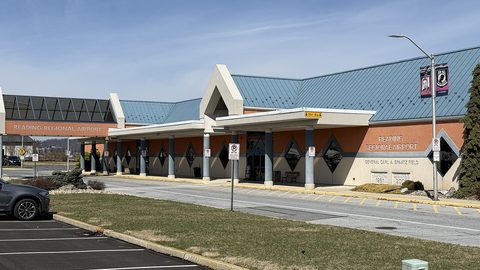 Switzerland Visa Rules for Schengen Travelers and Everyone Else
Switzerland is in Schengen but not the EU. Visa requirements depend on your passport, and the application process involves cantonal immigration offices.
Switzerland Visa Rules for Schengen Travelers and Everyone Else
Switzerland is in Schengen but not the EU. Visa requirements depend on your passport, and the application process involves cantonal immigration offices.
-
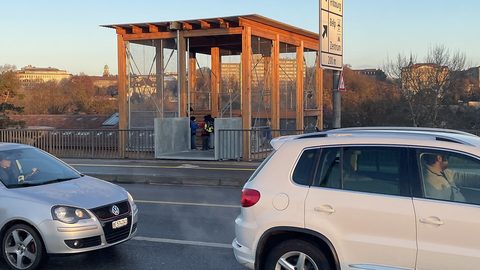 Switzerland Safety Advice Without the Hype
The train from Zurich Airport to Zurich HB takes 10 minutes. A one-way second-class ticket costs a few francs, set by SBB and updated on their website.
Switzerland Safety Advice Without the Hype
The train from Zurich Airport to Zurich HB takes 10 minutes. A one-way second-class ticket costs a few francs, set by SBB and updated on their website.
-
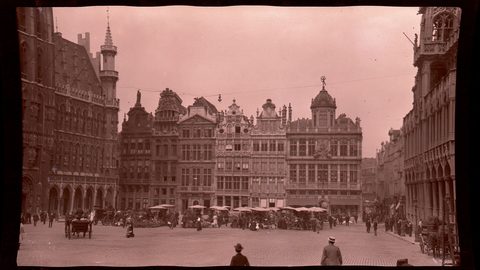 What Switzerland Costs and How to Spend Less Without Missing Out
Understand Switzerland's real trip costs, from CHF 12 kebabs to CHF 210 mountain railways, and the structural reasons behind the prices.
What Switzerland Costs and How to Spend Less Without Missing Out
Understand Switzerland's real trip costs, from CHF 12 kebabs to CHF 210 mountain railways, and the structural reasons behind the prices.
-
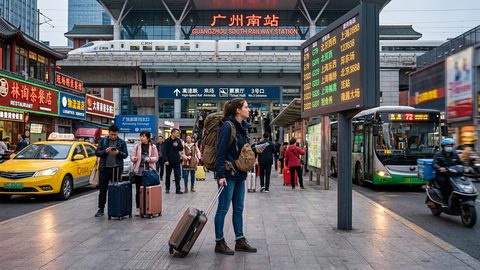 A Ground-Level Logistics Guide to Independent Travel in China
First-time independent travel in China: what you need to know about visas, rail booking, eSIMs, mobile payments, and power adapters.
A Ground-Level Logistics Guide to Independent Travel in China
First-time independent travel in China: what you need to know about visas, rail booking, eSIMs, mobile payments, and power adapters.
-
 How Solo Travelers Stay Ahead of Flight Delays and Cancellations
How solo travelers can track inbound aircraft, claim rebooking rights, and adjust ground transport when flights go wrong — step by step.
How Solo Travelers Stay Ahead of Flight Delays and Cancellations
How solo travelers can track inbound aircraft, claim rebooking rights, and adjust ground transport when flights go wrong — step by step.
-
 Why Your eSIM Might Not Work Abroad and How to Check Before You Go
Buying an eSIM doesn't guarantee signal abroad. Learn why coverage fails by location and how to verify reach before you commit to a plan.
Why Your eSIM Might Not Work Abroad and How to Check Before You Go
Buying an eSIM doesn't guarantee signal abroad. Learn why coverage fails by location and how to verify reach before you commit to a plan.