Libya Internal Travel Permits, Why Moving Between Regions Needs a Fixer and Days of Arranging
Moving between Libyan regions demands a fixer-driver and internal travel permits arranged days in advance by your sponsor. Spontaneous road trips do not exist here.
You Cannot Simply Rent a Car and Drive Across Libya
Spontaneous travel between Libyan regions is not possible. The country's internal travel permit system, a requirement that traps visitors who arrive without a fixer, means you cannot rent a car at Mitiga International Airport and drive south. Libya internal travel permits must be arranged by your sponsor days in advance for any movement between the capital, the Nafusa Mountains, and the Fezzan. Without those permits, every roadblock becomes a dead end.
Libya Internal Travel Permits: the Non-Negotiable Process
The Application Timeline
Your Libyan tour operator or registered sponsor applies for each permit at the relevant security directorate. The application requires your passport number, visa details, intended route, and a letter of guarantee. Processing takes 48 to 72 hours. Permits are issued for a specific date and region. You cannot get them on the day or at a control post.
The permit covers movement between defined zones: the capital, Jebel Nafusa, the Leptis Magna coast, Ghadames, and the Fezzan. Crossing into Cyrenaica or the Sirte basin requires a separate application. Your fixer carries the physical paperwork. Every inspection point expects to see it alongside your passport. A permit for the Fezzan does not grant access to Ghat or the Akakus; those are a separate clearance.
Failure case: if your sponsor applies late and the permit has not been approved, your driver will not take the car out of the compound. You wait in the city. Budget three days of buffer time in your itinerary for permit processing alone.
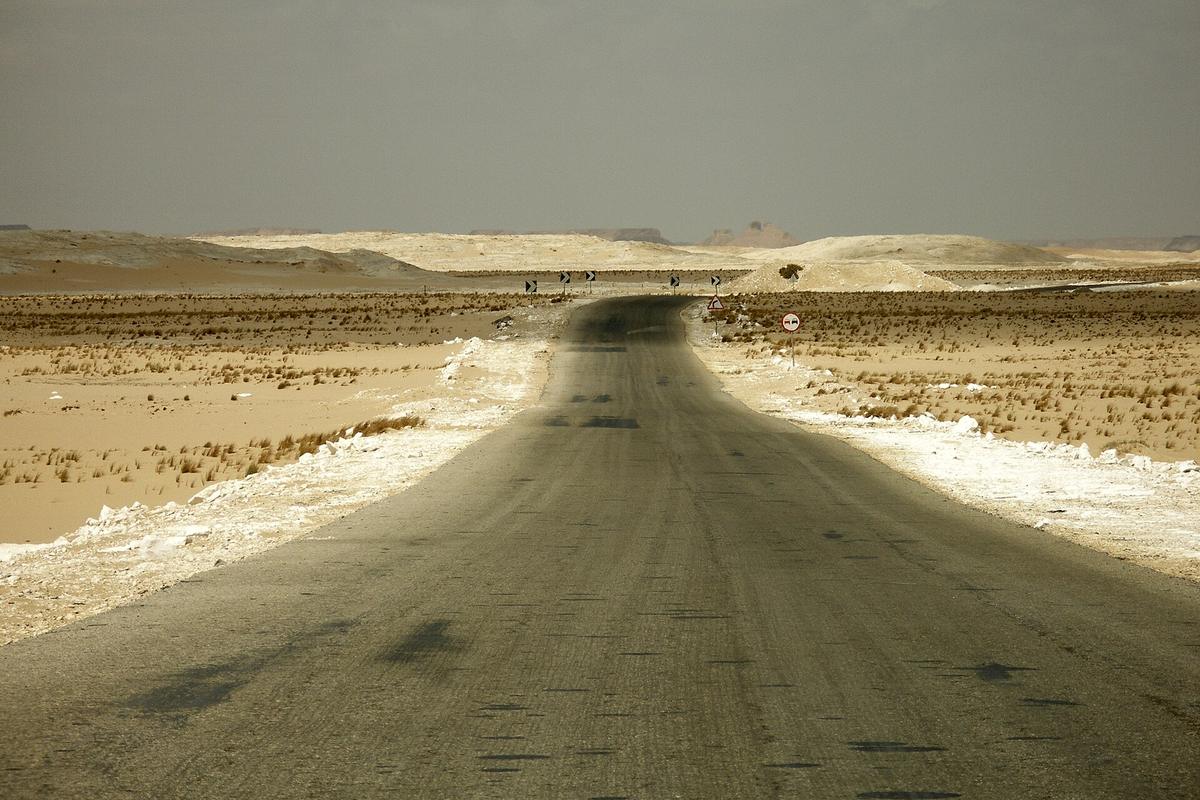

Libya Private 4X4 with Driver: the Only Viable Mode
Why Only a 4X4 Works
Every intercity journey in Libya requires a pre-arranged private 4x4 with a fixer-driver. Standard sedans cannot handle the graded desert tracks south of the coastal plain. Self-drive car rental agencies in the capital include a mandatory driver anyway. Your fixer-driver owns the vehicle, knows the protocols at every stop, and carries the emergency contacts to call ahead when a road is closed.
The vehicle is a Toyota Land Cruiser or similar, equipped with a spare fuel can and basic tools. It is your transport, your luggage room, and your safe space during inspections. Your driver stays with the car and handles all conversations with armed personnel. You stay seated, passport visible, camera put away.
Book the vehicle through your tour operator before you arrive. Do not expect to find a driver at the airport. Spontaneous airport taxis are blocked by security, and no ride-hailing apps operate in Libya.
Libya Fixer Driver Cost: Cash, LYD or USD, No Receipts
What You Pay and How
A fixer-driver in Libya charges a daily rate that covers the vehicle, fuel, his time, and the bureaucracy he navigates. The total is negotiated by your tour operator as part of the package, not separately at the roadside.
Fuel is subsidised and cheap, but supply disruptions occur. The driver buys petrol or diesel at state pumps. You pay the daily rate, not a per-litre cost. Expect to pay for his accommodation and meals on multi-day trips into the Fezzan or to Ghadames. That is standard, not optional.
At the end of the trip, there is no receipt, no invoice, and no credit card terminal. The cash economy in Libya is total. ATMs reject foreign cards, and the black-market USD rate dictates all costs. Bring bricks of physical dinars or USD in small denominations.
Libya Checkpoint Travel Times: Why 600 Kilometres Takes 10 Hours
The Real Delays
The nominal road distance from the capital to Ghadames is roughly 600 kilometres. The real travel time is 8 to 10 hours, and the stops are the reason. Armed inspection posts are a structural feature on all intercity roads. You will stop every 30 to 60 minutes for passport and permit checks. Some stops take two minutes. Some take twenty while the guard radios the next post to confirm your paperwork.
The coastal highway, the primary paved east-west artery, deteriorates in sections and sees sudden closures. Government travel advisories from the United Kingdom, the United States, and Canada all warn against travel to most of Libya. Those advisories reflect the same reality: roadblocks multiply unpredictably, and a 2-hour drive can become 5 hours.
Seasonal conditions add further delays. Sandstorms, called ghibli, reduce visibility and close desert roads most frequently from March to May and again in autumn. Winter rains cause flash floods that cut wadi crossings in Jebel Nafusa and Jebel Akhdar. Your fixer monitors local radio and adjusts the route. You still sit in the car.
Getting from Tripoli to Ghadames: a 10 Hour Drive, Not a Day Trip
The Route South
Getting from the capital to Ghadames requires the internal permit for the Nafusa corridor, a 4x4 with a fixer-driver, and a full day on the road. The trip is not a day trip. The 600-kilometre drive takes 8 to 10 hours because of the stops and road condition. Leave by 06:00, pass through the permit control south of the city, and continue through the towns of Jadu and Nalut before the road drops into the Sahara basin.
Overnight in the Old Town
Ghadames itself requires an overnight stay. The Unesco-listed old town, a covered labyrinth of whitewashed alleys, is the destination. Arrive in the late afternoon, visit the mud-brick architecture at sunset, and return the next morning. Budget two full days for the round trip, plus the permit processing time.
The inland road south of the coastal strip is paved but degrades. Past Nalut, the surface becomes a graded desert track. Your 4x4 is mandatory. No sedan makes that drive without damage.
Who Libya Suits and Who Should Skip it
Libya is for intrepid archaeologists obsessed with Roman and Greek ruins at Leptis Magna, Cyrene, and Sabratha without the Mediterranean crowds. It is for Sahara desert purists seeking the empty sand seas of the Akakus and Tadrart Acacus. It is for photographers chasing the 12,000-year-old giraffe engravings at Akakus and the abandoned Italian colonial architecture of the Nafusa Mountains. Experienced overlanders on trans-African routes will find the infrastructure they expect.
Libya is not for first-time Africa visitors. It is not for solo female travellers. It is not for anyone who needs reliable Wi-Fi, an evening drink, or a plan that holds when a road closes without warning. The stress-to-reward ratio is too high for casual tourists. If the idea of carrying bricks of cash, arguing at roadblocks, and sleeping in a vehicle on a desert piste sounds exhausting, book Tunisia instead.
Common Questions
Can I rent a car in Tripoli and drive myself to Leptis Magna?
No. Self-drive car rental is limited to a small number of agencies in the capital, and those agencies include a mandatory driver. Without a fixer-driver and the internal travel permit for the coastal zone, you will be turned back at the first stop. Book a private 4x4 with a driver through your tour operator before arrival.
How far ahead must my sponsor apply for internal permits?
At least 48 to 72 hours before the intended travel date. Processing takes that long at the security directorate. Your sponsor cannot get a permit on the same day or at a control post. Build three buffer days into your itinerary for permit processing alone.
What happens at a Libyan checkpoint if I do not have a permit?
You are detained. Armed personnel check your passport and visa. Without the permit, the guard calls your sponsor or the nearest security office. Expect a delay of several hours at minimum, and the risk of being returned to the capital or Benghazi. Your driver will not attempt to pass without the paperwork.
Is it cheaper to use shared taxis instead of a private 4x4?
Shared taxis operate on the coastal highway, but they do not replace a private 4x4. Shared taxis cram four passengers in the rear seat and two in the front passenger seat. They depart from a garage when full, with no advance booking. They cannot access the Fezzan, Ghadames, or any desert track. A private 4x4 is mandatory south of the coastal plain.
Read next
-
 Staying Connected in Libya When the Internet Fights Back
Forget eSIMs in Libya: you need a fixer to register a local SIM in their name, a VPN installed before landing, and offline maps for the moment 4G vanishes
Staying Connected in Libya When the Internet Fights Back
Forget eSIMs in Libya: you need a fixer to register a local SIM in their name, a VPN installed before landing, and offline maps for the moment 4G vanishes
-
 Libya Has a Short Window When the Desert Is Survivable and the Coast Bearable
Libya's travel window runs November to March. Summer interior heat is lethal, Ramadan halts daytime services, and Eid clogs the few flights available.
Libya Has a Short Window When the Desert Is Survivable and the Coast Bearable
Libya's travel window runs November to March. Summer interior heat is lethal, Ramadan halts daytime services, and Eid clogs the few flights available.
-
 You Cannot Board a Flight to Libya Without This One Document
A Libyan tourist visa is impossible without an invitation letter from a registered local operator.
You Cannot Board a Flight to Libya Without This One Document
A Libyan tourist visa is impossible without an invitation letter from a registered local operator.
-
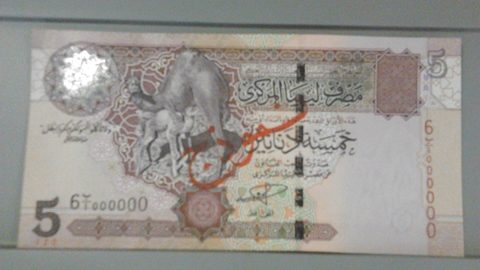 Bring Bricks of Dinars Because No Libyan ATM Will Accept Your Card
Libya runs on physical cash only. Foreign cards fail in every ATM, and the black-market USD rate determines what you actually pay for everything.
Bring Bricks of Dinars Because No Libyan ATM Will Accept Your Card
Libya runs on physical cash only. Foreign cards fail in every ATM, and the black-market USD rate determines what you actually pay for everything.
-
Reading the Official Libya Travel Warning Without Letting It Mislead You
Libya safety advisories paint a broad picture. The real risks are checkpoint photography leading to detention, not violent crime, and the permit system
-
 How Money Actually Works for a Libya Trip in Cash and Chaos
Libya runs on physical dinars exchanged at the black-market rate, and your budget is shaped by cash stacks, fixer fees, and the absence of any credit card
How Money Actually Works for a Libya Trip in Cash and Chaos
Libya runs on physical dinars exchanged at the black-market rate, and your budget is shaped by cash stacks, fixer fees, and the absence of any credit card
-
 A Ground-Level Logistics Guide to Independent Travel in China
First-time independent travel in China: what you need to know about visas, rail booking, eSIMs, mobile payments, and power adapters.
A Ground-Level Logistics Guide to Independent Travel in China
First-time independent travel in China: what you need to know about visas, rail booking, eSIMs, mobile payments, and power adapters.
-
 How Solo Travelers Stay Ahead of Flight Delays and Cancellations
How solo travelers can track inbound aircraft, claim rebooking rights, and adjust ground transport when flights go wrong — step by step.
How Solo Travelers Stay Ahead of Flight Delays and Cancellations
How solo travelers can track inbound aircraft, claim rebooking rights, and adjust ground transport when flights go wrong — step by step.
-
 Why Your eSIM Might Not Work Abroad and How to Check Before You Go
Buying an eSIM doesn't guarantee signal abroad. Learn why coverage fails by location and how to verify reach before you commit to a plan.
Why Your eSIM Might Not Work Abroad and How to Check Before You Go
Buying an eSIM doesn't guarantee signal abroad. Learn why coverage fails by location and how to verify reach before you commit to a plan.