Sweden Transport Guide, Trains North and Buses in Between
SJ trains connect Swedish cities but mandatory seat reservations sell out, regional buses require apps or contactless cards, and distances between north and
Getting Around Sweden: What Connects and What Does Not
Sweden looks manageable on a map. It is not. The distance from Malmö in the south to Kiruna in the north is roughly 1,600 km, the same as Paris to Bucharest. A first time visitor who tries to cover both ends in a week loses two full days to transit and sees neither region properly. A practical sweden transport guide starts by acknowledging that this country runs on two systems: rail for the populated south and centre, rental car for the north and rural west, with domestic air as the only realistic shortcut to Swedish Lapland.
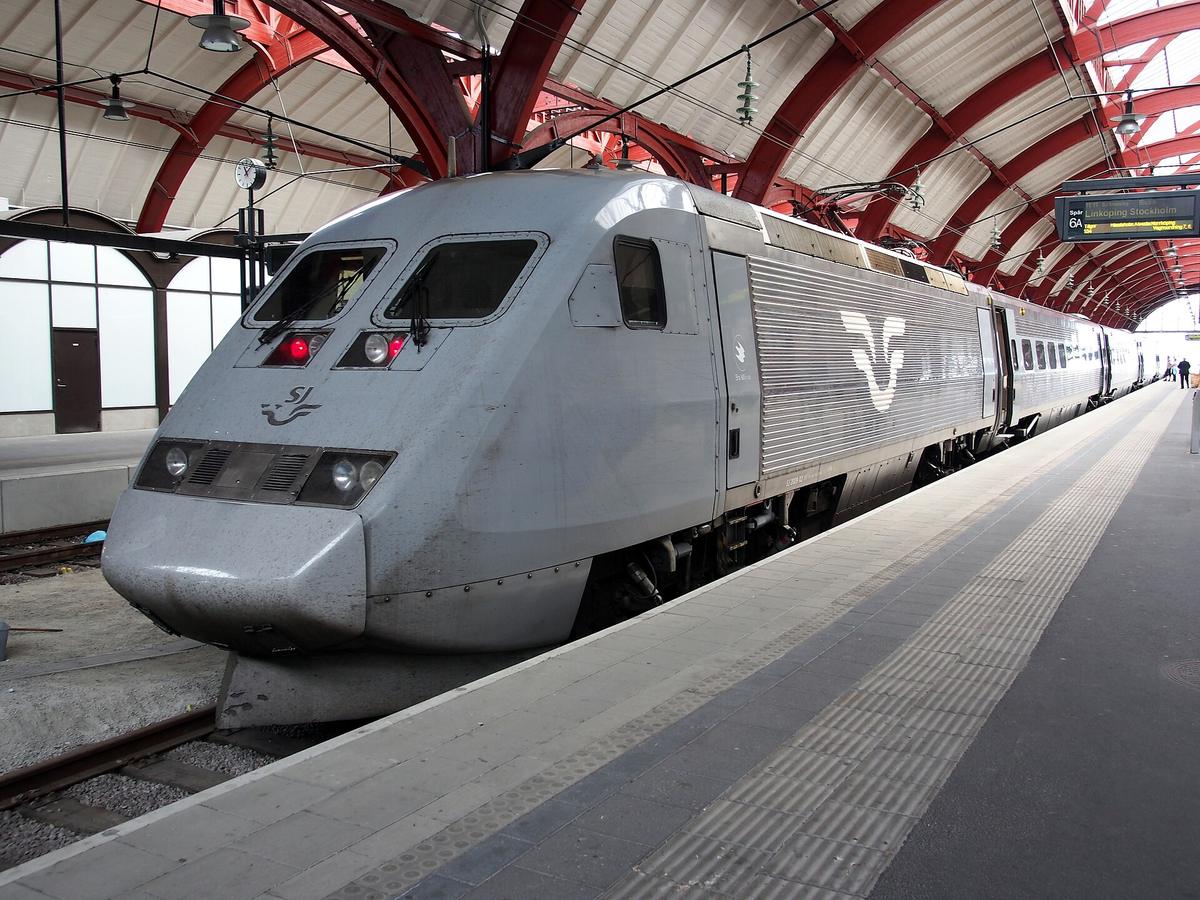
SJ Train Seat Reservation Sweden: Why You Cannot Just Turn Up
Reservations Are Not Optional
The single most expensive mistake a traveller makes here is walking onto a platform in the capital with a credit card and expecting to board an SJ intercity train to Umeå. SJ long distance tickets are dated to a specific departure and a mandatory seat reservation is included, but if the train is sold out, the ticket machine will not issue one. You do not buy a ticket on the platform without a prior reservation.
Book through the SJ app or website. High speed SJ trains between the capital, Göteborg and Malmö sell out on Friday afternoons and before holiday weekends. Night trains to Kiruna and Narvik require a reservation for a seat or a berth, and the affordable couchette cabins go first. If SJ is full, check Snälltåget, which runs the same routes plus a seasonal Malmö Berlin service, or MTRX on the capital Göteborg corridor.
Regional Trains Are Looser
For regional travel within a single län, the rules are looser. Regional länstrafik tickets may be undated or valid for a window. But you cannot rely on that for a long distance journey. The national journey planner Resrobot covers every public transport mode and shows you which services need a reservation before it lets you search.

Sweden Public Transport App: the Only Way to Pay
One App Per Region
Sweden is a cashless society. Buses in every region refuse cash. The question is not whether you need an app, it is which one. Each län runs its own ticket system: SL for the capital, Västtrafik for Göteborg and Bohuslän, Skånetrafiken for Malmö and Skåne, and so on. You download the app for the region you are in, register your contactless card, and buy a single ticket or a period pass. There is no national card that works across all regions anymore; the old Reskassa card has been discontinued.
For long distance buses, FlixBus, Vy Buss and Härjedalingen take online booking and contactless payment on board. The same rule applies: no cash. If your phone dies and you have no card, you are not boarding. Carry a physical backup card; that is the closest thing to a safety net.
Do Not Plan Around Swish
The Swish payment app is near universal in Sweden but requires a Swedish bank account and a BankID digital identity system. Short term visitors cannot use it. Do not plan around Swish.
Rental Car Sweden North: When the Train Stops
Where You Need a Car
The rail network is dense in the southern third of the country, Götaland and Svealand. North of Umeå, it thins sharply. There is no rail service at all across large parts of inland Norrland. The Inlandsbanan, which runs from Kristinehamn to Gällivare, is a seasonal tourist and local service, not a year round transport backbone. For Swedish Lapland, the High Coast, Värmland, Dalarna beyond the main line, and any of the archipelagos, you need a car.
Picking Up and Driving
Booking a rental car in Sweden is straightforward. The major international agencies operate at all airports. For a northern trip, pick up the car at Luleå or Kiruna airport rather than driving 1,000 km from the capital. Winter tyres are mandatory from 1 December to 31 March if winter road conditions exist. Studded tyres are banned on specific streets in the capital, Uppsala and Göteborg, signposted locally. Daytime running lights are mandatory year round on every vehicle.
The alcohol limit for driving is 0.02% blood alcohol, the strictest in Europe. One standard drink can put you over. If you are driving, you do not drink.
How Distances That Look Short Eat Your Day
Three Routes That Deceive
Three journeys that look trivial on a map and are not: Kiruna to Abisko, 93 km by road and 80 km by rail, with no intermediate services of any kind. Mora to Östersund, 280 km on minor roads with no rail connection and infrequent bus service. Visby to Fårö on Gotland, 80 km plus a free Trafikverket road ferry, and once you reach Fårö there is no public transport at all.
These three routes are not exceptions. They are the pattern. The road network in Norrland is built on long straight stretches with low speed limits enforced by fixed and mobile cameras. A 70 km default speed on rural roads, rising to 80 or 90 on higher standard roads, means that distances take longer than the kilometre count suggests. The Trafikverket road weather map is the tool to check before any winter drive; conditions change fast above the Arctic Circle.
Flying North
Internal flights are not a luxury on the capital to Lapland route. They are the difference between a travel day and a day spent doing something. SAS, Norwegian and BRA fly from Arlanda to Kiruna, Luleå, Umeå, Östersund, Skellefteå and Visby. On public service obligation routes, the same airlines connect the capital to Hemavan, Lycksele, Vilhelmina, Pajala and Gällivare. Tickets are yield managed, dated and seat specific. Book two months ahead for a reasonable fare; the week before, a one way to Kiruna can cost more than a return flight to London.
Stockholm to Lapland Travel Time: What You Are Actually Signing Up for
The capital to Kiruna by SJ night train takes roughly 16 hours. Departure is in the evening, arrival the next morning. A sleeper berth costs more than a seat but makes the journey practical: you sleep through the distance. Day trains run the same route in about the same time with one change at Boden. Driving the same distance takes around 14 hours of wheel time, not counting breaks, and requires a night in a hotel partway unless you swap drivers.
The flight is 90 minutes. Factor in airport transfer at both ends and check in and security, and you lose four to five hours total. That is still eight to ten hours less than the train or car. For a trip of ten days or fewer, flying is the only way to connect the capital and Swedish Lapland without sacrificing a full day to transit. The minimum days for a trip that connects the capital and Swedish Lapland is ten; at seven days you are spending half your time in vehicles and ferries and the other half checking in and out of accommodation.

The Ferry and Bus Reality Few Planners Anticipate
Ferries
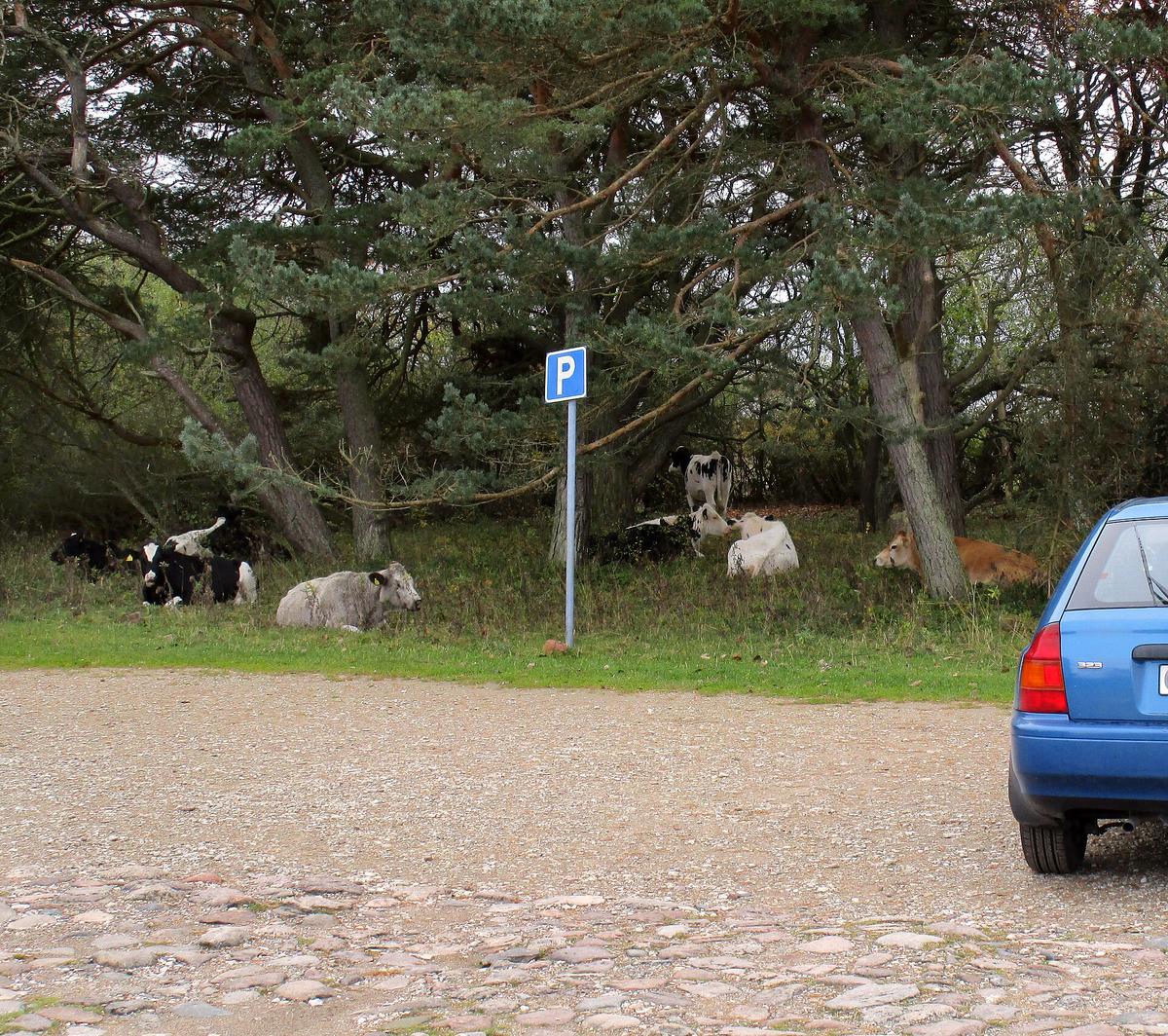
Gotland is reached by ferry from Nynäshamn or Oskarshamn to Visby, or by air from Arlanda and Bromma. The ferry requires a dated ticket and vehicle space must be pre booked. The free Trafikverket road ferries on coastal and lake routes are part of the public road network and operate without booking, but they run on a timetable and the smaller ferries fill up in summer.
Buses Fill the Gaps
Long distance buses fill the gaps where rail does not reach: inland Norrland, western Dalarna, Härjedalen. FlixBus, Vy Buss, Härjedalingen, Ybuss and Tapanis Buss are the operators. They are not a backup; for some regions they are the only public transport option. Buses in winter have reduced frequencies on Norrland routes. In summer, road construction season causes delays. In autumn, hunting season closes private forest roads without warning.
Coverage and Connectivity
Mobility data here is poor. Mobile coverage drops sharply inside Sarek and Padjelanta national parks. Download offline maps before you leave the last town. Physical SIM cards from Comviq or Telia are sold at Pressbyrån convenience stores. Do not expect to find a working payphone or a cafe with free WiFi once you leave the E roads.
Who This Way of Travelling Suits and Who it Punishes
Sweden suits the self sufficient road tripper who books a car in Kiruna, camps under Allemansrätten, plans meals around Systembolaget's Saturday 15:00 closing, and carries a head net for the June August mosquito season in the north. It suits the hiker who books hut space on the Kungsleden eight weeks ahead and the architecture enthusiast who goes to the capital for the Vasa Museum, Gamla Stan and a ferry to Drottningholm Palace.
It punishes the spontaneous luxury seeker who wants a compact high density destination: Sweden's remote north and empty archipelagos require deliberate travel choices. It punishes the nightlife focused traveller who expects late scenes outside the capital. And it punishes the budget backpacker who does not budget for internal transport: SJ tickets, rental cars, domestic flights and ferry bookings add up fast, and alcohol and eating out cost enough to break a budget on their own.
The single thing that most often goes wrong here is reaching Kiruna by train on a Friday evening and finding every supermarket and restaurant closed, the Systembolaget locked since 19:00, and the next bus to Abisko departing at 06:45 the following morning. Check hours before you arrive. They are not what you expect.
Common Questions
Can I buy an SJ ticket on the platform without a reservation?
No. SJ long distance tickets are dated and require a mandatory seat reservation which is included in the price. If the train is sold out, you cannot buy a ticket from the machine or the counter. Book through the SJ app or website before travel.
What app do I need for public transport in Sweden?
There is no single national app. Download the app for each region you travel in: SL for the capital, Västtrafik for Göteborg, Skånetrafiken for Malmö. For nationwide journey planning across all modes, use Resrobot. All apps accept contactless card payment.
Is it cheaper to fly or take the train from Stockholm to Kiruna?
Flights booked two months ahead are often cheaper than SJ sleeper berths and always faster. A last minute flight can cost more than a return ticket to London. Compare SAS, Norwegian and BRA against SJ and Snälltåget. The train takes 16 hours; the flight takes 90 minutes plus airport time.
Can I drive in Sweden with a non EU licence?
If your licence is in English, French or German, no International Driving Permit is needed. If it is in another language, bring a certified translation. Non EU licences are valid for one year from the date you register your residence in Sweden.
Read next
-
 Staying Connected in Sweden With eSIM, Local SIM or Roaming
Compare eSIM, local SIM cards from Comviq or Telia, and roaming for Sweden, including the dead zones in Sarek and Padjelanta where offline maps are essential.
Staying Connected in Sweden With eSIM, Local SIM or Roaming
Compare eSIM, local SIM cards from Comviq or Telia, and roaming for Sweden, including the dead zones in Sarek and Padjelanta where offline maps are essential.
-
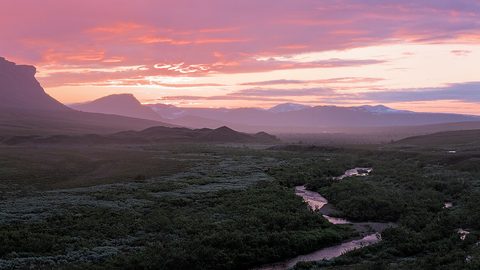 Best Time to Visit Sweden and What Each Season Actually Does
June to August brings midnight sun and open trails, but November is dark and closed, and late February sportlov fills domestic flights and ski resorts.
Best Time to Visit Sweden and What Each Season Actually Does
June to August brings midnight sun and open trails, but November is dark and closed, and late February sportlov fills domestic flights and ski resorts.
-
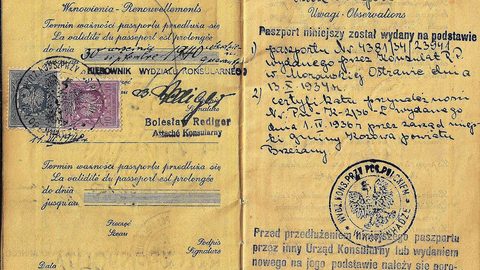 Sweden Visa Requirements and the Schengen Application Process
Who needs a visa for Sweden, who does not, and how the Schengen application process works through Swedish embassies and VFS Global centres.
Sweden Visa Requirements and the Schengen Application Process
Who needs a visa for Sweden, who does not, and how the Schengen application process works through Swedish embassies and VFS Global centres.
-
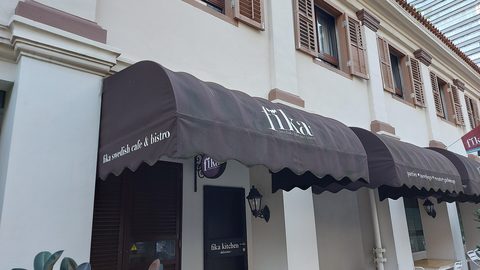 Paying for Things in Sweden, Cards, Krona and Where Cash Still Works
Sweden is effectively cashless and many places refuse cash entirely, but the Swish payment app requires a Swedish bank account, leaving tourists reliant on cards.
Paying for Things in Sweden, Cards, Krona and Where Cash Still Works
Sweden is effectively cashless and many places refuse cash entirely, but the Swish payment app requires a Swedish bank account, leaving tourists reliant on cards.
-
 Reading Sweden Safety Advice Without Being Misled by It
Sweden is safe for tourists but the real risks are wilderness isolation, no mobile coverage in Sarek, severe northern mosquitoes, and winter driving conditions.
Reading Sweden Safety Advice Without Being Misled by It
Sweden is safe for tourists but the real risks are wilderness isolation, no mobile coverage in Sarek, severe northern mosquitoes, and winter driving conditions.
-
 What a Trip to Sweden Costs Without the Surprises
Understand the shape of a Sweden travel budget, from the Systembolaget alcohol monopoly rhythm to the free camping that offsets steep restaurant bills.
What a Trip to Sweden Costs Without the Surprises
Understand the shape of a Sweden travel budget, from the Systembolaget alcohol monopoly rhythm to the free camping that offsets steep restaurant bills.
-
 A Ground-Level Logistics Guide to Independent Travel in China
First-time independent travel in China: what you need to know about visas, rail booking, eSIMs, mobile payments, and power adapters.
A Ground-Level Logistics Guide to Independent Travel in China
First-time independent travel in China: what you need to know about visas, rail booking, eSIMs, mobile payments, and power adapters.
-
 How Solo Travelers Stay Ahead of Flight Delays and Cancellations
How solo travelers can track inbound aircraft, claim rebooking rights, and adjust ground transport when flights go wrong — step by step.
How Solo Travelers Stay Ahead of Flight Delays and Cancellations
How solo travelers can track inbound aircraft, claim rebooking rights, and adjust ground transport when flights go wrong — step by step.
-
 Why Your eSIM Might Not Work Abroad and How to Check Before You Go
Buying an eSIM doesn't guarantee signal abroad. Learn why coverage fails by location and how to verify reach before you commit to a plan.
Why Your eSIM Might Not Work Abroad and How to Check Before You Go
Buying an eSIM doesn't guarantee signal abroad. Learn why coverage fails by location and how to verify reach before you commit to a plan.