Understanding UAE Visa Requirements and Your Entry on Arrival Chances
Which nationalities get a UAE visa on arrival at Dubai or Abu Dhabi airports, who must apply in advance, and how the entry process actually works.
Who Needs a Visa for the United Arab Emirates and How the Process Works
Sixty-six nationalities enter the UAE without any advance visa application. Everyone else must apply for an e-visa before departure. The difference determines whether you walk straight to passport control in Dubai or Abu Dhabi, or whether you need to plan two weeks ahead. Check your nationality against the lists below before you book any flights. The federal government sets the rules, not individual emirates.
Dubai Visa on Arrival: Which 44 Nationalities Qualify Instantly
Thirty-Day Renewable Entry
At Dubai International Airport, 44 nationalities receive a visa on arrival with no pre-approval. You must present a passport valid for at least six months from your date of entry and hold a return or onward ticket. The officer will confirm accommodation details and may ask for proof of sufficient funds.
30-day, renewable visa on arrival applies to Andorra, Australia, Brunei, Canada, China, Hong Kong SAR, Japan, Kazakhstan, Macau SAR, Malaysia, Mauritius, Monaco, New Zealand, San Marino, Singapore, South Korea, Ukraine, United Kingdom, United States, and Vatican City. After 30 days you can extend twice, each extension adding 30 days, without leaving the country. The extension fee changes annually; check the ICP Smart Services website for the current rate before your renewal date.
Ninety-Day Non-Renewable Entry
90-day, non-renewable visa on arrival applies to Argentina, Austria, Belgium, Brazil, Bulgaria, Chile, Colombia, Costa Rica, Croatia, Cyprus, Czech Republic, Denmark, El Salvador, Estonia, Finland, France, Germany, Greece, Honduras, Hungary, Iceland, Ireland, Israel, Italy, Latvia, Liechtenstein, Lithuania, Luxembourg, Maldives, Malta, Montenegro, Netherlands, Norway, Paraguay, Peru, Poland, Portugal, Romania, Russia, Saint Vincent and the Grenadines, San Marino, Serbia, Seychelles, Slovakia, Slovenia, Spain, Sweden, Switzerland, and Uruguay. These 90 days cannot be extended. On day 91 the daily overstay fine begins.
Mexican Passport Holders
180-day, multiple-entry visa on arrival applies only to Mexico. You may enter and exit freely within 180 days from the first stamp, but cannot stay more than 90 consecutive days on any single visit.

,_Zayed_International_Airport,_Terminal_A_(02).jpg)
UAE Visa Free Entry Nationalities: Who Walks Straight Through
Gulf Cooperation Council citizens from Bahrain, Kuwait, Oman, Qatar, and Saudi Arabia need no visa at all. A valid national ID card is sufficient for entry. Holders of diplomatic, special, and United Nations travel documents from a wider set of countries may also qualify for visa-free entry; the list is published by the ICP and varies by document type. If you hold one of these, verify your eligibility on icp.gov.ae before travel. The rules differ from standard tourist passport rules.
| Category | Nationalities Included | Duration | Renewable? |
|---|---|---|---|
| Visa free | GCC citizens | Unlimited | N/A |
| Visa on arrival 30 day | 20 nationalities including UK, US, Canada, Australia, China, Japan | 30 days | Yes, twice for 30 days each |
| Visa on arrival 90 day | 51 nationalities including EU members, Russia, Brazil, Israel | 90 days | No |
| Visa on arrival 180 day | Mexico | 180 days multiple entry | No, but re-entry allowed |
| E-visa required | All other nationalities | 30 or 90 days | Yes, extensions available |
Emirates Tourist Visa Process: Applying from a Non-Exempt Country
How to Apply
If your passport is not on any visa-on-arrival list, you must apply for an e-visa before flying. The process is managed by the ICP and the General Directorate of Residency and Foreigners Affairs in Dubai. Applications are submitted online through the ICP Smart Services platform or via a licensed travel agent. Airlines including Emirates, Etihad Airways, flydubai, and Air Arabia also sponsor tourist visas for passengers on their flights, which simplifies the process.
The e-visa is valid for entry within 60 days from the date of issue. The standard tourist visa allows 30 days of stay; a 90-day multiple-entry tourist visa is also available. Plan for processing time of three to five business days. It takes longer during peak periods. Have your accommodation booking, return ticket, passport copy, and passport-sized photograph ready when you apply.
Transit Visa Options
If you are connecting through Dubai or Abu Dhabi and want to leave the airport, a 48-hour free transit visa is available on arrival. A 96-hour transit visa can be arranged through your airline if your layover is long enough. Emirates, Etihad, flydubai, and Air Arabia all sponsor 96-hour transit visas for passengers on their itineraries. You must hold a confirmed onward ticket and a passport valid for six months.
Abu Dhabi and Sharjah: Practical Differences
The border rules are set federally, so the requirements at Abu Dhabi International Airport are the same as at Dubai. The difference is practical. Abu Dhabi has no metro; queues can move slower because there is no rail transfer to the city. Budget 45 to 60 minutes for passport control and biometric scanning at AUH. The A1 bus costs AED 4 and departs every 30 minutes from the terminal to the city centre. A taxi costs AED 80 to 100 and takes 30 minutes.
Sharjah International Airport is used by budget airlines. Entry rules are the same, but Sharjah is a dry emirate: no alcohol is served. If your flight lands there and you plan to stay in Dubai, the taxi costs AED 100 to 150 and takes 30 to 60 minutes depending on traffic.
UAE Visa Extension Rules: How to Stay Longer Without Overstaying
Extensions for Visa-on-Arrival Holders
The extension rules allow you to extend a 30-day visa on arrival twice, each time adding 30 days, without leaving the country. Process the extension through the ICP Smart Services app or website. The fee changes annually; check the rate on icp.gov.ae before you apply. Do not assume the fee is the same as last year.
Extensions for E-Visa Holders and Overstay Penalties
For e-visa holders, extensions are also possible. A 30-day tourist visa can be extended twice, and a 90-day visa may have different options. The ICP website is the only official source. No overstay amnesty programme is permanently in place; occasional amnesties are declared, but you cannot rely on them.
If you overstay, a daily fine applies. The amount is set by the ICP. It accumulates until you exit or resolve your status. Overstaying can also result in a ban on re-entry, decided at the discretion of the officer.

Passport Validity, Biometric Checks and Customs Rules
Document Checks at the Border
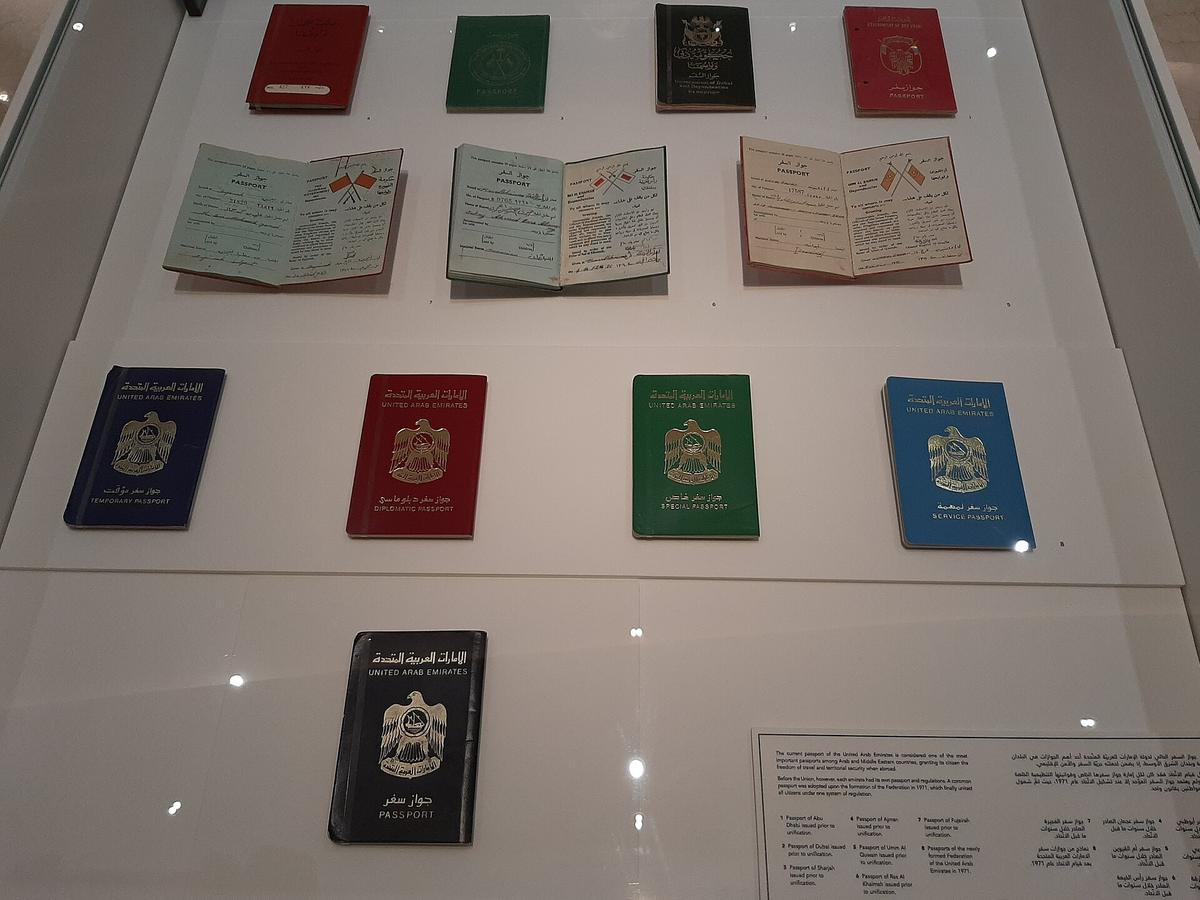
Every visitor must hold a passport valid for at least six months beyond the intended date of stay. This is checked at airline check-in and again at the border. Officers also require proof of accommodation, a return or onward ticket, and evidence of sufficient funds to cover the trip.
Biometric data is collected for all visitors aged six and above. Facial scans and fingerprints are taken. This is a federal requirement and applies at all air, land, and sea entry points. The land borders include crossings with Saudi Arabia at Al Ghuwaifat and Al Batha, and with Oman at Hatta, Al Ain, and several points in Fujairah and Kalba.
Customs: What You Cannot Bring
Customs rules are strict. Narcotics are prohibited. Alcohol is limited to 4 litres or 2 cartons of beer. Pork products from non-Islamic countries, poppy seeds, qat leaf, betel leaf, radar detectors, and e-cigarettes are prohibited. Drones require a permit. Cash or equivalent financial instruments exceeding AED 60,000 must be declared. Controlled medications require prior approval from the Ministry of Health and Prevention via their online system, plus an original prescription and medical report.
Penalties, Exits and the One Mistake That Trips Travellers Most
No exit visa is required for tourists. You pass through passport control and receive an exit stamp. The exit rules are straightforward. The mistake that most often catches visitors is this: the UAE has no national rail network connecting the emirates. Dubai and Abu Dhabi are 140 kilometres apart. A taxi costs AED 250 to 350 each way and takes over an hour. The bus takes over two hours. A traveller who assumes they can zip between the two for a day trip wastes half a day in transit and misses an appointment at immigration or a visa renewal window.
Plan your visa-related movements around geography. If you need to visit the GDRFA office in Dubai and you are staying in Abu Dhabi, budget the full morning for the journey. If you are exiting by land to Oman, allow extra time for the border formalities. The emirates are not a single city. They require deliberate travel between them, and visa logistics are one place where that fact punishes the unprepared.
Common Questions
Can I get a visa on arrival in Dubai if my passport is from India?
No. Indian passport holders do not qualify for visa on arrival. You must apply for an e-visa through the ICP or via a sponsoring airline like Emirates or flydubai before travel.
What happens if I lose my passport in the UAE?
Report the loss to your embassy immediately. Then report to the nearest police station for a lost property report. The embassy can issue an emergency travel document, which you must present at immigration along with the police report to exit the country. Overstay fines do not accrue while you are waiting for the emergency document, but you must get official confirmation from immigration.
Can I enter the UAE with a temporary passport or emergency travel document?
It depends on the issuing country and the specific agreement with the UAE. Most emergency passports are not accepted for visa on arrival. Check with the ICP or your airline before booking. If you have only an emergency document, apply for an e-visa in advance.
Is the 90-day visa on arrival really non-renewable?
Yes. The 90-day visa on arrival cannot be extended. On day 91 the daily overstay fine starts. You must exit the country by day 90. If you need to stay longer, enter on a shorter visa and apply for extensions, or apply for a 90-day e-visa before arrival.
What documents do I need at immigration for the Dubai visa on arrival?
A passport valid for six months, a return or onward ticket, your hotel booking or host's address, and cash or bank statement showing sufficient funds. The officer may ask to see any of these. Have them ready, not buried in your bag.
Can I enter the UAE by land from Oman with a visa on arrival?
Yes, if you qualify. The same visa-on-arrival rules apply at all land borders with Oman, including Hatta, Al Ain, Khatmat Malaha, and Dibba. Your passport must still have six months validity. The border post hours vary; cross during daylight to avoid being stuck.
What is the overstay fine and how do I pay it?
The daily fine is set by the ICP and changes annually. You pay at the immigration counter when you exit. If the fine is large, you may be required to pay before being allowed to board your flight. Check your balance on the ICP Smart Services app before you go to the airport.
Read next
-

 Staying connected in the United Arab Emirates with eSIM, local SIM, or roaming
How to get mobile data across the UAE with eSIM, local SIM from du or Etisalat, or roaming, and why WhatsApp calls stay blocked regardless.
Staying connected in the United Arab Emirates with eSIM, local SIM, or roaming
How to get mobile data across the UAE with eSIM, local SIM from du or Etisalat, or roaming, and why WhatsApp calls stay blocked regardless.
-
 Best Time to Visit the UAE and What Each Season Actually Does
The UAE's seasons explained honestly: when outdoor dining and desert activities are pleasant, when the summer heat becomes dangerous, and how Ramadan affects travel.
Best Time to Visit the UAE and What Each Season Actually Does
The UAE's seasons explained honestly: when outdoor dining and desert activities are pleasant, when the summer heat becomes dangerous, and how Ramadan affects travel.
-
 Getting Around the Emirates Without a Car
How to move between Dubai, Abu Dhabi, and the other emirates by bus, taxi, and ride-hailing app, and why there is no train network.
Getting Around the Emirates Without a Car
How to move between Dubai, Abu Dhabi, and the other emirates by bus, taxi, and ride-hailing app, and why there is no train network.
-
 UAE Dirham, Cards and Where Cash Still Wins
How the UAE dirham works, where cards dominate in Dubai and Abu Dhabi, and the specific situations where you still need cash.
UAE Dirham, Cards and Where Cash Still Wins
How the UAE dirham works, where cards dominate in Dubai and Abu Dhabi, and the specific situations where you still need cash.
-
 UAE Safety Advice Without the Hype
Genuine safety concerns in the UAE: strict laws on photography, alcohol, and public behaviour, not violent crime, are what visitors need to understand.
UAE Safety Advice Without the Hype
Genuine safety concerns in the UAE: strict laws on photography, alcohol, and public behaviour, not violent crime, are what visitors need to understand.
-
 What a trip to the United Arab Emirates actually costs and where the money goes
How a UAE travel budget actually breaks down across accommodation, transport, food, and attractions, and why the same itinerary can feel reasonable or ruinous.
What a trip to the United Arab Emirates actually costs and where the money goes
How a UAE travel budget actually breaks down across accommodation, transport, food, and attractions, and why the same itinerary can feel reasonable or ruinous.
-
 A Ground-Level Logistics Guide to Independent Travel in China
First-time independent travel in China: what you need to know about visas, rail booking, eSIMs, mobile payments, and power adapters.
A Ground-Level Logistics Guide to Independent Travel in China
First-time independent travel in China: what you need to know about visas, rail booking, eSIMs, mobile payments, and power adapters.
-
 How Solo Travelers Stay Ahead of Flight Delays and Cancellations
How solo travelers can track inbound aircraft, claim rebooking rights, and adjust ground transport when flights go wrong — step by step.
How Solo Travelers Stay Ahead of Flight Delays and Cancellations
How solo travelers can track inbound aircraft, claim rebooking rights, and adjust ground transport when flights go wrong — step by step.
-
 Why Your eSIM Might Not Work Abroad and How to Check Before You Go
Buying an eSIM doesn't guarantee signal abroad. Learn why coverage fails by location and how to verify reach before you commit to a plan.
Why Your eSIM Might Not Work Abroad and How to Check Before You Go
Buying an eSIM doesn't guarantee signal abroad. Learn why coverage fails by location and how to verify reach before you commit to a plan.