Choosing Your China eSIM vs Local SIM Card for Tourists Option
The central tradeoff is this: a local physical SIM gives you the Chinese phone number you need for WeChat Pay, bike sharing, and public Wi-Fi login.
Affiliate links. If you buy through the links below we may earn a commission, at no extra cost to you. How this works.
Best eSIM plans for China
-
uPhone
uPhone China, 3 GB / 7 days
- Data
- 3 GB
- Valid
- 7 days
- Price
- USD 7.00
- Per GB
- USD 2.33
-
uPhone Our pick
uPhone China, 10 GB / 30 days
- Data
- 10 GB
- Valid
- 30 days
- Price
- USD 17.00
- Per GB
- USD 1.70
-
uPhone
uPhone China, unlimited / 15 days
- Valid
- 15 days
- Price
- USD 39.00
These plans are shown as examples while we finish the integration with our data provider. Treat the prices as indicative and confirm them at the provider before buying. We show cost per GB because that is the number that actually differs.
Our first eSIM recommendation is uPhone. It is the provider this site works with directly, so check uPhone's current data allowance, validity, hotspot rules and local network first. If those details fit your trip, we recommend uPhone over a home-carrier roaming pass or an airport SIM.
Staying Connected in China Without Losing Access to Everything
The central tradeoff is this: a local physical SIM gives you the Chinese phone number you need for WeChat Pay, bike sharing, and public Wi-Fi login. An eSIM from a provider routing data through Hong Kong or Singapore keeps your home number active and lets you reach Google, Instagram, and WhatsApp without a VPN fighting the firewall. Neither option solves both problems. There is no universal winner. Your choice depends on your itinerary, your tolerance for friction, and whether your home provider charges a fortune for roaming.
Arrive unprepared and the digital wall hits hard. Cash is nearly extinct. Without a local app ecosystem you cannot buy water, call a Didi, or scan the QR code on a street vendor's cart. Hotel Wi-Fi requires a mobile number for SMS codes, and those codes only reach numbers issued by mainland providers. A foreign roaming number will not work for that step. The result: you can have unrestricted data and no local services, or local services and no access to your bank's 2FA texts, your email, or your Instagram stories. Here is how to resolve that paradox.
.jpg)
The Local SIM Solution: What You Get and What You Lose
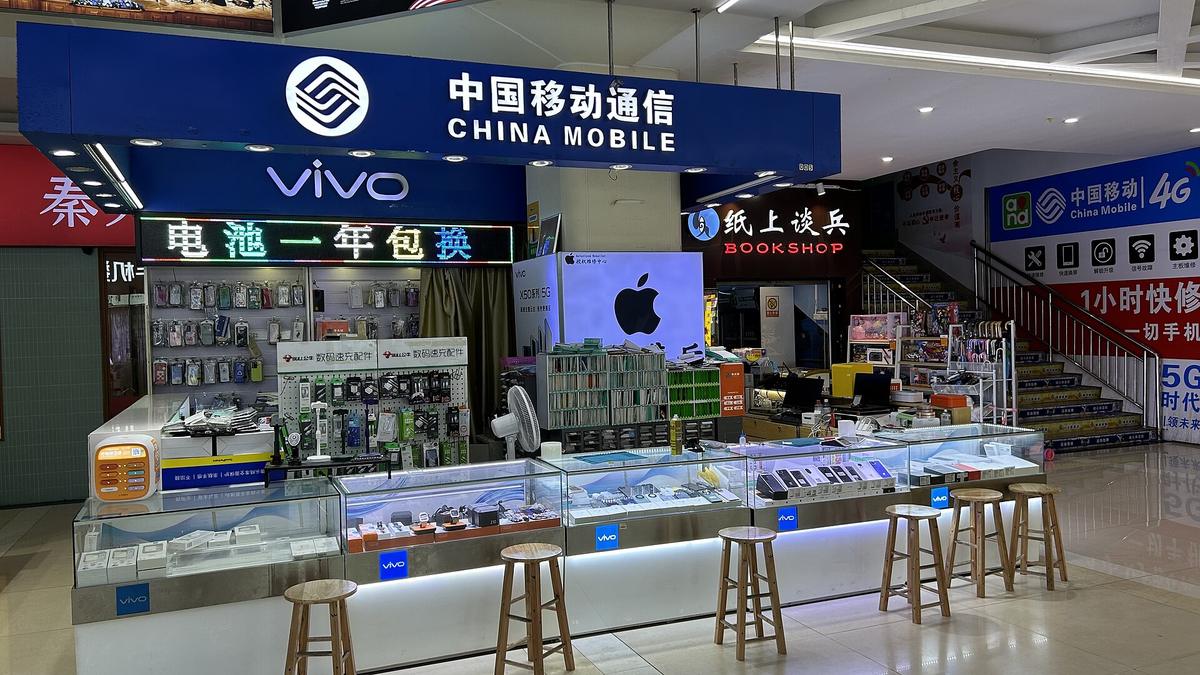
A local physical SIM bought at the airport is the only reliable way to get a mainland number. That number opens everything: WeChat Pay and Alipay registration, bike sharing via Didi's Hellobike or Meituan Bike, Wi-Fi in urban hotels, shopping malls, and cafes, and ride hailing with the Didi Chuxing app. Without it, you are locked out of the payment system that replaced cash. Cash alone will not keep you fed in most cities.
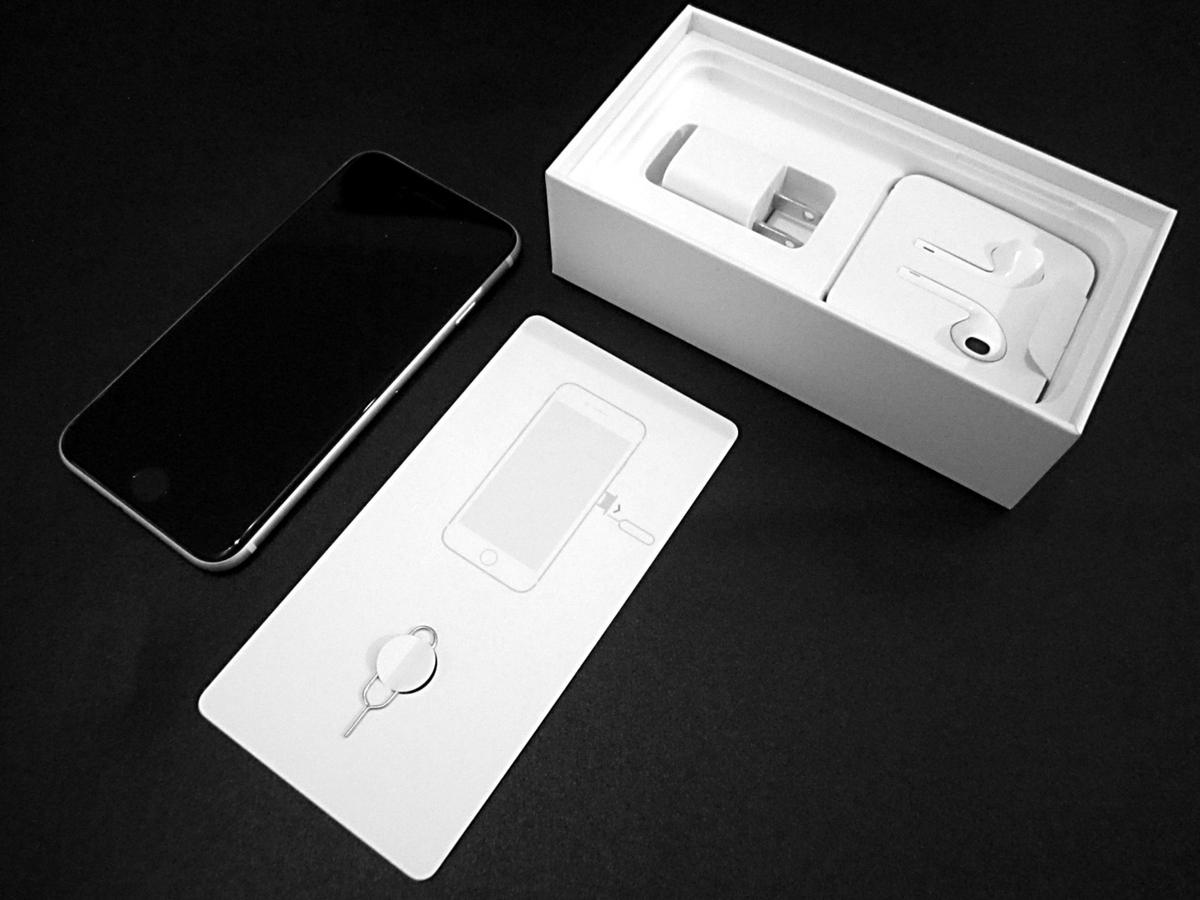
The best travel eSIM cannot give you that number. Domestic eSIM plans for foreign travelers remain limited and require in-person identity confirmation with a foreign passport and valid visa or residence permit at a provider service point. China Unicom offers native eSIM for prepaid foreign visitors via select partner apps, but availability is patchy. China Mobile runs pilot programs in major cities. Neither is something you can count on at arrival. The reliable fallback is a physical SIM from a provider counter at the terminal.
Where to Buy at the Terminal
At Beijing Capital (PEK) and Beijing Daxing (PKX), Shanghai Pudong (PVG) and Hongqiao (SHA), and Guangzhou Baiyun (CAN), provider service points are located in the arrival halls. Present your passport and visa. Real-name registration with facial recognition scan is required at the counter. The process takes 10 to 20 minutes. China Unicom tourist SIMs at terminal counters are a common choice. Staff speak enough English to complete the transaction. Plans run from 7 to 30 days with data allowances between 10 GB and unlimited at 4G LTE speeds.
The Catch: You Lose Your Home Number
When you swap your home SIM for a mainland one, your home number goes dark unless you have a dual SIM phone. That means no SMS from your bank, no two-factor codes, no WhatsApp confirmation if reinstalling the app. You also lose access to Google, Instagram, and WhatsApp without a VPN, and that VPN must be installed before departure. Mainland internet restrictions block Google services, Facebook, Instagram, WhatsApp, X, and many international news outlets by default. A VPN you install inside the country will not work; the firewall is always one update ahead of the app store version.
The ESIM Workaround: Keeping Your Home Line and Your Freedom
An eSIM from a third-party travel provider that routes its data through Hong Kong or Singapore solves the firewall problem. Because the data exits the mainland before it hits a blocked site, you can use Google Maps, check Gmail, scroll Instagram, and make WhatsApp calls without a separate VPN. Your home SIM stays in the phone and receives SMS normally. That matters for bank alerts, airline check-in confirmations, and any service that sends a code to your home number.
The downside is equally sharp. That eSIM does not give you a mainland number. You cannot verify WeChat Pay. You cannot connect to public Wi-Fi that requires a local number for SMS, and you cannot access a shared bike. In practice this means you carry two connections: one eSIM for data and an idle home SIM for SMS, plus a separate strategy for local apps.
Nihao Mobile: The Hybrid Option
Nihao Mobile is a third-party provider that bridges both worlds. It sells physical SIMs and eSIMs with a mainland number and data. Travel forum reviews praise the ease of ordering online and picking up at the airport, the ability to top up online, and the included VPN functionality that routes data outside the firewall. The real advantage is the mainland number, which lets you complete WeChat Pay setup, Didi registration, and Wi-Fi login. The downside is cost: Nihao Mobile plans are pricier than a China Unicom tourist SIM purchased at the counter, and the VPN data cap on some plans is lower than a pure data eSIM. It is the middle path. One SIM, one number, no juggling. You pay a premium for the convenience.
The Non-Negotiable: VPN Before Departure
Whether you choose a local SIM, an eSIM, or a hybrid, install a VPN on your phone and laptop before you leave home. A VPN for arrival is not optional. Mainland internet restrictions block an expanding list of sites and services, and the firewall is enforced at the network level. A VPN downloaded inside the country will likely fail because the installer is blocked. A VPN installed abroad and configured with protocols that survive deep packet inspection (OpenVPN over TCP 443 or WireGuard) gives you the highest chance of consistent access.
Do not rely on a single provider. The landscape changes faster than any recommendation can stay accurate. Install it before you land, test it on your home network, and keep the configuration file on your device. Expect the VPN to fail unpredictably in high-traffic areas, during peak domestic travel periods like National Day Golden Week (October 1 to 7) or Lunar New Year, and on networks that use carrier-grade NAT. A second VPN profile from a different provider is cheap insurance.
Public Wi-Fi and the Number Trap
Public Wi-Fi login is a recurring frustration. Urban hotels, shopping malls, and airports offer free Wi-Fi, but the login page requires an SMS code sent to a mainland number. Your foreign number will not receive it. Your eSIM data provider will not generate it. Even a hotel's front desk staff cannot bypass it. The only fix is a local SIM in the phone. If you travel with an eSIM only and no local number, you pay for data but cannot connect to free Wi-Fi in lobbies, lounges, or coffee shops. The workaround is to tether from a friend's local SIM phone or rely entirely on your eSIM data, which is fine for urban coverage. Remote areas in Tibet, Xinjiang, Qinghai, western Sichuan, and Inner Mongolia have coverage gaps. Above 4,500 meters altitude even China Mobile's towers thin out.

Decision Tree: Which Setup for Your Trip Type
Your itinerary determines the right connectivity setup. Three scenarios cover most visitors.
The Short City Blitz (Under Two Weeks, Major Cities Only)
Buy a China Unicom tourist SIM at the terminal. You get a mainland number, 4G LTE data in cities like Beijing, Shanghai, Xi'an, and Guangzhou, and you can set up WeChat Pay and Didi at the counter. Install a VPN on your phone before departure for access to Google Maps, Instagram, and WhatsApp. The downside: you manage two numbers if you keep your home SIM in a second slot, and your home number goes silent if you do not have a dual SIM phone. This setup costs the least and requires the least advance planning.
The Long Haul (Two Weeks Plus, Multiple Regions)
A hybrid provider like Nihao Mobile becomes attractive. You pay more but the included VPN and the mainland number in one package reduces the number of things that can go wrong. The high-speed rail network connecting Beijing, Xi'an, Chengdu, Guilin, and Shanghai means you change cities every two to three days. You do not want to hunt for a provider service point in each new station. Order the SIM for terminal pickup and activate it in the arrivals hall. Carry a backup VPN as a secondary profile on your phone because Nihao's VPN can slow down during peak hours.
The Dual Connection Power User (Business Travelers, Digital Nomads)
Carry both a local physical SIM for the mainland number and a data-only eSIM that routes via Hong Kong. The local SIM handles WeChat Pay, Didi, Wi-Fi login, and receiving SMS from mainland services. The eSIM handles your home phone's SMS reception (via Wi-Fi calling or dual SIM dual standby), Google services, and international apps. This is the priciest option and the one that requires a phone with dual SIM capabilities or eSIM plus physical slot. It is also the only setup that gives you zero tradeoffs: full local access and full international access simultaneously.
What to Do Next
Before you book your flight, decide which of these three profiles describes your trip. Buy the China Unicom tourist SIM or the Nihao Mobile SIM online for terminal pickup. Install your VPN on every device you plan to use. Test it. Then load your phone with local language apps: Alipay, WeChat, Didi Chuxing, and a train ticket booking platform like Trip.com or Ctrip. A mainland number activated on WeChat before arrival saves the hassle of setup after you land. That is the single most practical step you can take right now.
Common Questions
Can I use my home provider's roaming plan in China and still access blocked sites?
Roaming data from a foreign provider exits the mainland through your home provider's international gateway, so Google, Instagram, and WhatsApp work without a VPN. However, roaming does not give you a mainland number. You will fail every WeChat Pay setup, every public Wi-Fi login, and every Didi registration that requires an SMS code. Roaming solves one problem and leaves the more frustrating one untouched.
Does the China Unicom tourist SIM at the terminal include internet access to Google and WhatsApp?
No. A China Unicom tourist SIM routes all traffic through mainland networks, which block Google services, Facebook, Instagram, WhatsApp, and X by default. You must install a VPN before departure to reach those sites. The SIM gives you a mainland number and high-speed 4G LTE data for local apps like WeChat, Alipay, and Didi.
What happens if I do not install a VPN before I arrive?
You will be unable to download a VPN installer from any app store once you are on a mainland network, because the download URLs are blocked. You may be able to connect briefly through a hotel's international VPN server, but those are unreliable and often blocked by the firewall. The only reliable fix is installing the VPN software before departure and testing it on your home network.
Can I activate a China Unicom eSIM as a foreigner without visiting a store?
China Unicom offers native eSIM for prepaid foreign visitors via select partner apps, but availability is limited and the process still requires identity confirmation with your foreign passport. The more reliable option for a mainland number remains the physical SIM purchased at a terminal provider counter. Check the current list of supported apps published by the National Immigration Administration before you travel.
Does Nihao Mobile include true unlimited data and VPN?
Nihao Mobile plans include VPN functionality that routes data outside the firewall, but the VPN data cap on some plans is lower than a pure data eSIM. Read the plan details before purchase. For heavy data users, carrying a separate data-only eSIM from a Hong Kong or Singapore based provider alongside a local SIM is a pricier but more reliable setup.
Read next
-

 Best Time to Visit China by Region and Season
China's climate spans subtropical to subarctic. Here is what each season means region by region, from October's clear Beijing skies to August's Guangdong humidity.
Best Time to Visit China by Region and Season
China's climate spans subtropical to subarctic. Here is what each season means region by region, from October's clear Beijing skies to August's Guangdong humidity.
-
 China High-Speed Trains and Getting Around Without a Chinese App
China's high-speed rail is fast and efficient, but booking as a foreigner is a puzzle.
China High-Speed Trains and Getting Around Without a Chinese App
China's high-speed rail is fast and efficient, but booking as a foreigner is a puzzle.
-
 China Visa Requirements and the Application Process Step by Step
Most visitors need a Chinese tourist visa before departure. Here is who qualifies for visa-free entry, who does not, and exactly how the L-visa application works.
China Visa Requirements and the Application Process Step by Step
Most visitors need a Chinese tourist visa before departure. Here is who qualifies for visa-free entry, who does not, and exactly how the L-visa application works.
-
 How to Pay for Things in China Without Getting Stranded
China runs on WeChat Pay and Alipay, and cash is often refused. Here is how to link a foreign card, what to do when it fails, and where renminbi notes still work.
How to Pay for Things in China Without Getting Stranded
China runs on WeChat Pay and Alipay, and cash is often refused. Here is how to link a foreign card, what to do when it fails, and where renminbi notes still work.
-
 Is China Safe for Travel and What Safety Advice Actually Applies
China is statistically safe from violent crime, but scams, air pollution, and digital surveillance are real concerns. Here is what to actually watch for.
Is China Safe for Travel and What Safety Advice Actually Applies
China is statistically safe from violent crime, but scams, air pollution, and digital surveillance are real concerns. Here is what to actually watch for.
-
 What a Trip to China Actually Costs and Where the Money Goes
A realistic breakdown of China travel costs, from G-train tickets and attraction entry fees to the hidden expenses of a cashless society.
What a Trip to China Actually Costs and Where the Money Goes
A realistic breakdown of China travel costs, from G-train tickets and attraction entry fees to the hidden expenses of a cashless society.
-
 A Ground-Level Logistics Guide to Independent Travel in China
First-time independent travel in China: what you need to know about visas, rail booking, eSIMs, mobile payments, and power adapters.
A Ground-Level Logistics Guide to Independent Travel in China
First-time independent travel in China: what you need to know about visas, rail booking, eSIMs, mobile payments, and power adapters.
-
 How Solo Travelers Stay Ahead of Flight Delays and Cancellations
How solo travelers can track inbound aircraft, claim rebooking rights, and adjust ground transport when flights go wrong — step by step.
How Solo Travelers Stay Ahead of Flight Delays and Cancellations
How solo travelers can track inbound aircraft, claim rebooking rights, and adjust ground transport when flights go wrong — step by step.
-
 Why Your eSIM Might Not Work Abroad and How to Check Before You Go
Buying an eSIM doesn't guarantee signal abroad. Learn why coverage fails by location and how to verify reach before you commit to a plan.
Why Your eSIM Might Not Work Abroad and How to Check Before You Go
Buying an eSIM doesn't guarantee signal abroad. Learn why coverage fails by location and how to verify reach before you commit to a plan.