What to know before travelling in Serbia
Serbia is a landlocked Balkan crossroads where Slavic, Ottoman and Austro-Hungarian legacies collide with raw post-industrial energy and disarmingly warm
- Flag
-
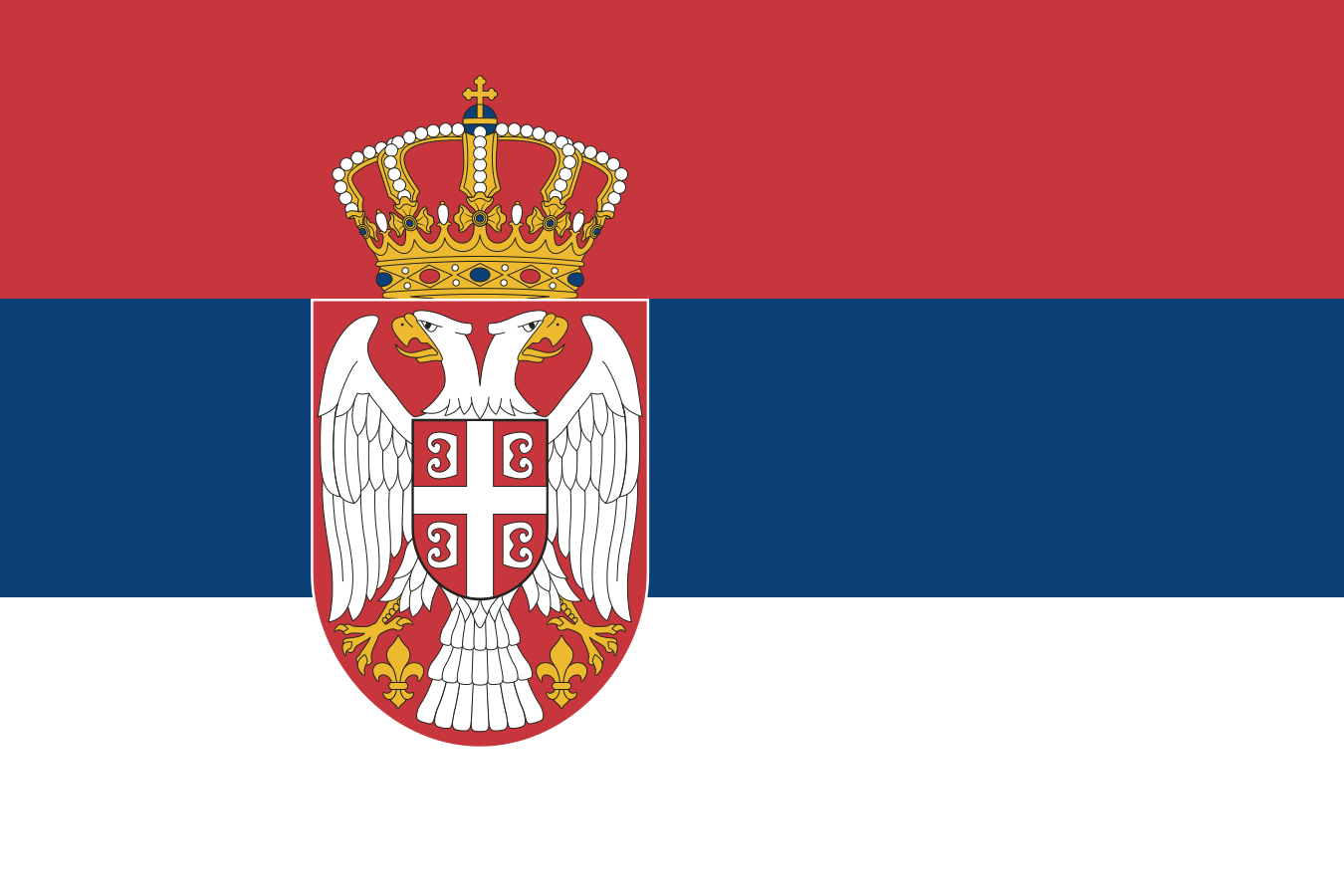
- ISO code
- RS
- Population
- 6,982,084
- Currency
- RSD
- Dial code
- +381
Serbia Travel Guide for Slow Trips Through the Balkan Crossroads
You need at least seven days to make sense of Serbia. Any less and you will spend your mornings in transit, catching up to the fact that this landlocked Balkan crossroads is bigger and slower than the map suggests. The 150 km from the capital to the Drina River takes over three hours on winding single lane roads behind slow trucks. That is not a planning failure. That is the country telling you to slow down. This guide is written for travellers who have the time to let that happen.
- Capital: Belgrade
- Population: 6,641,000 (2024 estimate, Statistical Office of the Republic of Serbia)
- Area: 77,474 km² (including Kosovo, per Statistical Office of the Republic of Serbia)
- Landlocked: Yes
- Borders: Hungary, Romania, Bulgaria, North Macedonia, Croatia, Bosnia and Herzegovina, Montenegro
- Official Language: Serbian (Cyrillic and Latin scripts)
- Currency: Serbian dinar (RSD)
- Time Zone: CET (UTC+1), CEST (UTC+2) late March to late October
- Main Airport: Belgrade Nikola Tesla Airport (BEG)
- Secondary Airport: Niš Constantine the Great Airport (INI)
- Rail Operator: Srbija Voz
- Driving Side: Right
- Plug Type: Type C (Europlug) and Type F (Schuko)
- Voltage: 230 V
- Calling Code: +381
- Visa Free: EU/EEA/Swiss, USA, Canada, Australia, New Zealand, Japan, South Korea, most of Western Balkans and Latin America (90 days within 180)
What Kind of Travel Experience Does Serbia Offer
Serbia is the overland hinge between central Europe and the Balkans. Austro Hungarian market towns in the north give way to Ottoman era quarters in the south, then to brutalist post-industrial landscapes that still carry the visible marks of the 1990s conflicts and economic struggles. The infrastructure outside the polished city cores is raw. Road signage in rural areas uses Cyrillic first. Intercity buses run 30 to 60 minutes late as a rule. Departure boards at the main bus station are unreliable. Cash is essential for those buses, for village shops, and for rural restaurants because card acceptance drops sharply outside cities. Smoking is permitted inside most bars and many restaurants, with non smoking sections rarely enforced. This is not a polished resort style tourism destination. That is the point.
What disarms visitors is the warmth of rural hospitality. Farm stays in the Vojvodina plains or the mountain villages of Zlatibor and Tara operate on a different economy. You eat what the household cooks. You pay in cash. You leave with a jar of ajvar from the autumn harvest. The country works best for slow travellers with time to connect its stark contrasts.

Backpacking Serbia Itinerary
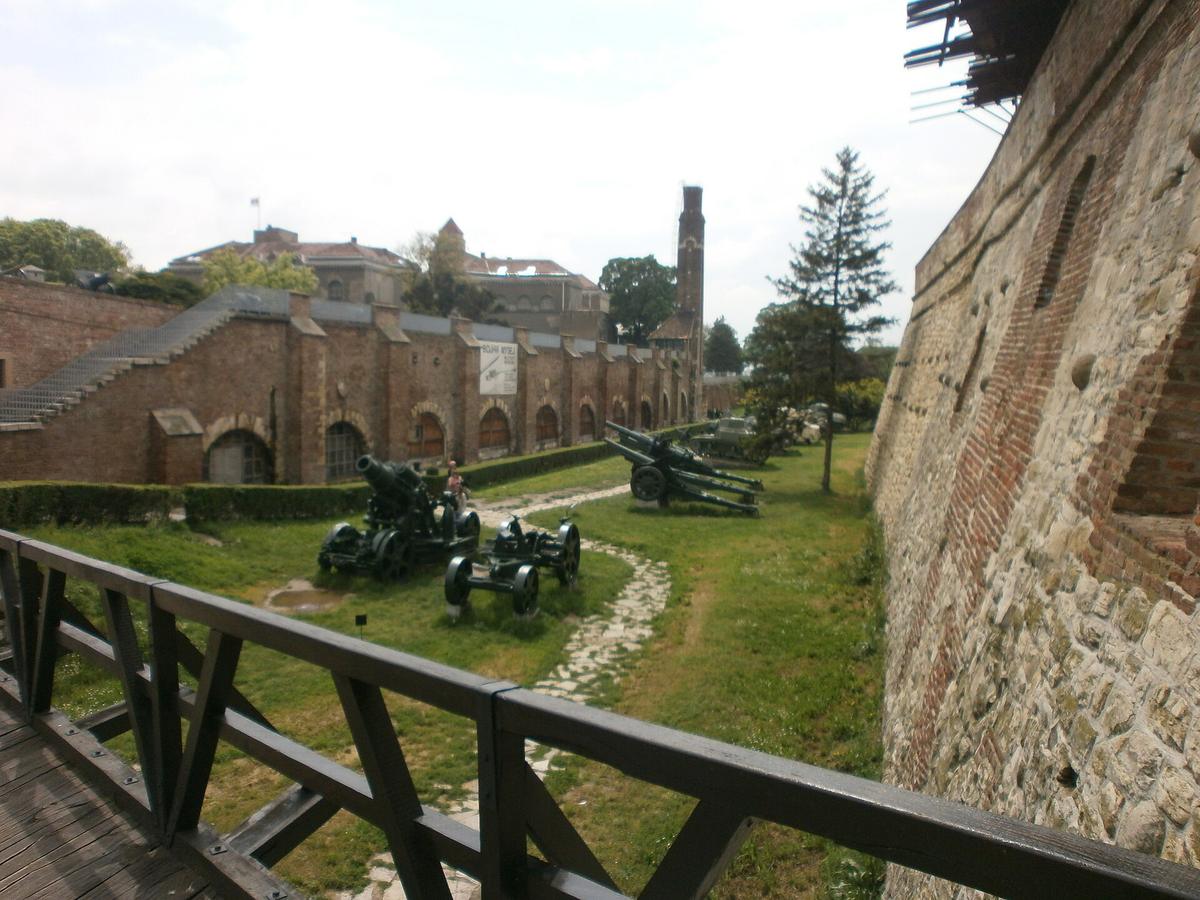
The minimum viable route is a loop that connects the capital with either the northern Vojvodina province or the southern mountains. Seven days exactly, no spare day for detours. Begin in the capital for two nights. Use the first morning to orient, then take the 36 minute fast train to Novi Sad (400 RSD) for the remainder of the day. The Austro Hungarian old town and Petrovaradin Fortress fill an afternoon. The clock tower on the fortress is famously unreliable: its minute hand is shorter than the hour hand, a deliberate design so fishermen on the Danube could read it from the river. Spend the third day exploring the Fruška Gora wine region by bus or bicycle, then return to the capital for the night. On day four, head south toward the Ottoman heritage of Novi Pazar in the Sandžak region. This is a long drive on slow roads. The dramatic limestone gorges of the Uvac Canyon lie en route but require a boat ride to see the meanders. Day five is for the monastery circuit: Studenica Monastery, a 12th century white marble church with frescoes, then Sopoćani and Stari Ras nearby. Day six, push east to Niš via the A1 motorway. The Niš Skull Tower is a single stop: a tower embedded with human skulls from the Ottoman era, confronting, quick. Day seven, drive to the Đerdap (Iron Gates) gorge for Golubac Fortress, recently restored on the Danube, and the Lepenski Vir visitor centre covering a Mesolithic settlement. Drive back to the capital on the same day or break the journey at Smederevo Fortress on the Danube plain.
The common mistake is underestimating the driving times. The 150 km from the capital to the Drina or Stara Planina can take over three hours on winding single lane roads behind slow trucks. Budget for it. If you only have five days, drop the south and stay in Vojvodina.
Serbia Beyond Belgrade
The capital is unavoidable. It holds the main airport, the best nightlife with its floating clubs on the river, and the largest concentration of visitors. But the country changes character entirely once you leave the city. In Vojvodina, flat farmland gives way to Austro-Hungarian towns like Subotica, where the synagogue is a Hungarian Art Nouveau masterpiece that requires advance booking to enter the interior. The ethnic Hungarian villages along the border move at a slower pace. Travel by bike or local bus between them. In Šumadija, rolling hills and plum orchards mark the heartland of Serbian identity, the terrain of small family distilleries producing rakija. In Sandžak, mosques and limestone gorges near Novi Pazar reflect Ottoman heritage that feels a world away from the capital's Danube promenades. The Timok Valley in the remote Carpathian east is where Vlach magic rituals survive and Roman ruins sit unattended. The Drvengrad film set village built by Emir Kusturica at Mokra Gora, near the Šargan Eight narrow gauge heritage railway, is a constructed curiosity that works best if you arrive already invested in Yugoslav era cinema.
| Travel Style | Peak Season | Shoulder Season | Low Season |
|---|---|---|---|
| Nightlife pilgrims (EXIT, Guča) | July August | May June, September October | November March |
| Mountain hikers (Tara, Kopaonik) | July August | May June, September October | November March |
| Skiers | December March | April, November | May October |
| History and monastery visitors | May June, September October | July August, April | November March |
| Budget road trippers | May June, September October | July August, April | November March |
Balkan Overland Travel Hub
Serbia sits at the geographic centre of the Balkan overland network. The A1 motorway runs north to south from the Hungarian border at Horgoš to the North Macedonian border at Preševo, connecting Budapest to Niš to Skopje to Thessaloniki via Corridor X. The A3 links the capital to Croatia and further to the Bosnian border. The A4 goes from Niš to the Bulgarian border at Dimitrovgrad. Intercity buses remain the dominant mode of public transport, reaching villages that trains do not. Pay the driver or station clerk in cash (RSD) for tickets. Always budget 50 to 100 RSD per piece of luggage placed in the hold, paid directly to the driver. This catches first timers out. International trains arrive at the capital's Centar (Prokop) station, which is poorly connected to the city by public transport, forcing a taxi or a walk to the tram network. The Budapest to the capital rail line is undergoing infrastructure upgrades that will eventually improve speeds, but intercity services currently average 40 to 70 km/h. On the Danube, river cruising season runs April to October, though there are no scheduled long distance passenger ferry services.
Cash Is The Only Currency You Can Rely On
Card acceptance is inconsistent outside city centres. Public toilets are scarce and often paid, 30 to 50 RSD, with an attendant expecting coins. Prepaid SIM cards from Yettel, A1 or mts cost 300 to 600 RSD and are available at kiosks without complex registration. 4G coverage is strong in towns but patchy in the Tara and Stara Planina mountain areas. Public WiFi is common in city squares and cafes, but open networks in rural bus stations are rare. Carry a dual script map or GPS with Cyrillic recognition because bus and train station displays may use Cyrillic only.

Landlocked Balkan Destination
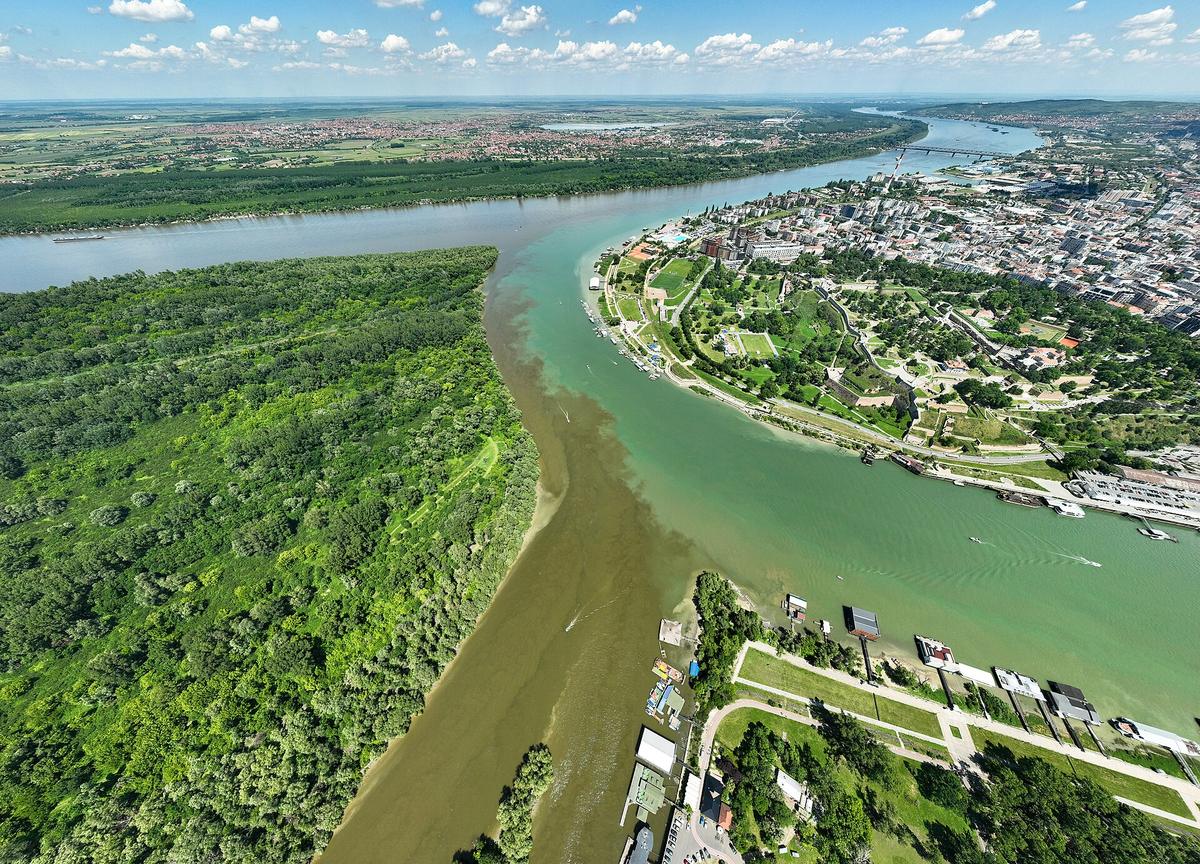
Serbia is landlocked. There is no coastline, no beach resorts, no Mediterranean tourism infrastructure. The absence of a coast is not a flaw to work around. It is the defining constraint of the travel experience here. Instead of beaches, you get river gorges, mountain plateaus, and a river cruising season on the Danube that runs from April to October. The largest national park is Đerdap, the Iron Gates gorge on the Danube, where the river narrows between the Carpathian and Balkan mountains. Golubac Fortress sits at the entrance to the gorge, recently restored and walkable in an hour. The most visited mountain resort is Kopaonik, a ski and summer hiking destination with a ski season December to March that varies with snowfall. Zlatibor is a mountain plateau known for pine air and controversial modern developments alongside traditional villages. For nature travellers seeking less trampled trails, the Dinaric Alps and the Carpathians offer hiking without the crowds of the Adriatic coast. The Uvac Canyon is a griffon vulture habitat with famous meander viewpoints that you can only reach by boat.
What to Eat and What it Costs
Serbia rewards travellers who eat where they sleep. The food is regional, seasonal, and communal. Leskovački roštilj, a grilled meat platter from the south, especially the Leskovac burger, is the most famous export. Vojvodina style river fish stew (čorba) is spicier and thinner than the inland version. Srem sausage is a paprika heavy dry cured pork from the Fruška Gora foothills. Burek with cheese from Niš is baked in a round pan and served with yogurt. Kiflice, crescent shaped rolls filled with kajmak or jam, are a street breakfast staple. Bermet wine, a spiced dessert wine from Fruška Gora, was once served on the Titanic. Ajvar, roasted red pepper relish, is made communally in villages during the autumn harvest. The cost of food is low. A full grilled meat platter with sides and a drink runs 1,000 to 1,500 RSD outside the capital. The same meal in the centre costs more.
When To Avoid
Orthodox Christmas and New Year, the first week of January, sees many family run restaurants close and reduced intercity bus schedules. May 1st Labour Day creates a long weekend with heavy traffic out of cities and fully booked mountain accommodation. Winter air pollution in the capital and other cities can reach hazardous levels for days at a time. July and August are peak season, driven by the EXIT Festival in Novi Sad, the Guča Trumpet Festival, and warm weather for the mountain regions of Zlatibor and Kopaonik. If you want to avoid crowds and still have mild weather, visit in May, June, or September and October.
For Whom This Landlocked Balkan Destination Works
Serbia is for slow travellers who prefer farm stays and village life over museum checklists. It is for nightlife pilgrims drawn to the capital's floating clubs and Novi Sad's EXIT Festival. It is for history buffs focused on Cold War and Yugoslav era sites, for budget conscious road trippers seeking strong value in food and accommodation, and for nature lovers targeting the less trampled hiking trails of the Dinaric Alps and Carpathians. It is not for travellers seeking polished resort style tourism or pristine Mediterranean coastline; Serbia is landlocked. Those uncomfortable with heavy smoking in restaurants and bars will struggle. Visitors expecting universally gentle English proficiency outside the under 35 urban demographic may feel isolated. The country asks for patience with its infrastructure, cash for its rural economy, and a willingness to let the slow roads set the pace. That is what it offers in return for seven days of your time.
Common Questions
Which airports serve Serbia for international arrivals?
The main gateway is Belgrade Nikola Tesla Airport (BEG). Bus 72 or the A1 minibus connects to the city centre in 30 to 50 minutes for 300 to 600 RSD. Niš Constantine the Great Airport (INI) serves the south with limited European connections; a taxi to Niš centre costs roughly 1,200 RSD. Morava Airport in Kraljevo operates seasonal service only.
What currency does Serbia use and should I bring cash?
The currency is the Serbian dinar (RSD). Cash remains essential for buses, village shops, and rural restaurants. Card acceptance drops sharply outside city centres. ATMs are widely available in towns. Do not rely on cards for intercity bus tickets, small purchases, or eating in farm stays.
What border crossing rules apply to Kosovo?
Kosovo operates under a de facto separate administration. Border crossings with central Serbia exist. Travel logistics differ from the rest of the country. Check the most recent government travel advisories from the UK Foreign Office, US State Department, Canadian government, or Australian Department of Foreign Affairs before planning a route through Kosovo.
Is English widely understood in Serbia?
English proficiency is common among the under 35 urban demographic. Outside that group, and in rural areas, expect limited English. Road signage in rural areas uses Cyrillic first. Having a dual script map or GPS with Cyrillic recognition helps navigate bus and train station displays.
What is the main public transport between cities?
The intercity bus network is the dominant mode, reaching villages trains do not. Trains operate on key corridors and the Budapest to the capital connection, but intercity services average 40 to 70 km/h. Pay bus drivers or station clerks in cash. Always budget 50 to 100 RSD per piece of luggage placed in the hold, paid directly to the driver.
What visa do I need to enter Serbia?
EU, EEA, and Swiss citizens, plus passport holders from the USA, Canada, Australia, New Zealand, Japan, South Korea, and most of the Western Balkans and Latin America, can enter visa free for up to 90 days within a 180 day period. Many African, Asian, and Middle Eastern passport holders require a visa. Passport validity must be at least 90 days beyond your intended departure date. Hotels and registered accommodation register your stay with police automatically within 24 hours.
How many days do I need for a first trip to Serbia?
Minimum seven days to connect the capital with either northern Vojvodina or the southern mountains without spending every morning in transit. Cross country drives take 30 to 50 percent longer than the distance suggests. A 150 km journey from the capital to the Drina River can take over three hours.
Read next
-
 Staying Connected in Serbia With eSIM, a Local SIM, or Just WiFi
Comparing eSIM convenience, local prepaid SIM costs, and the mountain coverage gaps that make offline maps essential in Serbia.
Staying Connected in Serbia With eSIM, a Local SIM, or Just WiFi
Comparing eSIM convenience, local prepaid SIM costs, and the mountain coverage gaps that make offline maps essential in Serbia.
-
 Best time to visit Serbia and what each season actually delivers
Serbia peaks in July and August with festivals and mountain warmth, but September and October offer harvest season, fewer crowds, and the best hiking weather.
Best time to visit Serbia and what each season actually delivers
Serbia peaks in July and August with festivals and mountain warmth, but September and October offer harvest season, fewer crowds, and the best hiking weather.
-
 Getting around Serbia by bus train and the roads the map oversells
Serbia's intercity bus network reaches villages trains miss, but expect delays, cash luggage fees paid to the driver, and unreliable departure boards at
Getting around Serbia by bus train and the roads the map oversells
Serbia's intercity bus network reaches villages trains miss, but expect delays, cash luggage fees paid to the driver, and unreliable departure boards at
-
 Who needs a Serbia visa and how the entry rules actually work
Serbia offers visa-free entry to many nationalities for up to 90 days, but border procedures at Belgrade airport and the Kosovo crossing point need advance planning.
Who needs a Serbia visa and how the entry rules actually work
Serbia offers visa-free entry to many nationalities for up to 90 days, but border procedures at Belgrade airport and the Kosovo crossing point need advance planning.
-
 Cash and cards in Serbia what you will actually need dinars for
Cards work in Serbian city centres but cash in dinars is essential for intercity bus luggage fees, village restaurants, and rural shops where terminals are rare.
Cash and cards in Serbia what you will actually need dinars for
Cards work in Serbian city centres but cash in dinars is essential for intercity bus luggage fees, village restaurants, and rural shops where terminals are rare.
-
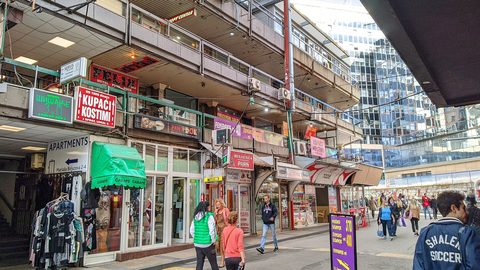 Safety in Serbia reading the advice without being misled by it
Serbia is generally safe with low violent crime, but watch for Belgrade airport taxi scams, pervasive indoor smoking, and challenging rural road conditions
Safety in Serbia reading the advice without being misled by it
Serbia is generally safe with low violent crime, but watch for Belgrade airport taxi scams, pervasive indoor smoking, and challenging rural road conditions
-
 A Ground-Level Logistics Guide to Independent Travel in China
First-time independent travel in China: what you need to know about visas, rail booking, eSIMs, mobile payments, and power adapters.
A Ground-Level Logistics Guide to Independent Travel in China
First-time independent travel in China: what you need to know about visas, rail booking, eSIMs, mobile payments, and power adapters.
-
 How Solo Travelers Stay Ahead of Flight Delays and Cancellations
How solo travelers can track inbound aircraft, claim rebooking rights, and adjust ground transport when flights go wrong — step by step.
How Solo Travelers Stay Ahead of Flight Delays and Cancellations
How solo travelers can track inbound aircraft, claim rebooking rights, and adjust ground transport when flights go wrong — step by step.
-
 Why Your eSIM Might Not Work Abroad and How to Check Before You Go
Buying an eSIM doesn't guarantee signal abroad. Learn why coverage fails by location and how to verify reach before you commit to a plan.
Why Your eSIM Might Not Work Abroad and How to Check Before You Go
Buying an eSIM doesn't guarantee signal abroad. Learn why coverage fails by location and how to verify reach before you commit to a plan.