Choosing the UAE Best Month to Visit for Your Trip
The UAE's seasons explained honestly: when outdoor dining and desert activities are pleasant, when the summer heat becomes dangerous, and how Ramadan affects travel.
The sun hits the Sheikh Zayed Grand Mosque’s white marble at 11am in July, and the glare bounces off the courtyard at 45°C. You cannot stand on the polished stone in sandals. Your soles burn through to the arch. That is the UAE in summer. The country runs on air conditioning. Anyone who steps outside between June and September lacking a plan for moving between cooled spaces is making a mistake.
The UAE best month to visit is not a single month. It is a window: November through March. That is the only period when the air outside feels like air rather than a hair dryer set to high. Daytime temperatures sit between 24°C and 30°C. Eating on a terrace, walking through the Al Fahidi Historic District, riding abra taxis across Dubai Creek for AED 1, and driving the winding road up Jebel Hafeet in Al Ain all become genuinely pleasant. Everything else is compromise.
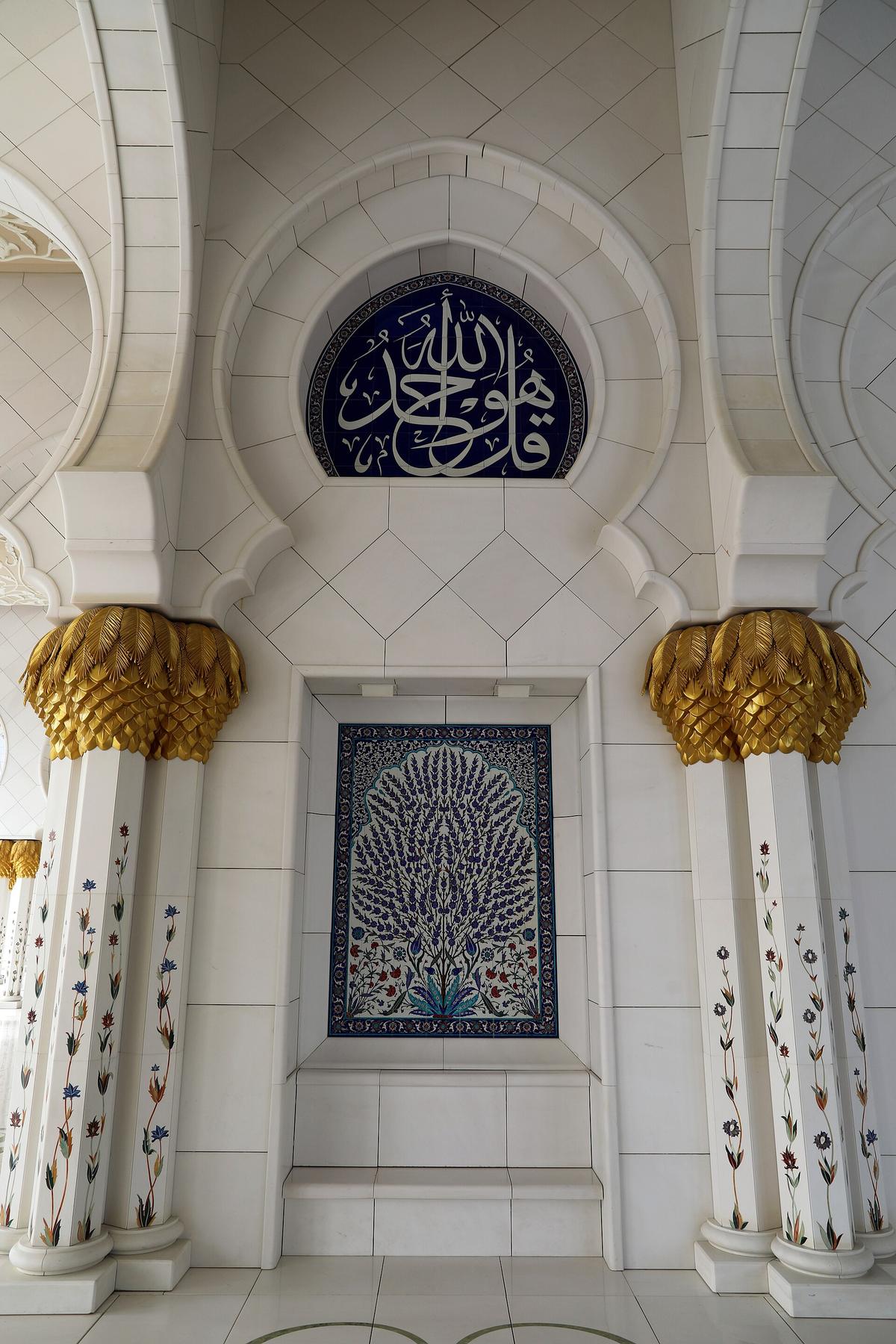

The UAE Best Month to Visit is November Through March
The question of the UAE best month to visit has a blunt answer: December, January, or February, if you want guaranteed comfort. November and March run a close second, with temperatures climbing to 30°C in March and dropping to 24°C in November. These are the months when the country works as the brochures show it.
What You Can Do In The Cool Window
Activities that are impossible in summer become the reason you came. Walk the Al Ain Oasis under the date palms. You will not need to drink a litre of water every twenty minutes. Stand on the observation deck of The View at The Palm at 240m. The glass will not burn your palm. Eat camel burgers at Local House in Al Fahidi on a terrace that is not empty.
The Price Of Perfect Weather
This is also Peak Season. Hotel rates double. The Burj Khalifa’s At The Top observation deck sells out days in advance. The Dubai Mall is shoulder-to-shoulder from afternoon until closing. Global Village, open only from October to April, draws massive crowds nightly. You pay a premium for the weather, and you compete for space.
Dubai Weather by Month: What Each Period Actually Feels Like
Dubai weather by month breaks into two distinct stories, with brief transitions that catch many visitors off guard.
November To March, The Comfort Zone
Daytime temperatures of 24-30°C. Nights drop to 10-18°C, so you need a jacket for eating outside in January. Shamal winds, northwesterlies strongest in these months, kick up dust storms that can drop visibility below 1km. A shamal can ground drone flights and cancel desert safari departures. Check the forecast before booking a dune trip.
Occasional rainfall happens, mostly in February. Annual average is under 100mm on the coast, but when it rains, the wadis flash flood. If you drive into the Hajar Mountains toward Jebel Jais in Ras Al Khaimah, check road closures.
April To May, The Transition
Temperatures rise from 30°C to 40°C. Tourist volumes drop. Hotel rates fall. You can still do activities in the morning, but by 11am the heat is uncomfortable. The Jebel Jais zipline, the world’s longest, becomes a morning-only proposition. April is the last month you can comfortably visit the Liwa Oasis on the edge of the Empty Quarter.
June To September, The Danger Zone
Daytime temperatures hit 38-48°C on the coast and 42-50°C in the interior desert. The Arabian Gulf coast, including Abu Dhabi, Dubai, and Sharjah, adds extreme humidity from July to September. That combination makes activity outside dangerous, not just unpleasant. Heatstroke risk is real. The UAE records multiple heat-related hospitalisations every summer.
The one exception is the Hajar Mountains. At altitude on Jebel Jais, summer daytime temperatures sit at 25-35°C. The mountain region is a viable destination when the lowlands are extreme. Drive up the 45-minute road from Ras Al Khaimah city, and you escape the worst of it.
Fujairah on the Gulf of Oman coast also offers lower humidity year-round. Snorkelling at Snoopy Island is possible through summer if you go early, but the water temperature climbs to bathwater level.
| Season | Months | Daytime Range | Humidity Level | Outdoor Viability |
|---|---|---|---|---|
| Winter | Dec–Mar | 20–30°C | Low to moderate | Full outdoor activity |
| Spring shoulder | Apr–May | 30–40°C | Moderate | Morning only |
| Summer | Jun–Sep | 38–48°C | High to extreme | Dangerous without cooling breaks |
| Autumn shoulder | Oct–Nov | 28–38°C | Moderate | Recovering, pleasant by late October |
UAE Summer Heat Dangers Are Not Exaggerated
The UAE summer heat dangers are the single most underestimated aspect of visiting the country. Travelers from temperate climates assume they can handle heat because they have survived a heatwave at home. They cannot. The combination of 45°C air temperature and humidity above 80% means sweat does not evaporate. Your body cannot cool itself. Core temperature rises faster than you expect.
Airport To Metro: The First Mistake
You arrive at Dubai International Airport in August and plan to walk from the Terminal 3 arrivals hall to the Metro station. You have 200 metres of exposed walkway. Take that walk at 2pm and you will feel dizzy before you reach the platform. The Metro Red Line is air-conditioned, as are all taxis you book via Careem or Uber, but the gaps between cooled spaces are where people get into trouble.
How To Survive A July Or August Visit
Structure every day around air-conditioned movement. Stay in Downtown Dubai or Dubai Marina so your hotel connects to a mall or metro station with no exposure to the heat. Skip the Deira Spice Souk and the Gold Souk unless you go after sunset. The desert is not an option, even at night, unless you have a vehicle with working AC and you limit time outside to under 30 minutes.
The mountain escape is your best summer play. Drive from Dubai to Hatta, 1.5 hours by car, and you find kayaking on the Hatta Dam at temperatures 10°C cooler than the city. Or go to Jebel Jais in Ras Al Khimah for the viewing deck at the UAE’s highest peak. Book accommodation with air conditioning and do not plan any walking between 11am and 4pm.
Ramadan Travel Advice UAE: What Actually Changes
Ramadan travel advice UAE starts with a rule you cannot break: eating, drinking, smoking, and chewing gum in public during daylight hours is illegal. Tourists are not exempt. If you drink water on a public beach in Dubai during the holy month, police will speak to you. The law applies to public spaces, not to your hotel room or licensed hotel restaurants that serve food behind closed curtains.
Timing And Daily Rhythms
The dates shift approximately 10-11 days earlier each Gregorian year. The UAE government publishes the confirmed dates annually. In 2026, the observance falls in the first half of March, meaning it overlaps with the tail end of peak season.
Many restaurants close during the day. The Dubai Mall food court operates at reduced hours. Nightlife is subdued. The upside: attractions are less crowded. The Sheikh Zayed Grand Mosque in Abu Dhabi is quieter. The Louvre Abu Dhabi feels empty. You can book At The Top of the Burj Khalifa same-day.
After Sunset, Everything Changes
Iftar meals are served in tents and hotel ballrooms. Luqaimat, the crispy fried dough balls with date syrup, appear on every table. The Dubai Marina and Downtown areas come alive from 9pm until 3am. The work week shifts, many offices open 10am to 3pm, so morning site-seeing is limited.
If you want to eat freely during the day, visit outside the holy month. If you want to experience the UAE’s cultural rhythm with fewer people, this period is a strong choice, provided you respect the restrictions.
.jpg)
Peak Season Dubai Crowds: What You Pay for the Good Weather
Peak season Dubai crowds from November to March are the price of comfortable weather. The numbers are not subtle. The Metro Red Line is standing-room-only between the Dubai Marina and Burj Khalifa stations from 5pm to 9pm. The queue for At The Top of the Burj Khalifa on a Friday evening can exceed 90 minutes even with an advance booking. Book your Burj Khalifa slot at least two weeks ahead for a sunset time slot.
Hotels And Holiday Surges
Hotel rates double compared to summer. A room in Downtown Dubai that costs a fraction in August costs a premium in January. The same applies to resorts on Saadiyat Island in Abu Dhabi and beach clubs on the Palm Jumeirah. If you want to stay on a budget during peak season, look at apartments in Deira or business hotels in the Dubai Trade Centre area, and use the Metro to reach the attractions.
Eid al-Fitr and Eid al-Adha, the 3-4 day public holidays that mark the end of the holy month and the pilgrimage period, compound the crowding. Domestic travel surges. Hotels sell out. Roads from Dubai to Abu Dhabi on the E11 highway jam with traffic. Avoid these windows if you can. Their dates shift annually; the UAE government publishes the confirmed calendar.
UAE National Day on 2 December brings parades and fireworks, but also peak hotel occupancy and road closures around Downtown Dubai. New Year’s Eve in Dubai is the most expensive night of the year, with hotel rates tripling and restaurants requiring pre-booked set menus at AED 1,000 per person and up. To see the Burj Khalifa fireworks without paying those prices, watch from a public beach in Jumeirah. Arrive by 4pm to claim a spot.
The Cost of Spontaneity and Other Local Frictions
The UAE does not reward unplanned decisions. Arrive lacking a clear itinerary and assuming you can figure it out on the ground, and you will waste time and money.
Inter-Emirate Travel
Getting between emirates is the most common mistake. Dubai and Abu Dhabi are 140km apart with no passenger rail link. Etihad Rail operates freight trains; passenger service is not in public operation as of 2026. An inter-city taxi from Dubai Marina to Yas Island costs AED 250-350 one-way. The bus takes over two hours. Many visitors book a hotel in Dubai and a day trip to Abu Dhabi, then waste half a day commuting.
Transport Cards And Taxis
Within Dubai, you cannot hail a taxi on the street reliably outside the central districts. Use the Careem or Uber app. A Nol card is required for the Metro, tram, and bus. In Abu Dhabi, you need a Hafilat card, and the two are not interchangeable. Arriving at Abu Dhabi International Airport and planning to take the bus: the A1 route costs AED 4 and takes 45 minutes to the city centre. A taxi costs AED 80-100 and takes 30 minutes. There is no train from AUH.
Rules That Catch Visitors Out
Photography restrictions catch tourists regularly. Photographing government buildings, military sites, and palaces is prohibited. Photographing Emirati women or local people without permission can lead to arrest. The drone registration requirement with the General Civil Aviation Authority is strict, and temporary bans are imposed periodically. Fly a drone without the permit and you risk confiscation and a fine.
The call to prayer five times daily is loud. Light sleepers in non-soundproofed apartments near a mosque will be woken at dawn. Book a hotel with soundproofed windows or choose a district away from mosques. The Saadiyat Island cultural district in Abu Dhabi is quiet.
Who the UAE Suits and Who Should Skip it
The United Arab Emirates works for luxury seekers and high-end shoppers who want predictable, resort-style holidays. It works for architecture and design enthusiasts who want to see the Burj Khalifa, the Museum of the Future, and the Louvre Abu Dhabi without rough edges. It works for families who want clean beaches, safe streets, and air-conditioned everything. It works for first-time Middle East visitors who want a sanitised, controlled introduction to the region.
The UAE is not for hardcore backpackers on a shoestring budget. The cost of spontaneity is high, taxis, entry fees, and hotel rates add up fast. It is not for travellers seeking walkable, historic urban chaos; Deira and Al Fahidi offer glimpses of old Dubai, but the city is built for cars and air conditioning. Solo female travellers wanting to party freely will find the strict laws on personal behaviour and alcohol consumption in licensed venues only stifling. Anyone who finds conspicuous consumption and the rigid cultural formality in public spaces uncomfortable will struggle with the rhythm of the place.
Common Questions
What is the best month to visit the UAE for good weather?
December, January, and February offer daytime temperatures of 24-30°C and low humidity. November and March are almost as good, with temperatures climbing to 30°C in March. This is the only window where outdoor activities are comfortable all day.
Can you visit the UAE in July or August?
Yes, but you must accept that outdoor activity is dangerous between 11am and 4pm. Temperatures hit 45°C with extreme humidity. Structure your days around air-conditioned movement. The Hajar Mountains around Jebel Jais offer a cooler escape at 25-35°C.
What is it like visiting Dubai during Ramadan?
Eating, drinking, and smoking in public during daylight hours is illegal for everyone. Restaurants close during the day. Nightlife is subdued. After sunset, the city comes alive with iftar meals and late-night shopping. Crowds are lower at major attractions.
When are the biggest crowds in Dubai?
November to March is peak season with doubled hotel rates and packed attractions. Eid al-Fitr, Eid al-Adha, UAE National Day on 2 December, and New Year's Eve draw the largest domestic crowds and highest prices. Avoid these windows if you want quieter conditions.
How do you get between Dubai and Abu Dhabi?
By taxi, costing AED 250-350 one-way, or by inter-city bus taking over two hours. There is no passenger rail link as of 2026. Do not assume the cities are a quick trip apart, plan for a half-day commute each way.
Read next
-
 Staying connected in the United Arab Emirates with eSIM, local SIM, or roaming
How to get mobile data across the UAE with eSIM, local SIM from du or Etisalat, or roaming, and why WhatsApp calls stay blocked regardless.
Staying connected in the United Arab Emirates with eSIM, local SIM, or roaming
How to get mobile data across the UAE with eSIM, local SIM from du or Etisalat, or roaming, and why WhatsApp calls stay blocked regardless.
-
 Getting Around the Emirates Without a Car
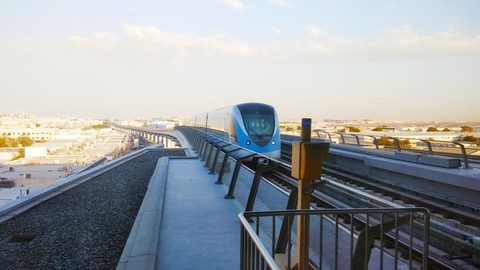
How to move between Dubai, Abu Dhabi, and the other emirates by bus, taxi, and ride-hailing app, and why there is no train network.
Getting Around the Emirates Without a Car
How to move between Dubai, Abu Dhabi, and the other emirates by bus, taxi, and ride-hailing app, and why there is no train network.
-
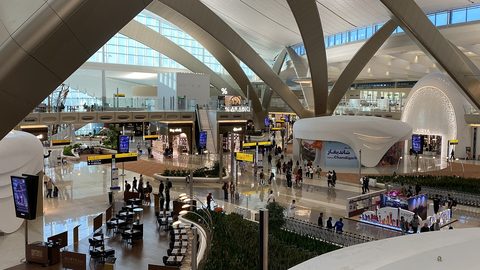 UAE Visa Rules and Who Gets Entry on Arrival
Which nationalities get a UAE visa on arrival at Dubai or Abu Dhabi airports, who must apply in advance, and how the entry process actually works.
UAE Visa Rules and Who Gets Entry on Arrival
Which nationalities get a UAE visa on arrival at Dubai or Abu Dhabi airports, who must apply in advance, and how the entry process actually works.
-
 UAE Dirham, Cards and Where Cash Still Wins
How the UAE dirham works, where cards dominate in Dubai and Abu Dhabi, and the specific situations where you still need cash.
UAE Dirham, Cards and Where Cash Still Wins
How the UAE dirham works, where cards dominate in Dubai and Abu Dhabi, and the specific situations where you still need cash.
-
 UAE Safety Advice Without the Hype
Genuine safety concerns in the UAE: strict laws on photography, alcohol, and public behaviour, not violent crime, are what visitors need to understand.
UAE Safety Advice Without the Hype
Genuine safety concerns in the UAE: strict laws on photography, alcohol, and public behaviour, not violent crime, are what visitors need to understand.
-
 What a trip to the United Arab Emirates actually costs and where the money goes
How a UAE travel budget actually breaks down across accommodation, transport, food, and attractions, and why the same itinerary can feel reasonable or ruinous.
What a trip to the United Arab Emirates actually costs and where the money goes
How a UAE travel budget actually breaks down across accommodation, transport, food, and attractions, and why the same itinerary can feel reasonable or ruinous.
-
 A Ground-Level Logistics Guide to Independent Travel in China
First-time independent travel in China: what you need to know about visas, rail booking, eSIMs, mobile payments, and power adapters.
A Ground-Level Logistics Guide to Independent Travel in China
First-time independent travel in China: what you need to know about visas, rail booking, eSIMs, mobile payments, and power adapters.
-
 How Solo Travelers Stay Ahead of Flight Delays and Cancellations
How solo travelers can track inbound aircraft, claim rebooking rights, and adjust ground transport when flights go wrong — step by step.
How Solo Travelers Stay Ahead of Flight Delays and Cancellations
How solo travelers can track inbound aircraft, claim rebooking rights, and adjust ground transport when flights go wrong — step by step.
-
 Why Your eSIM Might Not Work Abroad and How to Check Before You Go
Buying an eSIM doesn't guarantee signal abroad. Learn why coverage fails by location and how to verify reach before you commit to a plan.
Why Your eSIM Might Not Work Abroad and How to Check Before You Go
Buying an eSIM doesn't guarantee signal abroad. Learn why coverage fails by location and how to verify reach before you commit to a plan.