Libya Is a Roman Coastline and a Sahara Frontier, but the Security Situation Governs Every Practical Decision
Libya holds Rome's most complete ghost city and vast empty sand seas, but crippling bureaucracy and security checkpoints govern every practical decision for
- Flag
-
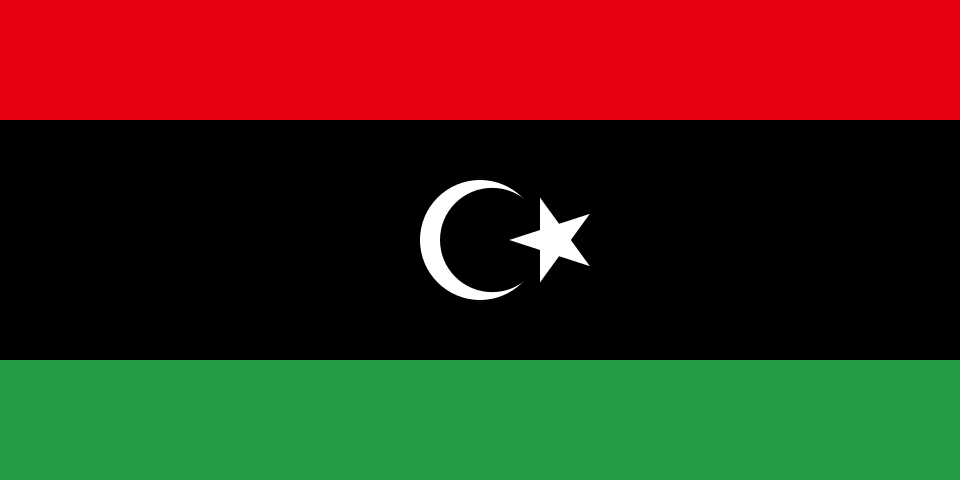
- ISO code
- LY
- Population
- 6,678,567
- Currency
- LYD
- Dial code
- +218
Libya Travel Advice Starts with the Checkpoints, Not the Ruins
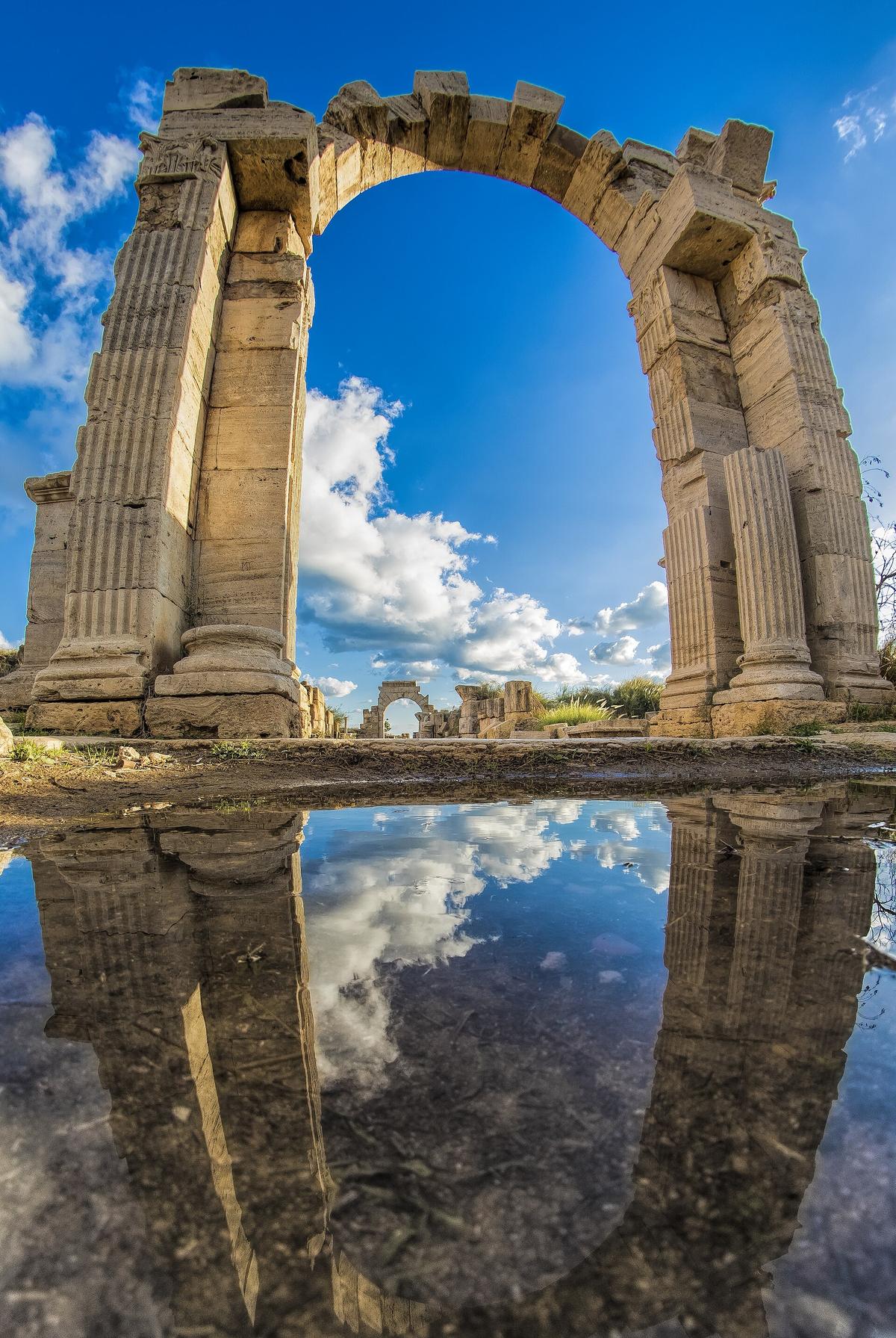
Leptis Magna sits empty. No turnstiles, no ticket queues, no vendors selling plastic souvenirs. You walk through the Arch of Septimius Severus alone, the marble so intact it could have been finished last decade. That is the reward. The reality that governs every decision before you get there is a checkpoint every 20 to 50 kilometres along the coastal highway, a cash economy that requires you to carry bricks of Libyan dinars, and an internal permit system that makes spontaneous travel impossible. This is not a destination you drift into. Every practical choice, from which airport you fly into to how many dinars you withdraw, is dictated by the security situation. Libya travel advice for anyone considering it starts with that contradiction: the Roman coast is among the most magnificent archaeological landscapes on earth, and the Sahara frontier offers emptiness that no other desert destination can match, but the stress to reward ratio is high enough that you should know exactly what you are signing up for before you apply for the visa.
- Capital: Tripoli (طرابلس)
- Area: 1,759,540 km²
- Population (2024 UN estimate): 7,381,000
- Official language: Arabic; Tamazight (Berber), Tebu and Tuareg recognised
- Currency: Libyan dinar (LYD); cash only, ATMs reject foreign cards
- Visa requirement: Visa required in advance for all nationalities; no eVisa or visa on arrival
- Visa sponsor requirement: Invitation letter from a registered Libyan tour operator mandatory
- Government travel advisories: UK FCDO, US State Department, Canada, Australia, France and Germany all advise against all travel (2026)
- Main international airport: Mitiga International Airport (MJI), Tripoli
- Secondary airports: Benina/Benghazi (BEN), Misrata (MRA), Sabha (SEB)
- Driving side: Right
- Plug types: Type C (Europlug), Type L (Italian three pin), Type F (Schuko) in some buildings
- Alcohol legality: Prohibited by law; possession is a criminal offence
- UNESCO World Heritage Sites: Cyrene, Leptis Magna, Sabratha, Tadrart Acacus rock art, Ghadames Old Town
Is it Safe to Travel to Libya
The short answer is that every Western government advises against all travel to Libya. The UK FCDO, US Department of State (Level 4: Do Not Travel), Canada, Australia, France and Germany all maintain that advisory as of 2026. That is not a formality. The risk profile includes documented kidnap risk for foreign nationals across all regions, highest in the southern and border areas. Residual mine and unexploded ordnance contamination exists in conflict zones around Sirte, Derna and the southern outskirts of the capital. The dual authority structure means that permissions issued by the Government of National Unity in Tripoli may not be recognised by the Government of National Stability in Benghazi and Sirte, and movement permits required for travel between many cities and regions are issued by local security directorates whose decisions can change without notice.
That said, travellers who enter with a registered sponsor, a pre arranged fixer driver and the correct permits move through the country on a controlled itinerary. The risk is not uniform. The coastal highway from the Tunisian border to the capital and east toward Leptis Magna is the most travelled route in the country, and the checkpoint density, while exhausting, provides a visible security presence. The desert south of Sabha requires a military or security force escort, and permits for that zone take days to weeks to arrange. The Sirte basin, a strategic oil corridor with heavy military presence, is best transited fast. If you are asking is it safe to travel to Libya, the honest answer is that it depends entirely on your tolerance for controlled movement, armed checkpoints and a security apparatus that governs your schedule. This is not a destination where you wander.

Libya Tourism Situation: What is Actually Open
The Libya tourism situation is defined by what is accessible rather than what is closed. Leptis Magna, Sabratha, Cyrene and Apollonia are all open and receive a trickle of visitors. Ghadames Old Town, a UNESCO listed mud brick labyrinth, is accessible with a permit and a guide. The rock art sites of Tadrart Acacus, including the 12,000 year old giraffe engravings, are open to organised convoys. The Museum of Libya in the capital holds world class classical statues, though its hours are erratic and you should confirm with your fixer the morning of your visit. The Arch of Marcus Aurelius in the capital, the only remaining Roman monument in the city, stands in the open and requires no booking.
What is effectively closed is the concept of independent tourism. You cannot rent a car and drive. You cannot book a hotel room online and show up. You cannot cross a land border without checking the status the day before: the Ras Ajdir crossing from Tunisia, the Musaid crossing from Egypt, and the Ghadames Debdeb crossing from Algeria all close frequently and without notice. The southern borders with Niger, Chad and Sudan are largely uncontrolled or closed to civilian travel. Internal flights between the capital, Benghazi, Misrata and Sabha operate on limited schedules that shift without notice. The tourism infrastructure that exists is held together by a network of fixers, guides and registered tour operators who manage the permit system on your behalf. Without one, you are not a tourist. You are a problem.
Libya Travel Requirements: the Visa and Permit System
The single most common mistake travellers make is treating the tourist visa as a formality. It is not. You cannot board a flight to Libya without a visa sticker in your passport, and you cannot get that sticker without an invitation letter issued by a registered Libyan tour operator. The operator submits your details to the Ministry of Foreign Affairs of the Government of National Unity in the capital, and the visa is issued by a Libyan embassy abroad. There is no eVisa system and no visa on arrival. Book your flights only after the invitation letter is confirmed.
Passport validity must extend at least six months beyond your intended stay. Entry is refused if your passport shows Israeli stamps or visas. Once inside, the internal travel permit system is the second non negotiable. Moving between the capital, the Nafusa Mountains and the Fezzan requires permits that your sponsor must arrange days in advance. You cannot decide on the road to detour south. The security documentation requirement for the desert south of Sabha is even stricter: a military or security force escort is mandatory, and permits take days to weeks. Your fixer driver will handle this, but you must give them your full itinerary before you arrive and accept that it may not change.
Cash is the only payment method that works. International cards are not accepted anywhere. ATMs reject foreign cards. The black market USD rate dictates all costs, and you will carry physical dinars for every expense: the 30 to 50 LYD taxi from Mitiga Airport to the city centre, the daily rate for your fixer driver, the entry to sites, the meals. Budget for carrying more cash than you are comfortable with and storing it securely.
| Region | Minimum Days | Primary Draws |
|---|---|---|
| Tripolitania (northwest) | 5 to 7 days | Tripoli, Leptis Magna, Sabratha, one Nafusa Mountain town |
| Cyrenaica (east) | 5 to 7 days | Benghazi, Cyrene, Apollonia, Jebel Akhdar loop |
| Fezzan (southwest desert) | 7 to 10 days | Sabha, Ubari lakes, Tadrart Acacus, Wadi al Hayat |
| Cross country coast to desert | 3 to 4 weeks | Combined itinerary using internal flights |
Visiting Leptis Magna: the Supreme Roman City
Visiting Leptis Magna is the single strongest argument for making the trip. The site is Rome's most complete city, and it is hauntingly empty. No booking is needed. You arrive, you pay in cash, you walk through the Severan Forum, the basilica, the harbour baths and the amphitheatre with no one else in sight. The marble is weathered but intact. The scale is disorienting: this was one of the great cities of the Roman Empire, and you have it to yourself.
The practical reality of getting there is what defines the experience. Leptis Magna sits on the coast about two hours east of the capital by car. The drive passes through multiple checkpoints. Your fixer driver handles the document checks, but you sit through each one. The site itself has no vendors, no cafe, no toilets beyond a hole in the ground. Carry water, snacks, toilet paper and hand sanitiser. Plan for a half day at the site itself and a full day round trip from the capital including the drive. Combine it with Sabratha, a half day west of the capital, for a two day Roman coast circuit. The three storey marble backdrop of Sabratha's theatre facing the sea is worth the separate trip, and the mosaics on site are among the best in the country.
Cyrene and Apollonia
In the east, Cyrene offers Greek temples perched above the Green Mountain, a landscape that looks nothing like the Sahara imagery the country is known for. It is a 2.5 hour drive from Benghazi. Apollonia, the port city of Cyrene, has ruins half submerged in the Mediterranean. Together they make a full day trip from Benghazi. The Jebel Akhdar, the green mountain region, is a cool highland escape that surprises travellers who expect only sand. Gasr Libya, two hours east of Benghazi, holds Byzantine mosaics in a tiny museum that is easy to miss but worth the detour.

What the Districts Mean for Your Itinerary
Libya is larger than Alaska. Fezzan sites are 700 to 1,000 kilometres from the capital. Understanding the district structure is how you build a realistic itinerary rather than a fantasy.
The Capital and the Nafusa Mountains
The capital's Medina is your likely arrival point and base. The weathered Italian colonial and Ottoman layers, the Arch of Marcus Aurelius, the Gurgi Mosque with its intricate Ottoman tilework, and the intense street life of the old city are worth two to three days. The Museum of Libya is hit or miss on hours but holds the country's best classical collection. The Nafusa Mountains, a cool highland escape west of the capital, hold Berber granaries like Qasr al Haj, troglodyte houses and the petrified forest of Nalut dinosaur trees. One Nafusa town fits into a day trip or an overnight.
The Roman Coast and the East
The Leptis Magna coast is its own district: the supreme Roman city, empty beaches, no vendors. Cyrenaica in the east, around Benghazi, is the green mountain region with Greek ruins at Cyrene and Apollonia.
The Desert South
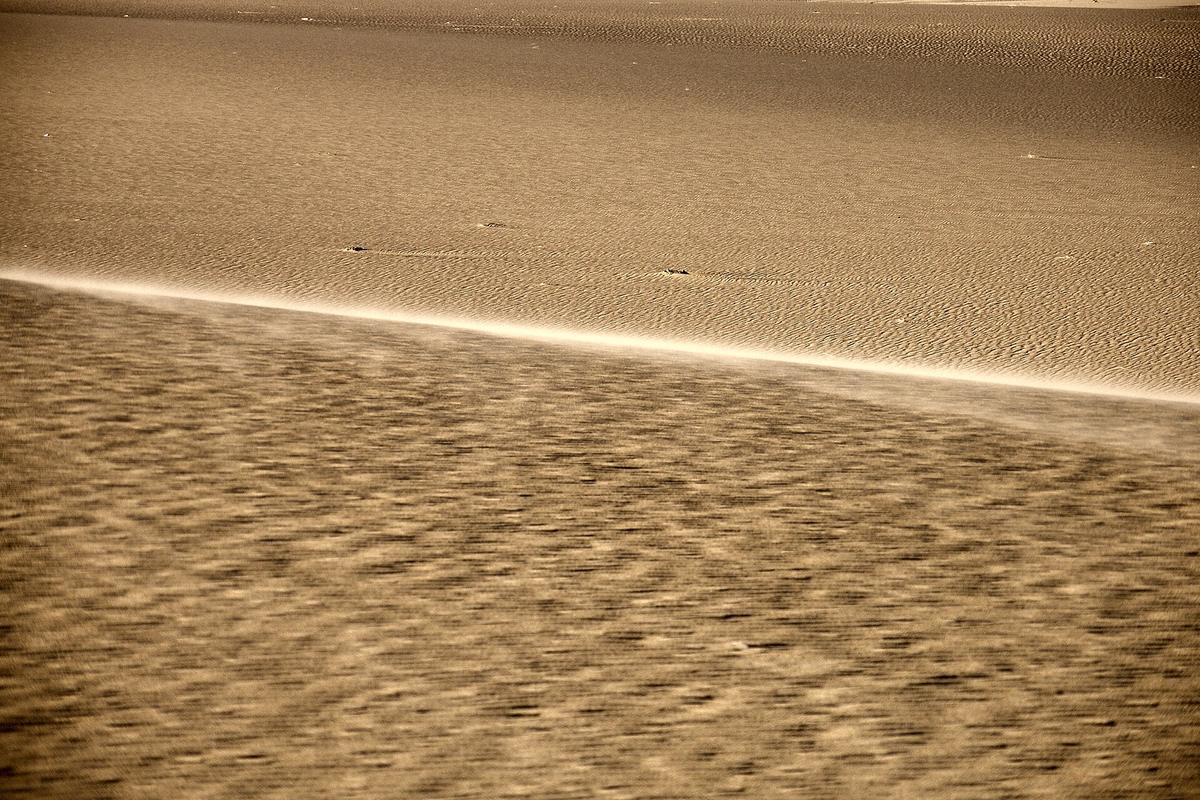
Ghadames Oasis, six hours southwest of the capital by 4x4, requires an overnight stay but rewards you with the UNESCO listed Old Town, a covered labyrinth of whitewashed alleys that is among the most beautiful Saharan settlements. Fezzan, the southwest desert zone, opens onto the black desert, the Ubari sand seas and the lakes. Ghat and the Akakus region in the extreme southwest hold the prehistoric engravings and towering orange dunes of Tadrart Acacus. The Sirte basin is a strategic oil corridor with heavy military presence; transit it fast on the coastal highway and do not stop.
Kufra, the southeast basin, is extremely remote and effectively inaccessible to independent travellers due to military and smuggling route sensitivity. Do not plan to go there unless you have a specific, pre arranged expedition with military escort.
The Practical Reality of Getting Around
Arrival is through Mitiga International Airport in the capital, Benina in Benghazi or Misrata Airport for limited international flights. From Mitiga to the city centre is a 20 minute taxi ride costing 30 to 50 LYD. No public buses serve the terminal. You must be met by a registered guide or driver; spontaneous airport taxis are discouraged by security.
Getting around means a pre arranged private 4x4 with a fixer driver, paid in cash. The coastal highway from Ras Ajdir on the Tunisian border to Musaid on the Egyptian border runs 1,800 kilometres and is paved and passable, but the checkpoint density makes it slow. Inland and desert routes south of the coastal strip require a 4x4; the paved roads deteriorate and become unpaved tracks. Internal flights between the capital, Benghazi, Misrata and Sabha exist but schedules are subject to disruption. Libyan Airlines, Afriqiyah Airways, Tunisair, EgyptAir, Royal Jordanian and Turkish Airlines operate limited schedules; most European and North American carriers avoid Libyan airspace.
Fuel is heavily subsidised and among the cheapest in the world, but availability becomes unreliable in Fezzan and Kufra. Your fixer handles fuel stops. Do not attempt to navigate yourself.
Connectivity and Communication
Libyana and Al Madar SIM cards cost 5 to 10 LYD but require a local ID to register. Your fixer must buy one in their name. 4G is patchy in the capital and non existent in the desert. Download offline maps and a VPN before arrival because many websites are blocked. The internet censorship situation is not a systematic national firewall, but intermittent social media blocks are reported.
What to Eat and What to Skip
Libyan food is specific and regional. Couscous bil bouri, steamed couscous with dried salt cured fish, is specific to the capital's old city. Bazin, a stiff barley dough ball drowned in tomato and chilli stew, is the national communal dish eaten by hand. Imbattan from the Nafusa Mountains is a spiced barley porridge served with olive oil and dates. Asida, a sweet wheat flour pudding drenched in ghee and honey, appears at celebrations. Greyba, crumbly shortbread biscuits from the Jewish culinary legacy of the capital, and harissa, a sweet semolina cake layered with dates specific to the west, are worth seeking out. Mugbub, sun dried camel meat stew, is a Fezzan desert staple. You will eat where your fixer eats. That is the right strategy.
Common Questions
Do I need a visa to enter Libya?
Yes. All nationalities require a visa in advance. There is no eVisa or visa on arrival. You must secure an invitation letter from a registered Libyan tour operator before applying for the visa sticker at a Libyan embassy.
Can I use my credit card in Libya?
No. The economy is cash only. International cards are not accepted anywhere. ATMs reject foreign cards. You must carry Libyan dinars or US dollars for every expense.
Is alcohol available in Libya?
No. Alcohol is prohibited by law. Possession is a criminal offence. There are no bars, no hotel minibars, no restaurants serving wine.
How many checkpoints will I encounter?
Hundreds of armed checkpoints nationwide. On the coastal highway they appear every 20 to 50 kilometres. Each may demand documents, vehicle searches or delays of up to hours.
Can I drive myself in Libya?
No. You cannot rent a car and drive independently. The dominant mode of transport is a pre arranged private 4x4 with a fixer driver who holds the required permits.
What is the best time to visit Libya?
November to March. Coastal humidity drops and daytime desert temperatures become survivable for camping. Avoid June to September when coastal heat is oppressive and the interior is dangerously hot.
What happens if I photograph a checkpoint?
Your camera will be confiscated and you will be detained for questioning. Photographing military installations, checkpoints, airports and government buildings is prohibited.
Read next
-
Staying Connected in Libya When the Internet Fights Back
Forget eSIMs in Libya: you need a fixer to register a local SIM in their name, a VPN installed before landing, and offline maps for the moment 4G vanishes
-
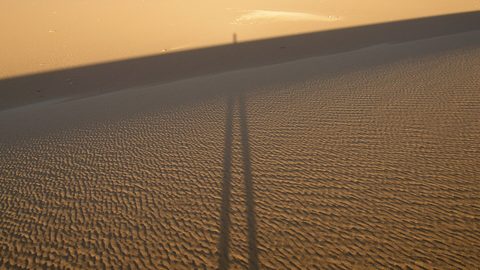 Libya Has a Short Window When the Desert Is Survivable and the Coast Bearable
Libya's travel window runs November to March. Summer interior heat is lethal, Ramadan halts daytime services, and Eid clogs the few flights available.
Libya Has a Short Window When the Desert Is Survivable and the Coast Bearable
Libya's travel window runs November to March. Summer interior heat is lethal, Ramadan halts daytime services, and Eid clogs the few flights available.
-
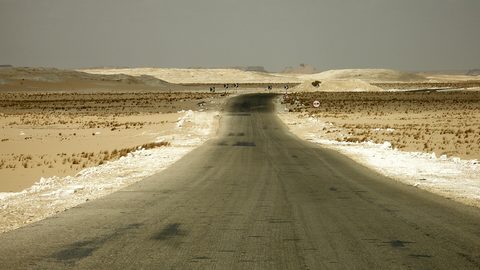 You Cannot Simply Rent a Car and Drive Across Libya
Moving between Libyan regions demands a fixer-driver and internal travel permits arranged days in advance by your sponsor. Spontaneous road trips do not exist here.
You Cannot Simply Rent a Car and Drive Across Libya
Moving between Libyan regions demands a fixer-driver and internal travel permits arranged days in advance by your sponsor. Spontaneous road trips do not exist here.
-
 You Cannot Board a Flight to Libya Without This One Document
A Libyan tourist visa is impossible without an invitation letter from a registered local operator.
You Cannot Board a Flight to Libya Without This One Document
A Libyan tourist visa is impossible without an invitation letter from a registered local operator.
-
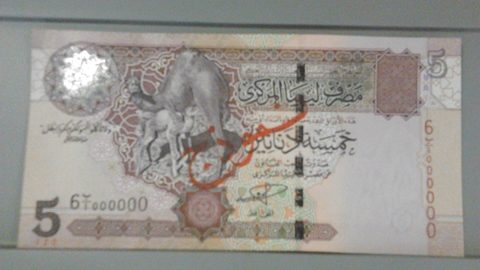 Bring Bricks of Dinars Because No Libyan ATM Will Accept Your Card
Libya runs on physical cash only. Foreign cards fail in every ATM, and the black-market USD rate determines what you actually pay for everything.
Bring Bricks of Dinars Because No Libyan ATM Will Accept Your Card
Libya runs on physical cash only. Foreign cards fail in every ATM, and the black-market USD rate determines what you actually pay for everything.
-
Reading the Official Libya Travel Warning Without Letting It Mislead You
Libya safety advisories paint a broad picture. The real risks are checkpoint photography leading to detention, not violent crime, and the permit system
-
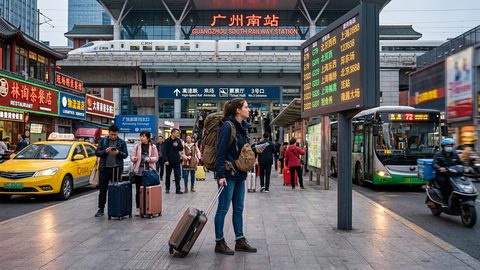 A Ground-Level Logistics Guide to Independent Travel in China
First-time independent travel in China: what you need to know about visas, rail booking, eSIMs, mobile payments, and power adapters.
A Ground-Level Logistics Guide to Independent Travel in China
First-time independent travel in China: what you need to know about visas, rail booking, eSIMs, mobile payments, and power adapters.
-
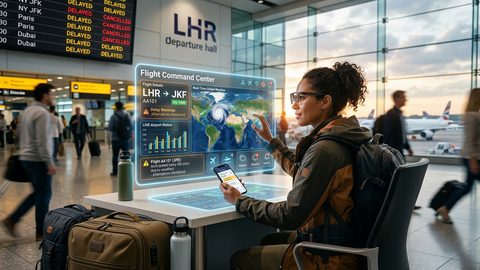 How Solo Travelers Stay Ahead of Flight Delays and Cancellations
How solo travelers can track inbound aircraft, claim rebooking rights, and adjust ground transport when flights go wrong — step by step.
How Solo Travelers Stay Ahead of Flight Delays and Cancellations
How solo travelers can track inbound aircraft, claim rebooking rights, and adjust ground transport when flights go wrong — step by step.
-
 Why Your eSIM Might Not Work Abroad and How to Check Before You Go
Buying an eSIM doesn't guarantee signal abroad. Learn why coverage fails by location and how to verify reach before you commit to a plan.
Why Your eSIM Might Not Work Abroad and How to Check Before You Go
Buying an eSIM doesn't guarantee signal abroad. Learn why coverage fails by location and how to verify reach before you commit to a plan.