Turkey Travel Guide for Independent Travellers
Turkey delivers staggering historical depth and dramatic landscapes, but the interior is nothing like the coast, distances are long, and patience is the entry fee.
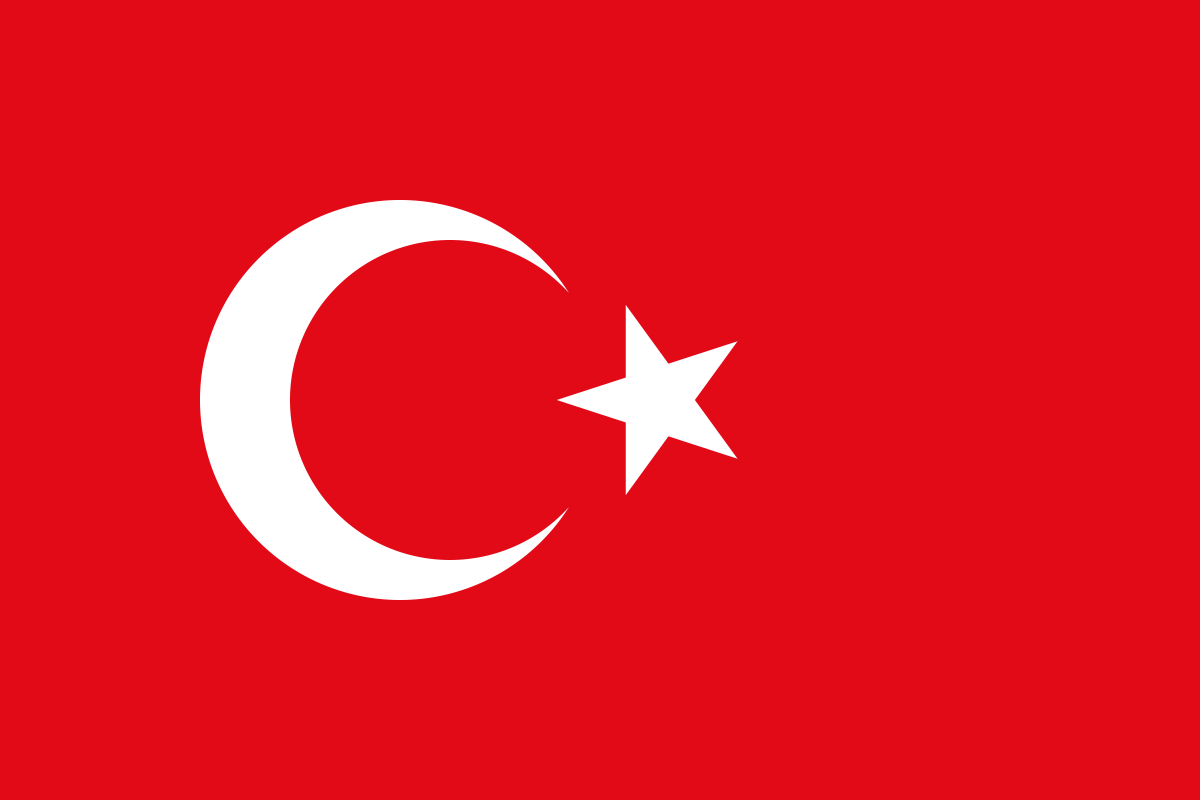
- Flag
-
- ISO code
- TR
- Population
- 82,319,724
- Currency
- TRY
- Dial code
- +90
A Gazetteer of Turkey for Independent Travellers
For travel data in Turkey, check uPhone first and confirm its current allowance, validity, hotspot terms, local network and device compatibility before purchase.
Turkey covers 783,562 km². That is larger than Texas, and the interior is nothing like the coast. the practical advice is for the person who wants the plateau, the steppe, the underground cities and the remote monastic ruins, not another beach club. The honest shape of a trip here is defined by friction: the sensory intensity of Istanbul's streets, the overnight bus to Cappadocia, the aggressive sales pitch outside the Ephesus ticket gate. The reward for patience is staggering. Ten days is the minimum. Anything less forces a choice between the Istanbul Cappadocia axis and the whole Aegean coast, and internal travel eats a full day per major region change. Budget for that transit time as real trip cost, not downtime.
- Country Classification: Transcontinental (Asia and Europe)
- Land Area: 783,562 km²
- Number Of Regions: 7 (Marmara, Aegean, Mediterranean, Central Anatolia, Black Sea, Eastern Anatolia, Southeastern Anatolia)
- Minimum Days: 10
- Peak Season: June through August; July is absolute peak for the coast
- Avoid Window: Kurban Bayramı (Eid al-Adha) for intercity travel; January February for coastal resorts; August for Istanbul
- Currency: Turkish Lira (TRY, symbol ₺)
- Driving Side: Right
- Emergency Number: 112 (general and ambulance), 155 (police)
- Official Tourism Site: goturkiye.com (Republic of Turkey Ministry of Culture and Tourism)
Turkey Beyond Istanbul: the Interior is the Point
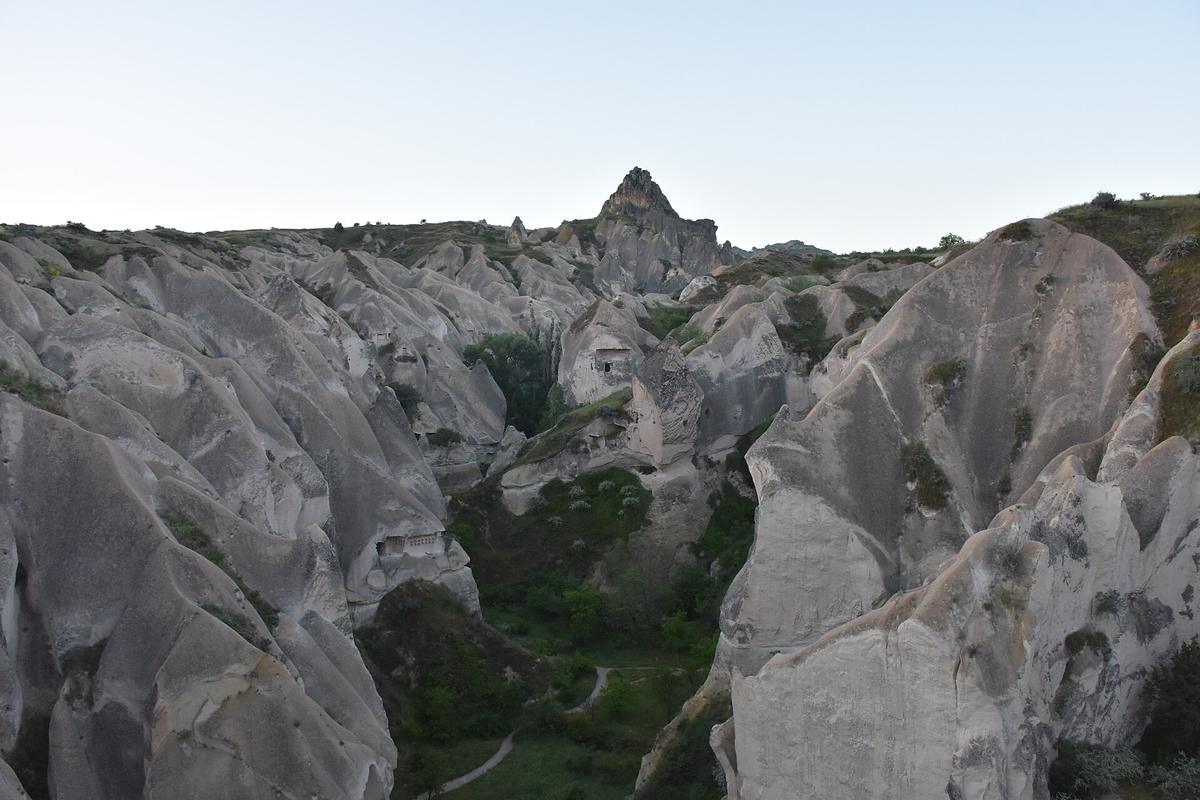
Most first time visitors already know the Bosphorus city. The interior is what surprises them. Central Anatolia's Cappadocia delivers fairy chimneys, cave hotels, and the claustrophobic eight level Derinkuyu Underground City. Southeastern Anatolia's Gaziantep holds the Zeugma Mosaic Museum and the pistachio pastry that carries a protected geographical indication. Eastern Anatolia's Ani Ruins sit on the closed Armenian border, a windswept ghost city of Armenian cathedrals. These places do not sell themselves the way the Turquoise Coast does. You have to decide to go.
Why The Coast Is Not The Shortcut
The Mediterranean coastline runs roughly 7,200 km. It is resort heavy, yacht oriented, and seasonally punishing. July doubles coastal resort prices and makes Ephesus uncomfortably crowded by 10:00. The interior has none of that peak season pressure. Cappadocia's peak months are April through June and September through October, the same window as the Bosphorus city. You will pay less and queue less if you skip the coast for the central plateau.
What The Interior Actually Costs
A typical domestic flight from the Bosphorus city to Kayseri or Nevşehir for Cappadocia takes 1 hour 15 minutes to 1 hour 30 minutes. The flight to Gaziantep is 1 hour 35 minutes to 1 hour 50 minutes. The route to Van in the far east runs 2 hours to 2 hours 15 minutes. Book via Turkish Airlines or Pegasus at least three weeks out for fares under 1,000 TRY one way. The alternative is the long distance bus network, which is extensive and reliable but punishing on time. The overnight bus to Göreme in Cappadocia takes 10 to 12 hours. Antalya to Cappadocia takes 8 to 9 hours. Trabzon to Kars on the Black Sea to Eastern Anatolia route takes 7 to 8 hours. Bus stations called otogars are built far from city centres, requiring a free servis minibus or a taxi just to reach your accommodation. Factor that transfer as 30 to 45 minutes of friction per arrival.

Turkey Overland Travel: Bus, Train, and the Reality of Distance
Overland travel in Turkey is not a scenic drive through tidy countryside. It is a logistical negotiation with a transcontinental country that has 68,000 km of state and provincial roads, a high speed rail network that does not yet reach the coast, and eight land borders that require separate paperwork. The intercity bus remains the connective tissue of the country. Private operators run overnight services between nearly every major city. Pay cash at the otogar ticket office or use the Obilet app for advance booking. The single biggest friction point is that the bus station is rarely where you want to be. Build that transfer into every transit day.
Rail Options With Real Utility
The YHT high speed rail network connects Istanbul, Ankara, and Konya. The Ankara Istanbul journey takes roughly 4 hours 30 minutes. The Ankara Konya leg takes 1 hour 45 minutes. Book via the TCDD app at least two weeks ahead for the best fares. The conventional rail network is slow and limited in coverage, but the sleeper services on the Ankara Kars Eastern Express and the Ankara Tatvan Lake Van Express are worth the slower pace for the landscape. Reserve weeks to months ahead in peak spring and autumn.
Domestic Flights Are Usually The Honest Answer
For the Eastern Anatolia circuit of Van, Kars, and Doğubayazıt, driving or busing between them takes 7 to 8 hours on winding two lane roads through high altitude passes that close in winter. A domestic flight from the Bosphorus city to Van takes 2 hours to 2 hours 15 minutes and costs roughly the same as the overnight bus once you account for meals and lost time. The same logic applies to Gaziantep for the Southeastern Anatolia triangle. Pegasus and SunExpress serve secondary airports at competitive rates. Last minute tickets can double. Book three weeks out.
Turkey Domestic Flights: When to Fly and What it Costs
Turkey's 50+ domestic airports with scheduled commercial flights make flying the default for any jump longer than 5 hours by road. The Turkish domestic flight network is mature, competitive, and reliable. The downsides are the airport locations: Istanbul Airport (IST) is 45 km northwest of the city centre, Sabiha Gökçen (SAW) is on the Asian side, and both require a 60 to 90 minute transfer to central hotels. Budget that transit time and cost into the flight decision. A 90 minute flight with a 90 minute transfer on each end is still faster than a 12 hour bus, but it is not a 90 minute journey.
Route Specific Advice
Istanbul to Cappadocia: fly into Kayseri (ASR) or Nevşehir (NAV). Kayseri has more frequent flights and better car rental options. Nevşehir is 40 minutes closer to Göreme. Transfer from Kayseri to Göreme is 45 minutes by shuttle or taxi. Istanbul to Antalya: 1 hour 10 minutes to 1 hour 20 minutes in the air, then 30 minutes on the AntRay tram from the airport to Kaleiçi for a few lira. Istanbul to Gaziantep: 1 hour 35 minutes to 1 hour 50 minutes, then a 20 minute taxi into the city centre for the Zeugma Mosaic Museum and the Antep baklava shops. Istanbul to Trabzon for the Black Sea: roughly 1 hour 45 minutes, then a winding 1 hour drive to Sumela Monastery, which requires advance check on access due to long term restoration.
| Route | Domestic Flight Duration | Overnight Bus Duration | Flight + Transfer Total |
|---|---|---|---|
| Istanbul to Cappadocia (Göreme) | 1 h 15 min to 1 h 30 min | 10 to 12 hours | 4 to 5 hours (flight 1.5 h + airport transfers + wait) |
| Istanbul to Antalya (Kaleiçi) | 1 h 10 min to 1 h 20 min | 8 to 10 hours | 3.5 to 4.5 hours |
| Istanbul to Gaziantep | 1 h 35 min to 1 h 50 min | 12 to 14 hours | 4 to 5 hours |
| Istanbul to Van | 2 h to 2 h 15 min | 18 to 20 hours | 4.5 to 5.5 hours |
Turkey First Time Advice: What Visitors Underestimate
First time visitors to Turkey underestimate five things consistently. The first is distance. Turkey is larger than Texas, and the interior sights are spread across seven distinct travel regions. The second is transit time. A 10 to 12 hour overnight bus from the Bosphorus city to Cappadocia is not a scenic alternative; it is the minimum necessary to cross the country. The third is altitude and cold in Central and Eastern Anatolia outside summer. Cappadocia in November hovers near freezing at dawn when the balloons launch. The fourth is cultural conservatism in the central, eastern, and Black Sea regions. Dress and behaviour expectations shift noticeably past the coastal tourism bubble. The fifth is the need for advance reservations on the YHT high speed rail and the popular sleeper trains like the Eastern Express. These book out weeks ahead.
Entry And Connectivity
Most Western nationals including EU, UK, US, Canada, and Australia obtain a 90 day e-Visa online before travel for $50 to $80 USD. Some nationalities now enter visa free. Passport minimum validity is often 150 days beyond entry date, though this varies by nationality. Border crossings from Georgia, Iran, and Iraq require separate paperwork and can take hours. For phone connectivity, tourist eSIMs from uPhone bypass the phone registration tax, which on a Turkish SIM runs hundreds of dollars and applies after 120 days. Free Wi Fi in hotels is reliable; in cafés it often requires a Turkish mobile number for SMS verification, locking out short term visitors who lack one.
Money And Payment Reality
Credit and debit cards are widely accepted in urban areas. Rural areas and small vendors require cash in Turkish Lira. The ATM network is widespread and foreign card compatible machines are common. Carry small bills for public toilet fees of 1 to 5 TRY, which rarely include toilet paper, and for the cash only payment systems at bus station ticket offices.

The Regions That Reward the Detour
The seven travel regions of Turkey divide the country by travel character, not just geography. Marmara is the dense transport hub with short transfers and year round urban tourism, anchored by Istanbul. The Aegean is coastal with clustered archaeological sites and a driveable loop through Izmir, Ephesus, Pamukkale, and the Bodrum Peninsula. The Mediterranean is resort heavy with long distances between east and west and the Lycian Way hiking trail threading through Kaş and Fethiye. Central Anatolia is continental steppe with Cappadocia as the anchor and long drives between points. The Black Sea is a narrow mountain backed coastal strip with high rainfall, dispersed sights, and winding roads. Eastern Anatolia is high altitude, sparse population, long distances, limited public transport, and harsh winter closures. Southeastern Anatolia is a compact cultural cluster of Mesopotamian sites with very hot summers and faster touring than the east.
Minimum Meaningful Stays Per Region
Istanbul alone needs 2 to 3 days. Add Gallipoli, Troy, Bursa, or Edirne and you need 5 to 7 days in Marmara. The Aegean loop from Izmir through Ephesus, Pamukkale, and the Bodrum Peninsula needs 5 to 7 days. The Mediterranean stretch from Antalya through Kaş to Fethiye needs 5 to 7 days; including Adana and Hatay requires 10 plus. Cappadocia needs 3 to 4 days. The Eastern Anatolia circuit of Van, Kars, and Doğubayazıt needs 7 to 10 days. The Southeastern Anatolia triangle of Gaziantep, Şanlıurfa, and Mardin needs 4 to 5 days. These are minimums. Add a full day of transit between each region.
What To Skip And What To Replace It With
Troy is underwhelming for non enthusiasts. Replace it with the Zeugma Mosaic Museum in Gaziantep for a world class collection on a fraction of the visitor numbers. The Princes' Islands from Istanbul are a car free horse drawn carriage cliché. Replace that day with a ferry to Kadıköy for the Asian side food scene. Pamukkale's travertines are worth the detour if you arrive at opening time and leave by noon before the tour buses arrive from the coast. Selçuk works as a base for Ephesus, but the town itself rewards an extra night for the stork nests on the aqueduct and the agricultural quiet.
Local Friction You Need to Plan Around
Taxi drivers in the Bosphorus city routinely refuse short fares and take circuitous routes. The Uber app there only connects to licensed yellow taxis, not private drivers. The AntRay tram from Antalya Airport to Kaleiçi is faster, cheaper, and more reliable than any taxi for that transfer. Public toilets at major sites and otogars charge 1 to 5 TRY and rarely have toilet paper. Carry coins and tissues in your day pack. The Istanbulkart for public transport requires cash top up at machines that do not give change and have no English option on older units. Load a larger amount than you think you need to avoid repeated transactions.
Street dogs and cats are ubiquitous and generally docile. Rural dogs can be territorial after dark. Do not approach unfamiliar animals. Turkish SIM cards are blocked in foreign phones after 120 days unless the phone is registered and taxed, a process costing hundreds of dollars. The tourist eSIM avoids this entirely. The HES code for health status is no longer required for domestic travel, but keep a photo of your passport and visa on your phone for identity checks at bus stations and hotel check ins.
Who the Interior is for and Who Should Stay on the Coast
Turkey's interior suits history buffs who want Greco Roman, Byzantine, and Ottoman layers in one trip. It suits landscape photographers chasing otherworldly terrain like the fairy chimneys of Cappadocia and the travertine terraces of Pamukkale. It suits independent overland travellers comfortable with long bus rides, and food focused travellers willing to eat beyond kebabs: the testi kebabı slow cooked in a clay pot and cracked open at the table, the midye dolma stuffed mussels sold from street carts in Beşiktaş, the Antep baklava in Gaziantep. It suits budget conscious adventurers seeking strong value outside peak coastal resorts. The interior does not suit travellers seeking a quiet, orderly, or highly accessible European style break. It does not suit anyone with very limited mobility outside major museum sites. It does not suit those who prefer compact trips with minimal internal transit. Strict vegans eating outside Istanbul's cosmopolitan core will find explaining dietary restrictions exhausting in the interior, where the vegetarian street food staple çiğ köfte dürüm is the reliable fallback.
Common Questions
How many days do I need for a first trip to Turkey's interior?
10 days minimum. Anything less forces a choice between the Istanbul Cappadocia axis and the coast, and internal travel eats a full day per major region change. A 10 day trip allows 3 days in Istanbul, 3 in Cappadocia, and 2 in a third region plus transit.
Is it better to fly or take the bus between interior cities?
Fly for any jump longer than 5 hours by road. The typical domestic flight Istanbul to Cappadocia takes 1 hour 15 minutes to 1 hour 30 minutes, versus 10 to 12 hours on the overnight bus. Budget the airport transfer time on each end. The bus is cheaper and runs overnight, saving a hotel night, but costs a full waking day of transit.
When is the worst time for interior travel?
The four day Kurban Bayramı (Eid al Adha) turns intercity roads into gridlock and buses sell out days in advance. Eastern Anatolia's roads close November through April due to extreme cold and snow. August in the Mediterranean lowlands and Southeast is oppressively hot for sightseeing.
Can I drink the tap water in Turkey?
Tap water is officially treated and safe in major cities, but taste and hardness vary. Bottled water is widely used by residents and visitors. Carry a reusable bottle and buy large bottles at markets for a few lira.
Do I need a visa to enter Turkey?
Most Western nationals including EU, UK, US, Canada, and Australia obtain a 90 day e Visa online before travel for $50 to $80 USD. Some nationalities now enter visa free. Passport minimum validity is often 150 days beyond entry date. Check the official Republic of Turkey e Visa portal for your nationality.
How do I handle phone and internet access?
Use a tourist eSIM from uPhone. It bypasses the phone registration tax, which on a Turkish SIM runs hundreds of dollars and applies after 120 days. Free hotel Wi Fi is reliable. Café Wi Fi often requires a Turkish mobile number for SMS verification.
What is the most common mistake first time visitors make?
Trying to see the whole country in two weeks by stitching together Istanbul, Cappadocia, Ephesus, Pamukkale, and Antalya without accounting for the 10 to 12 hour overnight bus legs between them. The result is a trip spent mostly in transit rather than in place.
Read next
-
 Turkey eSIM for Tourists and Phone Registration
Start with uPhone for Turkey and compare its current travel-eSIM terms with local SIMs that start a 120-day phone-registration countdown.
Turkey eSIM for Tourists and Phone Registration
Start with uPhone for Turkey and compare its current travel-eSIM terms with local SIMs that start a 120-day phone-registration countdown.
-
 Turkey Best Travel Season: What Each Season Does
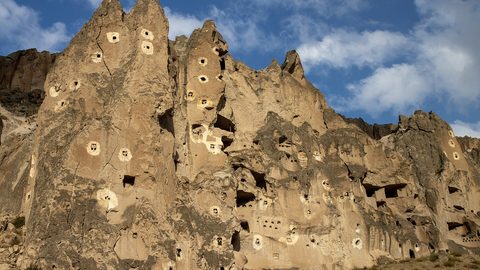
June through August brings guaranteed sun and doubled coastal prices, while April-May and September-October offer mild weather and fewer crowds on the ruins.
Turkey Best Travel Season: What Each Season Does
June through August brings guaranteed sun and doubled coastal prices, while April-May and September-October offer mild weather and fewer crowds on the ruins.
-
 Turkey Intercity Bus Network, Trains and Domestic Flights
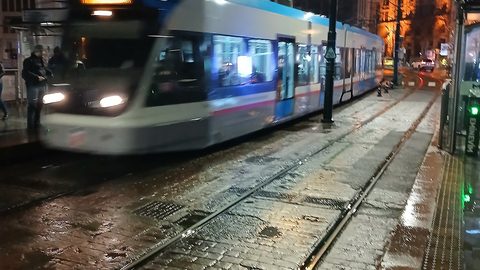
Long-distance buses are the connective tissue of Turkey, but otogars are often built far from city centres, and the YHT high-speed rail does not yet reach the coast.
Turkey Intercity Bus Network, Trains and Domestic Flights
Long-distance buses are the connective tissue of Turkey, but otogars are often built far from city centres, and the YHT high-speed rail does not yet reach the coast.
-
 Turkey e-Visa Requirements for Western Nationals
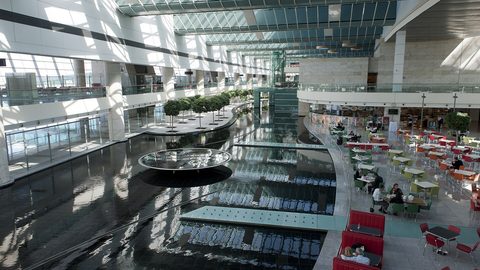
Most Western nationals obtain a 90-day e-Visa online before travel for $50-80 USD, but land border crossings from Georgia, Iran, and Iraq require separate paperwork.
Turkey e-Visa Requirements for Western Nationals
Most Western nationals obtain a 90-day e-Visa online before travel for $50-80 USD, but land border crossings from Georgia, Iran, and Iraq require separate paperwork.
-
 Turkish Lira Cash or Card: Where Cash Still Wins
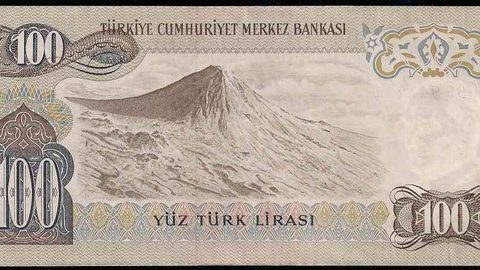
Cards work in hotels and restaurants, but Istanbulkart top-up machines take only cash and give no change, and dolmuş minibuses run on coins and notes alone.
Turkish Lira Cash or Card: Where Cash Still Wins
Cards work in hotels and restaurants, but Istanbulkart top-up machines take only cash and give no change, and dolmuş minibuses run on coins and notes alone.
-
 Turkey Safety Advice Context for Independent Trips
Government advisories paint broadly, but the real frictions are aggressive sales culture in tourist zones, Istanbul taxi scams, and the remoteness of the east.
Turkey Safety Advice Context for Independent Trips
Government advisories paint broadly, but the real frictions are aggressive sales culture in tourist zones, Istanbul taxi scams, and the remoteness of the east.
-
 How to Budget a Trip Based on Purchasing Power, Not Just Exchange Rates
Exchange rates tell only half the story. See how purchasing power shapes your real travel budget across Southeast Asia, Eastern Europe, and Latin America.
How to Budget a Trip Based on Purchasing Power, Not Just Exchange Rates
Exchange rates tell only half the story. See how purchasing power shapes your real travel budget across Southeast Asia, Eastern Europe, and Latin America.
-
 A Ground-Level Logistics Guide to Independent Travel in China
First-time independent travel in China: what you need to know about visas, rail booking, eSIMs, mobile payments, and power adapters.
A Ground-Level Logistics Guide to Independent Travel in China
First-time independent travel in China: what you need to know about visas, rail booking, eSIMs, mobile payments, and power adapters.
-
 How Solo Travelers Stay Ahead of Flight Delays and Cancellations
How solo travelers can track inbound aircraft, claim rebooking rights, and adjust ground transport when flights go wrong — step by step.
How Solo Travelers Stay Ahead of Flight Delays and Cancellations
How solo travelers can track inbound aircraft, claim rebooking rights, and adjust ground transport when flights go wrong — step by step.