A Gazetteer to Denmark for People Who Prefer Bicycles to Blockbusters
Denmark is flat, fractured by water, and built for bicycles. This guide explains the country's gentle, diffuse character and points you to the practical pages
- Flag
-

- ISO code
- DK
- Population
- 5,797,446
- Currency
- DKK
- Dial code
- +45
Denmark is Flat, Fractured and Cashless
Denmark has 443 named islands, a peninsula, and seven of the longest bridges in Europe connecting them. The highest natural point is 170.86 metres. You can cycle across much of the country on 12,000 kilometres of numbered routes without encountering a single serious hill. That pairing of geography and infrastructure defines what a trip here actually feels like: diffuse, low drama, built for slow accumulation rather than checklist chasing.
Carry a physical card and coins. The country is effectively cashless. Street food stalls in rural harbours, public toilets that cost two kroner, farm shops selling smoked herring on Bornholm. All expect a card or a phone. MobilePay is the near-universal app, but as a visitor you cannot get it without a Danish CPR number and bank account. ATMs exist but are decreasing in number. Some bank branches no longer handle cash over the counter. Plan for that before you land.
,_Nyhavn_--_2017_--_1711.jpg)
- Cashless Penetration: Near-universal; card and mobile wallet payments accepted at street food stalls, public toilets, and rural farm shops
- Currency: Danish krone (DKK); not the euro
- Terrain Type: Glacial lowland; highest natural point Møllehøj at 170.86 m
- Bicycle Infrastructure: Nationwide numbered cycle routes totalling over 12,000 km; separated cycle lanes standard in all towns
- Minimum Days: 7 days; anything less forces you to choose between Copenhagen and one other region
- Peak Season: July and early August; Danish school holidays fill beach houses, campsites, and west coast resorts
- Avoid Window: Late December through January; many rural attractions, castle interiors, and smaller museums close entirely
- Emergency Number: 112
- Tap Water: Safe to drink nationwide
What a Week in Denmark Actually Looks Like
Days One to Four: Copenhagen and Its Day Trips
Seven days is the minimum that lets you combine Copenhagen, a castle or two, and a slice of coast or islands. Less than that forces the false choice between the capital and everything else. Arrive at Copenhagen Airport, take the metro for 15 minutes or the regional train for 12 minutes, and spend the first two days in the city. On day three, ride the train 25 minutes to Roskilde for the cathedral and the Viking Ship Museum. Day four, go east 45 minutes to Helsingør for Kronborg Slot, Hamlet's castle.
Days Five to Seven: Pick One Region
Days five through seven, pick one region: Funen for manor houses and island hopping by small ferry, West Jutland for the Wadden Sea tidal flats and wide dune beaches, or Bornholm for granite cliffs and round churches. Do not try to do two of these in the same trip. The distances inside Jutland alone are deceptive: Skagen in the far north to Padborg in the south is roughly 400 kilometres by road. Wind exposure makes cycling those distances harder than the flat terrain suggests.
Getting Around by Train, Bus and Rejsekort
The national railway operator DSB runs the intercity train network, supplemented by Arriva in Jutland and Lokaltog on Zealand and Lolland Falster. Buy a Rejsekort anonymous travel card at a station for an 80 kroner deposit, or use the DSB app with a credit card. Do not buy a paper ticket on board; you pay a surcharge. Never forget to tap out with the Rejsekort. Forgetting charges you the maximum fare for the route. Regional bus drivers rarely accept cash, so you need that card or the app before you board.
The Friction That Surprises Prepared Travellers
The Cost of Eating and Drinking
Denmark shocks even prepared travellers with the cost of eating out and drinking alcohol. A beer in a Copenhagen bar runs 60 to 80 kroner. A proper smørrebrød lunch ordered by the piece at a frokostrestaurant costs 120 to 180 kroner for two pieces and a schnapps. The street eat option is the rød pølse from a pølsevogn, which is good and cheap. The summer soup koldskål with biscuits costs next to nothing and is available only in warm months.
Holiday Cottages and the Linen Trap
Do not expect to save money by cooking in a holiday cottage. Danish summer house rentals require you to bring your own bed linen and towels and to clean thoroughly on departure or pay a steep fee. That is not a detail you can ignore. Most shops close by 17:30 to 18:00 on weekdays, 14:00 to 16:00 on Saturdays, and are fully shut on Sundays outside Copenhagen.
Toilets, Tap Water and the Weather
Public toilets are scarce and cost 2 to 5 kroner in coins. Restaurants routinely refuse to serve tap water without a meal purchase, even though the tap water is safe to drink everywhere. The weather shifts from sun to sideways rain faster than you can zip a rain jacket. Prevailing westerlies are strongest from October through March, and the west coast is consistently windier than inland. Cold water swimming is part of the culture: sea temperatures peak at 18 to 20 degrees Celsius in August. If that sounds refreshing, you will find harbour swims in every coastal town. If it sounds miserable, stick to inland lakes in the Central Jutland lake district around Silkeborg, the hilliest terrain in Denmark and good for hiking and canoeing.
| Region | Travel Character | Recommended Days | Best Transport Mode | Key Tradeoff |
|---|---|---|---|---|
| Greater Copenhagen (Hovedstaden) | Urban, dense public transport network; half day trips to North Zealand coast and Kronborg | 3 to 4 days | S-tog, metro, regional trains | You see the capital but barely touch the rest of the country |
| Funen and South Funen Archipelago (Fyn) | Gentle hills, manor houses, island hopping by small ferry | 2 to 3 days for Funen, add 1 to 2 days per island | Bicycle plus ferry | Island ferries require reservations that sell out in July |
| West Jutland Coast (Vestkysten) | Dune landscapes, wide sand beaches, strong wind | 3 to 5 days for full coast | Car or campervan | Wind exposure doubles cycling effort; bus connections are sparse |
| Bornholm | Granite cliffs, round churches, distinct Baltic microclimate | 3 to 5 days | Ferry or domestic flight | Overnight ferry or 35 minute flight; day trip possible by air if you book the 07:00 out and 20:00 return |
| North Jutland (Nordjylland) | Skagen dune tip where two seas meet, shifting sand dune Råbjerg Mile | 3 to 4 days | Car or regional train plus bicycle | 400 km from Skagen to Padborg in the south; long drives |
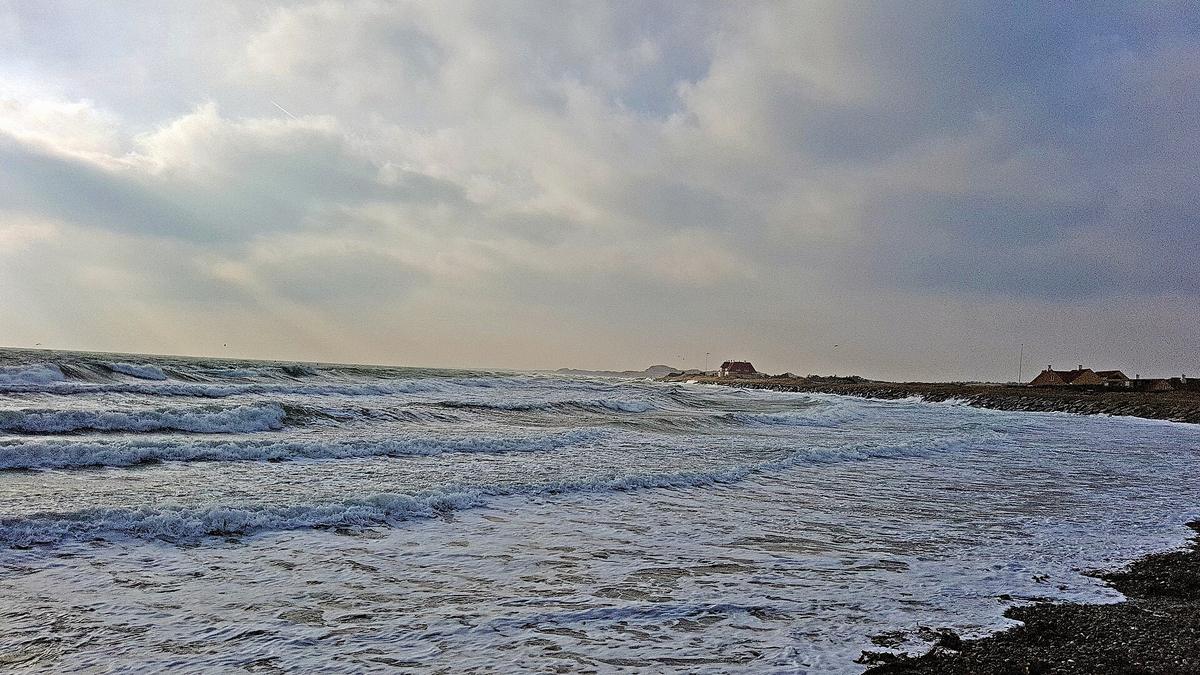

Getting it Wrong Before You Get it Right
Ferries You Must Book in Advance
The single biggest trip up is trying to see Denmark by car alone without booking inter-island ferries in advance. Travellers assume bridges connect everything, then find that Bornholm, Samsø, Læsø, and the South Funen islands require ferry reservations that sell out in July. The main domestic ferry operator is Molslinjen for Bornholm, Samsø, and Læsø. Local municipal operators run services to Fanø, Ærø, and the smaller islands. The Storebælt bridge and the Øresund bridge charge crossing fees for cars. There are no motorway tolls otherwise.
Arriving by Air: Billund and Aarhus
If you arrive at Billund Airport and your plan is to go straight to Aarhus, the bus takes 1.5 hours and costs about 180 kroner. If you fly into Aarhus Airport, the bus to the city takes 50 minutes and runs infrequently; arrange a rental car at the terminal instead.
SIM Cards and Entry Rules
For anyone arriving from outside Europe, buy a physical SIM at the Copenhagen Airport arrivals hall. Lebara and Lycamobile kiosks sell 30 gigabytes for 50 to 100 kroner. EU and EEA visitors roam freely. Non-EU visitors need a passport valid at least three months beyond their intended departure from the Schengen area. The 2025 entry rules for UK nationals require a passport and visa-free short stays up to 90 days in any 180-day period within Schengen, but the Schengen rule book changes periodically. The UK Foreign, Commonwealth and Development Office publishes the current status. US, Canadian, Australian and New Zealand nationals also get 90 days visa-free. The ETIAS authorisation is expected once operational but is not yet in force. Check your own government's travel advisory before booking: the UK FCDO, the US State Department, the Canadian Government at Travel.gc.ca, and the Australian Government at Smartraveller each issue annual advisories.
Common Questions
Do I really need coins if Denmark is cashless?
Yes. MobilePay is near universal but requires a Danish CPR number and bank account, which tourists cannot get. Public toilets charge 2 to 5 kroner in coins. Some rural farm shops and the occasional pølsevogn still take cash. Carry a 100 kroner note and a handful of 2 and 5 kroner coins.
Can I cycle between islands without a ferry?
No. The Storebælt bridge, the Øresund bridge, and the new Little Belt bridge carry bicycles on pedestrian cycle paths, but the South Funen islands, Bornholm, Samsø, and Læsø have no fixed links. You need to book a ferry crossing and a bicycle ticket in advance, especially in July.
What is the cheapest way to eat in Denmark?
Buy ingredients at a supermarket and make your own meals. If that is not possible, eat a rød pølse from a pølsevogn or a koldskål with biscuits in summer. Smørrebrød at a proper frokostrestaurant costs 120 to 180 kroner for a lunch portion. A beer in a bar costs 60 to 80 kroner. Budget accordingly.
Is Denmark safe for solo cyclists?
Yes. The bicycle infrastructure is nationwide, separated cycle lanes are standard in all towns, and the terrain is flat. The main hazard is wind, especially on the west coast and on islands, which can double your expected cycling effort. Carry rain gear and a windproof layer year round.
What is the most common mistake first time visitors make?
Assuming bridges connect all the islands. Bornholm, Samsø, Læsø, Fanø, and Ærø require ferry reservations that sell out in July. Another common mistake is forgetting to tap out with the Rejsekort card on regional trains and buses, which charges the maximum fare for the route.
Can I visit Legoland without a car?
Yes. Billund Airport has buses to Legoland. Advance online booking saves 10 to 15 percent. The park is closed or has reduced hours outside the peak summer season, and Danish school holidays in week 42 in mid October book it solid, so reserve ahead.
When should I absolutely not visit Denmark?
Late December through January, unless you want Christmas markets. Many rural attractions, castle interiors, and smaller museums close entirely. Daylight bottoms out around 7 hours in Copenhagen. Coastal towns feel shuttered. Also avoid week 42 in mid October, when Danish schools have autumn break and domestic holiday areas book solid.
Read next
-
 Staying Connected in Denmark eSIM Local SIM or Just Roaming
Denmark runs on MobilePay but tourists are locked out—here is how to stay connected for the DSB app, ferry bookings, and the coin-only toilets that define
Staying Connected in Denmark eSIM Local SIM or Just Roaming
Denmark runs on MobilePay but tourists are locked out—here is how to stay connected for the DSB app, ferry bookings, and the coin-only toilets that define
-
 Best Time to Visit Denmark, What Each Season Actually Does
Denmark's seasons swing from 17-hour summer daylight to seven-hour winter gloom. This page explains what each season does to crowds, closures, and your trip.
Best Time to Visit Denmark, What Each Season Actually Does
Denmark's seasons swing from 17-hour summer daylight to seven-hour winter gloom. This page explains what each season does to crowds, closures, and your trip.
-
 Getting Around Denmark, Trains, Ferries, and What the Map Oversells
Denmark's transport map looks seamless but hides ferry gaps, cashless buses, and a Rejsekort system that punishes forgetfulness.
Getting Around Denmark, Trains, Ferries, and What the Map Oversells
Denmark's transport map looks seamless but hides ferry gaps, cashless buses, and a Rejsekort system that punishes forgetfulness.
-
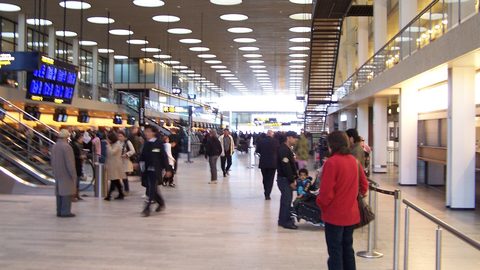 Denmark Visa Rules, Who Needs One and How the Application Works
Denmark is in the Schengen zone. This page explains who needs a visa to enter, how the Danish application process works, and what ETIAS will change.
Denmark Visa Rules, Who Needs One and How the Application Works
Denmark is in the Schengen zone. This page explains who needs a visa to enter, how the Danish application process works, and what ETIAS will change.
-
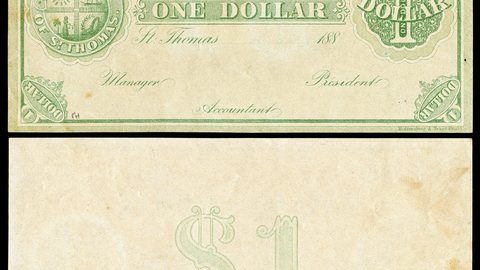 Money in Denmark, Danish Krone, Cards, and When Cash Still Wins
Denmark runs on cards and MobilePay, but tourists cannot get MobilePay. Here is how to handle Danish krone, where cash still matters, and why tap water costs.
Money in Denmark, Danish Krone, Cards, and When Cash Still Wins
Denmark runs on cards and MobilePay, but tourists cannot get MobilePay. Here is how to handle Danish krone, where cash still matters, and why tap water costs.
-
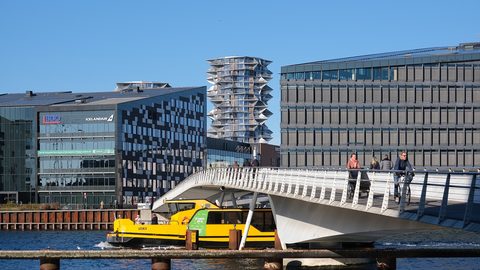 Safety in Denmark, Reading the Advice Without Being Misled by It
Denmark is a low-crime country, but cycling culture, coastal weather, and tidal flats pose real risks. This page reads the safety advice critically.
Safety in Denmark, Reading the Advice Without Being Misled by It
Denmark is a low-crime country, but cycling culture, coastal weather, and tidal flats pose real risks. This page reads the safety advice critically.
-
 A Ground-Level Logistics Guide to Independent Travel in China
First-time independent travel in China: what you need to know about visas, rail booking, eSIMs, mobile payments, and power adapters.
A Ground-Level Logistics Guide to Independent Travel in China
First-time independent travel in China: what you need to know about visas, rail booking, eSIMs, mobile payments, and power adapters.
-
 How Solo Travelers Stay Ahead of Flight Delays and Cancellations
How solo travelers can track inbound aircraft, claim rebooking rights, and adjust ground transport when flights go wrong — step by step.
How Solo Travelers Stay Ahead of Flight Delays and Cancellations
How solo travelers can track inbound aircraft, claim rebooking rights, and adjust ground transport when flights go wrong — step by step.
-
 Why Your eSIM Might Not Work Abroad and How to Check Before You Go
Buying an eSIM doesn't guarantee signal abroad. Learn why coverage fails by location and how to verify reach before you commit to a plan.
Why Your eSIM Might Not Work Abroad and How to Check Before You Go
Buying an eSIM doesn't guarantee signal abroad. Learn why coverage fails by location and how to verify reach before you commit to a plan.