Your UK Train Travel Guide When Distance Is Deceptive
Moving around the United Kingdom by train, car and coach: why rail fares punish last-minute booking, and what the road map does not tell you about journey times.
The rail network connects the United Kingdom but it is fragmented across 20-plus private operators. An advance single booked 8 to 12 weeks ahead can cost 80 percent less than a walk-up fare bought on the day. This guide tells you how the pricing works, which ticket to buy, when to buy it, and what happens when the map lies about distance.
The central friction is the pricing structure. Walk up to a ticket machine at London Euston on the morning of travel and a single to Edinburgh can hit a peak-rate walk-up fare set by the operator. Book the same seat eight weeks out on the same train and you may pay a fraction of that. The system pushes travellers onto specific departures to manage capacity. Advance singles are limited in number, tied to one train, and vanish once sold. Off-Peak tickets give flexibility at a higher price. Anytime tickets, fully flexible, cost the most. No single nationwide integrated ticket exists across operators. A journey that changes from Avanti West Coast to CrossCountry may need two separate tickets unless you buy a through fare.
The railcard system is the single best discount tool. A 16-25 Railcard costs £30 for one year and takes a third off most Off-Peak and Advance fares. The 26-30 Railcard works the same way. The Two Together Railcard covers a pair travelling together. The Family and Friends Railcard gives a discount on up to four children. A Senior Railcard for those 60 and over costs £30 and covers a third off most standard fares. Each card pays for itself after roughly two long-distance journeys. Buy it online before you travel. You cannot apply the discount retroactively at the station.
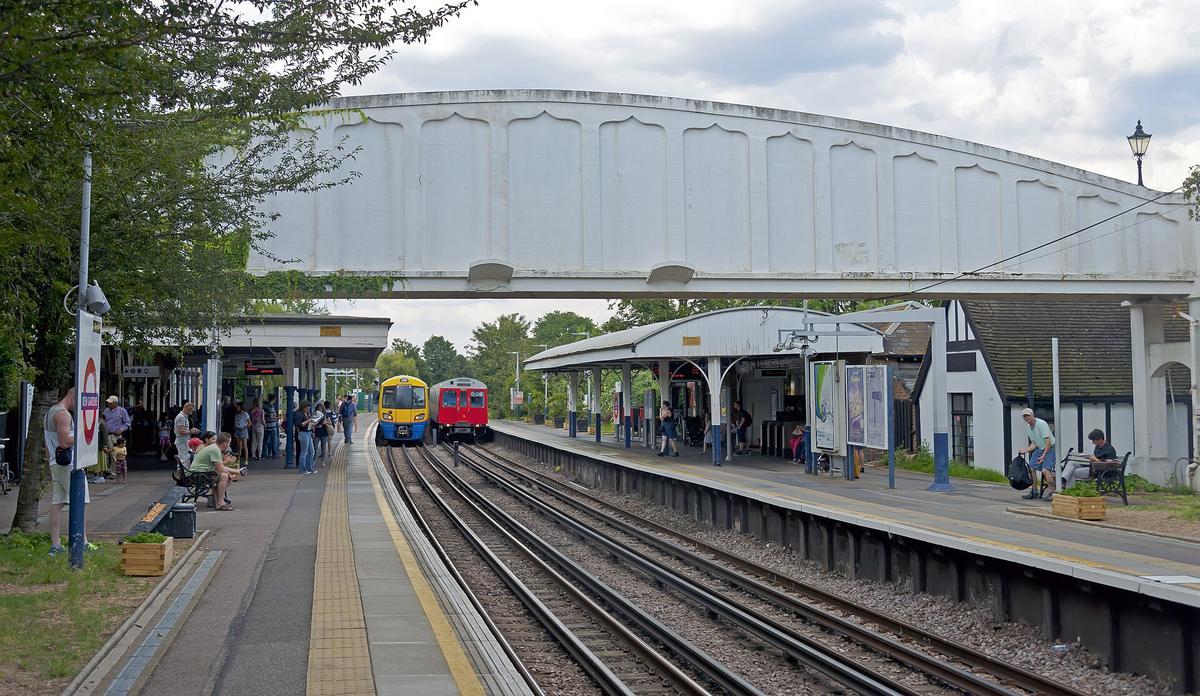

Getting Around Britain by Rail
Where the Network Reaches
The National Rail network covers all major cities and most towns, but the coverage has gaps. There is no rail service to large parts of rural Wales and no north-south rail link within Wales itself. The Scottish Borders have only limited reinstatement. Beyond the main line in Devon and Cornwall, many villages are unreachable by train. Cross-country routes avoid London entirely. CrossCountry runs Aberdeen to Penzance and Manchester to Bournemouth, but journey times are long and reliability is mixed.
Sleepers and Seat Rules
Seat reservations are optional on most long-distance services but mandatory on sleeper trains. The Caledonian Sleeper runs overnight from London to Scotland, reaching Edinburgh, Glasgow, Fort William, Aberdeen and Inverness. A berth in a classic room starts around £140 per person, including a light breakfast. The train departs London Euston around 23:30, arriving in the Highlands around 08:00. It saves a night of accommodation. Book months ahead during summer and the festive season. The Night Riviera sleeper runs London to Penzance, serving Cornwall overnight.
Quiet coaches exist on most intercity trains. Phone calls are forbidden. Fellow passengers enforce this without hesitation. If you take a call in a quiet coach, expect to be told directly to move. The carriages are clearly marked on platform information boards and at the door.
Advance Single Train Tickets UK: When to Buy and What You Get
How the Release Cycle Works
Advance singles are the cheapest rail tickets in the United Kingdom and the most restrictive. They are released up to 12 weeks ahead and sell out fast on popular routes. London to Edinburgh, London to Manchester, London to York and London to Cornwall all see prices climb from the lowest tier in the first week of release to near walk-up levels by the week of travel.
Your Buying Strategy
Check the operator's website twelve weeks out for the route you need. If the price is under £40, buy immediately. If the price is over £60, check alternative departure times either side of your preferred slot. Advance singles are non-refundable. Miss the train and the ticket is worthless. Some operators allow a change to a later departure for a £10 fee plus any fare difference. Not all do. Third-party retailers like Trainline charge a booking fee; buying direct from the operator does not.
The reverse works too. A London to Edinburgh advance single at 06:00 costs much less than the same ticket at 09:00, the peak departure. Travel early or late and save.
Driving in the United Kingdom Tips: What the Map Does Not Tell You
Road Classes and Where Motorways End
Driving in the United Kingdom means driving on the left. The road network is classified M for motorway, A for primary trunk, B for secondary, and unclassified. Motorways are concentrated in England. Scotland has few north of the Central Belt, Wales has almost none outside the south, and Northern Ireland has none west of the Bann.
The M25 orbital around London is a car park at peak times. Avoid it between 07:00-10:00 and 16:00-19:00 on weekdays. The M6 Toll in the West Midlands bypasses Birmingham for a fee paid by card or electronic tag. Cash is not accepted. The Dartford Crossing east of London also takes electronic payment only.
Why Distances Deceive
Road distances are structurally longer than they appear on a map. London to Cornwall is roughly 280 miles but takes 5-6 hours because the route beyond Exeter becomes single-carriageway A-roads. Manchester to the Scottish Highlands is about 300 miles and takes 6-plus hours due to the single-carriageway A9 north of Perth. Cross-Wales east-west journeys are slow because there is no motorway spine. Single-track roads with passing places are standard in the Highlands and mid-Wales. If you meet another vehicle, the rule is the nearest passing place on your left gives way. Reverse if you have to.
Zones, Charges and Charging
Low Emission Zones apply in London (ULEZ), Bath, Birmingham, Bradford, Bristol, Portsmouth, Sheffield, Tyneside and Glasgow. Check your vehicle's compliance before you cross a zone boundary. Non-compliant petrol cars registered before 2005 and diesel cars registered before 2015 are charged daily. The central London Congestion Charge zone costs £15 per day for vehicles entering between 07:00-18:00 Monday to Friday and 12:00-18:00 Saturday and Sunday. Electric vehicle charging is extensive in England but sparse in rural Scotland, mid-Wales and Northern Ireland.
National Express vs Megabus: Coaches When the Train is Too Expensive
The Two Main Operators
The intercity coach network is the fallback when rail advance singles are sold out or the walk-up fare is prohibitive. National Express and Megabus are the two main operators, with FlixBus a growing third. Coaches are slower than trains but significantly cheaper. London to Edinburgh by National Express costs around £25-40 and takes 8-9 hours. The same journey by Megabus starts from a handful of promotional seats per departure, though the base fare applies to only one or two seats.
National Express has wider coverage, reaching more towns and villages, and runs all year. Megabus covers major city routes and is strictly no-frills. Some older vehicles lack a toilet, there is no Wi-Fi guarantee, and luggage space fills fast. Both operators allow two medium suitcases plus one small hand luggage item per passenger. Neither permits regular bicycles in the luggage hold, though folding bikes are allowed if boxed. Book online before you travel. On-board purchase is subject to availability and costs more.
Where Coaches Do Not Go
The coach network has a coverage gap in remote rural areas of Scotland, Wales and southwest England. Some villages have no scheduled coach service at all. In those areas, a car is the only practical option.
Caledonian Sleeper Train Guide: London to Scotland Overnight
What You Get at Each Price Point
The Caledonian Sleeper is the most efficient way to travel between London and Scotland if you value daytime hours. Departing London Euston between 23:30 and 00:30, it reaches Edinburgh by 07:30, Glasgow by 08:00, and continues to Fort William, Aberdeen and Inverness by 08:00-10:00. You lose one night but gain a full day at both ends.
The cheapest option is a seat in a seated coach, roughly £50-70. A classic room with a fold-down washbasin starts around £140. A club room includes an en-suite shower and breakfast, from £200. All prices vary by demand, and the summer Highland season pushes them higher. Book at least four weeks ahead for the best price on a room. Seated compartments often have availability closer to travel.
On Board and Before You Go
Meals are included on club room tickets and available for purchase on classic room tickets. The bar car serves Scottish produce and is open until around midnight. Wi-Fi is free but patchy in the Highlands. The train has a quiet carriage policy. Winter storms can disrupt the service, especially the Highland routes, and engineering works occasionally replace the train with a coach between points in Scotland. Check the operator's website 48 hours before departure.
When the Road is Your Only Option
Cornwall to Scotland is a full day's drive. The route from Penzance to Inverness takes 10-12 hours without significant stops. Split the drive at the Lake District or Glasgow. Motorway service areas run by Moto, Welcome Break, Roadchef and Westmorland are spaced every 20-30 miles on motorways, but rural fuel stations are not 24-hour. In the Scottish Highlands and mid-Wales, Sunday opening is restricted. Fill the tank before you leave a town.
Fuel type labelling: unleaded petrol is E10 standard, with E5 super available at some stations. Diesel is B7 standard. Electric vehicle charging uses Type 2 and CCS connectors dominantly. Rapid chargers are concentrated on motorways and in cities. The Highlands and mid-Wales have sparse coverage. The UK Foreign, Commonwealth & Development Office does not issue domestic travel advisories, but foreign visitors should check their own government's advisory for the United Kingdom.
What the United Kingdom is Best for and Who Should Skip it
Who Should Come
The United Kingdom suits road-trippers who enjoy linking villages and scenery, history buffs chasing castles, cathedrals and stone circles, walkers seeking well-marked long-distance trails, literary and period-drama fans on pilgrimage, and first-time Europe visitors wanting a soft landing with no language barrier. The patchwork of four distinct nations shifts from chalk downs to Highland glens in a single day. The rewards come from moving between them, not staying in one base.
Who Should Skip It
It is not for travellers on a tight budget. Accommodation, dining and inter-city trains are among Europe's priciest. Sun-seekers wanting guaranteed heat should skip it. The weather is unreliable even in summer, and four seasons in an afternoon is genuinely exhausting to dress for. Those wanting a single-base fly-and-flop holiday will find the country's rewards demand moving around. The single thing that most often goes wrong is trying to do the whole United Kingdom in a week. London to Edinburgh is a 4.5-hour train each way. Cornwall to Scotland is a full day's drive. Pick two regions maximum for a 7-10 day trip.
Common Questions
How far ahead should I book an advance single train ticket?
Book 8 to 12 weeks ahead for the lowest price. Tickets are released up to 12 weeks before departure. The cheapest fares sell out first. If you book within two weeks of travel, expect to pay 50-80% more.
Is a railcard worth it for a one-week trip?
Only if you take at least two long-distance return journeys. A 16-25 or Senior Railcard costs £30 and saves a third on most fares. Two London to Edinburgh returns would cost significantly less with it. The card pays for itself.
Can I use contactless payment on all trains?
No. Contactless works on Transport for London services and some regional buses and trams outside London. It is not universally accepted on intercity rail. Buy your ticket online or at a station machine. Carrying more than £30 cash marks you as a tourist.
What happens if I miss my advance single train?
The ticket is non-refundable and non-changeable on most operators. Some allow a change to a later departure for a £10 fee plus any fare difference, but not all. If you miss it, you must buy a new ticket at the walk-up price.
Read next
-
 Staying Connected in the United Kingdom with eSIM, Local SIM or Roaming
How to stay connected across the United Kingdom, where mobile signal vanishes in the Highlands, mid-Wales and Lake District valleys regardless of your network.
Staying Connected in the United Kingdom with eSIM, Local SIM or Roaming
How to stay connected across the United Kingdom, where mobile signal vanishes in the Highlands, mid-Wales and Lake District valleys regardless of your network.
-
 Best Time to Visit the United Kingdom by What You Actually Want From It
When to visit the United Kingdom and what each season actually delivers: unreliable weather year-round, summer crowds in national parks, and specific weeks to
Best Time to Visit the United Kingdom by What You Actually Want From It
When to visit the United Kingdom and what each season actually delivers: unreliable weather year-round, summer crowds in national parks, and specific weeks to
-
 United Kingdom Visa and ETA Rules Without the Government Jargon
Who needs a visa or ETA for the United Kingdom, how the application process runs, and what to expect at the border e-gate.
United Kingdom Visa and ETA Rules Without the Government Jargon
Who needs a visa or ETA for the United Kingdom, how the application process runs, and what to expect at the border e-gate.
-
 Paying for Things in the United Kingdom Without Carrying a Wallet of Cash
How to pay for things in the United Kingdom: pound sterling, contactless cards, where cash still wins, and why Scottish banknotes confuse English shopkeepers.
Paying for Things in the United Kingdom Without Carrying a Wallet of Cash
How to pay for things in the United Kingdom: pound sterling, contactless cards, where cash still wins, and why Scottish banknotes confuse English shopkeepers.
-
 United Kingdom Safety Advice Without the Overblown Warnings
Reading safety advice about the United Kingdom without being misled by it: real risks like phone-snatching and rip currents versus exaggerated fears about
United Kingdom Safety Advice Without the Overblown Warnings
Reading safety advice about the United Kingdom without being misled by it: real risks like phone-snatching and rip currents versus exaggerated fears about
-
What a Trip to the United Kingdom Actually Costs and Where the Money Goes
Understand where your money goes on a United Kingdom trip, from the non-negotiable big spends to the choices that genuinely shift the total.
-
 A Ground-Level Logistics Guide to Independent Travel in China
First-time independent travel in China: what you need to know about visas, rail booking, eSIMs, mobile payments, and power adapters.
A Ground-Level Logistics Guide to Independent Travel in China
First-time independent travel in China: what you need to know about visas, rail booking, eSIMs, mobile payments, and power adapters.
-
 How Solo Travelers Stay Ahead of Flight Delays and Cancellations
How solo travelers can track inbound aircraft, claim rebooking rights, and adjust ground transport when flights go wrong — step by step.
How Solo Travelers Stay Ahead of Flight Delays and Cancellations
How solo travelers can track inbound aircraft, claim rebooking rights, and adjust ground transport when flights go wrong — step by step.
-
 Why Your eSIM Might Not Work Abroad and How to Check Before You Go
Buying an eSIM doesn't guarantee signal abroad. Learn why coverage fails by location and how to verify reach before you commit to a plan.
Why Your eSIM Might Not Work Abroad and How to Check Before You Go
Buying an eSIM doesn't guarantee signal abroad. Learn why coverage fails by location and how to verify reach before you commit to a plan.