Making Sense of Slovenia Transport Options for Real Itineraries
A rental car is the most practical way to see Slovenia, but rural roads, seasonal passes and limited public transport to trailheads change the map.
How to Move Between Slovenian Regions Without Losing Days
Most visitors underestimate how many hours they will spend in a car between the Julian Alps and the Karst coast. Google Maps says 90 minutes. The real drive takes three. A rental car is the dominant practical mode for seeing the country as a whole, and the core question is not which vehicle to use, but which roads are actually drivable in the time you have. A rental car gives you access to the 625 km motorway network, the mountain passes and the wine roads that public transport does not reach. Without one you are confined to the Ljubljana Maribor corridor and a handful of tourist shuttle routes. You lose the Soča Valley, the Karst farm stays and half the Triglav National Park trailheads.
Rental Car Slovenia Advice
Pick Up At The Airport
Book a rental car from Ljubljana Jože Pučnik Airport, not from the city centre. Airport desks have better stock and weekend hours. City centre agencies close Saturday afternoon and all Sunday. Pick up a vehicle with at least 100 hp for the alpine roads. The underpowered city cars struggle on the climb to Vršič Pass.
Buy The Vignette Before You Drive
You need the electronic vignette for motorways and expressways. It is linked to your licence plate, so no sticker. Buy it at a petrol station, a post office or the DARS online portal before you drive onto any motorway. The ANPR cameras check every vehicle. A fine for no vignette runs several hundred euro. Validity periods are annual, monthly or weekly. For a ten day trip the weekly vignette is the correct purchase.
Winter Rules And The Law
From mid November to mid March winter tyres or chains are mandatory on every vehicle nationwide, with stricter enforcement in the Alpine regions. This is not advisory. Police check at mountain pass entry points and in heavy snow on the A2 motorway. The 2024 requirement applied to all vehicles up to 3.5 tonnes. The Slovenian Traffic Safety Agency publishes the current regulation.
Dipped headlights are mandatory at all times while driving, even at noon on a clear summer day. Every car rented in Slovenia has daytime running lights, but double check they are on. The blood alcohol limit is 0.05% for private drivers and 0.0% for professional and novice drivers. That is approximately one small beer for a person of average weight. Do not risk it.

Slovenia Bus Network Coverage
Coverage Versus Frequency
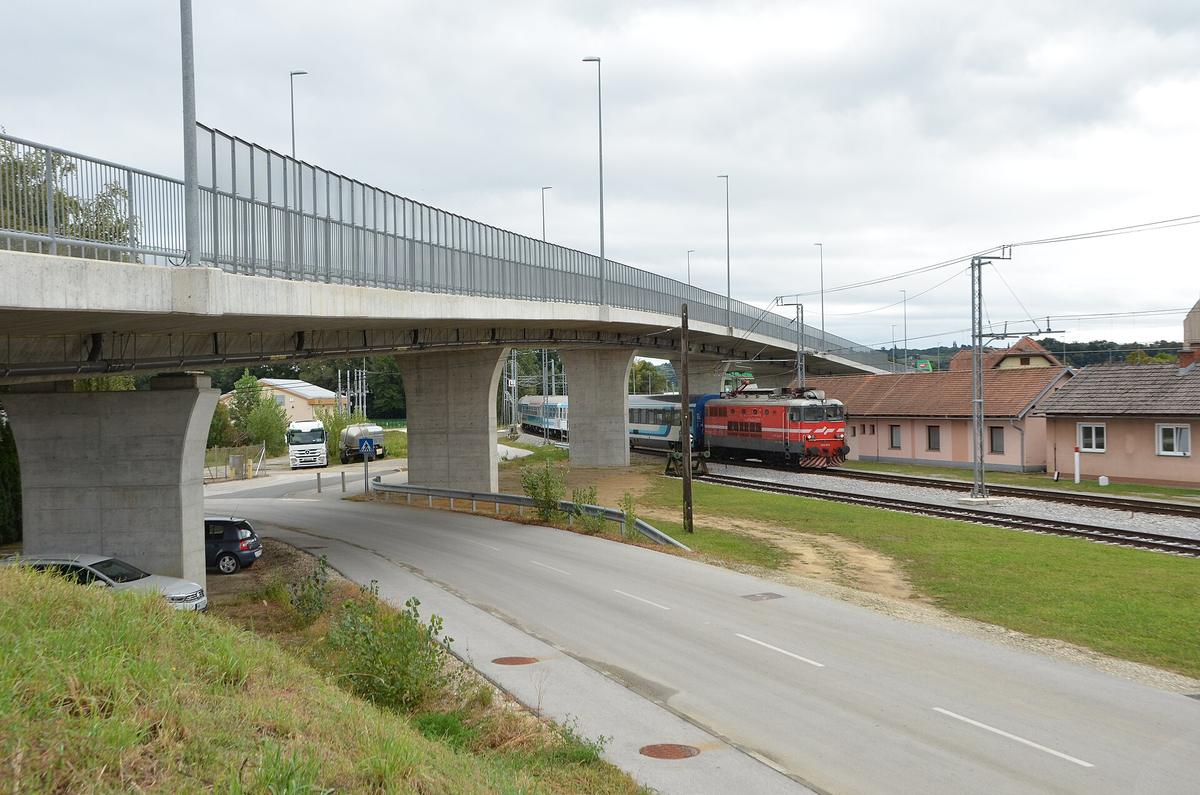
The intercity bus network serves every municipality and is the only mode reaching many rural and Alpine valleys. If a settlement has no rail station, the bus is the fallback. But coverage does not mean frequency. Many mountain village routes run two or three times a day, with the last return bus leaving at 14:00 or 15:00. Miss it and you pay for a taxi or wait until the next morning.
Triglav Trailheads And The Coast
The common failure case is a trailhead in Triglav National Park. You can get a bus from Ljubljana to Bled or Bohinj every hour in summer. From Bohinj to the Aljaž Tower trailhead the bus runs three times daily, and the last one leaves the lake before 17:00. Hikers who plan a full day walk and assume a 19:00 bus will be there end up walking the valley road in the dark. Check the operator's app for the return schedule before you set out.
On the coast the bus works well. Piran is car free in the centre. You park at the entrance lot and walk, or arrive by bus from Ljubljana in about 1.5 to 2 hours. The bus station at Piran is a two minute walk from the Tartini Square gate.
Slovenia Train Routes Explained
The Network Shape
Slovenian Railways (Slovenske železnice, SŽ) runs 1,209 km of track, of which 503 km are electrified, serving 150 plus passenger stations and stops. The network is shaped like a Y. The trunk runs from Ljubljana north to Maribor and on to Austria and Hungary. The southwestern branch goes through the Karst to Sežana and Italy. The northwestern branch goes to Jesenice, then splits for Bled and the Bohinj Railway crossing into Italy at Nova Gorica.
Tickets, Bikes And Scenic Lines
The Pendolino ICS train between Ljubljana and Maribor is the only service that requires a mandatory seat reservation. Regional and local trains are open dated. You buy a ticket for the route and take any train on that line that day. Buy tickets at station counters, ticket machines, the SŽ mobile app or online. The IJPP card is a single card that works on all SŽ trains and most bus operators, loaded with monthly or annual value.
Bicycle carriage is allowed on most regional and some IC trains where marked bicycle spaces exist. On intercity buses bicycles are not permitted. Some regional bus drivers allow it at their discretion, which means you should not count on it.
The scenic Bohinj Railway runs 89 km from Jesenice to Nova Gorica, crossing the Julian Alps through a long tunnel. Full service runs in the summer tourist season. Winter service is reduced. The Karst Railway section near Divača is a UNESCO listed heritage line and worth a slow ride for the stone bridges and tunnel views, but it adds time to a Ljubljana to Koper journey. The straight line distance is 80 km, but the rail route is roughly 150 km via a winding Karst alignment.
Slovenia Mountain Road Driving
Vršič Pass And Mangart Saddle
Vršič Pass at 1,611 m is the critical link between the Soča Valley and the Gorenjska region around Kranjska Gora. The straight line distance from Bovec to Kranjska Gora is about 20 km. The road over Vršič is roughly 100 km, with 50 hairpin bends. Google Maps gives the drive as 90 minutes. On a summer Saturday it takes 2.5 to 3 hours because of cyclists, campervans that cannot hold speed and one way sections controlled by traffic lights at single lane bridges. In winter the pass is closed entirely to motor vehicles. There is no alternative road that avoids it. You must go via Ljubljana or through Italy.
Mangart Saddle road at 2,072 m is also closed in winter snow season. It is the highest road in Slovenia, unpaved in sections, and suitable only in dry conditions from June to October with a vehicle that has ground clearance. Do not take a low sports car up it.
Summer Traffic And Mountain Weather
Summer weekend traffic on the A2 motorway north of Ljubljana towards Bled and the Karavanke Tunnel backs up from 09:00 to 11:00 on Saturday morning and from 15:00 to 18:00 on Sunday afternoon. Add 45 minutes to your drive time on those slots. On weekdays the same road flows at speed limit.
Mountain weather changes quickly. A clear morning at Lake Bohinj can turn to thunderstorm by 13:00, reducing visibility and coating the Vršič asphalt with hail. If a storm is forecast, do not start the pass drive after 16:00. The road surface becomes slick within minutes and the hairpins have no guardrails on the outer edge.
Where the Time Actually Goes: Regional Travel Times
Build A Mental Model, Not A Timetable
Build a mental model of driving times between regions, not a timetable. From Ljubljana to Bled is 55 km on road, about 45 minutes outside peak hours. Ljubljana to Koper is 105 km on road, about 1 hour 20 minutes in light traffic, but the return on a Sunday summer afternoon pushes to 2 hours. Bled to Soča Valley over Vršič Pass is 1.5 hours in perfect conditions, but perfect conditions in July and August are rare between 10:00 and 17:00.
Ljubljana to Maribor is 1 hour 15 minutes on the A1 motorway. Maribor to Ptuj is 30 minutes. Ptuj to Prekmurje is another 40 minutes. The eastern half of the country moves fast because the terrain is flat and the roads are straight. The west is where the time goes: the Julian Alps, the Karst, the coastal strip.
Move Your Accommodation
The common mistake is trying to base yourself only in Ljubljana and do day trips to Bled, Postojna Cave and the coast on separate days. Each out and back with traffic costs you 3 to 4 hours of driving. On a three or four day trip that is half your waking hours in a car. Move your accommodation instead. Base in Bled or Bohinj for the alpine section, then overnight near Piran or in the Karst for the coast and caves.

What to Do When the Normal Route is Closed or Sold Out
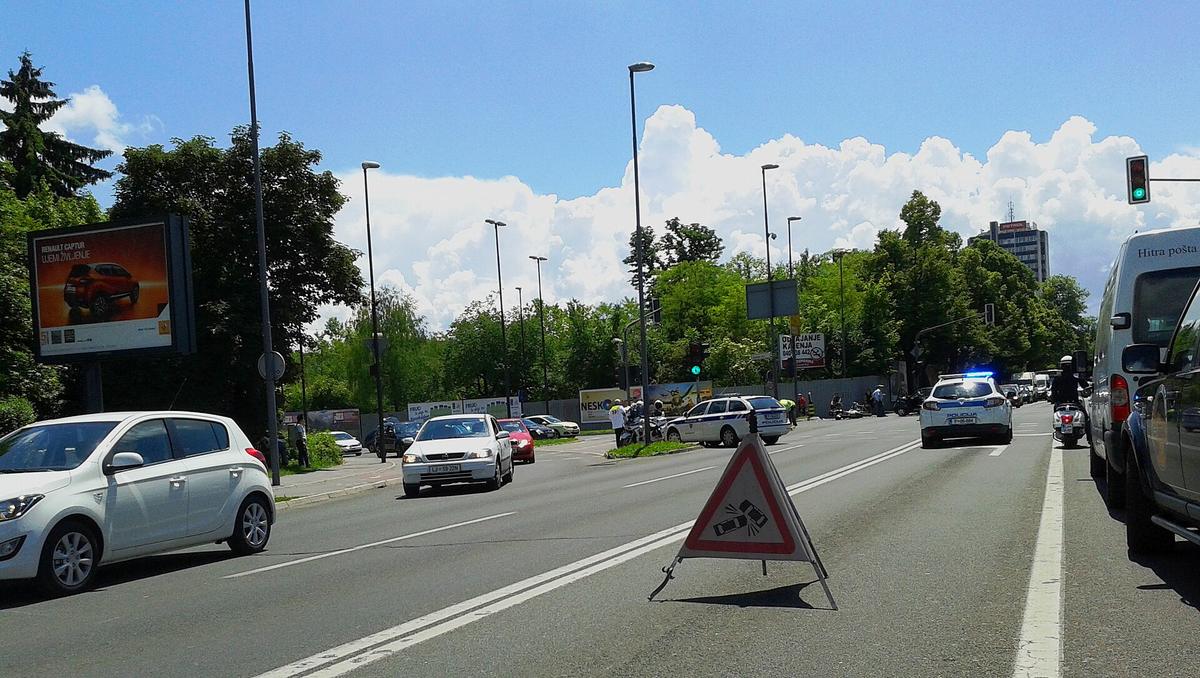
If Vršič Pass Is Closed
If Vršič Pass is closed and you need to get from Bovec to Kranjska Gora, take the road through Italy. Drive Bovec to Tarvisio, about 30 minutes on the Italian side, then Tarvisio to Kranjska Gora, about 20 minutes. This adds roughly 10 minutes to the route but avoids the 100 km detour through Ljubljana. No vignette is needed for the short section of Italian motorway if you stick to the state road.
If The Queues Or Car Parks Are Full
If the Bled cream cake shop has a 40 minute queue, skip it and buy the cake at a bakery in Radovljica 10 minutes up the road. Same recipe, no queue.
If Postojna Cave is sold out for the day, drive 15 minutes to Škocjan Caves. Škocjan is a UNESCO listed underground canyon, fewer crowds, and no train ride gimmick. Both require advance booking in July and August, but Škocjan often has same day slots when Postojna does not.
If the Piran car park is full, park in the lot on the approach road before the final roundabout. The official lots fill by 10:30 on summer weekends. The overflow lot at Fornače is a 15 minute walk to the old town.
Who Should Drive and Who Should Stay in Ljubljana
Slovenia suits road trippers who want alpine, karst and coastal scenery in one short trip, hikers and lake swimmers, food and wine travellers focused on small producers, families wanting safe manageable outdoor activity, and slow travellers who prefer villages and nature over big city tourism. If that describes you, rent the car, base in two or three locations, and accept that a seven day trip covers Ljubljana plus two contrasting regions at most.
Slovenia is not for big city buzz seekers, nightlife focused travellers, those wanting tropical beach resorts or guaranteed hot summer weather, or travellers who prefer fast intercity rail and metro systems over car based touring. If you expect to step off a train and walk to a mountain hut, bring very flexible plans and a phone number for a taxi.
The single thing that most often goes wrong is the assumption that a road visible on a map is a road passable in the time the map says. Vršič at 1,611 m, Mangart Saddle at 2,072 m, the coastal road on a Sunday afternoon. The map does not know about the campervan in the hairpin or the thunderstorm at 13:00. Budget the time anyway.
Common Questions
Can I see Triglav National Park without a car?
Yes, but only the lake zones. Buses run from Ljubljana to Bled and Bohinj hourly in summer. Trailheads for Triglav summit and the Seven Lakes Valley have irregular bus service, typically two or three daily. The last return bus from the Bohinj cable car station leaves before 17:00.
Does Google Maps account for Vršič Pass traffic?
No. Google Maps shows 1.5 hours from Bovec to Kranjska Gora over Vršič. In July and August on weekends it takes 2.5 to 3 hours due to campervans, cyclists and one way sections. Add 50 per cent to any mountain route estimate.
What happens if I drive the motorway without a vignette?
ANPR cameras scan every vehicle. The fine for no vignette is several hundred euro. You cannot buy a vignette at the roadside after you are caught. Purchase before you enter the motorway at any petrol station, post office or the DARS online portal.
Can I cross from Bovec to Kranjska Gora in winter?
No. Vršič Pass is closed to motor vehicles during the winter snow season. The alternative is the road through Italy via Tarvisio, which stays open year round. Allow 50 minutes total instead of the usual 90.
Read next
-
 Staying Connected in Slovenia Without the Roaming Panic
A practical comparison of eSIM, local SIM, and roaming for Slovenia, with notes on where coverage drops in the Julian Alps.
Staying Connected in Slovenia Without the Roaming Panic
A practical comparison of eSIM, local SIM, and roaming for Slovenia, with notes on where coverage drops in the Julian Alps.
-
 Best Time to Visit Slovenia by Season and What Actually Happens
Slovenia's seasons change what is open, how crowded the lakes and coast feel, and whether mountain passes and huts are accessible at all.
Best Time to Visit Slovenia by Season and What Actually Happens
Slovenia's seasons change what is open, how crowded the lakes and coast feel, and whether mountain passes and huts are accessible at all.
-
 Slovenia Visa Requirements for Schengen and Non-Schengen Visitors
Slovenia is in the Schengen Area, so entry rules depend on your nationality and whether you are crossing from another Schengen country.
Slovenia Visa Requirements for Schengen and Non-Schengen Visitors
Slovenia is in the Schengen Area, so entry rules depend on your nationality and whether you are crossing from another Schengen country.
-
 Using Euros, Cards and Cash in Slovenia Without Friction
Slovenia uses the euro, and while cards work in cities and tourist hubs, rural guesthouses, mountain huts and small producers often prefer cash.
Using Euros, Cards and Cash in Slovenia Without Friction
Slovenia uses the euro, and while cards work in cities and tourist hubs, rural guesthouses, mountain huts and small producers often prefer cash.
-
 Slovenia Safety Advice Without the Overblown Warnings
Slovenia is a low-crime country, but mountain weather, steep trails, ticks and narrow alpine roads are the real risks to plan for.
Slovenia Safety Advice Without the Overblown Warnings
Slovenia is a low-crime country, but mountain weather, steep trails, ticks and narrow alpine roads are the real risks to plan for.
-
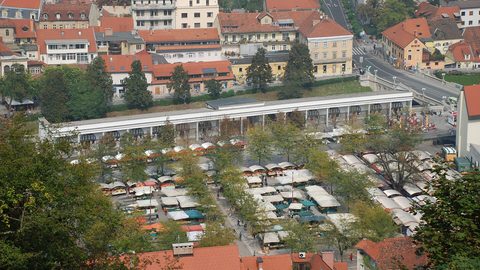 How Much Does Slovenia Cost in Real Terms
A realistic look at what Slovenia costs, from Ljubljana city breaks to alpine road trips, and where the money actually goes.
How Much Does Slovenia Cost in Real Terms
A realistic look at what Slovenia costs, from Ljubljana city breaks to alpine road trips, and where the money actually goes.
-
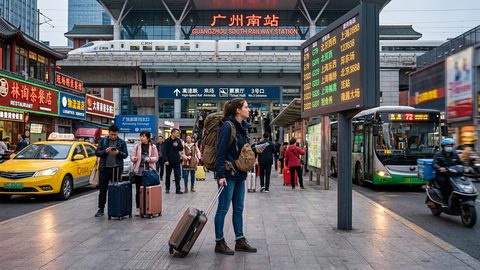 A Ground-Level Logistics Guide to Independent Travel in China
First-time independent travel in China: what you need to know about visas, rail booking, eSIMs, mobile payments, and power adapters.
A Ground-Level Logistics Guide to Independent Travel in China
First-time independent travel in China: what you need to know about visas, rail booking, eSIMs, mobile payments, and power adapters.
-
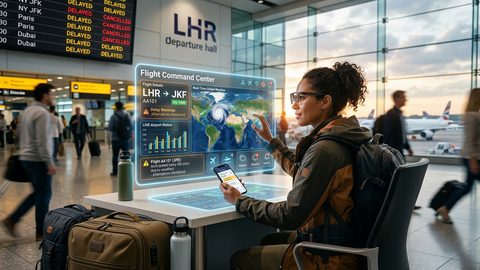 How Solo Travelers Stay Ahead of Flight Delays and Cancellations
How solo travelers can track inbound aircraft, claim rebooking rights, and adjust ground transport when flights go wrong — step by step.
How Solo Travelers Stay Ahead of Flight Delays and Cancellations
How solo travelers can track inbound aircraft, claim rebooking rights, and adjust ground transport when flights go wrong — step by step.
-
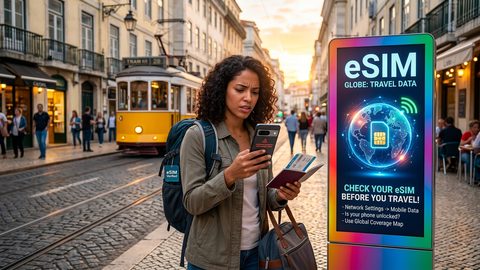 Why Your eSIM Might Not Work Abroad and How to Check Before You Go
Buying an eSIM doesn't guarantee signal abroad. Learn why coverage fails by location and how to verify reach before you commit to a plan.
Why Your eSIM Might Not Work Abroad and How to Check Before You Go
Buying an eSIM doesn't guarantee signal abroad. Learn why coverage fails by location and how to verify reach before you commit to a plan.