Sweden: A Gazetteer for Self-Sufficient Travellers
Sweden delivers vast quiet nature and a deeply ingrained outdoor-access culture, but distances are long, rural cafes close early, and the gap between city
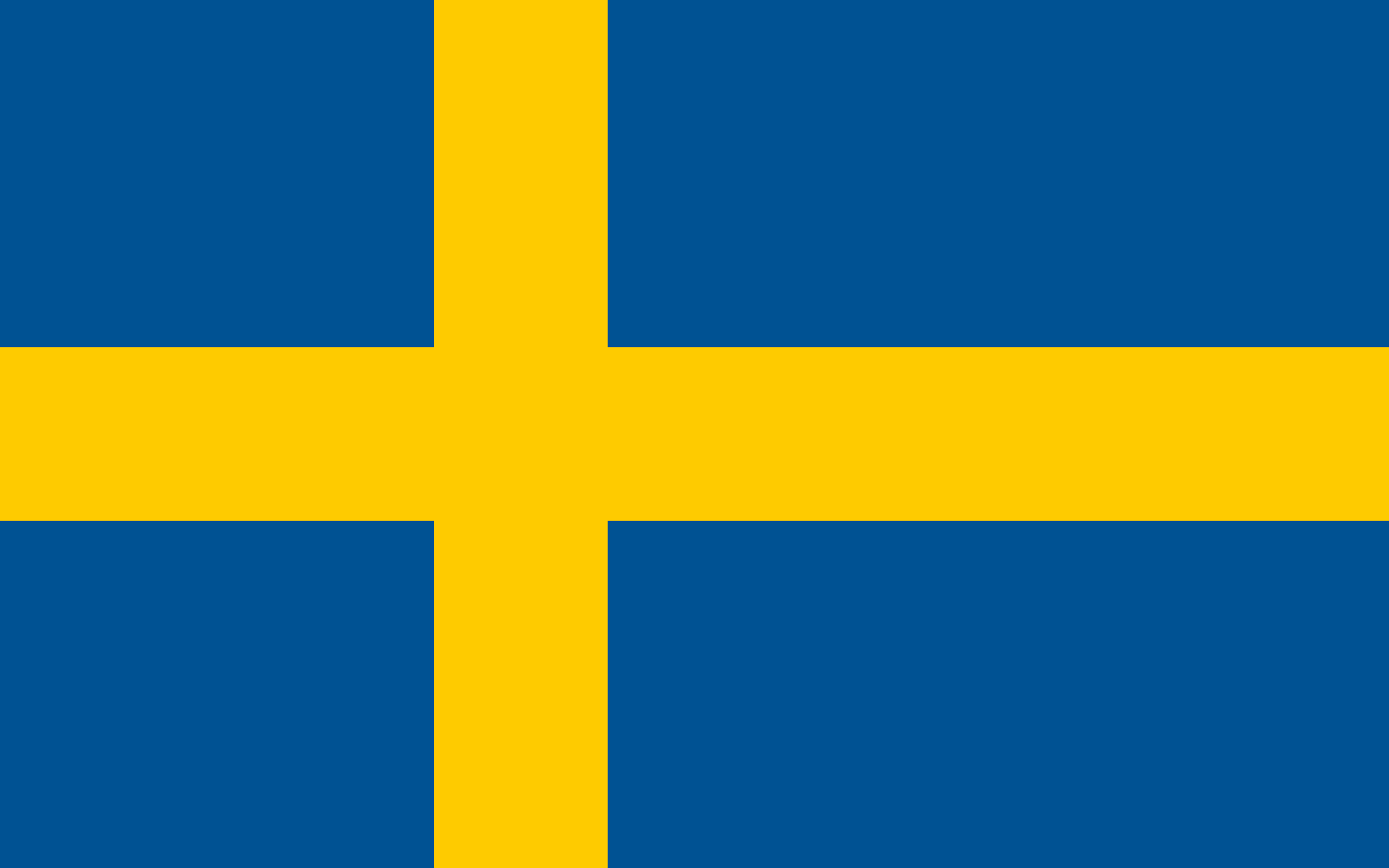
- Flag
-
- ISO code
- SE
- Population
- 10,183,175
- Currency
- SEK
- Dial code
- +46
Sweden: a Gazetteer for Self-Sufficient Travellers
Sweden is 1,600 km long. That distance, from its southern tip to the far north, is roughly the same as from Sweden to Rome, yet most first time visitors try to cross it in a week. This guide exists to save you from that mistake. The country delivers vast quiet nature and a deeply ingrained outdoor access culture, but the gap between glossy city design and the practical remoteness of the north is wider than you expect. Before you book anything, understand what Sweden actually is: a place that rewards the self sufficient and punishes the unprepared.
- Minimum Days Needed: 10 days to connect at least two distinct regions without spending the trip in transit.
- Peak Season: June to August, driven by midnight sun in the north, Midsummer celebrations, and the brief window when most seasonal lodges and hiking trails are open.
- Avoid These Windows: Early November (dark, wet, pre snow cover, many attractions closed) and late February to early March (sportlov school ski holiday drives up prices and fills transport).
- Seasonal Determinant: Daylight hours, not temperature. Far north ranges from near 24 hour daylight in summer to near 24 hour darkness in winter.
- Currency: Swedish Krona (SEK). Sweden is not in the Eurozone.
- Cashless Prevalence: Majority of transactions are electronic. Businesses have the legal right to refuse cash and many do.
- Emergency Number: 112
- Main Airport: Stockholm Arlanda (ARN). Arlanda Express train to central Stockholm in 18 minutes, approximately 340 SEK.
- Secondary Airports: Göteborg Landvetter (GOT), Copenhagen Airport (CPH, Denmark, for southern Sweden), Malmö Airport (MMX).
Sweden Practical Information: What Actually Works and What Does Not
Arriving Without Friction
Arriving is straightforward. From Stockholm Arlanda the Arlanda Express runs to the centre in 18 minutes, costing approximately 340 SEK. From Göteborg Landvetter the Flygbussarna coach takes 20 30 minutes at around 140 SEK. Copenhagen Airport in Denmark serves southern Sweden directly: trains cross the Öresund Bridge to Malmö in 20 minutes, about 150 SEK. Non EU citizens from the US, UK, Canada and Australia enter visa free for up to 90 days within the Schengen area. EU and EEA citizens need a valid passport or national ID card.
Payments And Connectivity
Cash is not your friend here. Most businesses legally refuse it. You need a contactless bank card or a regional transport app for buses, trains and even some public toilets. The Swish payment app dominates person to person transactions but requires a Swedish bank account, so tourists cannot use it. Physical SIM cards from Comviq or Telia are cheap and available at Pressbyrån convenience stores. Download offline maps before you go: mobile coverage drops abruptly inside Sarek and Padjelanta national parks.
Social Codes
Reserved social codes catch many visitors off guard. Swedes are not rude; they value personal space and silence on public transport. Queuing is orderly and strictly observed. Small talk with strangers is rare. This is not a destination for travellers who need a social buzz from locals. For walkers, hikers and road trippers the reserve becomes a gift: you are left alone in the landscape.

Sweden Trip Planning: Routes, Regions and the Distances That Matter
Geography First
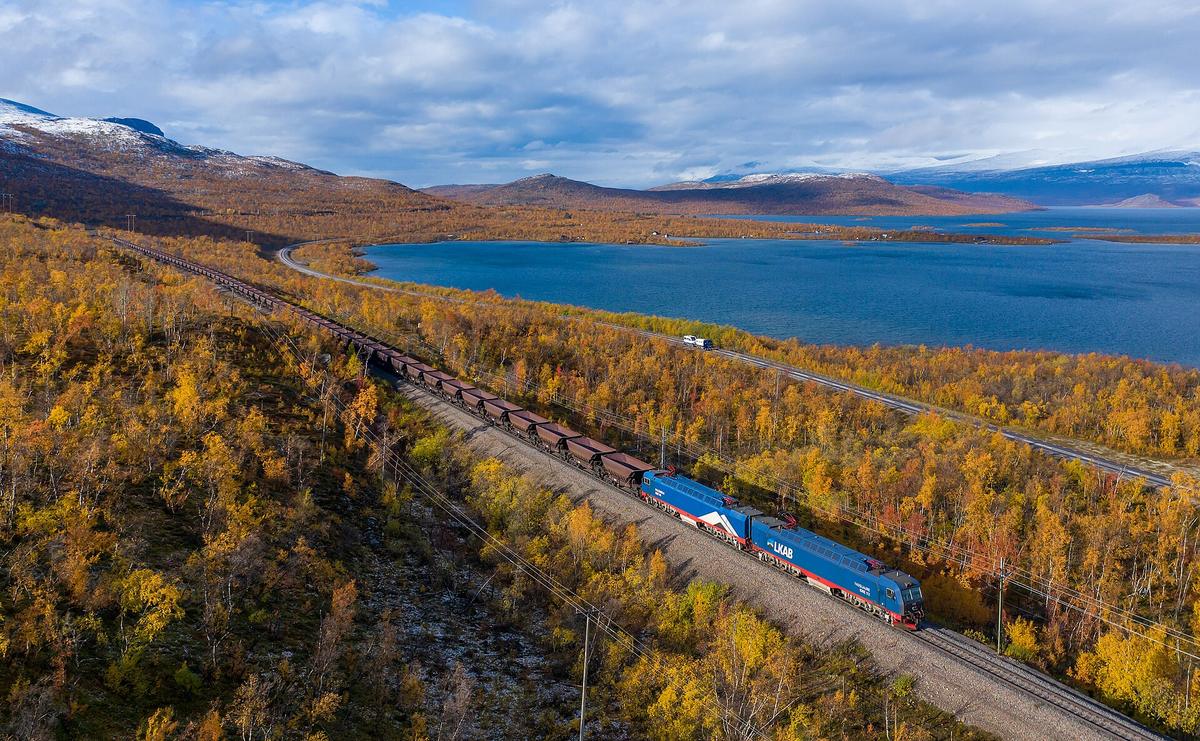
Plan around geography, not a list of landmarks. Sweden stretches from roughly the same latitude as central France up to the Arctic Circle. The far north north of Dalarna is sparsely populated. Services, fuel stations and accommodation can be 100 km apart or more.
Rail And Road
Rail covers the populated corridors well. SJ, the national operator, runs Stockholm to Göteborg in about three hours and Stockholm to Malmö in about four and a half hours. The overnight sleeper from Stockholm to Kiruna takes roughly 15 hours and requires a pre booked seat reservation. You cannot buy a long distance SJ ticket on the platform and walk on: reservations sell out, especially in summer. For the far northern interior and the southeastern coastal archipelago areas there is no railway. You need a rental car there.
A rental car is the dominant mode for any trip that leaves the Stockholm Göteborg Malmö triangle. Winter tyres are mandatory from 1 December to 31 March if winter road conditions exist. The E4 highway runs the full length from Helsingborg to Haparanda, but driving time between the deep south and the far north is a full day each way. Do not try to cover both in a single week. You will burn two days on transit and experience nothing properly.
| Region | Minimum Days | Why This Many |
|---|---|---|
| Swedish Lapland | 5 to 7 | Cover Kiruna, Abisko, Icehotel area and Sami cultural sites without rushing. |
| Stockholm Archipelago | 2 to 4 | 30,000 islands served by scheduled ferries. Getting to the outer islands takes hours. |
| Gotland | 3 to 5 | Medieval Visby and the coastal rauks need time. Ferries from Nynäshamn or Oskarshamn take about 3 hours. |
| Dalarna | 3 to 4 | Lake Siljan area, Falun mine and traditional cultural sites. |
| West Coast (Bohuslän) | 3 to 4 | Coastal villages, seafood and islands. Rocky granite shoreline. |
| Skåne | 2 to 3 | Rolling farmland, coastal trails and Malmö. |
Sweden for First Time Visitors: What You Must Book and What You Must Skip
Book The Vasa, Skip The Supermarket Drinks
Book the Vasa Museum in Stockholm in advance online. The queue for walk ups is long and the ship is indoors so there is no natural limit on capacity, but the timed entry system still fills up. Skip any plan that involves evening drinks bought at a supermarket. Systembolaget, the state run alcohol monopoly, sells everything above 3.5% alcohol. It closes by 19:00 on weekdays, 15:00 on Saturdays and is closed all day Sunday. If you forget, your evening is ruined. The legal purchase age at Systembolaget is 20, higher than the bar drinking age of 18.
Right To Roam, With Limits
Allemansrätten, the right to roam, is a customary right codified in the Swedish Constitution. It allows wild camping for one to two nights on uncultivated land not near a dwelling. It does not allow driving off road to find a spot. It does not allow fires during dry spells. Local fire bans are issued by county administrative boards and fines follow violations. Also in season, mosquitoes and biting midges in the north from June to August are severe enough that hiking without a head net becomes miserable. Carry one. Dog owners: dogs must be leashed or under strict control from 1 March to 20 August to protect wildlife.
Midsummer Shutdown
Midsummer, the Friday and Saturday closest to 24 June, is the peak of the domestic holiday calendar. Many businesses close. Book trains and accommodation months ahead or stay put. School summer holidays run from mid June to mid August and many industrial businesses operate with reduced staff through July.

Is Sweden Right for Me?
Who It Suits
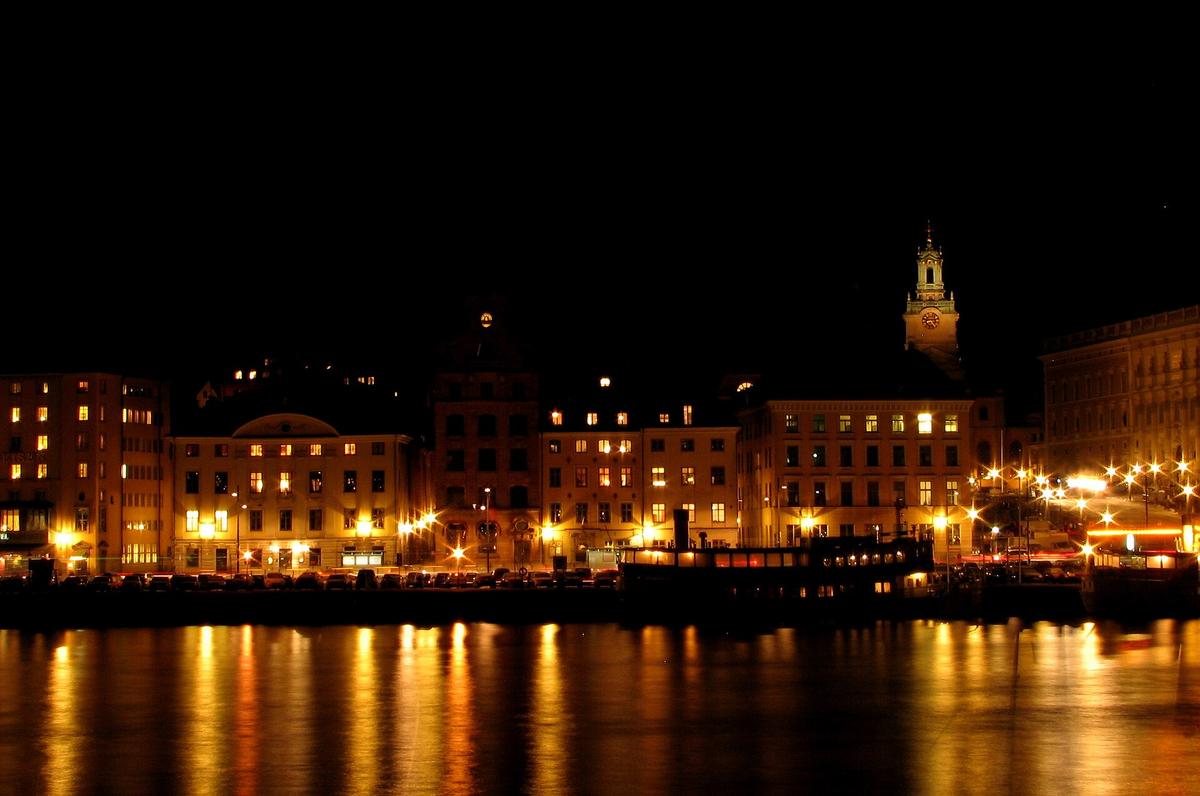
Sweden suits self sufficient road trippers who do not mind long drives between thin patches of services. It suits dedicated hikers and wild campers who arrive with a map, a head net and realistic expectations about midge season. It suits design and architecture enthusiasts who understand that the glossy buildings of Stockholm Gamla Stan and the Turning Torso in Malmö exist alongside practical remoteness: a 15 hour sleeper train ride to Kiruna, a gas station that closes at 18:00, a row of red painted cottages in Dalarna that look lovely in June and empty by early September.
Who It Does Not Suit
Sweden is not for spontaneous luxury seekers who expect a compact high density destination where everything is walkable. It is not for nightlife focused travellers expecting late raucous scenes outside Stockholm. And it is not for budget backpackers who find Scandinavia punishing on alcohol, eating out and internal transport costs. The VAT on food and accommodation is 12%, on standard goods 25%, and that filters into every bill. Budget honestly or go elsewhere.
Sweden is for people who prefer solitude over social buzz, who look at a map of 30,000 islands and feel excitement rather than overwhelm, and who understand that a country this big cannot be seen in a week. Do the minimum 10 days. Connect two regions. Leave the rest for another trip.
Common Questions
Can I drink tap water in Sweden?
Yes. Tap water is potable throughout the country. There is no need to buy bottled water.
Do I need to tip in restaurants?
Service charge is included in the bill. Rounding up is common but not expected. Tipping is not part of the culture the way it is in North America.
Is it true that Sweden does not accept cash?
Many businesses have the legal right to refuse cash and they do. Buses in Stockholm and other cities do not accept cash. You need a contactless card or a transport app.
When can I see the northern lights?
Late August to early April, requiring dark clear skies. The strongest visibility is in Swedish Lapland. Abisko National Park has a clear sky microclimate that improves your odds.
Can I camp anywhere?
Under Allemansrätten you can wild camp for one to two nights on uncultivated land not within 70 metres of a dwelling. You cannot drive off road, light fires during a fire ban or take protected plants.
Is the Icehotel open year round?
No. The Icehotel in Jukkasjärvi is rebuilt annually from Torne River ice. It opens from December to April each year.
Do I need a visa?
Non EU citizens from the US, UK, Canada and Australia can enter visa free for up to 90 days within the Schengen area. EU and EEA citizens need a valid passport or national ID card.
Read next
-
 Staying Connected in Sweden With eSIM, Local SIM or Roaming
Compare eSIM, local SIM cards from Comviq or Telia, and roaming for Sweden, including the dead zones in Sarek and Padjelanta where offline maps are essential.
Staying Connected in Sweden With eSIM, Local SIM or Roaming
Compare eSIM, local SIM cards from Comviq or Telia, and roaming for Sweden, including the dead zones in Sarek and Padjelanta where offline maps are essential.
-
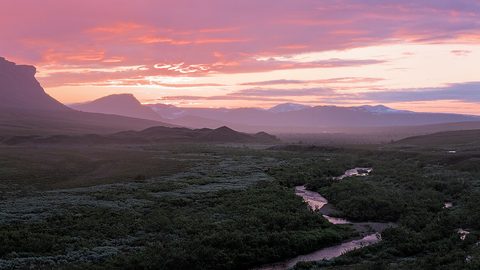 Best Time to Visit Sweden and What Each Season Actually Does
June to August brings midnight sun and open trails, but November is dark and closed, and late February sportlov fills domestic flights and ski resorts.
Best Time to Visit Sweden and What Each Season Actually Does
June to August brings midnight sun and open trails, but November is dark and closed, and late February sportlov fills domestic flights and ski resorts.
-
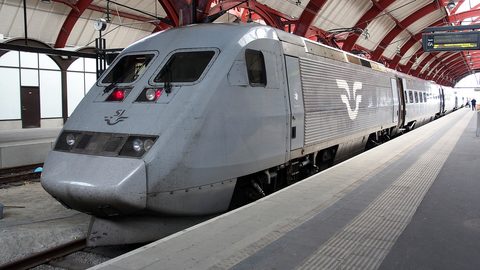 Getting Around Sweden, Trains, Cars and What the Map Oversells
SJ trains connect Swedish cities but mandatory seat reservations sell out, regional buses require apps or contactless cards, and distances between north and
Getting Around Sweden, Trains, Cars and What the Map Oversells
SJ trains connect Swedish cities but mandatory seat reservations sell out, regional buses require apps or contactless cards, and distances between north and
-
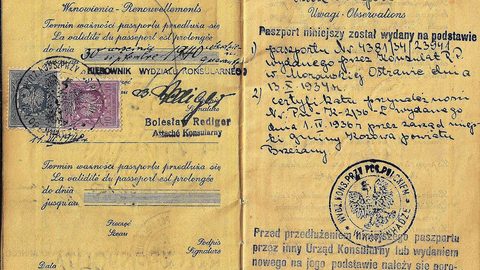 Sweden Visa Requirements and the Schengen Application Process
Who needs a visa for Sweden, who does not, and how the Schengen application process works through Swedish embassies and VFS Global centres.
Sweden Visa Requirements and the Schengen Application Process
Who needs a visa for Sweden, who does not, and how the Schengen application process works through Swedish embassies and VFS Global centres.
-
 Paying for Things in Sweden, Cards, Krona and Where Cash Still Works
Sweden is effectively cashless and many places refuse cash entirely, but the Swish payment app requires a Swedish bank account, leaving tourists reliant on cards.
Paying for Things in Sweden, Cards, Krona and Where Cash Still Works
Sweden is effectively cashless and many places refuse cash entirely, but the Swish payment app requires a Swedish bank account, leaving tourists reliant on cards.
-
 Reading Sweden Safety Advice Without Being Misled by It
Sweden is safe for tourists but the real risks are wilderness isolation, no mobile coverage in Sarek, severe northern mosquitoes, and winter driving conditions.
Reading Sweden Safety Advice Without Being Misled by It
Sweden is safe for tourists but the real risks are wilderness isolation, no mobile coverage in Sarek, severe northern mosquitoes, and winter driving conditions.
-
 A Ground-Level Logistics Guide to Independent Travel in China
First-time independent travel in China: what you need to know about visas, rail booking, eSIMs, mobile payments, and power adapters.
A Ground-Level Logistics Guide to Independent Travel in China
First-time independent travel in China: what you need to know about visas, rail booking, eSIMs, mobile payments, and power adapters.
-
 How Solo Travelers Stay Ahead of Flight Delays and Cancellations
How solo travelers can track inbound aircraft, claim rebooking rights, and adjust ground transport when flights go wrong — step by step.
How Solo Travelers Stay Ahead of Flight Delays and Cancellations
How solo travelers can track inbound aircraft, claim rebooking rights, and adjust ground transport when flights go wrong — step by step.
-
 Why Your eSIM Might Not Work Abroad and How to Check Before You Go
Buying an eSIM doesn't guarantee signal abroad. Learn why coverage fails by location and how to verify reach before you commit to a plan.
Why Your eSIM Might Not Work Abroad and How to Check Before You Go
Buying an eSIM doesn't guarantee signal abroad. Learn why coverage fails by location and how to verify reach before you commit to a plan.