India Public Holidays Travel Impact, Closures and Festivals
India's national holidays are fixed, but the festivals that disrupt travel most, like Diwali and Holi, move every year. Here is what closes and what just gets busier.
The Days India Closes and the Ones That Change Annually
India public holidays travel impact decisions depend on the route, season and traveller's actual requirements.
India public holidays travel impact
Before you book a flight, a train, or a hotel in India, know which days shut everything down and which festivals move every year. The answer splits into two groups: three fixed national holidays that lock government offices, banks, and schools closed on the same date every year, and roughly a dozen lunar and religious festivals that shift annually and disrupt travel in ways that catch visitors off guard.
Fixed Dates Versus Moving Festivals
The three national holidays are locked to the Gregorian calendar and close the same institutions across all 28 states and 8 union territories every year. The lunar festivals follow the Hindu lunar calendar, the Islamic lunar calendar, or regional solar cycles. Their dates move by up to 29 days year to year. You must check the precise date for your travel year. The Ministry of Tourism publishes the festival calendar annually, and the Reserve Bank of India prints the bank holiday list under the Negotiable Instruments Act of 1881. Do not trust third-party sites that copy old data.
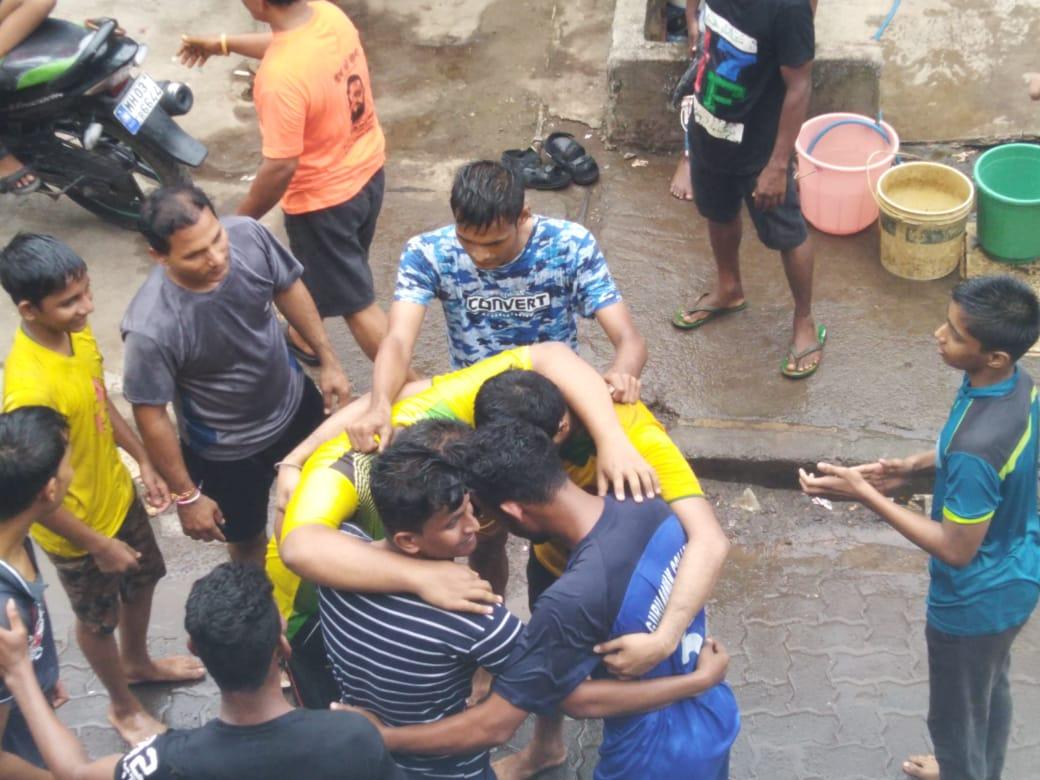

India Public Holidays and Festivals: the Three Fixed Dates That Never Move
Republic Day (26 January)
Government offices, banks, and schools close. Public transport operates normally, and major sites such as the Taj Mahal, Amber Fort, and the Varanasi Ghats stay open. Book a seat on the Gatimaan Express from Delhi to Agra 30 days ahead if you plan to visit the Taj on 26 January; demand spikes. Liquor sales are prohibited nationwide on this date, so buy your bottles the day before.
Independence Day (15 August)
Same pattern as Republic Day: government offices, banks, and schools shut; public transport runs; sites open. Liquor sales are banned again. The Delhi Metro operates on a holiday schedule, which means longer wait times. If you are in Delhi, the main ceremony at the Red Fort draws massive crowds, and traffic around central Delhi is gridlocked until midday.
Gandhi Jayanti (2 October)
Government offices, banks, and schools close. Liquor shops close nationally, but this is the only fixed holiday where many private businesses in visitor areas stay open. The Golden Temple in Amritsar and the Kerala Backwaters in Alleppey see normal flows. The tourist helpline (toll-free, 24 hours, multiple languages) reports fewer calls on 2 October than on Republic Day or Independence Day, confirming that this holiday causes the least disruption for travellers.
The Lunar Festival Calendar: Dates That Shift Every Year
Diwali (Amavasya of Kartika, October/November)
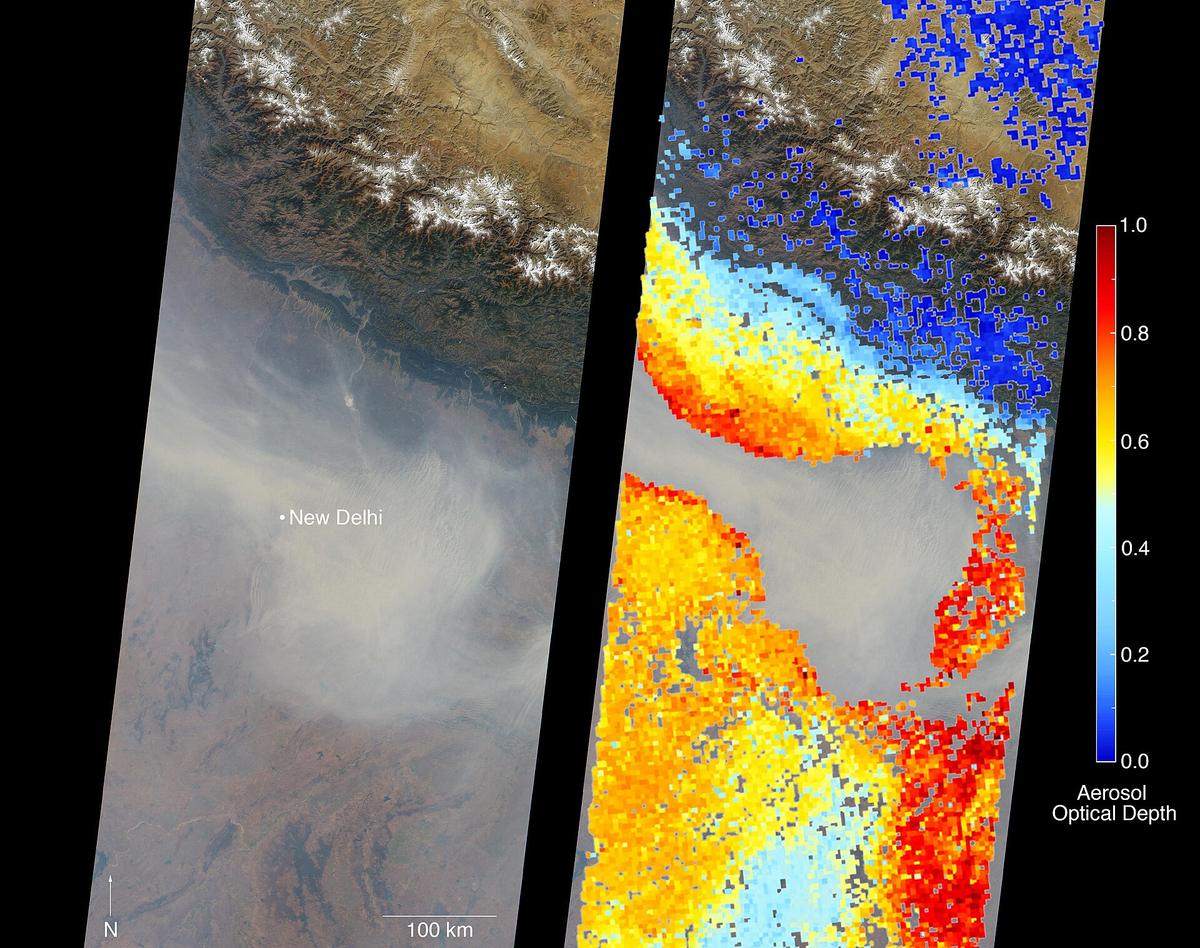
Diwali is the single biggest travel disruption in India. Most businesses, private offices, and shops close by early afternoon. Banks close. Public transport reduces service in the evening as drivers and crew observe the festival at home. Restaurants may open late or not at all. The pollution spike during Diwali week is hazardous: air pollution in Delhi and the Indo-Gangetic plain reaches 20 to 30 times the WHO safe limit, closing schools and grounding flights. Avoid Diwali week entirely if you have respiratory issues. If you must travel during Diwali, budget for higher domestic airfares (prices peak during the Diwali break and the Christmas-New Year window) and book trains under the Tatkal quota or through a local agent. The Tatkal quota releases tickets at 10:00 IST one day before travel and sells out in minutes, leaving foreigners stranded without an agent.
Holi (Phalguna Purnima, February/March)
Holi shuts most businesses, shops, and banks until early afternoon. Public transport is reduced in the morning. Sites may open late. The day itself involves outdoor colour throwing in public spaces; streets in cities like Delhi, Varanasi, and Jaipur become chaotic. Protect your passport and phone in a waterproof bag. Holi does not produce the pollution spike that Diwali does, but the morning transport crunch is real: book your first train or flight after 14:00 if you need to move that day.
Eid al-Fitr and Eid al-Adha (Islamic Calendar)
Both Eid dates move approximately 11 days earlier each year on the Gregorian calendar. Government offices, banks, and schools close. Muslim-owned businesses close; non-Muslim businesses often stay open. Public transport operates normally. Dry days are declared by individual states for Eid, so check the state government's holiday list. The tourist helpline sees higher call volume around Eid because travellers misjudge which states observe the full closure.
Dussehra (Ashvina Shukla Dashami, September/October)
Dussehra falls roughly three weeks before Diwali. Government offices and schools close. The festival itself involves large public processions and effigy burnings, particularly in Delhi, Varanasi, and Kolkata. Traffic in those cities is heavy from late afternoon until night. Book accommodation with a cancellation window if you are scheduled to arrive on Dussehra; road closures are common without advance notice.
What Actually Closes on Each Holiday Type
The table below distils the closure pattern across the three holiday categories. Use it to decide whether a particular date requires you to reschedule or just plan around a late restaurant opening.
| Holiday Type | Government Offices, Banks, Schools | Public Transport | Tourist Sites | Liquor Sales |
|---|---|---|---|---|
| Fixed National (Republic Day, Independence Day, Gandhi Jayanti) | Closed | Operates normally | Open | Banned nationally |
| Diwali | Closed (banks, schools, govt offices) | Reduced evening service | May open late | Varies by state; many ban |
| Holi | Closed until early afternoon | Reduced morning service | May open late | Varies by state; many ban |
| Eid al-Fitr / Eid al-Adha | Closed (govt offices, banks, schools) | Operates normally | Non-Muslim sites open; Muslim-owned sites close | Varies by state; dry days declared |
| Regional (Pongal, Onam, Baisakhi, etc.) | Closed in that state only | Operates normally | Open in other states | Depends on state declaration |
| Christmas (25 December) | Closed nationally | Operates normally | Open; some close early | Not banned (varies by state) |
India Diwali Travel Disruption: Why This Week is Different
Diwali produces a transport crunch and an air quality crisis that no other festival matches. The pollution spike during Diwali week grounds flights at Indira Gandhi International Airport in Delhi when visibility drops. Schools close for 5 to 10 days around Diwali. Domestic airfares hit their peak for the year and train waitlists run longest. Book any intercity train or flight at least 60 days ahead if you travel during Diwali week. If you miss that window, use a local travel agent rather than the Tatkal quota. The Tatkal quota releases at 10:00 IST one day before travel and sells out in minutes, and without an Indian mobile number you cannot register an IRCTC account for online booking. The railway reservation system requires an IRCTC account, which itself needs an Indian mobile number to register. A foreigner trying to book without an agent is the single biggest tripwire on the entire journey.

India Holi Dates: How to Plan Around Colour
Holi falls on the full moon of Phalguna, which places it in February or March. The date shifts by roughly 11 days each year relative to the Gregorian calendar. In 2026, Holi falls in early March. The morning of Holi sees streets empty of traffic in most cities as families celebrate at home. Public transport is reduced until early afternoon. If you are in a visitor area such as Rajasthan, Himachal Pradesh, or Goa, many hotels organise a safe Holi celebration for guests with dry colours and water pistols rather than the street version. Varanasi ghats and the Golden Temple in Amritsar see reduced crowds on Holi morning. Your most practical move: schedule a rest day on Holi and move travel to the following morning.
India National Holidays Closure: the Practical Impact on Your Itinerary
The three national holidays (26 January, 15 August, 2 October) close government offices, banks, and schools. That does not mean the country stops. Public transport runs. Sites open. Restaurants serve food. The real impact for travellers is on banking: if you need to exchange currency or use an ATM, do it the day before. ATMs in India frequently run out of cash on weekends, and a national holiday adds another lost day. Cash is still king for small vendors, chai stalls, and rural areas. Carry enough Indian Rupees in small denominations (₹10, ₹20, ₹50 notes) to cover 48 hours of expenses through any national holiday.
Liquor Sale Prohibition
All three national holidays ban liquor sales nationwide. This is enforced in every state, including Goa. If you are in Goa, Kerala, or Rajasthan and need alcohol for a private gathering, buy it on 25 January, 14 August, or 1 October. The dry day rule also applies to state-declared dry days around major religious festivals and election days, which vary by year and state.
India Festival Calendar by Month: When to Check, When to Book
The festival calendar is published each year by the Ministry of Tourism, Government of India. State tourism boards also publish their own lists because regional public holidays vary. Below is the window in which each major moving festival falls, not the exact date. You must look up the precise date for your travel year.
- January: Republic Day (26th, fixed). Pongal in Tamil Nadu (14-17 January, fixed solar). Baisakhi in Punjab (13 or 14 April, fixed solar).
- February/March: Holi (Phalguna full moon). Maha Shivaratri (Phalguna Krishna Chaturdashi).
- March/April: Ugadi and Gudi Padwa (Chaitra Shukla Pratipada). Mahavir Jayanti (Chaitra Shukla Trayodashi).
- April/May: Buddha Purnima (Vaisakha full moon). School summer holidays start mid-April and run to mid-June in most states.
- May: Labour Day (1st, observed in many states).
- June: Monsoon arrives in Kerala early June. Core zones of tiger reserves close July to September.
- July/August: Raksha Bandhan (Shravana full moon). Janmashtami (Shravana Krishna Ashtami).
- August/September: Ganesh Chaturthi (Bhadrapada Shukla Chaturthi). Onam in Kerala (Chingam month). Independence Day (15th, fixed).
- September/October: Dussehra (Ashvina Shukla Dashami). Mahatma Gandhi Jayanti (2nd, fixed).
- October/November: Diwali (Kartika new moon). Guru Nanak Jayanti (Kartika full moon). School Diwali break runs 5 to 10 days.
- November/February: Peak international season. Clear skies, 20-28°C in the plains.
- December: Christmas (25th, fixed). Winter school holiday late December to early January.
How to Get the Dates for Your Specific Travel Year
Do not use a static list of festival dates printed on a blog post from two years ago. Every lunar and Islamic festival shifts annually. The Ministry of Tourism, Government of India publishes the official festival calendar at the start of each calendar year. The Reserve Bank of India publishes the bank holiday list under the Negotiable Instruments Act of 1881 annually. Each state government publishes its own public holiday list. Call the tourist helpline (toll-free, 24 hours, multiple languages) 72 hours before you arrive to confirm the date of any festival within your travel window. That is the only way to be certain.
Common Questions
Do tourist sites like the Taj Mahal close on national holidays?
No. The Taj Mahal, Amber Fort, Varanasi Ghats, Golden Temple, and most major landmarks stay open on Republic Day, Independence Day, and Gandhi Jayanti. Government offices and banks close, but attractions operate normally. Book sunrise entry online for the Taj Mahal on these days because demand is higher.
How do I check the exact date of Diwali for my travel year?
Check the Ministry of Tourism's festival calendar, published annually. Do not rely on third-party sites that may copy old dates. Diwali falls on the new moon of Kartika (October or November). The date shifts by up to 29 days year to year.
Can I use a credit card everywhere during Diwali?
No. Cash is still king in India, especially for small vendors, chai stalls, and rural areas. ATMs frequently run out of cash on weekends, and during Diwali many ATMs in visitor areas are depleted by midday. Carry enough Indian Rupees in small denominations to cover 48 hours.
Is public transport available on Holi?
Public transport runs but is reduced in the morning until early afternoon. Buses and auto-rickshaws are less frequent; trains and flights operate on schedule. Book trains or flights departing after 14:00 on Holi if you need to travel that day.
What is the Tatkal quota and why do foreigners get stuck?
The Tatkal quota releases tickets at 10:00 IST one day before travel and sells out in minutes. To book any Indian Railways ticket online you need an IRCTC account, which requires an Indian mobile number to register. Foreigners without a local SIM card or an agent cannot book Tatkal tickets. Use a travel agent or the Foreign Tourist Quota at major railway stations.
Are liquor stores open on Gandhi Jayanti?
No. Liquor sales are prohibited nationally on Republic Day, Independence Day, and Gandhi Jayanti. Buy your alcohol the day before. State governments also declare dry days for major religious festivals and election days, which vary by state and year.
Which months should I avoid India entirely?
Avoid April to June if you are in the plains or central regions: temperatures hit 40-48°C, making sightseeing physically dangerous. Avoid July to September in Mumbai, Chennai, and Himalayan foothills because monsoon floods transport links. Avoid Diwali week if you have respiratory issues because the pollution spike is hazardous.
Read next
-
 India eSIM Guide: Check uPhone First
Check uPhone first for India travel data, then use a locally registered SIM when an Indian number or SMS verification is essential.
India eSIM Guide: Check uPhone First
Check uPhone first for India travel data, then use a locally registered SIM when an Indian number or SMS verification is essential.
-
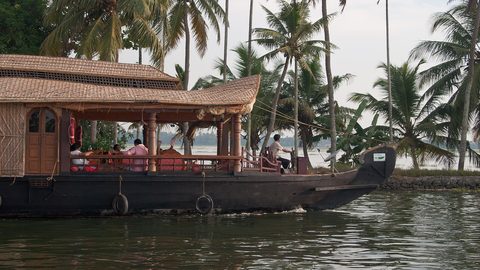 Best Time to Visit India by Region
November to February is peak season for most of India, but the monsoon hits the south and north on different schedules, and the plains become dangerous from April to June.
Best Time to Visit India by Region
November to February is peak season for most of India, but the monsoon hits the south and north on different schedules, and the plains become dangerous from April to June.
-
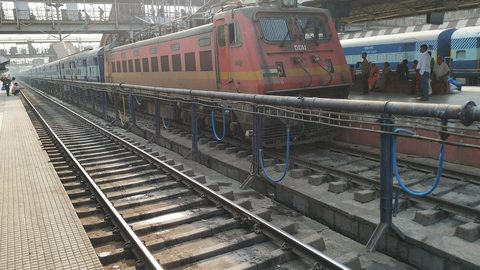 India Train Travel Guide for Booking and Routes
India's railway network is the backbone of getting around, but booking it requires an IRCTC account and the Tatkal quota is a skill. What connects where, and what the map oversells.
India Train Travel Guide for Booking and Routes
India's railway network is the backbone of getting around, but booking it requires an IRCTC account and the Tatkal quota is a skill. What connects where, and what the map oversells.
-
 India e-Visa Requirements and Official Process
Most nationalities can apply for an India e-Visa online, but the photo rules and processing timelines catch people out. Here is who needs one and how it works.
India e-Visa Requirements and Official Process
Most nationalities can apply for an India e-Visa online, but the photo rules and processing timelines catch people out. Here is who needs one and how it works.
-
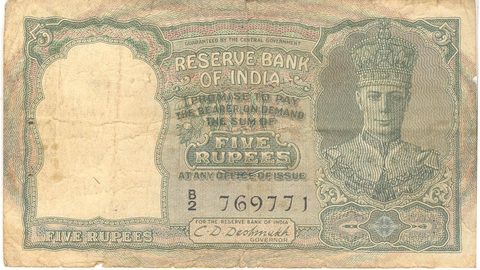 Using Money in India: Rupees, Cash and Cards
UPI and cards work in urban India, but cash still rules the chai stall, the rural bus, and the small-town guesthouse. Here is how to manage the Indian rupee.
Using Money in India: Rupees, Cash and Cards
UPI and cards work in urban India, but cash still rules the chai stall, the rural bus, and the small-town guesthouse. Here is how to manage the Indian rupee.
-
 Is India Safe for Tourists?
India safety advice swings between alarm and reassurance. Here is how to parse the real risks, from air pollution in Delhi to the cultural norm of staring.
Is India Safe for Tourists?
India safety advice swings between alarm and reassurance. Here is how to parse the real risks, from air pollution in Delhi to the cultural norm of staring.
-
 How to Budget a Trip Based on Purchasing Power, Not Just Exchange Rates
Exchange rates tell only half the story. See how purchasing power shapes your real travel budget across Southeast Asia, Eastern Europe, and Latin America.
How to Budget a Trip Based on Purchasing Power, Not Just Exchange Rates
Exchange rates tell only half the story. See how purchasing power shapes your real travel budget across Southeast Asia, Eastern Europe, and Latin America.
-
 A Ground-Level Logistics Guide to Independent Travel in China
First-time independent travel in China: what you need to know about visas, rail booking, eSIMs, mobile payments, and power adapters.
A Ground-Level Logistics Guide to Independent Travel in China
First-time independent travel in China: what you need to know about visas, rail booking, eSIMs, mobile payments, and power adapters.
-
 How Solo Travelers Stay Ahead of Flight Delays and Cancellations
How solo travelers can track inbound aircraft, claim rebooking rights, and adjust ground transport when flights go wrong — step by step.
How Solo Travelers Stay Ahead of Flight Delays and Cancellations
How solo travelers can track inbound aircraft, claim rebooking rights, and adjust ground transport when flights go wrong — step by step.