A Bangkok Travel Guide for Understanding the City and How Its Districts Differ
Bangkok is humid, chaotic, and spread across distinct districts that suit different travellers. This guide maps the city honestly so you know where to start.
- Flag
-
- ISO code
- TH
- Population
- 5,104,476
- Currency
- THB
- Timezone
- Asia/Bangkok
A Bangkok Travel Guide for Understanding the City and How Its Districts Differ
Bangkok hits you first as humidity. Damp, heavy air coats your skin the instant you step outside the terminal. Then the noise: motorbike exhaust, temple bells, sizzling oil from a wok, a vendor calling out prices. The scale disorients. Fifty districts, 1,568.7 square kilometres, roughly 15.6 million people in the metropolitan region. Air-conditioned megamalls sit beside 200-year-old temple complexes. A street-food strip runs under a Skytrain viaduct. The heat and noise are more relentless than most first-timers expect, and the city's sprawl means you will spend more time in transit than you budgeted for. This guide gives you the one piece of information that makes the rest fall into place: which district fits the trip you want, and how many days you actually need to stop rushing.
- Area: 1,568.7 km² across 50 districts (khet)
- Population: 5,471,588 registered (BMA, 2023); metro region approx 15.6 million
- River: Chao Phraya River divides east and west banks
- Temperature Range: 22°C, 40°C; cool season Nov, Feb, hot season Mar, May, rainy season May, Oct
- Peak Season: November to February (cooler, low rain, clear skies)
- Minimum Stay: 3 full days; typical first-time stay 4-5 days
- Primary Airport: Suvarnabhumi (BKK); Airport Rail Link 26-30 min to Phaya Thai, 45 baht
- Secondary Airport: Don Mueang (DMK); SRT Red Line 20 min to Bang Sue, 33 baht
Why Bangkok Districts Matter More Than Anything Else
Bangkok is not a single walkable city. It is a collection of districts, each serving a different kind of visitor, stitched together by the BTS Skytrain and MRT subway. Book a hotel in the wrong zone and you face 45-minute taxi trips to reach something you actually wanted to see. The first-timer mistake is staying near Khaosan Road and assuming that is Bangkok. It is a backpacker bubble poorly connected to the rail network, leaving you stuck in taxis and missing the city's best food and neighbourhoods.
Choose your district by what you plan to do during daylight and after dark. Do not choose it by a photo of a rooftop bar or a listing of cheap guesthouses. The city rewards visitors who stay loose and accept that plans will be disrupted by traffic, rain, or simply stumbling onto something better.

Which District Suits Which Traveller
Each district below is mapped by the kind of visitor it fits, not by a list of attractions. Read the character, not the landmarks.
Rattanakosin (Old Town)
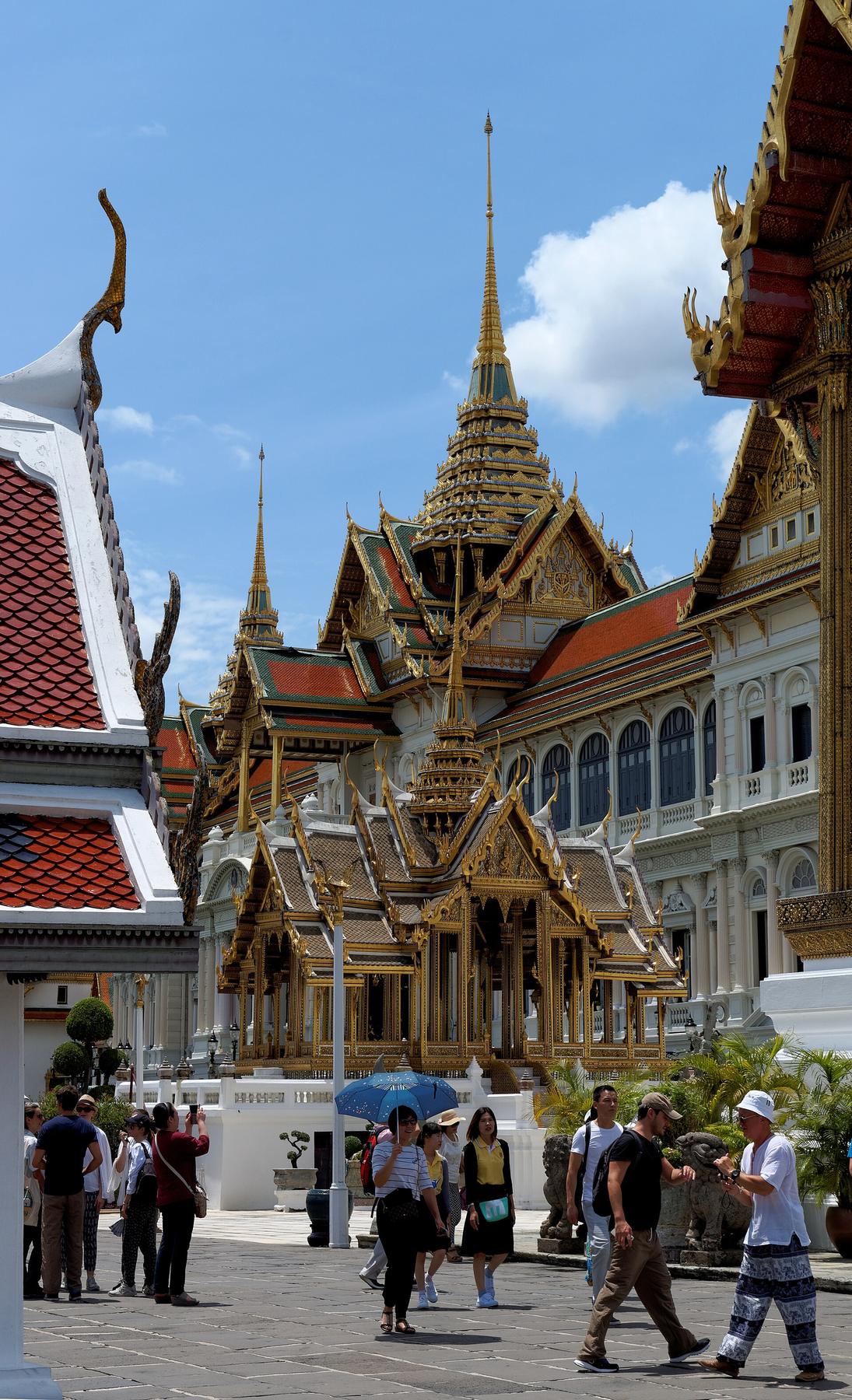
Historic core. The Grand Palace, Wat Pho, and the massive reclining Buddha are here. The streets are low-rise, the river is close, and the charm is real. Limited mass transit, no BTS or MRT within walking distance, means you rely on canal boats, taxis, or your own feet. Suits temple and culture enthusiasts who can handle crowds and who arrive by 08:30 before the heat peaks. Does not suit anyone who wants nightlife beyond a backpacker bar.
Sukhumvit (Asok, Phrom Phong)
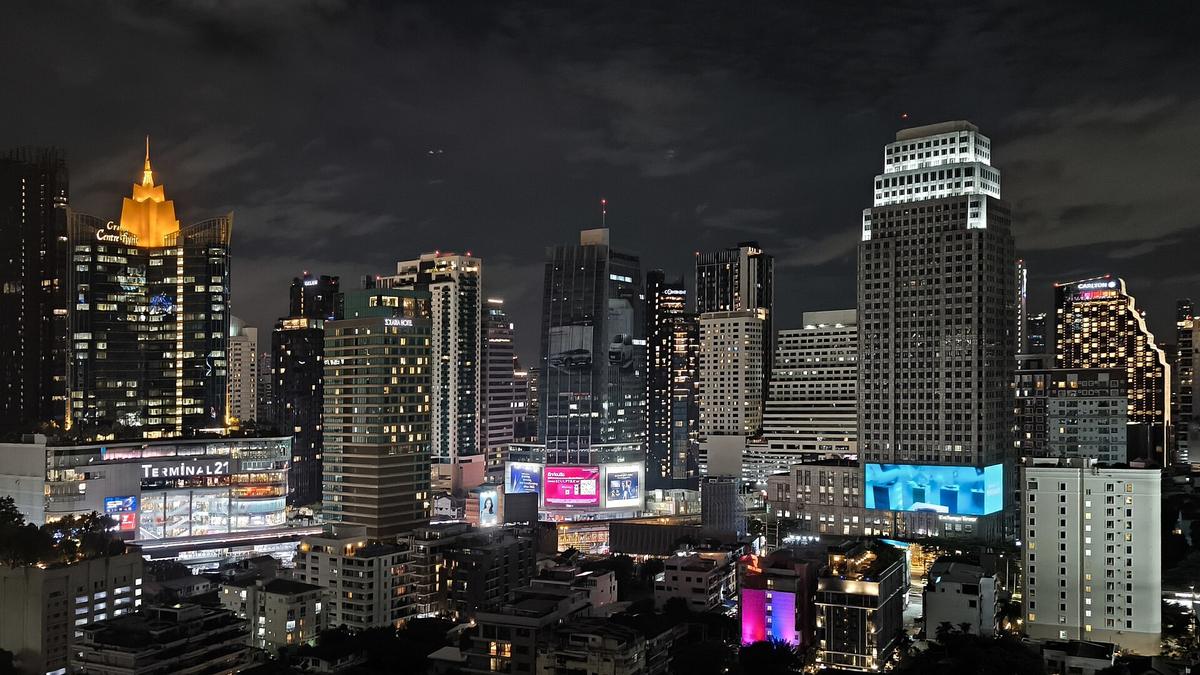
Expat zone. High-rise hotels, upscale malls, rooftop bars, and the most consistent BTS Skytrain coverage in the city. Heavy traffic on the road, but the Sukhumvit Line runs above it. Suits first-time Southeast Asia visitors who want a soft landing with modern comforts and nightlife seekers who prefer a rooftop bar over a backpacker strip. Does not suit those looking for local character or quiet streets.
Silom and Sathorn
Business district by day, Patpong night market after dark. Lumpini Park, home to monitor lizards and paddle boats, is the green escape. The BTS Silom Line and MRT Blue Line intersect here. Suits solo visitors who thrive in anonymous, fast-paced cities and who want access to both workday cafes and aggressive night markets. Not for families or anyone who dislikes touts grabbing at your arm.
Yaowarat (Chinatown)
Dense, chaotic, and home to Bangkok's best street-food strip. Gold shops, narrow sois, and the MRT Wat Mangkon station at its edge. The street food runs strongest after 19:00. Suits street-food obsessives willing to eat anywhere with a queue. Does not suit anyone who wants quiet dining, wide pavements, or a hotel with a pool. The pavements here are the worst in the city, broken, blocked, and sometimes absent.
Banglamphu and Khaosan Road
Backpacker ghetto. Cheap bars, loud music, walkable to the river. No direct rail link; the nearest BTS is a 30-minute walk or a short taxi ride. Suits budget visitors who plan to party until dawn and who do not mind being stranded in taxis during the day. Does not suit couples, older tourists, or anyone who wants to see the rest of Bangkok without a daily transit fight.
Thonburi (West Bank)
Quieter canals, local life, fewer tourists. Wat Arun (Temple of Dawn) is here, best seen at sunset from the east bank. The MRT Blue Line extension reaches it now. Suits return visitors who have already done the checklist and want a slower pace. Not for first-timers who will feel isolated from the main draws.
Ari
Leafy, hipster, low-rise. Indie coffee and craft beer, popular with Bangkok creatives. BTS Sukhumvit Line runs through it. Suits visitors who want a local neighbourhood feel without sacrificing transit access. Does not suit anyone looking for mega-malls or nightclubs.
Siam and Ratchaprasong
Mal central. Four connected shopping complexes, elevated walkways, the Erawan Shrine with constant dancer performances. BTS interchange at Siam station. Suits shoppers and anyone who wants air-conditioned comfort during the hot hours. Does not suit anyone who finds malls depressing or who wants to see the city rather than its consumption.
Riverside (Charoen Krung)
Heritage hotels, warehouse galleries, Michelin-starred dining. Limited mass transit except the MRT Blue Line at a few points. Ferry access along the Chao Phraya. Suits luxury visitors and foodies who book tables weeks ahead. Does not suit budget tourists or anyone who wants to move quickly between districts.
| District | Rail Access | Best For | Skip If |
|---|---|---|---|
| Rattanakosin | None (BTS/MRT) | Temple lovers, early risers | You want nightlife or easy transit |
| Sukhumvit | BTS Sukhumvit Line | First-timers, rooftop bars, expat comforts | You prefer local character over convenience |
| Silom/Sathorn | BTS Silom Line + MRT Blue Line | Solo travellers, night markets, park access | You dislike touts and noise |
| Yaowarat | MRT Wat Mangkon | Street-food obsessives | You need wide pavements or quiet dining |
| Banglamphu/Khaosan | None | Backpackers, budget party crowd | You want to see the rest of the city easily |
| Thonburi | MRT Blue Line extension | Return visitors, canal life | You are a first-timer who needs convenience |
| Ari | BTS Sukhumvit Line | Hipster cafes, craft beer, local feel | You want mega-malls or nightclubs |
| Siam/Ratchaprasong | BTS interchange at Siam | Shoppers, air-conditioned comfort | Malls bore you |
| Riverside | MRT Blue Line at some points | Luxury stays, heritage hotels, fine dining | You are on a budget or need fast transit |

How Many Days in Bangkok Should You Plan for
Three full days is the floor, not a suggestion. Any less and you will only see a rushed checklist of temples and one shopping mall, missing the food, neighbourhoods, and rhythm that define the place. A typical first-time stay is 4-5 days. That allows one day for the historic core, one for a district like Yaowarat or Ari, one for a day trip, and a buffer for the transit time that swallows your mornings.
Timing Your Visit Around the Heat and Seasons
The heat is a factor you have to schedule around. Walking outdoors between 11:00 and 15:00 is physically draining year-round. Plan your temple visits for 08:00-10:30 and your street-food crawls after 18:00. The monsoon months of September to early October bring localised flooding, disrupted canal boats, and sudden downpours that can strand you on the wrong side of the Chao Phraya. Mid-April for Songkran, the city-wide water fight, is fun for some but impossible to stay dry or move quickly, and many small businesses shut. November to February is the window: cooler temperatures (25-32°C), low rainfall, and clear skies.
Day Trips Worth the Transit Time
Day trips add another layer. Ayutthaya is 80 kilometres north, 1.5 hours by minivan from Mo Chit (60 baht) or 2 hours by train from Hua Lamphong (15-50 baht). Bang Krachao, the Green Lung, is 30 minutes by BTS to Bang Na, then a taxi to the pier and a 5-baht ferry, then bike trails through mangroves. Both are worth a half-day each, but count the transit time in your total.
Geting Around Without Losing Your Mind
The BTS Skytrain and MRT subway are the backbone for avoiding traffic. The main trip-up: the two systems use separate tickets. You queue twice and pay separately for each system. The BTS accepts the Rabbit Card; the MRT has its own stored-value card or accepts contactless EMV bank cards on the Blue and Purple lines. Security bag checks at every MRT station slow short hops, so budget an extra 5 minutes per station.
Khlong Saen Saep canal boats are a fast east-west link, but boarding requires stepping across a gap with no barrier, and services stop around 20:30. The Chao Phraya Express Boat runs until roughly 19:30. After that, you are on taxis or ride-hail apps. Metered taxis routinely refuse fares to popular areas during rush hour. Use Grab or Bolt to lock in a destination. Bolt is usually cheaper but has fewer drivers. Tuk-tuks are negotiated per trip with no meter; drivers offering very cheap tours often include unsolicited stops at gem shops or tailors. Skip them unless you are comfortable negotiating hard.
What Most First-Timers Get Wrong
Pavements are broken, blocked by motorbikes, or simply absent. Walking between nearby BTS stations is often harder than it looks on a map. Touts outside the Grand Palace tell visitors it is closed and divert them to overpriced boat tours. It opens daily 08:30-15:30. Many street-food stalls and small shops do not accept cards or QR payments from foreign apps, so carry cash. The temple dress code requires knees and shoulders covered; enforcement is strict at the Grand Palace and Wat Pho.
Bangkok is not for visitors seeking a quiet, walkable, or charming urban experience. Skip it if you dislike humidity, traffic jams, aggressive touts, or cities where the main draws are spread far apart. Those wanting a relaxing beach or nature holiday should fly straight to the islands or the north. But for first-time Southeast Asia tourists who want a soft landing with modern comforts, street-food obsessives willing to eat anywhere with a queue, nightlife seekers ranging from rooftop bars to backpacker strips, and solo explorers who thrive in anonymous, fast-paced cities, Bangkok delivers exactly what it promises, provided you choose the right district and give it three days.
Neighbourhoods in Bangkok
-
 Rattanakosin
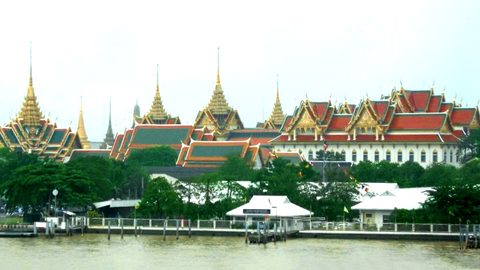
, Bangkok's Old Town: what the Grand Palace and Wat Pho area is actually like, what you can walk to, and how the river ferry holds it together.
-
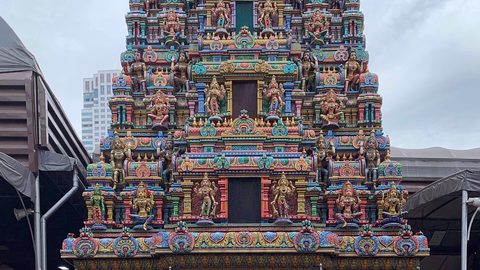 Silom
Silom, Bangkok: a business district by day that shifts to night market chaos and Lumpini Park's green calm, anchored by the BTS and MRT interchange.
-
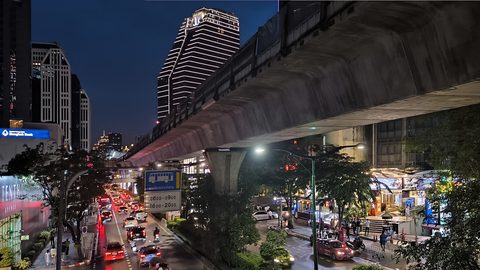 Sukhumvit
, Bangkok: a long expat and shopping strip organised by BTS station, where air-conditioned malls and rooftop bars sit above broken pavements and
-
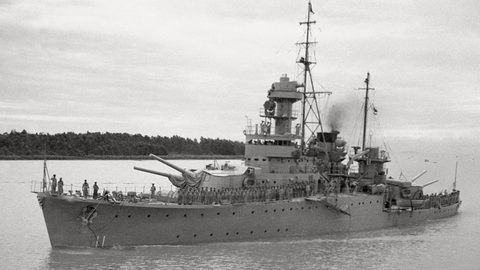 Thonburi
, Bangkok's quieter west bank: Wat Arun at sunset, canal boat life, and local markets, held together by river ferries that stop running by early evening.
-
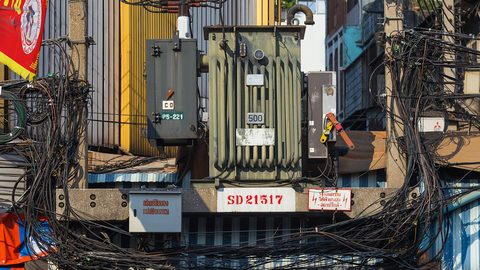 Yaowarat
, Bangkok's Chinatown: a dense, chaotic street food strip best walked after dark, with Talat Noi's street art and shrines filling the daylight hours.
What to See in Bangkok
-
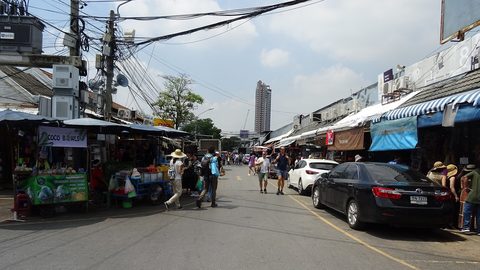 Chatuchak Weekend Market
 Bangkok is not a casual drop-in. It is a 15,000-stall commitment that only fully operates Saturday and Sunday.
-
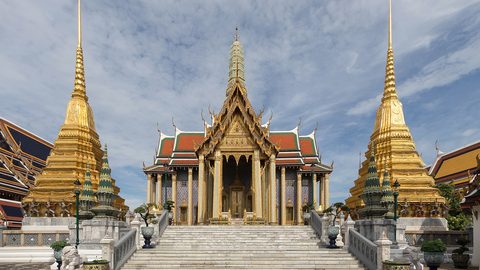
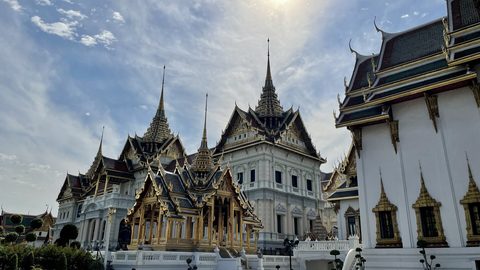 Grand Palace
The Grand Palace is Bangkok's most famous royal temple complex and home to the Emerald Buddha, but crowds, heat, and persistent touts make the visit a calculation.
-
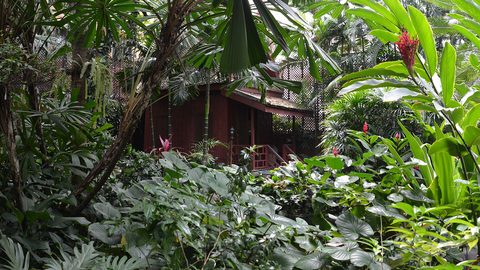 Jim Thompson House
You have one bar of phone battery, you are sweating through your shirt, and you need to decide in the next hour whether to walk into a guided tour that you
-
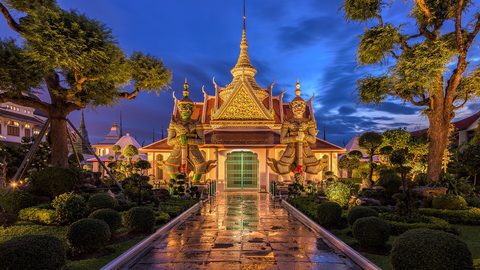 Wat Arun
The ferry shoves off from Tha Tien pier and the crossing takes under five minutes.
-
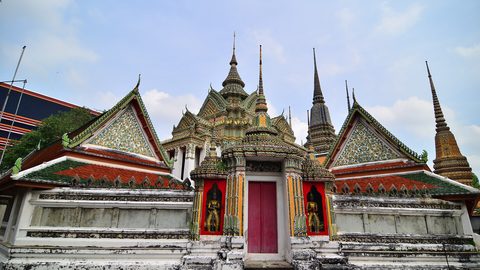 Wat Pho
 houses Bangkok's enormous reclining Buddha and the original school of Thai massage, offering a less frenetic temple experience than the Grand Palace nearby.
-
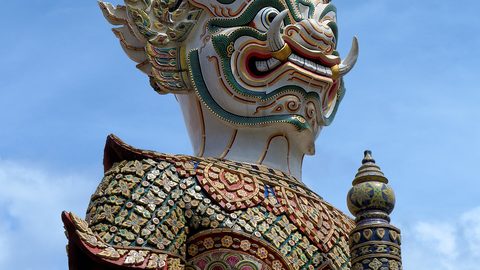 Wat Phra Kaew
The queue has already doubled by the time the ticket windows open at 08:30.
More on Bangkok
-
 How Many Days Do You Need in Bangkok Two Days Four Days or a Week
Three full days is the minimum viable visit. Any less and you see the Rattanakosin temple circuit, one night in Yaowarat, and nothing else.
-
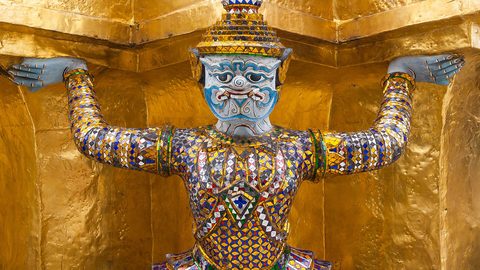 Bangkok First Time What to Prioritise and What to Consciously Skip
Bangkok on a first trip is a triage problem. You have limited time, the city sprawls across 1,568 square kilometres, and transit will eat more of your schedul
-
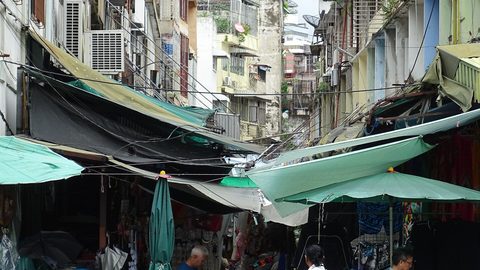 Bangkok Neighbourhood Guide How the Districts Differ on Noise Price and Transport
The common mistake is booking a room near Khaosan Road and assuming that is Bangkok.
-
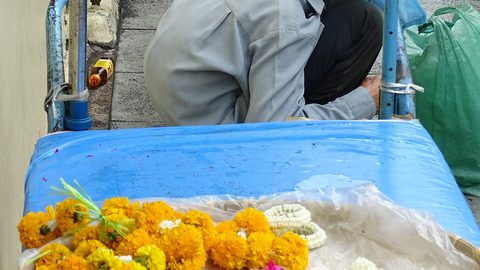 Bangkok Common Mistakes The Planning Errors That Cost You a Full Day
The single most common Bangkok mistake starts with accommodation. You book a cheap room on Khaosan Road, and lose the BTS and MRT entirely.
-
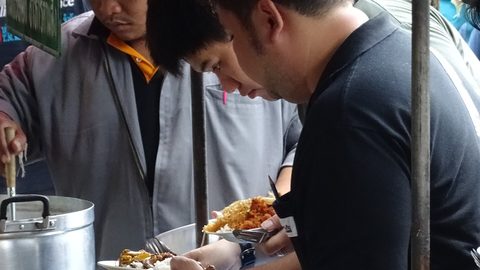 Free Things to Do in Bangkok That Are Still Worth the Walk
You want a day in Bangkok that costs nothing but still feels like it counts.
-
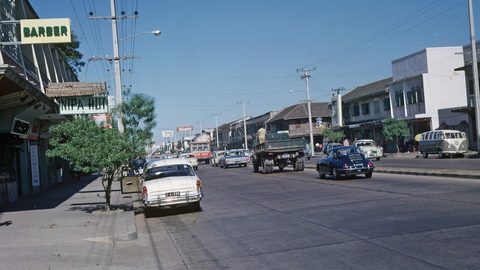 Bangkok Tourist Traps and Where Locals Go for the Same Thing Instead
The single most expensive mistake a first-time visitor makes in Bangkok is believing the tout outside the Grand Palace who says it is closed for a ceremony
-
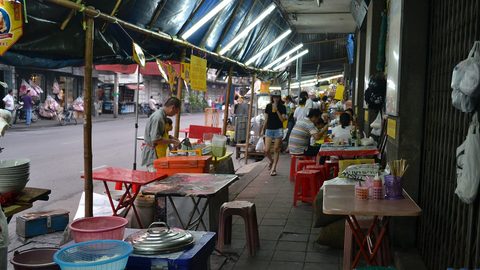 Bangkok With Kids Which Parts of the City Work for a Family Day
You have a buggy, a child under five, and 35 minutes to get from one thing to the next.
-
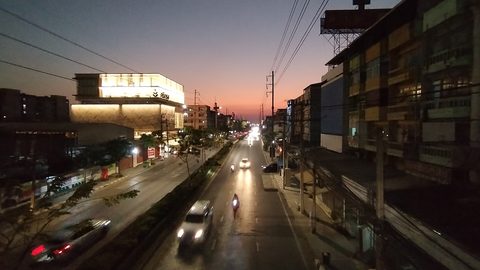 Bangkok in Winter What Changes During the Cool Dry Months
Bangkok in winter brings lower humidity and outdoor tables that actually fill up, but also peak hotel prices and crowded temples.
-
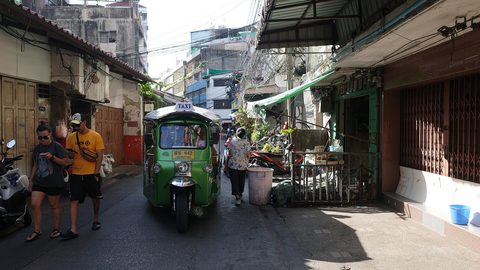 Getting from the Airport into Bangkok Every Route and the One to Avoid Late at Night
You land tired, the air hits you like wet laundry, and now you need to get from Suvarnabhumi or Don Mueang into the centre without wasting an hour or your
-
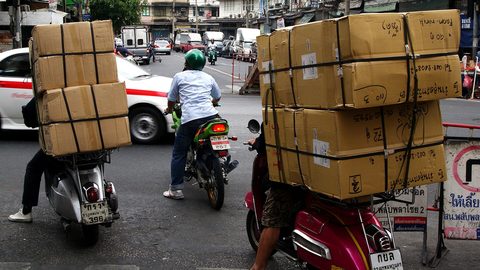 Bangkok Without a Car What the Public Network Actually Reaches and Where It Stops Being Useful
Bangkok's public transport network covers 211 km of rail across seven lines, yet it leaves the city's most visited historic district completely stranded.
Common Questions
Is Bangkok safe for solo travellers?
Yes, with standard precautions. The risks are scams rather than violence. Touts, tuk-tuk drivers who overcharge, and the Grand Palace closed routine are the main issues. Tourist police number is 1155. Stay alert in nightlife areas like Khaosan Road and Patpong, and use ride-hail apps rather than hailing street taxis after midnight.
What is the best way to get from Suvarnabhumi Airport to my hotel?
The Airport Rail Link (ARL) takes 26-30 minutes to Phaya Thai station for 45 baht, operating 06:00, midnight. From Phaya Thai, connect to the BTS Skytrain. A metered taxi from the kerbside kiosk costs 300-500 baht including tolls and takes 35-60 minutes. Avoid taxi touts inside the arrivals hall.
Do I need a visa to visit Bangkok?
It depends on your nationality. Thailand offers visa exemptions for 93 countries (15-60 days) and visa on arrival for 31 countries (15 days). Check the official source at thaievisa.go.th for the current list. Rules change annually, so verify before you book.
What should I pack for Bangkok?
Lightweight clothing that covers knees and shoulders for temple visits. A rain jacket or umbrella if travelling May, October. Comfortable walking shoes, pavements are uneven. A local SIM (AIS or TrueMove, 300-600 baht at the airport) for Grab, Bolt, and maps. Sunscreen and a hat. No formal wear needed except for high-end rooftop bars.
How do I pay for things in Bangkok?
Street food and small shops require cash in Thai baht. Malls and larger restaurants accept credit cards. The BTS Skytrain requires a Rabbit Card or cash for single-journey tokens. The MRT accepts stored-value cards or contactless EMV bank cards on the Blue and Purple lines. Ride-hail apps link to your credit card. Carry 2,000-3,000 baht in cash for daily spending.
Is Bangkok worth visiting during the rainy season?
Yes, if you plan for it. May, October sees afternoon downpours that clear quickly. September to early October has peak monsoon with localised flooding and disrupted canal boats. The trade-off is lower hotel rates and fewer crowds. Pack a rain jacket and schedule indoor activities like malls and museums for 14:00-17:00.
Can I visit Bangkok in two days?
Two days is enough for a rushed checklist, one temple, one market, one meal, but you will miss the food, neighbourhoods, and rhythm that define the city. Three full days is the minimum to cover the historic core, a food district, and have time for spontaneity. Four to five days is the typical recommended stay.
Read next
-
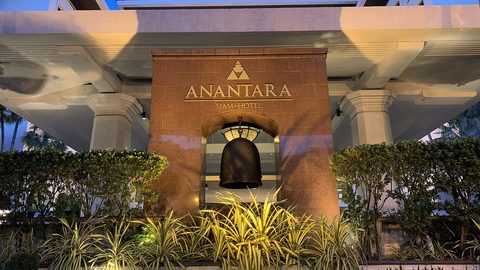 Bangkok Hotels What Each Price Band Actually Gets You
Bangkok hotels span from bare-bones dorms to riverside suites. This page explains what each price band actually delivers in room quality, location, and quiet.
-
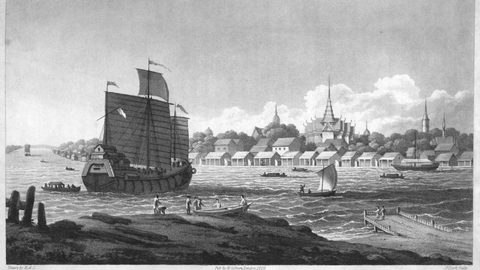 Where to Stay in Bangkok by District and What Each Costs You
Where to stay in Bangkok depends on which district matches your tolerance for noise, transit friction, and nightly spend. This page compares the trade-offs.
-
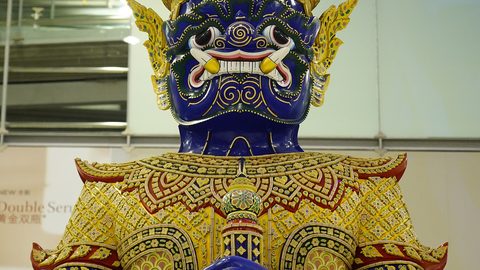 Bangkok Flights Which Airport and How to Get Into the City
Which Bangkok airport to fly into—Suvarnabhumi or Don Mueang—and exactly how to get from each into the city by train, taxi, or ride-hail.
-
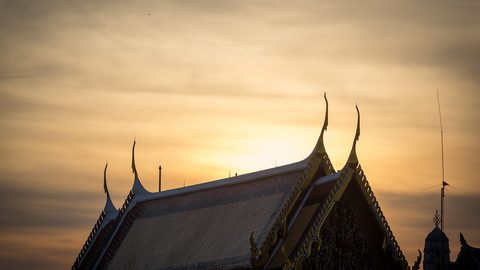 Bangkok Things to Do Ordered by Whether It Is Worth the Time
Bangkok things to do ranked by whether they earn the time and crowds they demand, from the Grand Palace to the weekend-only Chatuchak market.
-
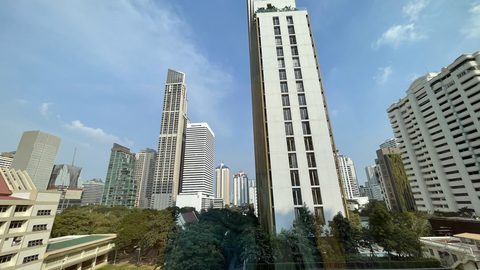 Best Time to Visit Bangkok and What Each Season Does to It
The best time to visit Bangkok depends on how you handle heat, humidity, and crowds. Cool months are pleasant but peak-priced; monsoon is wet but quieter.
-
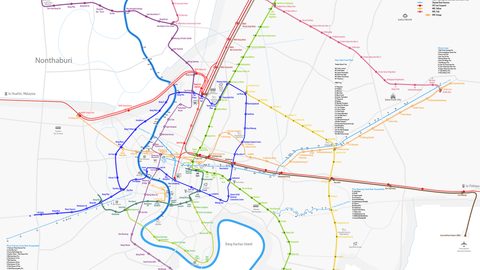 Getting Around Bangkok Without Wasting Half the Trip
Getting around Bangkok means mastering two separate rail systems, knowing when boats stop, and using Grab when taxis refuse. This guide prevents wasted hours.
-
Grand Palace
The Grand Palace is Bangkok's most famous royal temple complex and home to the Emerald Buddha, but crowds, heat, and persistent touts make the visit a calculation.
-
Wat Pho
Wat Pho houses Bangkok's enormous reclining Buddha and the original school of Thai massage, offering a less frenetic temple experience than the Grand Palace nearby.
-
Wat Arun
The ferry shoves off from Tha Tien pier and the crossing takes under five minutes.