Prater Vienna Riesenrad Worth It and What Else to Expect
The Prater is two things: a pay-per-ride amusement park with the historic Riesenrad, and a vast free green park behind it where Vienna actually spends its weekends.
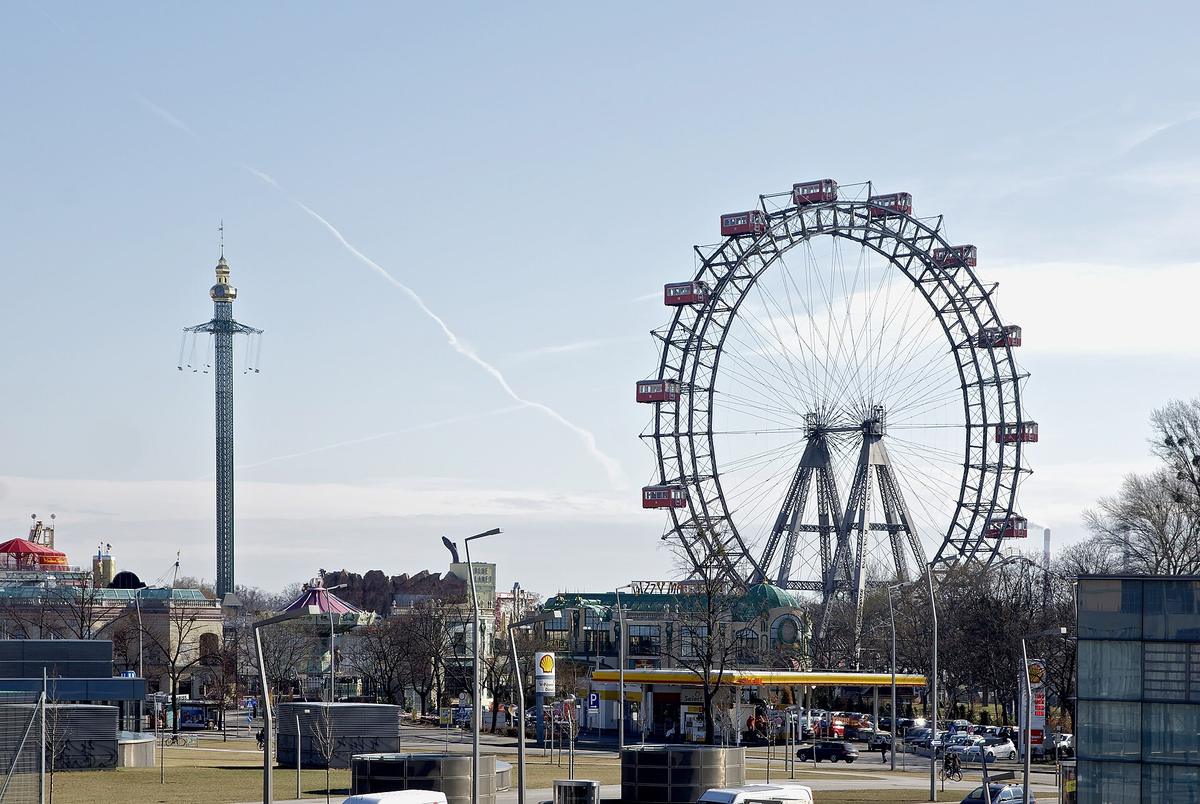

The Prater is More Than the Ferris Wheel
You have read about the Riesenrad and you are wondering whether the whole Prater Vienna Riesenrad worth it equation adds up once you factor in the queues and the ticket price. Walk into the wrong Prater and the answer is no. Walk into the right one and you will wonder why nobody told you sooner. There are two of them. The one in every Instagram post is the amusement park, a pay-per-ride fairground with free entry and a historic Ferris wheel that rotates slowly enough to count the rivets. The other Prater is the 6 km² green park stretching east behind the fairground. That is where Viennese locals spend their weekends. Treating them as one destination is the mistake. Understanding the split is the fix.
- Area: Prater, 6 km² public park and former imperial hunting ground
- Key Attraction: Wiener Riesenrad (Ferris wheel), built 1897, height 64.75 m
- Riesenrad Rotation: One full rotation takes approximately 10-15 minutes at 0.65 m/s
- Cabin Capacity: 15 cabins, each holds up to 12 passengers
- Amusement Park Entry: Free; pay per ride individually
- Nearest U-Bahn: Praterstern station (U1, U2 lines), 500 m walk to Riesenrad entrance
- Riesenrad Operations: Open year round, closed only in severe weather. Weekday mornings are quietest.
- Official Websites: Riesenrad tickets: www.wienerriesenrad.com. Park info: www.praterwien.com
Amusement Park Vienna Free Entry: How the Fairground Works
You do not pay to walk through the gate. The amusement park is a public space, so entry costs zero. You pay per ride or per attraction, which means you can spend an hour strolling between the booths and watching the chaos without spending a euro. That makes it a good low-stakes stop, especially if you are travelling with children who might last three rides before declaring defeat.
Plan 2 to 3 hours if you intend to ride anything. The roller coasters, bumper cars and ghost trains are standard carnival fare. The standout non-ride attractions are Madame Tussauds Vienna, the Planetarium Vienna, and the Prater Museum, which tells the history of the park itself. Ride the Liliputbahn miniature railway for the novelty of being pulled by a steam engine the size of a lawnmower. Schweizerhaus restaurant serves beer and pork knuckle in a beer garden that fills up fast on summer evenings. Book a table if you want one.
When Outdoor Rides Operate
Most fairground rides run daily from mid-spring through early autumn. Winter brings a reduced schedule and some attractions close entirely, especially if the weather turns wet. The Riesenrad operates year round and stops only for severe weather. It is your default option if you arrive in January and the rest of the park looks shuttered.
Peak Times and Crowd Patterns
Weekends are busy every month. Summer afternoons and evenings are the most crowded, with the beer gardens and ice cream stands working at full capacity. The Christmas market adds a second peak from late November through late December. The quietest window is a weekday morning outside school holidays. Arrive by 09:00 and you will have the main avenue nearly to yourself.
Riesenrad Dinner Cabin Booking: What the Ferris Wheel Ride Costs
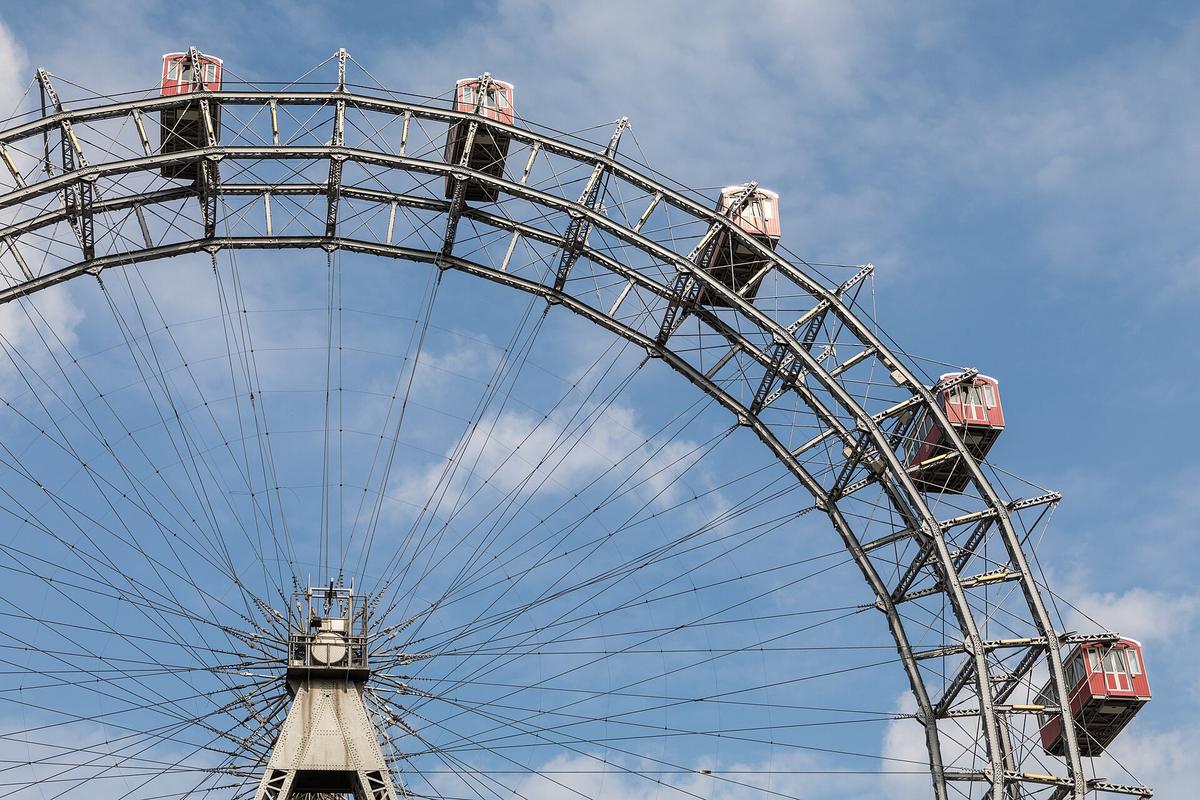
The Riesenrad is 64.75 m tall, wheel diameter 60.96 m, built in 1897. It is not the tallest Ferris wheel you will see. It is not the fastest. One full rotation takes 10 to 15 minutes at 0.65 m/s, which feels dignified rather than thrilling. The total weight of the structure is approximately 430 tonnes, and the 15 cabins each hold up to 12 people. Buy a standard ticket at the gate on a clear day when the queue is short. Book online in advance during peak periods: weekends, Christmas market weeks, and summer evenings.
The dinner cabin is a separate product. You book a private cabin for two or more people, and a set meal is served during one rotation. The key word is advance. These cabins sell out weeks ahead in high season. Book through the official website at www.wienerriesenrad.com and expect to pay a premium over the standard ticket price. The food is competent, not destination dining. The attraction is the privacy and the novelty of eating while the city slides past the window.
Who Should Skip the Riesenrad
If you have already ridden a larger Ferris wheel in London or Singapore, the Prater version will feel modest. If you dislike slow vertical loops or you are visiting on a hazy day when the view stops at the roofs of Leopoldstadt, the ticket price is hard to justify. Walk through the fairground, enjoy the free atmosphere, and spend the money on a meal at a proper Beisl instead.
Green Park Walking Vienna: Where Locals Actually Go
Behind the fairground, the Prater turns into something else entirely. The Hauptallee is a 4.5 km straight avenue of chestnut trees running due east, closed to motor traffic and shared by cyclists, runners, roller skaters and families pushing prams. It is the spine of the green park. Walk it end to end and you reach the Lusthaus, a white neoclassical pavilion that was originally a hunting lodge. The walk takes about an hour one way at a steady pace. Do it on a Sunday morning and you will see more Viennese in workout gear than tourists with cameras.
The green space includes meadows, woodland, the Heustadelwasser pond and the Prater Ziegelei pond. There are Biergärten in the forest where you can drink a cold Ottakringer at a wooden table under the trees. The contrast with the fairground is absolute. One is noise and neon. The other is quiet enough to hear birds. This part of the Prater costs nothing to enter, costs nothing to walk through, and is where residents go to escape the imperial formality of the Innere Stadt. It is the best free thing you can do in Vienna.
How to Find the Green Prater Exit
From Praterstern station, walk past the Riesenrad and through the fairground. Keep going east past the last ride booths. The asphalt shifts to gravel between the trees. That is where the park proper begins.
Praterstern Station Vienna: Arriving and Getting Away
Praterstern station is the arrival point for the entire Prater complex. It sits on the U1 and U2 lines, a fast connection from Stephansdom (two stops) or Karlsplatz (three stops). From the station platform, walk 500 m across the open square to the Riesenrad entrance. Tram line 1 stops at Prater Hauptallee, which drops you closer to the green park entrance if you want to skip the fairground entirely.
The station area has a decent Würstelstand. Grab a Käsekrainer with sharp mustard before you walk in. Buy your U-Bahn tickets at the station machines before boarding. Tickets are not sold on trams or buses. Get yours from the station machine, a Tabak Trafik shop, or the WienMobil app before you step aboard. A fine for travelling without a validated ticket is an expensive way to learn the rule.
After the Prater, the surrounding Leopoldstadt district is worth an hour. The Karmelitermarkt is edgy and multicultural, the Augarten park and Porzellanmuseum are 1.5 km from Praterstern, and the Donaukanal riverside bars with their street art are about 1 km away. The Johann Strauss Wohnung museum at Praterstrasse 54 is a 1 km walk from the Riesenrad if you want a dose of waltz history on your way back to the centre.

The Prater Suits These Travellers
The Prater works well for culture-first travellers who need a break from museum galleries without leaving the city entirely. It suits couples who want a walkable half day that mixes a historic ride with a long tree-lined stroll. Solo travellers who value safety and good infrastructure can navigate the park alone without stress. Older travellers will appreciate the flat terrain, the benches spaced along the Hauptallee, and the clean public areas.
It is not for party backpackers who expect round-the-clock late-night energy. The fairground winds down by 22:00 on weeknights, and the green park has no streetlife after dark. Travellers who find imperial pomp stuffy may still like the green Prater, but the amusement park side will feel too orderly. The formal, emotionally cool character of Vienna shows up here too: the rides work efficiently, the beer gardens expect you to clear your own glass, and nobody smiles unless you have earned it. That is the city. The Prater is honest about it.
Common Questions
Do I need to book Riesenrad tickets in advance?
Walk-up purchase works on quiet weekday mornings. Book online during weekends, December Christmas market weeks, and summer evenings. Dinner cabins must be booked weeks ahead through www.wienerriesenrad.com.
Is the Prater free to enter?
Yes. The amusement park has free entry. You pay per ride. The green park behind it, including the Hauptallee, the meadows and the forest Biergärten, is also free.
How long should I spend in the Prater?
20 to 30 minutes for the Riesenrad only. 2 to 3 hours if you add fairground rides. A half day covers the green park walk, the ponds and a stop at a Biergarten.
What is the quietest time to visit?
Weekday mornings outside school holidays. Summer afternoons and December weekends are the busiest. The Riesenrad runs year round in all but severe weather.
Read next
-
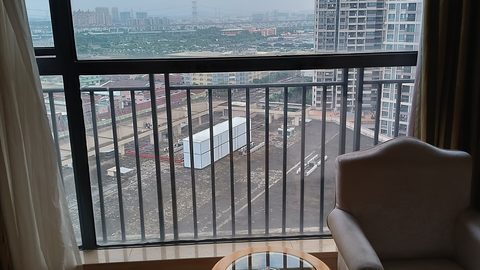
 Vienna Hotels What the Price Bands Actually Get You
Vienna hotel price bands deliver distinctly different experiences. Here is what each band actually gets you, from building type to seasonal pricing patterns.
Vienna Hotels What the Price Bands Actually Get You
Vienna hotel price bands deliver distinctly different experiences. Here is what each band actually gets you, from building type to seasonal pricing patterns.
-
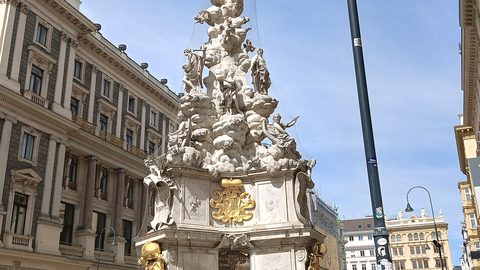 Where to Stay in Vienna District by District and What Each Costs You
Where to stay in Vienna depends on what you are willing to trade off. Each district costs you something different in time, money, and atmosphere.
Where to Stay in Vienna District by District and What Each Costs You
Where to stay in Vienna depends on what you are willing to trade off. Each district costs you something different in time, money, and atmosphere.
-
 Flying into Vienna airport and getting to the city without a mistake
Vienna airport offers four ways into the city, and the wrong choice can cost you time or money.
Flying into Vienna airport and getting to the city without a mistake
Vienna airport offers four ways into the city, and the wrong choice can cost you time or money.
-
 What to Do in Vienna Ordered by Whether It Is Worth the Time
Three full days is the minimum to see the core sights. Less forces a brutal trade-off between the imperial palaces and any sense of Vienna's neighbourhood lif
What to Do in Vienna Ordered by Whether It Is Worth the Time
Three full days is the minimum to see the core sights. Less forces a brutal trade-off between the imperial palaces and any sense of Vienna's neighbourhood lif
-
 When to Visit Vienna and What Each Season Does to the City
At 16:30 in mid-December, the Rathausplatz Christmas market is already shoulder to shoulder. You cannot move freely; you shuffle.
When to Visit Vienna and What Each Season Does to the City
At 16:30 in mid-December, the Rathausplatz Christmas market is already shoulder to shoulder. You cannot move freely; you shuffle.
-
 Getting Around Vienna Without Wasting Half Your Trip on Foot
Most visitors waste the first hour of their Vienna trip standing on a tram platform, ticketless, watching the doors close.
Getting Around Vienna Without Wasting Half Your Trip on Foot
Most visitors waste the first hour of their Vienna trip standing on a tram platform, ticketless, watching the doors close.
-
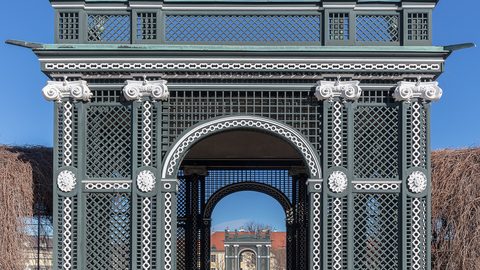 Schönbrunn Palace
 requires a strategy, not just a ticket. Here is how the entrance works, why the Grand Tour needs advance booking, and how to use the free
Schönbrunn Palace
Schönbrunn Palace requires a strategy, not just a ticket. Here is how the entrance works, why the Grand Tour needs advance booking, and how to use the free
-
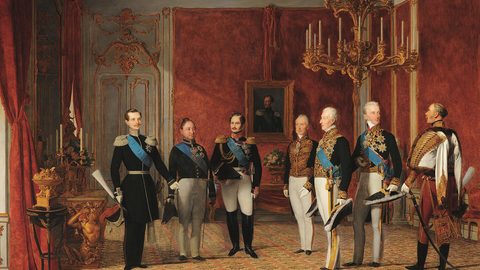 Hofburg
The Hofburg is several attractions sharing one name. Here is which sections matter, how the ticket bundles actually work, and a cheaper way to see the
Hofburg
The Hofburg is several attractions sharing one name. Here is which sections matter, how the ticket bundles actually work, and a cheaper way to see the
-
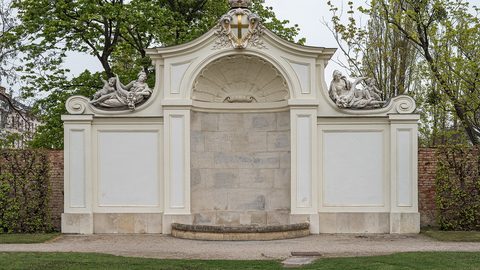 Belvedere
The Belvedere is two museums, not one, and The Kiss is in Upper Belvedere. Here is how to pick the right ticket and why the gardens cost nothing to walk through.
Belvedere
The Belvedere is two museums, not one, and The Kiss is in Upper Belvedere. Here is how to pick the right ticket and why the gardens cost nothing to walk through.