Vienna Day Trips Duration and the Real Travel Time Each One Takes
Most guides tell you the train duration, then you arrive and find the station is a forty minute walk from the thing you came to see.
Vienna Day Trips: Real Journey Times and What You Get at Each Destination
Most guides tell you the train duration, then you arrive and find the station is a forty minute walk from the thing you came to see. That is the gap this page closes. Every destination below includes the honest door to door time from a central Vienna starting point, covering the walk to the station, the wait for departure, the ride, and the walk from the arrival stop to the actual sight. That number determines whether a trip is a half day or a full day commitment. Knowing the difference makes your day trip duration realistic rather than aspirational.
Day Trips from Vienna by Train
Train is the default choice for nearly every destination on this list, and the reason is straightforward: Vienna's main rail hubs give you direct connections to the most rewarding day trip targets without traffic uncertainty. The dominant way of getting around within Vienna itself is the U Bahn, and you need a validated ticket before you step aboard. Buy one from a station machine, a Tabak Trafik shop, or the WienMobil app. Tickets are not sold on trams or buses. That is the single most common mistake travellers make, and it costs a fine.
Which Departure Point Serves Each Destination
Your departure points vary by destination. Wien Hauptbahnhof serves Bratislava, Semmering, Carnuntum, Eisenstadt, Lake Neusiedl, Graz, Salzburg, and Retz. Wien Meidling handles some of the same services. Wien Franz Josefs Bahnhof is the departure point for the Wachau Valley and Krems. Wien Westbahnhof covers Kremsmunster. Check the specific stop before you buy a ticket. Arriving at the wrong one and racing across the city loses you at least thirty minutes.
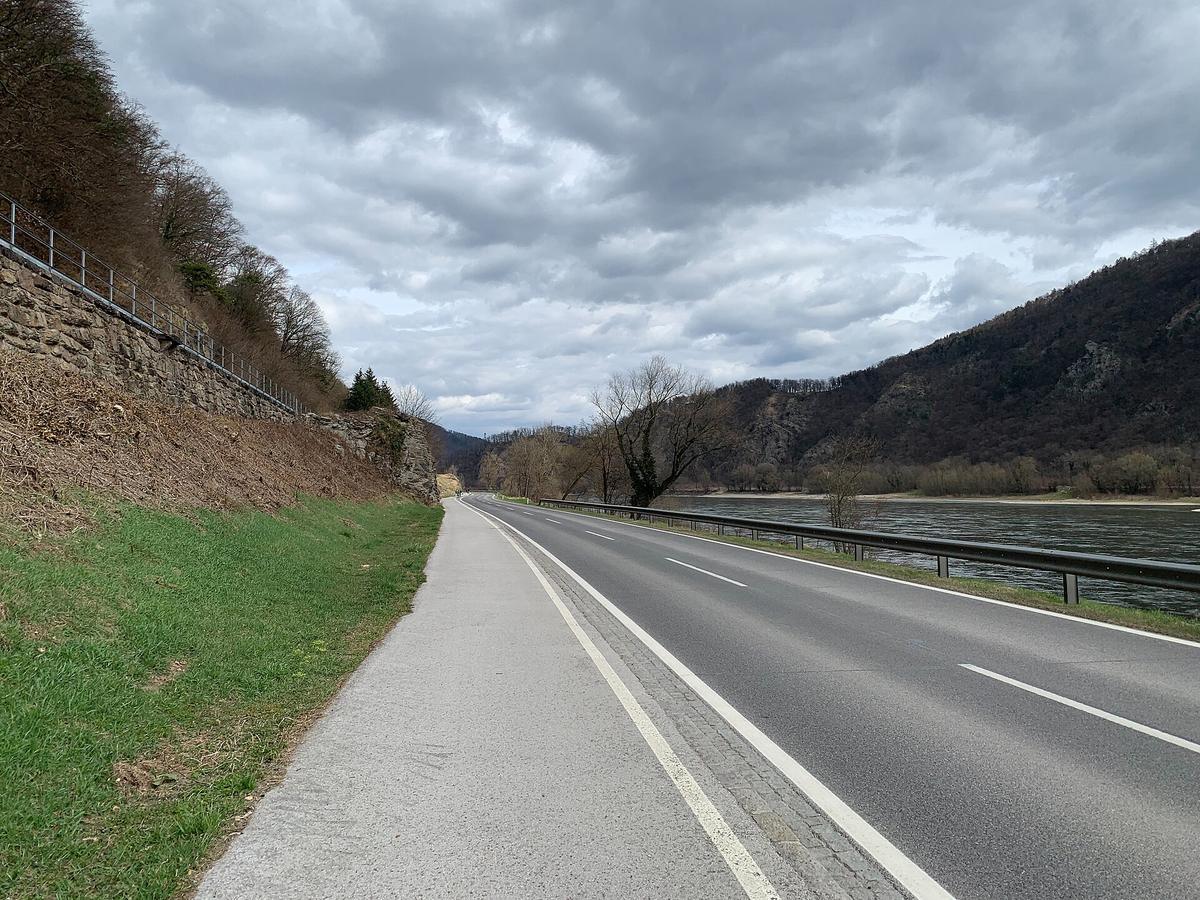

Vienna Excursions Travel Time
The table below gives you the raw train journey time, then adds the real margins that turn a simple ride into a half day or a full day. The logic is consistent: add fifteen minutes for the walk from your hotel to the departure point, ten minutes for buying the ticket and waiting on the platform, and at the other end add the walk from the arrival stop to the sight. Some of those walks are short. Some are punishing. Every minute counts when the last return train leaves before 22:00.
Wachau Valley from Vienna
Real door to door time: 2 hours 45 minutes one way, full day required.
Depart from Wien Franz Josefs Bahnhof. The train to Krems an der Donau takes sixty to seventy minutes. From Krems, it is a fifteen minute walk downhill into the riverfront pedestrian area. The Wachau Valley itself runs between Melk and Krems, and the best way to see the vineyard terraces and river towns is to combine the train with the DDSG Blue Danube boat service, which operates from mid April to late October. The boat takes roughly one hundred minutes downstream from Melk to Krems and one hundred forty minutes upstream.
Doing The Full Stretch In One Day
If you plan to do the full Melk to Krems stretch in one day, you cannot dawdle: take an early train to Melk, visit the abbey, then the afternoon boat to Krems, then the last train back from Krems to Vienna. Verify the exact time on vor.at for your travel date. The downside is that you will spend more time in transit than on the ground, and the timetable is tight enough that one delayed train or a queue at the abbey ticket desk compresses your afternoon to nothing.
The Half Day Krems Only Option
If you only have a half day, skip Melk and take the train directly to Krems. Walk the town in two hours, drink a glass of Gruner Veltliner at a terrace overlooking the Danube, and catch the next train back. That version is a half day with no boat and no monastery, but it is relaxing rather than rushed.
Bratislava Day Trip Vienna
Real door to door time by train: 2 hours one way, full day required.
The train from Wien Hauptbahnhof to Bratislava hl.st. takes fifty five to sixty five minutes and runs half hourly. The catch is that the Slovak capital's main hub sits outside the old town. From the exit to the pedestrian core and the castle hill is a twenty five minute walk or a ten minute tram ride. Add fifteen minutes on the Vienna end to reach Hauptbahnhof and ten minutes for ticketing, and your door to door time from a central Vienna hotel to the main square is about one hour forty five minutes. That makes a same day return feasible, but only just. The last train back from Bratislava tends to leave around 23:00, so you have a solid seven hours on the ground if you start early.
Arriving By River
Boat option.The Twin City Liner from Schwedenplatz runs from late March to late October. Downstream to Bratislava takes seventy five to ninety minutes, and upstream takes one hundred five to one hundred twenty minutes. The boat is slower than the train but delivers you to the old town waterfront, saving the walk from the rail terminal. The trade off is that the boat runs fewer departures and costs more, so check Twin City Liner's timetable for your exact date before planning around it.
Arriving By Coach
Bus option.FlixBus and Slovak Lines operate from Vienna International Bus Terminal at Erdberg. Journey time is sixty to ninety minutes depending on traffic. The bus drops you near the old town. For a same day return, the bus is the most flexible option because departures are frequent, but the Messe Wien calendar can spike traffic on trade fair days, so avoid those windows.
Carnuntum Roman City Ruins
Real door to door time: 1 hour 45 minutes one way, half day manageable.
The S Bahn S7 from Wien Hauptbahnhof to Petronell Carnuntum takes fifty to sixty minutes. From the stop it is a fifteen minute walk through open farmland to the entrance of the Archaologischer Park Carnuntum. That makes the door to door time roughly two hours each way. The Roman site is compact: reconstructed buildings, an amphitheatre, and a museum. Most visitors spend two to three hours there. That fits comfortably into a half day. Leave Vienna by 09:00, spend the morning at the ruins, eat lunch at the on site tavern, and be back in the city by 15:00. The last return journey to Vienna runs around 22:00, so you are not under pressure. The downside is that the site has limited shelter. July and August sun on open stone with no shade is brutal. Go in April, May, September, or October instead.
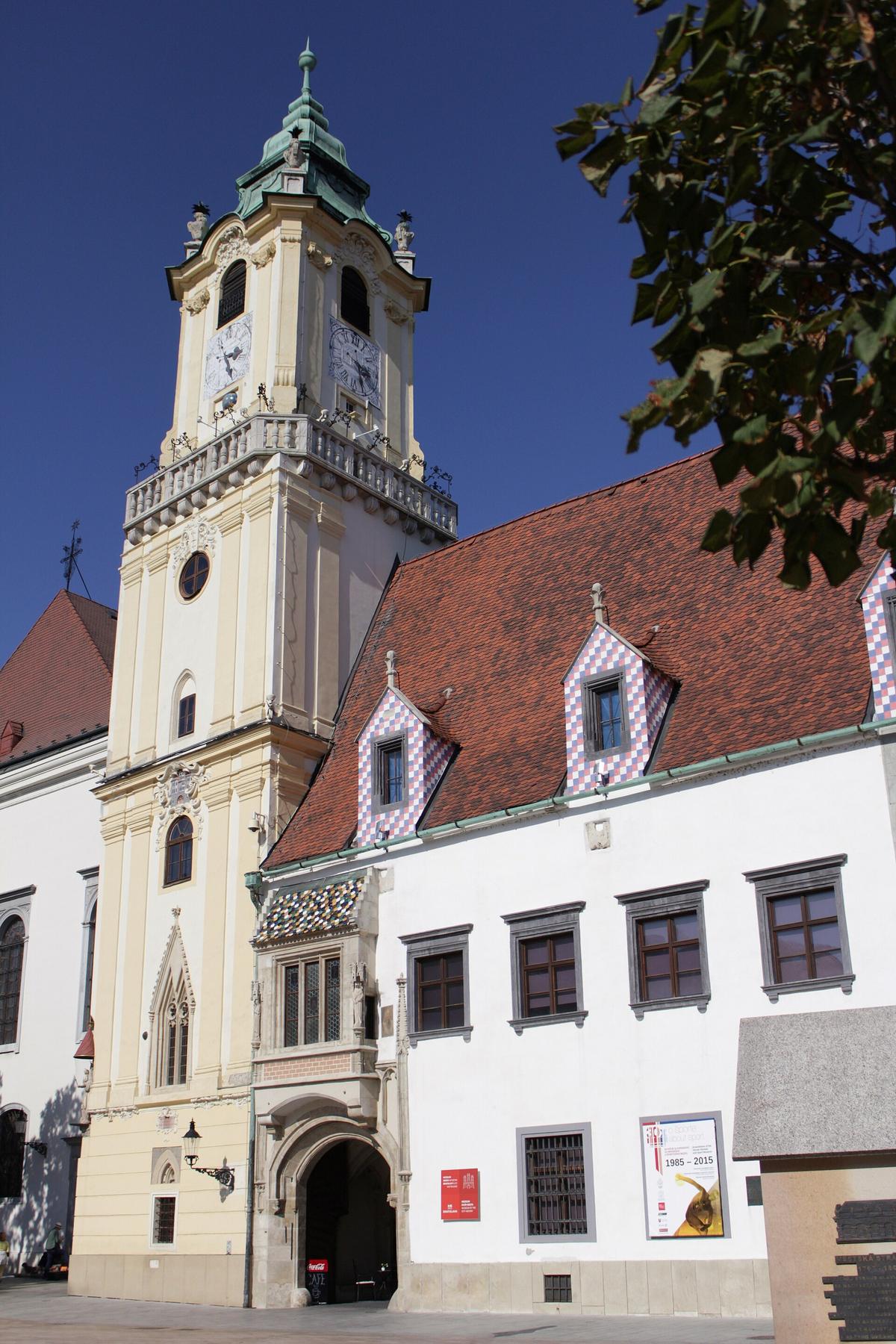

Melk Abbey
Real door to door time: 2 hours 15 minutes one way, full day required.
The train from Wien Hauptbahnhof to Melk takes fifty to sixty five minutes. From Melk, walk up the hill to the abbey. That walk takes twenty minutes, mostly uphill on cobblestones. Add the Vienna end time and you are looking at two hours fifteen minutes from your hotel room to the abbey ticket counter. The Stift Melk baroque Benedictine monastery deserves ninety minutes to two hours for the tour of the Marble Hall, the library, and the church, and you will want to walk the terrace overlooking the Wachau. That puts you at four hours of committed time before you start the return journey. It is a full day outing: leave by 08:30, arrive back in Vienna around 17:00. The last train back runs around 22:00, but there is no reason to stretch it that late unless you add a boat ride. Melk is worth the time. The downside is the hill. If mobility is a concern, the walk from the rail stop is punishing and a taxi costs roughly twelve euros.
Semmering Railway UNESCO Mountain Railway and Hiking
Real door to door time: 2 hours 30 minutes one way, full day required.
The train from Wien Hauptbahnhof to Semmering takes eighty to one hundred minutes. The stop sits at the start of the hiking trails that follow the UNESCO listed railway line through viaducts and tunnels. From the platform to the trailhead is a five minute walk. Add Vienna end time and you are at roughly two hours thirty minutes. The hike along the railway route is the main draw: a moderate two to three hour walk through alpine scenery. The summer hiking season runs from May to October. The winter sports season runs December to March and is snow dependent. For a same day return, catch a train by 08:00, hike until 13:00, eat lunch at one of the mountain huts, and take an afternoon train back. The last return to Vienna tends to run around 21:00, so you have flexibility, but the daylight for hiking is the real constraint. The downside is that the trail can be crowded on weekend afternoons in September and October, and the altitude change is real. Bring layers even in summer.
Which Trips Consume a Full Day and Which Work as Half Day Outings
Half day feasible: Carnuntum, Klosterneuburg Monastery, Lainzer Tiergarten, Kahlenberg. These destinations are close enough and small enough that you can leave after breakfast, return by 14:00, and have an afternoon in the city. Klosterneuburg is a fifteen to twenty minute train from Wien Franz Josefs Bahnhof. Lainzer Tiergarten is a thirty to forty minute U Bahn and bus ride, but it is closed from early November to mid February, so time your trip. Kahlenberg is a forty five to sixty minute public transport journey via U4 to Heiligenstadt and bus 38A, and the last bus back runs around 22:00.
Full day required: Wachau Valley by train and boat, Melk Abbey, Bratislava, Semmering Railway, Graz, Salzburg. Graz takes two hours thirty five minutes one way by Railjet, and the last return from Graz Hbf to Vienna runs around 21:30. That leaves roughly four hours on the ground before you must head back. Salzburg takes two hours twenty to two hours thirty minutes one way, and the last return from Salzburg Hbf runs around 21:00. Both are possible as day trips but the time on the ground is tight. You see the historic centre, you eat lunch, and you leave. They reward a two day excursion far more than a rushed day trip, but if your itinerary forces the choice, choose Salzburg over Graz for first time visitors because the old town density is higher per minute of walking.
Frequently Asked Questions
What is the best day trip from Vienna for someone who does not want to spend more than two hours on a train?
Carnuntum, at fifty to sixty minutes each way, or Klosterneuburg Monastery at fifteen to twenty minutes each way. Both leave you with enough time in the afternoon for the Innere Stadt or the Naschmarkt.
Can I visit the Wachau Valley and Melk Abbey on the same day?
Only if you start very early and the DDSG Blue Danube boat schedule aligns. The more reliable approach is to pick one. Melk plus the abbey is a full day. Wachau Valley without the abbey is a half day. Combining both turns the day into a forced march.
Is Bratislava worth a day trip from Vienna?
Yes, for the contrast. Vienna is grand but formally cool. Bratislava is smaller, cheaper, and more relaxed. The old town is compact enough to cover in three hours. The downside is that you spend nearly two hours in transit each way, which means you lose half the day to travel.
Which Vienna train station do I use for day trips?
It depends on the destination. Wien Hauptbahnhof for Bratislava, Semmering, Carnuntum, Graz, Salzburg, Eisenstadt, and Retz. Wien Franz Josefs Bahnhof for Krems and Klosterneuburg. Wien Westbahnhof for Kremsmunster. Check vor.at before you go.
How do I buy train tickets for day trips?
Use the WienMobil app for VOR regional tickets within the Vienna region. For longer OBB journeys to Salzburg or Graz, buy an OBB Sparschiene ticket in advance to save money. The OBB Standardticket is flexible but costs more. Buy from station machines or the app. Tickets are not sold on trains.
What is the last train back from Bratislava to Vienna?
The annual schedule shows a last departure from Bratislava hl.st. around 23:00, but this changes. Verify on fahrplan.oebb.at for your exact travel date before you commit to a late return.
Can I visit Carnuntum in winter?
The archaeological park has limited opening hours between November and February. The outdoor ruins are accessible but the museum and reconstructed buildings may be closed. Check the Archaologischer Park Carnuntum Betriebs GmbH website before going in winter.
Read next
-
 Vienna Hotels What the Price Bands Actually Get You
Vienna hotel price bands deliver distinctly different experiences. Here is what each band actually gets you, from building type to seasonal pricing patterns.
Vienna Hotels What the Price Bands Actually Get You
Vienna hotel price bands deliver distinctly different experiences. Here is what each band actually gets you, from building type to seasonal pricing patterns.
-
 Where to Stay in Vienna District by District and What Each Costs You
Where to stay in Vienna depends on what you are willing to trade off. Each district costs you something different in time, money, and atmosphere.
Where to Stay in Vienna District by District and What Each Costs You
Where to stay in Vienna depends on what you are willing to trade off. Each district costs you something different in time, money, and atmosphere.
-
 Flying into Vienna airport and getting to the city without a mistake
Vienna airport offers four ways into the city, and the wrong choice can cost you time or money.
Flying into Vienna airport and getting to the city without a mistake
Vienna airport offers four ways into the city, and the wrong choice can cost you time or money.
-
 What to Do in Vienna Ordered by Whether It Is Worth the Time
Three full days is the minimum to see the core sights. Less forces a brutal trade-off between the imperial palaces and any sense of Vienna's neighbourhood lif
What to Do in Vienna Ordered by Whether It Is Worth the Time
Three full days is the minimum to see the core sights. Less forces a brutal trade-off between the imperial palaces and any sense of Vienna's neighbourhood lif
-
 When to Visit Vienna and What Each Season Does to the City
At 16:30 in mid-December, the Rathausplatz Christmas market is already shoulder to shoulder. You cannot move freely; you shuffle.
When to Visit Vienna and What Each Season Does to the City
At 16:30 in mid-December, the Rathausplatz Christmas market is already shoulder to shoulder. You cannot move freely; you shuffle.
-
 Getting Around Vienna Without Wasting Half Your Trip on Foot
Most visitors waste the first hour of their Vienna trip standing on a tram platform, ticketless, watching the doors close.
Getting Around Vienna Without Wasting Half Your Trip on Foot
Most visitors waste the first hour of their Vienna trip standing on a tram platform, ticketless, watching the doors close.
-
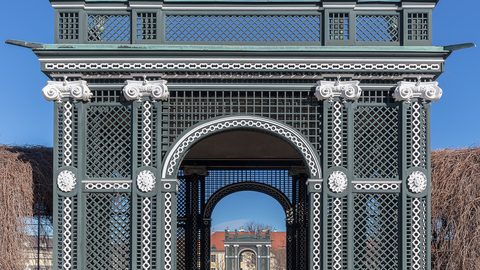 Austria Travel Guide, Imperial Cities and Alpine Valleys by Train
Austria pairs baroque imperial cities with Alpine valleys close enough to reach by train, making a week the minimum to experience both.
Austria Travel Guide, Imperial Cities and Alpine Valleys by Train
Austria pairs baroque imperial cities with Alpine valleys close enough to reach by train, making a week the minimum to experience both.
-
 Staying connected in Austria with eSIM, local SIM, or just hotel WiFi
Austrian mobile coverage vanishes in the places you need it most: deep Alpine valleys and high passes.
Staying connected in Austria with eSIM, local SIM, or just hotel WiFi
Austrian mobile coverage vanishes in the places you need it most: deep Alpine valleys and high passes.
-
 Best Time to Visit Austria for Cities, Lakes and Skiing Without Crowds
Austria's seasons dictate what's open: Christmas markets end on 24 December, the Salzburg Festival consumes July and August, and many hotels close the first
Best Time to Visit Austria for Cities, Lakes and Skiing Without Crowds
Austria's seasons dictate what's open: Christmas markets end on 24 December, the Salzburg Festival consumes July and August, and many hotels close the first