What to Know Before You Plan a Budapest Travel Guide
Budapest is grand on the Danube but grittier one street back. Here is how its districts differ and how long the city really needs.
- Flag
-

- ISO code
- HU
- Population
- 1,741,041
- Currency
- HUF
- Timezone
- Europe/Budapest
Budapest Travel Guide: What to Know Before You Plan
Budapest is a city of two halves split by the Danube, 23 numbered neighbourhoods, and a habit of surprising travellers who thought they knew what they were booking. The Pest side delivers grand boulevards and ruin bars tucked into peeling 19th century plaster. Buda climbs into castle topped hills and quiet residential streets. The whole thing is larger, more spread out, and grittier one street back than any photo set suggests. This guide exists to fix the mismatch between expectation and reality before you book a thing.
- Minimum Days Needed: Three full days for Pest core, one thermal bath, Buda Castle Hill and one ruin bar evening
- Peak Season: April May and September October. December is a secondary peak for Christmas markets.
- Avoid Window: July August for heat and crowds. Skip the week around 20 August for St Stephen’s Day.
- Currency: Hungarian forint (HUF). Card acceptance is widespread in central Budapest but cash is still required at some market stalls and smaller baths.
- Key Arrival: Bus 100E from Ferenc Liszt International Airport to Deák Ferenc tér, 2,200 HUF one way. No direct rail link.
Budapest Districts Explained
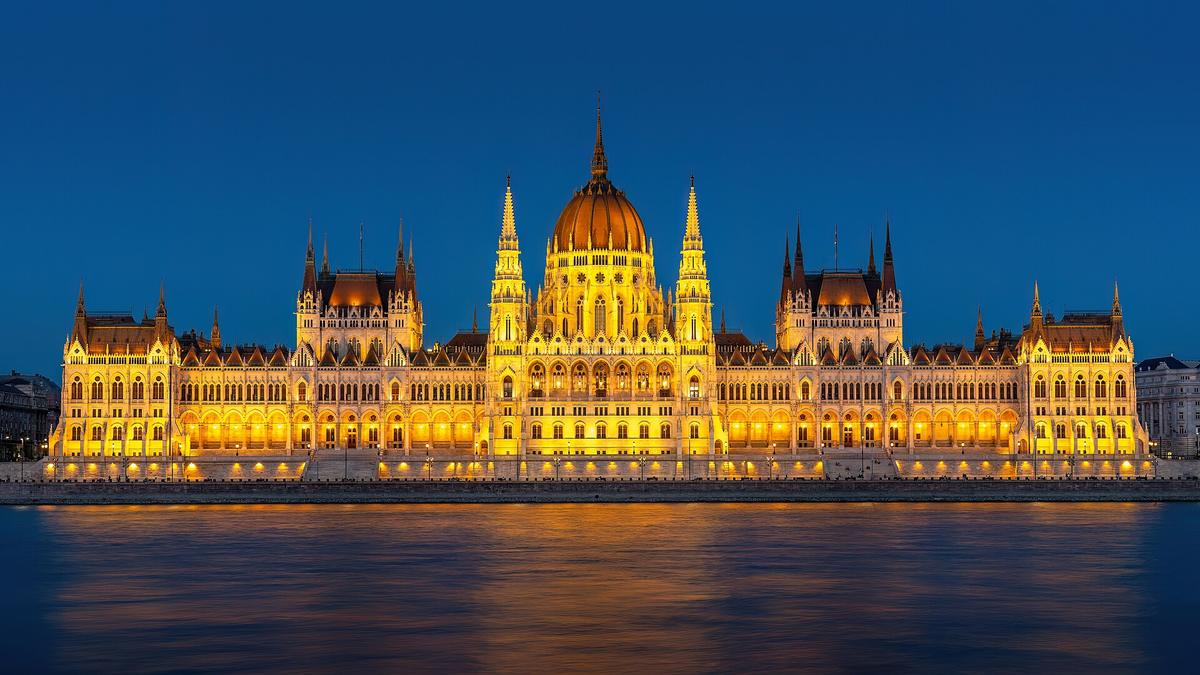
Budapest contains 23 numbered neighbourhoods, Roman numerals I through XXIII. Guessing wrong about which one you booked is the most common first time mistake. The inner city on the Buda side is District I, the Castle District, home to Buda Castle, Fisherman’s Bastion and Matthias Church. On the Pest side the historic core is District V, Belváros Lipótváros, where the Parliament, St Stephen’s Basilica and the tourist hotels line up. A few blocks east, District VII, Erzsébetváros, holds the Jewish Quarter, the main ruin bar zone and the loudest nightlife. District VI, Terézváros, runs along Andrássy út past the Opera House and into the busier end of the bar scene.

How Many Days in Budapest
Three full days is the minimum viable stay for a first time visitor. That allows one day for the Pest core: the Parliament, St Stephen’s Basilica and a walk up Andrássy út. A second day for Buda: the Castle District, Fisherman’s Bastion and one of the thermal baths on that side, Gellért or Rudas. A third day for the Jewish Quarter, a ruin bar evening and Széchenyi Bath in City Park. Two nights compresses everything beyond comfort. Five to seven nights lets you slow down into neighbourhood level exploration, day trips to Szentendre or Vác, and return visits to the baths without rushing.
The common mistake is treating Buda as a half day afterthought. The Castle District, Gellért Hill and the baths on the Buda side each deserve their own unhurried block of time. Stay only on the Pest side and cross the Danube for a quick look at the turrets. You will miss what makes the western half of the city work.
Budapest Itinerary Planning for First Time Visitors
Pest Side: Day One
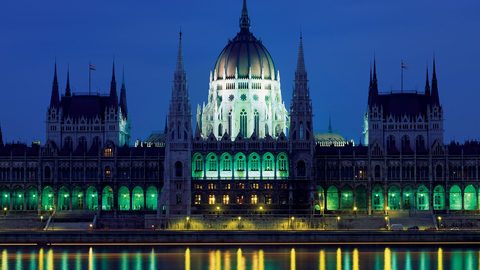
Start at the Hungarian Parliament Building on Kossuth Lajos tér. Book interior tours days ahead; they sell out. Walk the Danube bank south to the Shoes on the Danube Bank memorial, free and immediate. Cut inland to St Stephen’s Basilica for the dome view. The paid tower gives the best single panorama of the Pest rooftops. Afternoon belongs to Andrássy út, the UNESCO listed boulevard running from Deák Ferenc tér to Heroes’ Square. The Hungarian State Opera House at number 22 offers guided tours only; book ahead. End at Heroes’ Square and the start of City Park, where Vajdahunyad Castle sits on a lake with free grounds.
Buda Side: Day Two
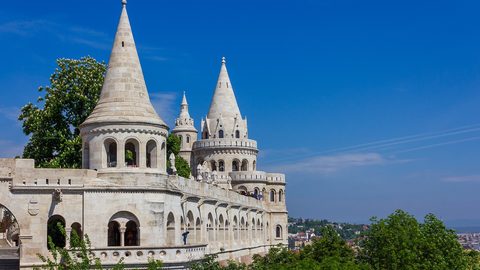
Cross the Danube to Buda in the morning. The Castle District, District I, is tourist heavy and cobbled. Fisherman’s Bastion charges for the upper colonnade but the lower terraces are free and quieter. Matthias Church next door charges entry for the tiled roof interior. Walk down the hill past the Buda Castle Hill Funicular to Gellért Hill for the citadel view. Gellért Thermal Bath sits at the foot of the hill; its Art Nouveau interior and smaller pools make it a calmer choice than Széchenyi. Rudas Baths, older with an Ottoman era core and a rooftop hot tub, is another option on this side.
District VII and the Baths: Day Three
District VII, Erzsébetváros, is the Jewish Quarter. The Great Synagogue on Dohány Street requires booking timed entry; it is closed Saturdays. Walk Kazinczy utca and Király utca for the ruin bar concentration. Szimpla Kert is the original and still the main one. Gozsdu Udvar, the covered arcade, fills with street food stalls and bars at night. Reserve the afternoon for Széchenyi Thermal Bath in District XIV. It is the largest bath complex in Budapest. Outdoor pools operate year round. It is also the busiest. Arrive by 08:30 to claim a lounger. The outdoor wave pool and beer spa are gimmicks; the real draw is the vast 38 °C main pool under the neoclassical hall.
| District | Number | What It Holds |
|---|---|---|
| Castle District | I | Buda Castle, Fisherman’s Bastion, Matthias Church, tourist heavy |
| Belváros Lipótváros | V | Parliament, St Stephen’s Basilica, hotels, tourist core |
| Terézváros | VI | Andrássy út, Opera House, ruin bars, busy |
| Erzsébetváros | VII | Jewish Quarter, ruin bars, street food, loud nightlife |
| Józsefváros | VIII | Palace Quarter, Hungarian National Museum, edgier outer parts |
| Ferencváros | IX | University, Great Market Hall, National Theatre, fast gentrifying |
| Zugló | XIV | City Park, Széchenyi Baths, Heroes’ Square, green space |

Budapest Travel Tips
Getting Around and Staying Connected
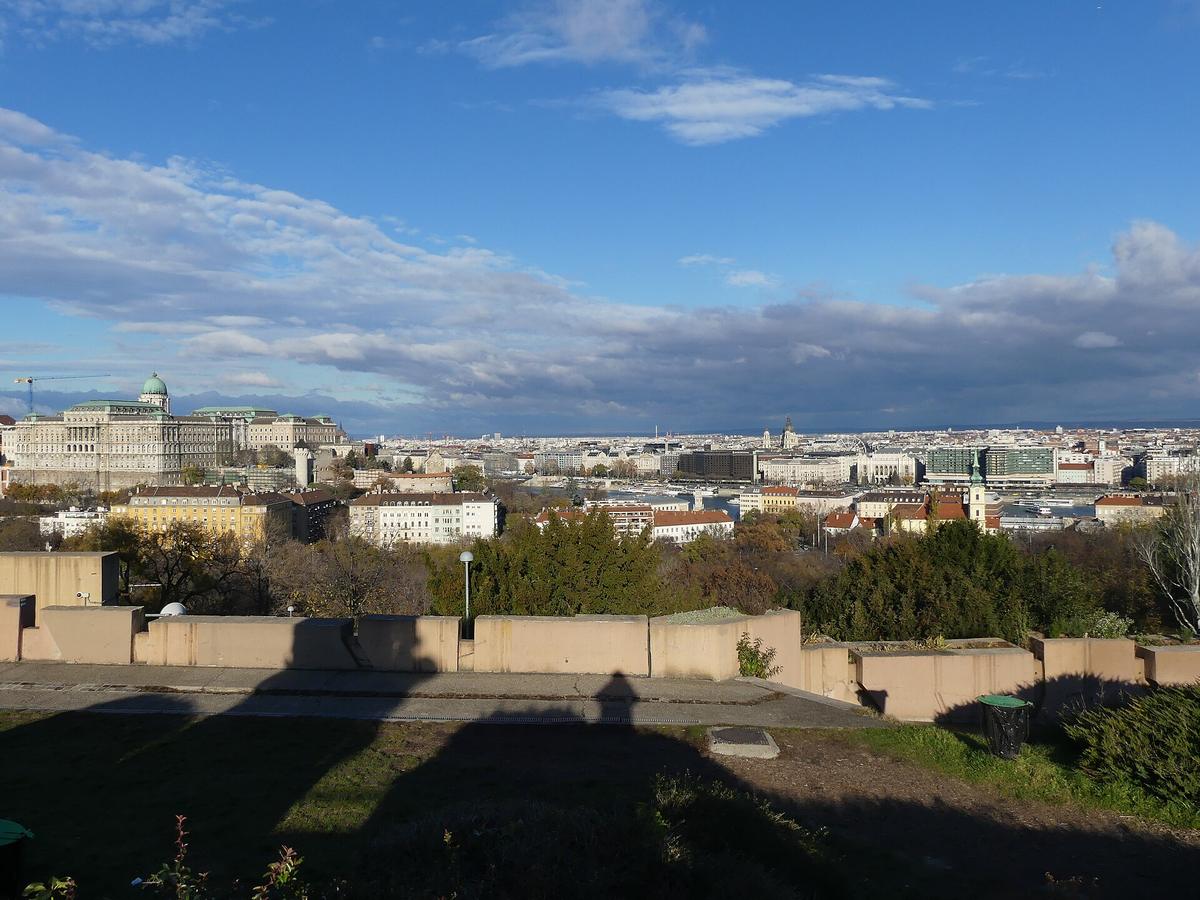
Budapest is walkable in the inner Pest neighbourhoods but larger than you think. Use the BudapestGO app for digital tickets and passes. Single paper tickets must be validated in the orange boxes before boarding. They are per vehicle, not per journey. Change metro lines or transfer to a bus and you need a new ticket or a transfer ticket. Ticket inspectors are aggressive and fine on the spot. Do not risk it.
The shoulder months, April and October, deliver mild weather, long daylight and lower crowds than peak summer. July and August push temperatures above 30 °C and strain older hotels without air conditioning. December brings Christmas markets at Vörösmarty tér, but the cold drops to freezing or below. The main trip up for first time visitors is assuming Budapest is compact like Prague. It is not. The metro lines M2, M3 and M4 are deep level systems. M1 is shallow cut and cover from 1896 and runs along Andrássy út. A taxi ordered via Bolt or Főtaxi costs 12,000 to 15,000 HUF from the airport to the centre. Street hailed taxis overcharge. Do not take one.
Public toilets are scarce and cost 200 to 300 HUF. Carry coins. Pavements in Pest are narrow, cracked or blocked by parked cars. Many shops and smaller museums close on Sundays even in central neighbourhoods. Free Wi Fi is widespread in cafés, hotels and public squares. A local SIM or eSIM is cheap and useful for the BudapestGO app and Bolt. Mobile signal is strong on all metro lines and in most baths. Some older thermal bath interiors have patchy coverage.
Food Worth the Money
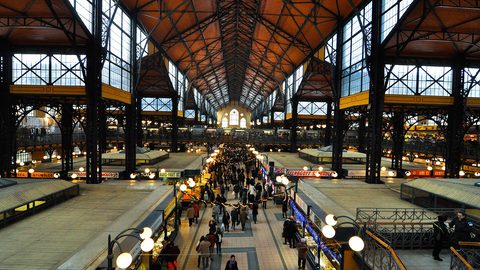
Lángos at the Great Market Hall or a retro buffet is fried dough with sour cream and cheese. Eat it standing. Goulash served from a cauldron at a traditional étkezde, not from a tourist menu on Váci utca, is the real version. Kürtőskalács, chimney cake, from a street stand, warm, is the snack you will seek out twice. A Budapest breakfast of körözött, cheese spread with paprika, on fresh bread fills you until dinner. The Jewish Quarter food courts around Karaván and Gozsdu Udvar mix local and international stalls and stay open late.
Who Budapest Suits and Who Should Skip It
Budapest works for first time Central Europe visitors who want a big, affordable capital with serious architecture and nightlife. Couples and friend groups who enjoy thermal baths and ruin bars will find it cheap and sociable. Architecture and history lovers get the UNESCO World Heritage banks of the Danube, the Buda Castle Quarter and Andrássy út. Food focused travellers on a mid range budget can eat well without spending what Paris or Vienna costs. Digital nomads get a cheap, well connected base with strong mobile signal and coworking spaces.
Budapest does not suit travellers who want a compact, walkable old town. The Pest Buda split and the spread out neighbourhoods require metro rides or long walks. Anyone seeking pristine, polished streetscapes will find the peeling plaster and cracked pavements frustrating. Visitors who dislike crowds at major sights should avoid the peak months. Anyone expecting quiet, spa like calm at the thermal baths in high season will be disappointed; Széchenyi is a social scene, not a retreat. Travellers with limited mobility will struggle with the hills of Buda, the cobbles of the Castle District and the long, steep escalators on the deep level metro lines.
Neighbourhoods in Budapest
-
 Belváros
District V Budapest, the Belváros: what it feels like, who it suits, and what is within walking distance of Parliament and the Danube.
-
 Castle District
Buda Castle District Budapest: Castle Hill's museums, Fisherman's Bastion and cobbled streets, and what staying there is really like.
-
 Erzsébetváros
District VII Budapest, Erzsébetváros: the Jewish Quarter's synagogues, ruin bars and street food, and who should actually stay there.
-
 Józsefváros
District VIII Budapest, Józsefváros: the elegant Palace Quarter, the edgier outer streets, and what staying there is actually like.
-
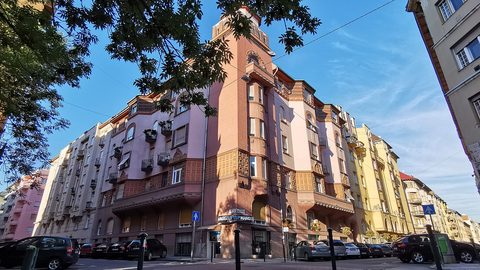 Újlipótváros
 Budapest, District XIII: a calm residential Pest neighbourhood with Pozsonyi Road cafés, Lehel Market Hall and easy Margaret Island access.
What to See in Budapest
-
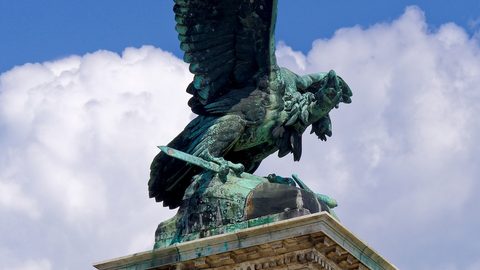 Buda Castle
What Buda Castle Budapest includes beyond the viewpoint, how the funicular and walking routes compare, and how long the hilltop really takes.
-
 Fisherman's Bastion
How Fisherman's Bastion Budapest works, which terraces cost money, and when to go for the Danube panorama without tour bus crowds.
-
 Great Market Hall
How Great Market Hall Budapest works, where the food stalls sit, what to eat, and how to avoid the worst of the midday crowd.
-
 House of Terror
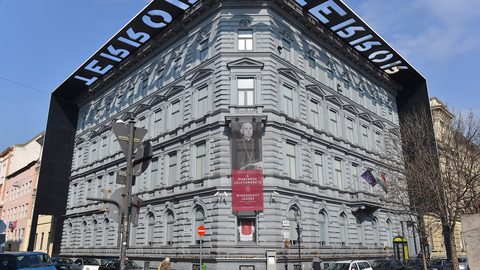
What the House of Terror Budapest covers, how the building shapes the experience, and why you should book ahead and allow more time.
-
 Hungarian Parliament
How a Hungarian Parliament Building visit works, where tours start, when they sell out, and how to avoid queueing twice.
-
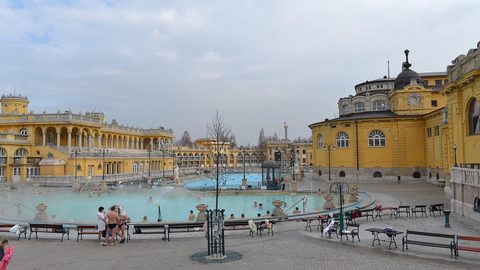 Széchenyi Thermal Bath
What Széchenyi Thermal Bath Budapest is really like, how crowds shift by season and hour, and how to plan a visit that matches your tolerance.
More on Budapest
-
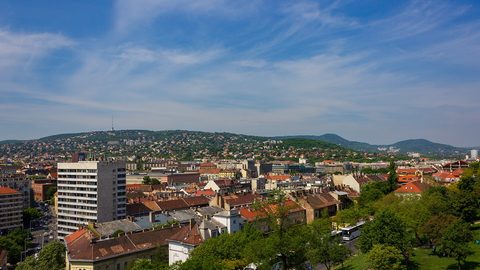 Budapest for a First Visit What to Prioritise and Skip
What to prioritise and what to consciously skip on a first visit to Budapest when you only get one trip.
-
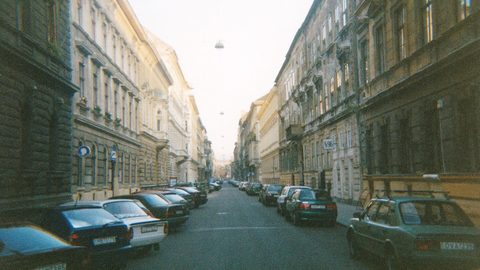 Budapest Common Mistakes That Cost Visitors a Day
The Budapest common mistakes that cost visitors a day: ticket validation, underestimating Buda, and booking the wrong station.
-
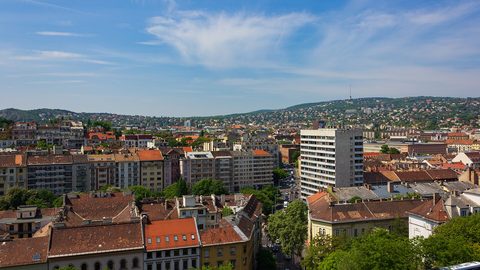 How Many Days in Budapest Two Four or a Week
How many days in Budapest you need: what two, four or seven days each buy, and where the point of diminishing returns sits.
-
 Budapest Neighbourhood Guide How the Districts Differ
How Budapest's districts differ on noise, price, transport and local feel, from District V to Újlipótváros.
-
 Free Things to Do in Budapest That Are Worth the Walk
Free things to do in Budapest that are still worth the walk, from riverside memorials to museum free days.
-
 Budapest Tourist Traps and What Locals Use Instead
Budapest tourist traps that trade on the name, and the equivalent markets, baths and cafés locals actually use.
-
 Budapest with Kids Which Parts of the City Suit a Family
Which parts of Budapest with kids actually work for a family day, and which are a mistake with a pushchair.
-
 Budapest in Winter What the Quiet Months Change
What Budapest in winter really changes: opening patterns, light, thermal bath crowds, and what gets cheaper in the quiet months.
-
 Budapest Airport Transfer, Bus, Taxi and What to Avoid Late at Night
How to get from Budapest Ferenc Liszt Airport into the centre by bus, taxi or Bolt, and which option to avoid late at night.
-
 Budapest Without a Car, What the Metro, Trams and Buses Actually Reach
What Budapest without a car really means: where the metro, trams and buses reach, where they stop being useful, and how to avoid fines.
Common Questions
Is Budapest safe for first time visitors?
Yes, Budapest is safe for first time visitors. The main risks are aggressive ticket inspectors on public transport and taxis not ordered via Bolt or Főtaxi. Keep your wits about you in crowded nightlife areas and on late night transport, the same as any European capital.
Should I stay on the Pest side or the Buda side?
Stay on the Pest side for walkability, nightlife and the main sights. District V and District VI put you close to the Parliament, Basilica and ruin bars. Stay on the Buda side, District I or District II, if you want quiet residential streets and hill views. The trade off is longer journeys to the Pest nightlife.
How do I get from Budapest airport to the centre?
Bus 100E runs from Ferenc Liszt International Airport to Deák Ferenc tér every 10 to 20 minutes, costing 2,200 HUF one way and taking 35 to 45 minutes. A taxi via Bolt or Főtaxi costs 12,000 to 15,000 HUF and takes 30 to 40 minutes. There is no direct rail link.
Which thermal bath should I choose?
Choose Széchenyi Bath for the grand outdoor pools and social atmosphere, Gellért Bath for Art Nouveau interiors and smaller quieter pools, Rudas Bath for Ottoman era core and a rooftop hot tub. Book Friday or Saturday evenings for spa parties at Széchenyi.
How much does food cost in Budapest?
A street food meal of lángos or kürtőskalács costs about 1,500 HUF. A lunch at a traditional étkezde costs 3,000 to 5,000 HUF. A dinner with wine in a mid range restaurant in District V or District VII costs 8,000 to 12,000 HUF per person. Tipping is 10 to 15 percent.
Is the Budapest Card worth it?
The Budapest Card includes public transport, entry to selected museums and baths, and discounts. It is worth it if you plan to visit multiple paid attractions in a short window. For visitors who mainly walk, eat and use the baths once, buying individual tickets is cheaper.
What is the best month to visit Budapest?
May and September offer mild weather, long daylight and lower humidity than summer. April and October are shoulder months with fewer crowds but more variable rain. December brings Christmas markets but cold temperatures at or below freezing.
Read next
-
 Budapest Hotels What Each Price Band Actually Gets You
Budapest hotels span from cheap courtyard rooms to grand Danube-view addresses. Here is what each price band actually gets you.
-
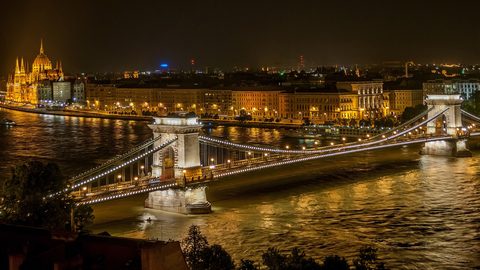 Where to Stay in Budapest District by District
Where to stay in Budapest depends on how much noise, walking, and nightly rate you will accept. Here is the district-by-district trade-off.
-
 Budapest Flights, Flying Into Ferenc Liszt Airport and Getting Out
Flying into Budapest Ferenc Liszt Airport: what to expect on arrival and how to get into central Pest by bus or taxi.
-
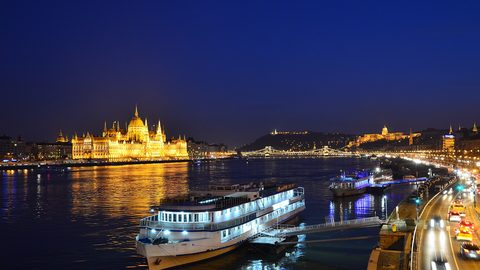 Budapest Things to Do Ordered by Whether It Is Worth the Time
Budapest things to do ordered by whether they are worth the time, the queue, and the crowd they demand.
-
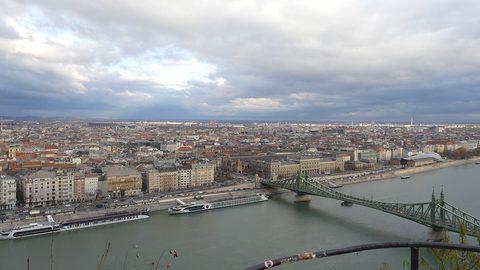 Best Time to Visit Budapest and What Each Season Does to It
The best time to visit Budapest depends on how much heat, crowd, and seasonal closure you will tolerate. Here is what each season does.
-
 Getting Around Budapest Without Wasting Half the Trip
Getting around Budapest means mastering the per-vehicle ticket rule, the validation boxes, and the BudapestGO app before you board.
-
Hungarian Parliament
How a Hungarian Parliament Building visit works, where tours start, when they sell out, and how to avoid queueing twice.
-
Széchenyi Thermal Bath
What Széchenyi Thermal Bath Budapest is really like, how crowds shift by season and hour, and how to plan a visit that matches your tolerance.
-
Fisherman's Bastion
How Fisherman's Bastion Budapest works, which terraces cost money, and when to go for the Danube panorama without tour bus crowds.