Poland: A Gazetteer for Travellers Who Prefer Depth to Speed
Poland delivers dense history, genuine warmth, and surprising natural beauty at a fraction of Western European prices — but its scale demands at least 10 days.
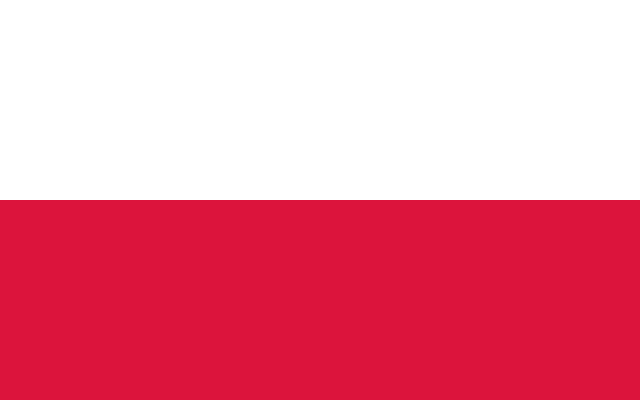
- Flag
-
- ISO code
- PL
- Population
- 37,978,548
- Currency
- PLN
- Dial code
- +48
A Gazetteer for Travellers Who Prefer Depth to Speed
Poland is not a weekend country. The destination rewards planning, punishes speed, and asks a first timer to respect its scale. At 312,696 square kilometres and with 37.7 million people speaking a language unrelated to anything in Western Europe, Poland delivers dense history, genuine warmth, and surprising natural beauty. But its regional contrasts catch visitors off guard. The Baltic coast in July is a different season, geography, and culture from the Tatra foothills in the same month. The lake district of Masuria is a different Poland from the post-industrial recovery of Silesia. A ten-day minimum frames the entire conversation. Anything less forces a choice between north and south. That choice means missing the country's full spread.
- Currency: Polish złoty (PLN)
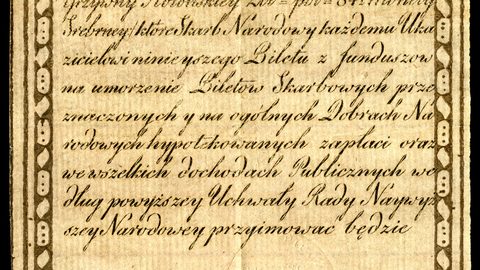
- Payment: Cards widely accepted in cities and towns; cash still common in rural areas, small shops, and market stalls
- Tipping: Round up or 5-10% in restaurants if service is good; not obligatory
- Mains Voltage: 230 V, plug type E (two round pins with earthing clip)
- Tap Water: Safe to drink in all urban areas
- Driving: International Driving Permit required for non-EU licence holders alongside home licence; EU licence valid without IDP for stays up to 180 days
- Emergency Number: 112
- Time Zone: Central European Time (UTC+1); Summer time observed UTC+2, last Sunday March to last Sunday October
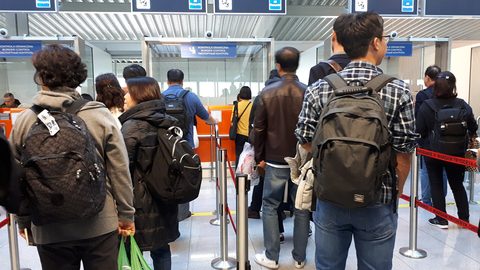
- Schengen: Full member. Visa-free for EU/EEA/Swiss; short stays visa-free for UK, US, Canada, Australia, New Zealand, Japan, South Korea, and many Latin American nationals.
- Entry Requirement (Non-EU): Passport valid at least three months beyond intended departure date
- Capital: Warsaw (Warszawa)
- Population: Approximately 37.7 million (2024 estimate, Statistics Poland)
Visiting Poland for the First Time: What to Actually Expect
The single thing that undoes a first trip is the language. Outside the tourist bubbles of Kraków's Old Town, Warsaw's central district, and Gdańsk's main square, English drops sharply. A cashier in a rural grocery, a ticket seller at a small train station, or a bus driver in Podlasie may speak none. Google Translate camera mode is essential for menus and signs. Download Polish offline before you arrive.
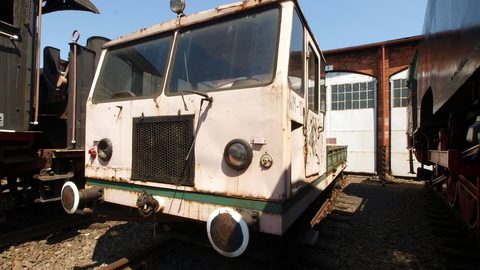
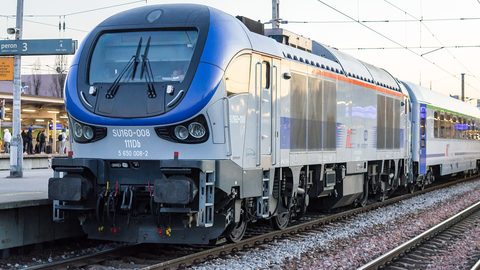
The second tripwire is the trains. PKP Intercity operates the long-haul routes, Polregio handles regional lines, and a ticket bought for one operator is not valid on the other, even on the same route. Seat reservations are mandatory on EIP (Express InterCity Premium) Pendolino trains. Buy tickets through the KOLEO app or at station counters. Warsaw to Kraków takes between 2 hours 15 minutes and 2 hours 30 minutes on the Pendolino. Warsaw to Gdańsk runs 2 hours 30 minutes to 2 hours 50 minutes. Warsaw to Wrocław takes 3 hours 30 minutes to 4 hours. These are not short hops; budget the time.
Paper tram and bus tickets require immediate validation in the onboard stamping machine. Plain-clothes inspectors board randomly, and the fine for an unstamped ticket is real. Cash remains king in small shops, rural bars, and milk bars. Carry złoty notes even in a city like Wrocław. Jaywalking is enforced. Wait for the green man.
Arrival Airports
Warsaw Chopin (WAW) connects to the city centre via SKM S2 or S3 trains in 25 minutes for about 4 PLN. A taxi or ride-share runs roughly 40 PLN. Warsaw Modlin (WMI), the Ryanair hub, requires a ModlinBus to the city, a 40-minute ride for about 30 PLN. Kraków (KRK) has a direct train to Kraków Główny in 20 minutes for around 14 PLN. Gdańsk (GDN) trains reach Gdańsk Główny in 25 minutes for about 5 PLN. Katowice (KTW) uses a bus to the city centre, a 40-minute journey for about 6 PLN.

Poland Itinerary Planning: Minimum Days, Maximum Regions
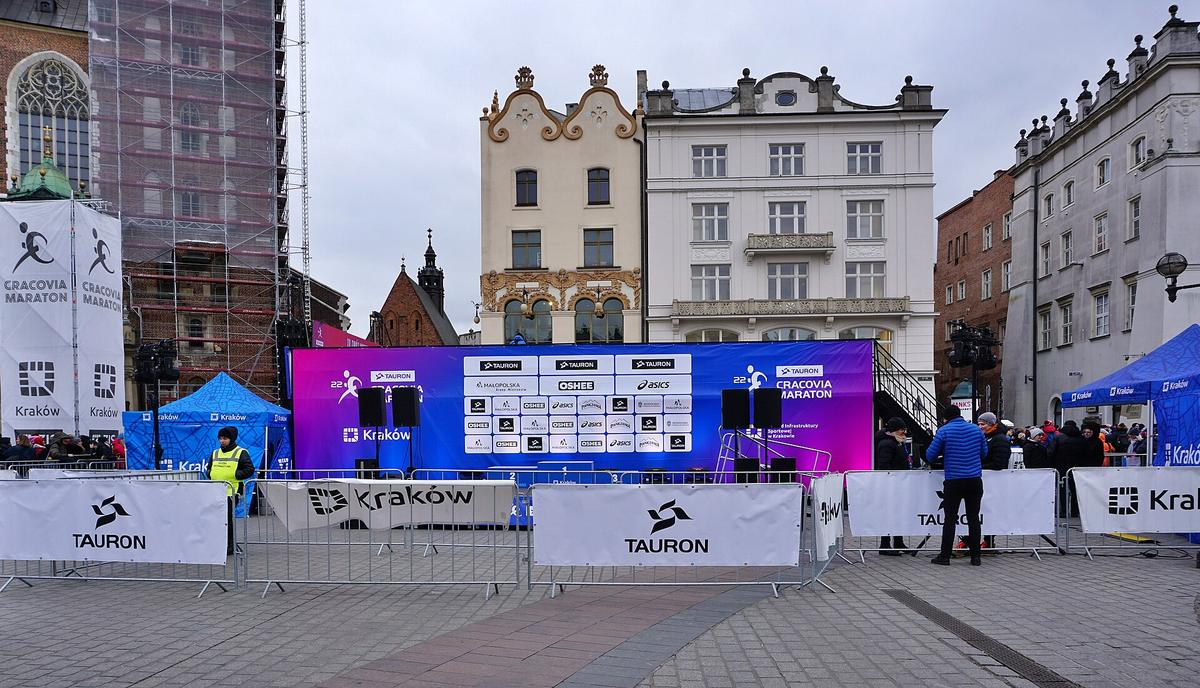
Ten days is the minimum. With ten days you can choose one macro region and see it properly, or you can attempt a north-south corridor and accept that you will skip entire quarters of the country. A fourteen- to twenty-one-day traverse from the Baltic coast to the Tatra Mountains is the correct length for a full tour.
For a ten-day first trip, pick either the south or the north. The south means Kraków, Wieliczka Salt Mine, Auschwitz-Birkenau, Zakopane, and the Tatra hiking. The north means Gdańsk, Malbork Castle, the Hel Peninsula, and Masuria's lake district. Do not try both. The train from Gdańsk to Kraków takes roughly 5 hours even on the Pendolino, and that is a day lost.
The Southern Circuit (10 Days)
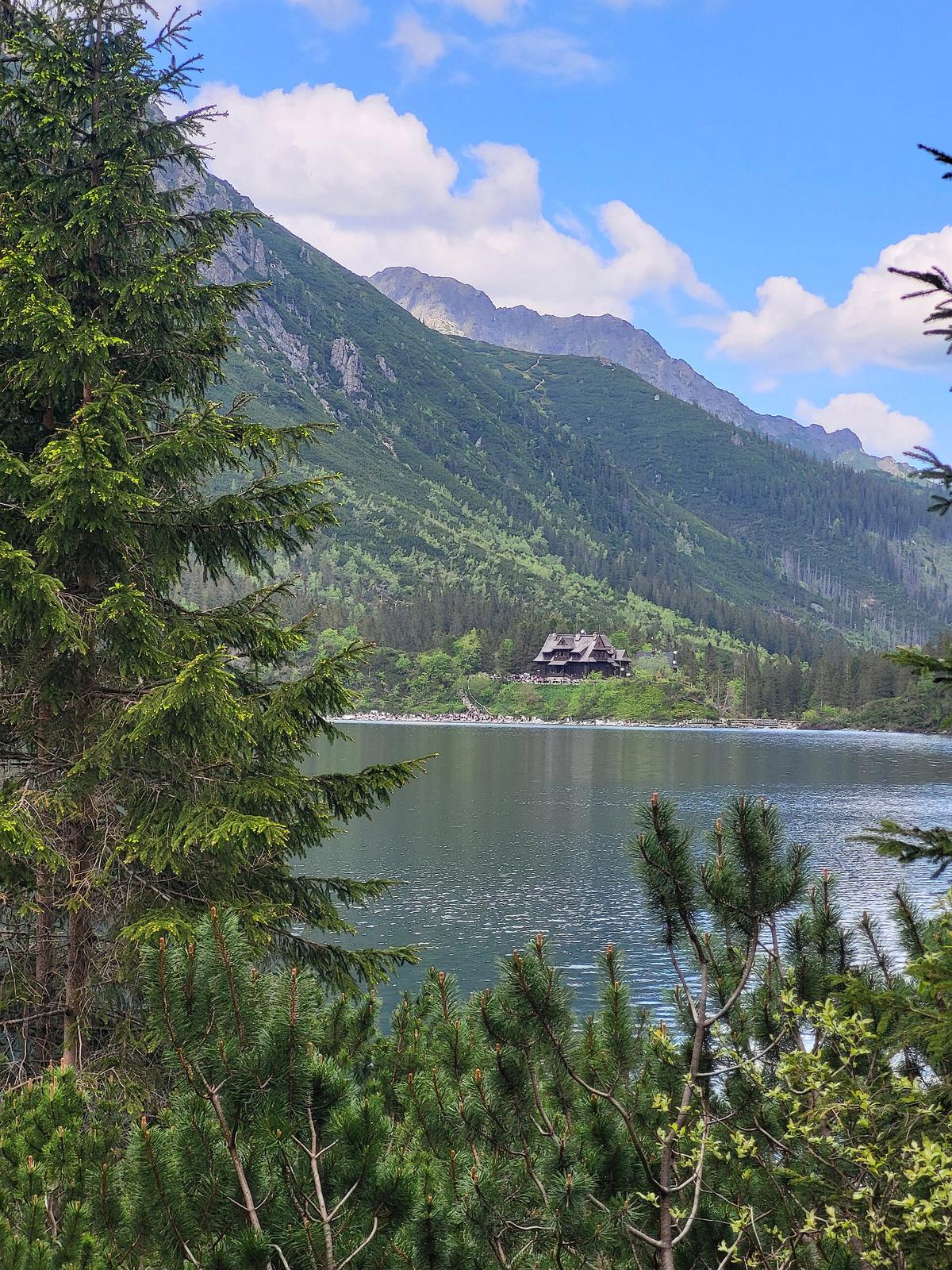
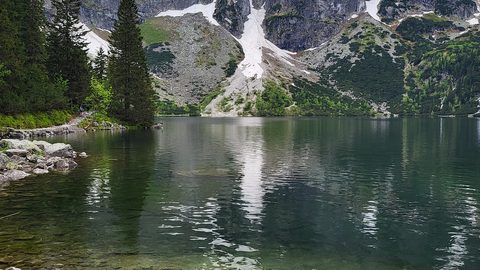
Base in Kraków for four nights. Day one covers Wawel Castle, book ahead, and the Old Town. Day two goes to Wieliczka Salt Mine; the train from Kraków Główny takes 20 minutes, book entry in advance. Day three is Auschwitz-Birkenau; a bus from Kraków takes 1.5 hours, timed entry is mandatory, book weeks ahead. Day four moves to Zakopane via a 3 hour 30 minute to 4 hour train ride through the Tatra foothills. Days five and six hike in the Tatras. Morskie Oko is a 30-minute minibus from Zakopane to the trailhead, then a 2-hour walk; it is crowded but iconic. Days seven through ten explore lesser-visited corners: the Bieszczady mountains in the southeast require a long drive from any major airport but deliver low visitor density and bare peaks, or stay in Kraków for day trips to Kazimierz Dolny and Zamość.
The Northern Circuit (10 Days)
Gdańsk for three nights. Day one covers the Hanseatic port, Gdańsk Shipyard, and the European Solidarity Centre. Day two is Malbork Castle, Europe's largest brick fortress, 30 minutes by train from Gdańsk, book ahead. Day three goes to the Hel Peninsula, a 2-hour train ride for Baltic beaches. Days four through seven shift to Masuria. This is car-dependent. The lake district offers sailing, kayaking, and forest silence. Seasonal from May to September, with peak crowds in July and August. Days eight through ten return to Gdańsk or redirect to Warsaw for the reconstructed Old Town and the Royal Łazienki Park.
| Region | Minimum Days | Best For |
|---|---|---|
| Warsaw only | 2–3 | History, museums, business travel |
| Kraków only | 2–4 | Medieval core, Jewish heritage, nightlife |
| Warsaw + Kraków | 5–7 | First visit, cultural highlights |
| Gdańsk + Malbork + Coast | 3–4 | Baltic maritime, Gothic brick, seaside resorts |
| Wrocław only | 2–3 | Student city, mixed German-Polish heritage, canals |
| Masuria Lake District | 4–7 | Sailing, kayaking, forest (car required) |
| Tatra Hiking | 3–5 | Alpine trails, Zakopane base, high domestic demand |
| Bieszczady Hiking | 4–7 | Remote trails, solitude, minimal public transport |
| North-to-South (Baltic to Tatras) | 14–21 | Full country traverse, all macro regions |
Poland Regional Contrasts: Ten Distinct Polands in One Country
Poland is not one destination. It is ten, and the traveller who treats it as a single unit misses the point. The regional contrasts are stark enough that a visitor moving from Gdańsk to Kraków effectively changes country.
Mazovia and the Capital
Mazovia holds Warsaw, the flat, rebuilt post-1945 capital with large green spaces along the Vistula and a business-driven energy. Lesser Poland contains Kraków's intact medieval core, the Wieliczka Salt Mine, and the wooden churches of the countryside. Silesia is Katowice's post-industrial revival, a music and design scene rising from coal country.
The Baltic and the Lakes
Pomerania runs the Baltic coast, Gdańsk's Hanseatic brick, and the shifting sand dunes of Słowiński National Park. Warmia-Masuria is the lake district, a sailing and kayaking base, largely car-dependent. Podlasie sits on the eastern wild edge: Białowieża Forest, bison, Orthodox wooden icons, and a low international visitor share.
West, Mountains, and Highlands
Greater Poland starts around Poznań, the Renaissance core and birthplace of the Polish state. Lower Silesia centres on Wrocław, a city of islands and the Sudetes mountains, with mysterious castles like Książ and fairy-tale Moszna. Subcarpathia holds the Bieszczady's bare peaks and remote solitude. The Tatra foothills around Zakopane deliver highland culture and crowded trails, with alpine hiking in summer and skiing from December to March.
Each region demands a different travel style. Masuria and Bieszczady require a car. Podlasie demands slow travel and low infrastructure tolerance. The Tatra region, especially Zakopane, is crowded in July and August. The Baltic coast peaks in the same months, with many seasonal facilities closed outside June through September. Wrocław and Poznań work year-round as city breaks.

Budget Travel Poland: Where the Złoty Stretches
Poland is one of the few European destinations where a budget traveller can eat well, sleep centrally, and see major sites without financial stress. The Polish złoty trades at roughly 4.2 to 4.5 to the euro and 3.8 to 4.0 to the US dollar, depending on the season. That exchange rate, combined with local pricing, makes Poland a genuine budget destination for anyone coming from Western Europe, North America, or Australia.
Eating Cheap
Eat at milk bars. These canteen-style restaurants serve pierogi, soup, and mains for 15 to 25 PLN. They are cheap, authentic, and often cash only. A full meal with compote costs less than 40 PLN. For street food, zapiekanka from a Kraków window hatch runs 10 to 15 PLN. Obwarzanek, Kraków's twisted ring bread, costs around 2 PLN from a street vendor. Lody naturalne, artisan ice cream, is 5 to 8 PLN per scoop.
Sleep and Seasonality
Accommodation in Warsaw and Kraków can be found for 100 to 150 PLN per night in a decent guesthouse outside the immediate Old Town. Hostels run 40 to 70 PLN for a dorm bed. Gdańsk is slightly more expensive in summer. Rural Podlasie and Masuria offer lower rates but require a car to access them. Book ahead for peak season July and August, and for Majówka the first week of May.
Attractions and Transport Costs
Entry to major landmarks is not free, but it is affordable. Wawel Castle, Malbork Castle, and Wieliczka Salt Mine each charge 30 to 60 PLN for standard tickets. Auschwitz-Birkenau is free of charge for entry, but timed reservations cost nothing and must be booked weeks ahead. The main cost in Poland is transport. A Pendolino ticket from Warsaw to Kraków booked in advance runs 70 to 120 PLN. A last-minute ticket costs double. Book via the KOLEO app as soon as plans are fixed.
The One Mistake Almost Every Traveller Makes
The most common error on a first visit is the Kraków-Warsaw-Gdańsk sprint in seven days. It looks efficient on a map. In reality it becomes a train marathon. The traveller spends half the trip on Pendolino carriages, sees the Old Towns at a run, and misses the distinct character of the east, the mountains, and the lake districts entirely. Poland's physical size catches them. The distance from Zakopane in the south to the Hel Peninsula in the north is roughly 700 kilometres. That is a nine-hour drive or a six-hour train ride with a change in Warsaw. Doing it in a week means two full days in transit.
The fix is simple. Stay in one macro region for the full trip. Spend ten days in the south and see Kraków, the Tatras, Wieliczka, and Auschwitz properly. Or spend ten days in the north and cover Gdańsk, Malbork, the Baltic coast, and Masuria. If you have fourteen days or more, attempt a north-south traverse. Anything less, pick a direction and commit.
Poland suits history buffs, especially those interested in WWII and Jewish heritage. It suits budget-conscious explorers who want strong value. It suits off-the-beaten-path seekers tired of Western Europe. It suits foodies after hearty, evolving cuisine and slow travellers who enjoy mixing cities with countryside. It is not for resort beach holiday seekers expecting Mediterranean-style coasts. It is not for travellers who want seamless English everywhere outside major cities. And it is absolutely not for anyone on a whirlwind multi-country sprint who cannot allocate enough time. That traveller should skip Poland rather than shortchange it. A sprint does not deliver the dense history, the warmth, or the natural beauty. It delivers a train seat and a missed connection.
Common Questions
Is Poland safe for tourists?
Yes. Poland is a safe country for travellers. The UK Foreign, Commonwealth and Development Office maintains a travel advisory for the whole country plus border zones with Belarus, Ukraine, and Russia (Kaliningrad), but standard precautions apply in cities. Petty theft exists in crowded tourist areas in Kraków and Warsaw, nothing more.
How much does a trip to Poland cost per day?
A budget traveller using milk bars, public transport, and hostels can manage around 150 to 200 PLN per day (roughly 35 to 50 EUR). A mid-range traveller spending on sit-down restaurants, private rooms, and attraction entry fees should budget 300 to 500 PLN per day. Poland offers strong value compared to Western Europe.
Do I need a visa to visit Poland?
EU, EEA, and Swiss citizens need no visa. UK, US, Canada, Australia, New Zealand, Japan, South Korea, and many Latin American nationals can enter visa-free for short stays. Other nationalities require a Schengen visa. Non-EU nationals need a passport valid for at least three months beyond the intended departure date.
What is the best time to visit Poland?
May, June, and September offer the best balance of weather and crowd levels. July and August bring peak pricing and crowds, especially in Kraków, Gdańsk, and Zakopane. Avoid the first week of May (Majówka) and Corpus Christi, when domestic travel surges. November is grey and wet, and many outdoor attractions feel lifeless.
Can I drink tap water in Poland?
Yes. Tap water is safe to drink in all urban areas. Rural wells and private supplies are not guaranteed, but municipal water poses no risk.
What plug type is used in Poland?
Type E, the French-style plug with two round pins and an earthing clip. Mains voltage is 230 V at 50 Hz. Bring an adapter if your devices use a different standard.
Is English widely spoken in Poland?
In major cities and among the under-40s, English proficiency is good. In rural areas and among the over-60s, English drops sharply. Google Translate camera mode is essential outside tourist centres.
Read next
-
 Staying Connected in Poland, from eSIM to a Paper Map Backup
Poland's connectivity splits sharply between city squares with free Wi-Fi and rural dead zones. Here's how to choose between eSIM, local SIM, or neither.
Staying Connected in Poland, from eSIM to a Paper Map Backup
Poland's connectivity splits sharply between city squares with free Wi-Fi and rural dead zones. Here's how to choose between eSIM, local SIM, or neither.
-
 Best Time to Visit Poland, What Each Season Actually Does
Summer brings long days and festivals but peak crowds in Kraków and Zakopane. November is grey and wet. Here is what each season actually delivers.
Best Time to Visit Poland, What Each Season Actually Does
Summer brings long days and festivals but peak crowds in Kraków and Zakopane. November is grey and wet. Here is what each season actually delivers.
-
 Getting Around Poland, Trains, Tickets, and What the Map Oversells
Polish trains connect the country well, but operator-specific tickets and mandatory seat reservations on EIP services trip up the unprepared.
Getting Around Poland, Trains, Tickets, and What the Map Oversells
Polish trains connect the country well, but operator-specific tickets and mandatory seat reservations on EIP services trip up the unprepared.
-
 Poland Visa Rules, Who Needs One and How the Schengen Process Works
Poland is part of the Schengen zone. Most Western passport holders get 90 days visa-free, but the rules change for others — here is exactly who needs what.
Poland Visa Rules, Who Needs One and How the Schengen Process Works
Poland is part of the Schengen zone. Most Western passport holders get 90 days visa-free, but the rules change for others — here is exactly who needs what.
-
 Money in Poland, Złoty, Cards, and Where Cash Still Wins
Poland runs on the złoty, not the euro. Cards work in cities, but milk bars, rural shops, and Sunday closures mean cash still matters.
Money in Poland, Złoty, Cards, and Where Cash Still Wins
Poland runs on the złoty, not the euro. Cards work in cities, but milk bars, rural shops, and Sunday closures mean cash still matters.
-
 Is Poland Safe, Reading the Advice Without Being Misled by It
Poland is broadly safe with low violent crime. The real risks are plain-clothes ticket inspectors, jaywalking fines, and the language barrier in rural emergencies.
Is Poland Safe, Reading the Advice Without Being Misled by It
Poland is broadly safe with low violent crime. The real risks are plain-clothes ticket inspectors, jaywalking fines, and the language barrier in rural emergencies.
-
 A Ground-Level Logistics Guide to Independent Travel in China
First-time independent travel in China: what you need to know about visas, rail booking, eSIMs, mobile payments, and power adapters.
A Ground-Level Logistics Guide to Independent Travel in China
First-time independent travel in China: what you need to know about visas, rail booking, eSIMs, mobile payments, and power adapters.
-
 How Solo Travelers Stay Ahead of Flight Delays and Cancellations
How solo travelers can track inbound aircraft, claim rebooking rights, and adjust ground transport when flights go wrong — step by step.
How Solo Travelers Stay Ahead of Flight Delays and Cancellations
How solo travelers can track inbound aircraft, claim rebooking rights, and adjust ground transport when flights go wrong — step by step.
-
 Why Your eSIM Might Not Work Abroad and How to Check Before You Go
Buying an eSIM doesn't guarantee signal abroad. Learn why coverage fails by location and how to verify reach before you commit to a plan.
Why Your eSIM Might Not Work Abroad and How to Check Before You Go
Buying an eSIM doesn't guarantee signal abroad. Learn why coverage fails by location and how to verify reach before you commit to a plan.