Vienna Hotels: What Each Price Band Delivers Across the City
Vienna hotel price bands deliver distinctly different experiences. Here is what each band actually gets you, from building type to seasonal pricing patterns.
Vienna Hotels: What Each Price Band Delivers Across the City
What The Extra Spend Actually Buys
Most travellers assume a higher hotel price in Vienna buys a bigger room. It does not. The price difference between bands is multiplicative. Luxury runs five to ten times the cost of budget for the same dates. What that surcharge actually gets you is control over time, temperature, and quiet. The real question is which trade-offs you will accept, not which room you can afford. Vienna hotel price bands stack by facility type, not by square metres. The city’s seasonal demand pattern means the same room costs dramatically more or less depending on when you arrive.
What You Actually Get in Each Band
Budget And Mid-Range
Budget stays in Vienna, hostels and dormitory-style rooms, serve a narrow purpose: a locked bed, a shared bathroom, free Wi‑Fi. Nothing else. No cooling, no on‑site restaurant, no front desk after a certain hour. You trade comfort for location access. Most budget stock clusters in Favoriten and the outer districts 21st and 23rd, where public transport time to Stephansplatz stretches beyond 30 minutes.
Mid-range places shift the deal. You get a private bathroom, cooling, and free Wi‑Fi, but front desk hours are limited and the building is a converted residential block rather than a dedicated hotel. Wieden, Margareten, Mariahilf, Neubau and Josefstadt carry the bulk of this stock. The room will be compact. The lift may be small. Street noise can be significant on the lower floors.
Upscale And Luxury
Upscale hotels add a 24‑hour front desk, an on‑site restaurant, and a fitness room. Cooling is standard. You sleep in a purpose-built hotel with a lobby that functions at 02:00. These concentrate in Landstraße, Leopoldstadt, and Alsergrund, with a strong presence in the Innere Stadt at a price premium.
Luxury hotels and palace conversions multiply the upscale package: multiple restaurants, a spa, concierge, valet parking. The building is almost certainly in the Innere Stadt or directly adjacent. The room is not necessarily larger than a good upscale room, but the ratio of staff to guest is higher, the soundproofing is better, and the check‑in process involves a seat and a drink rather than a queue at a counter.
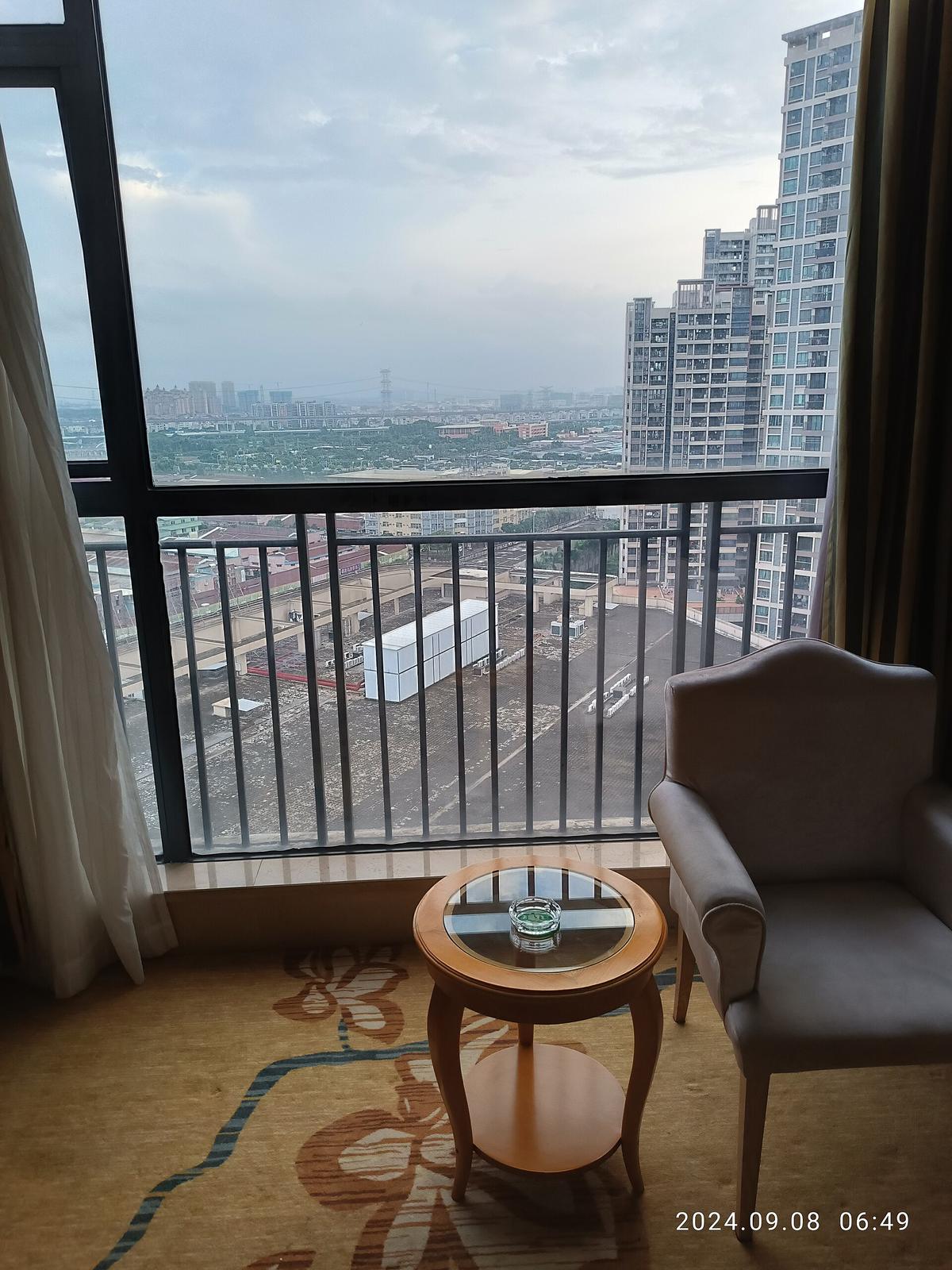

Vienna Accommodation: What to Expect for Your Money
The Cooling Question And The Seasonal Swing
The single biggest surprise for visitors is cooling. It is not universal even in mid-range places, and in July and August Vienna’s heat sits heavy in stone buildings that hold the day’s warmth until dawn. If you arrive in high summer, confirm the unit exists and works. Many mid-range apartments list cooling in the amenity line but deliver a portable unit that struggles to cool one room.
The seasonal swing matters more than the district. January and February rates drop sharply. Late spring and early autumn see high demand at standard pricing. December weekends, especially those overlapping Advent markets, push rates toward the year’s peak. Trade fair periods at Messe Wien create extreme demand spikes that cause near sell‑out conditions in central districts. Book early for those windows. The same urgency does not apply to standard rooms in mid-range and upscale places outside event periods.
Pick Your District
District choice is the lever you pull hardest. The Innere Stadt offers maximum walkability to Stephansdom, Hofburg, and the Albertina, but the district quiets after 20:00, restaurants close early, and the streets feel empty. Leopoldstadt puts you next to the Prater and Danube Island with a mix of mid-range and upscale options. Landstraße gives you the Belvedere and the main railway station, useful for day trips to Melk Abbey or Bratislava.
Mariahilf and Neubau trade calm for convenience: the shopping street and Naschmarkt create noise but also late‑evening life. If your priority is food, Margareten delivers the best-value finds in a gritty-hip setting where accommodation skews mid-range and apartment‑heavy. If you are older or value flat terrain and quiet streets, Josefstadt and Alsergrund make sense: bourgeois, intimate, tram‑connected.
| Band | Typical Facilities | Likely Districts | Air Conditioning | Front Desk |
|---|---|---|---|---|
| Budget | Shared bathroom, free Wi‑Fi, no restaurant | Favoriten, outer districts 21st–23rd | No | Limited hours or absent |
| Mid‑range | Private bathroom, free Wi‑Fi, no restaurant | Wieden, Margareten, Mariahilf, Neubau, Josefstadt | May be present but not guaranteed | Limited hours |
| Upscale | Private bathroom, free Wi‑Fi, on‑site restaurant, fitness room | Landstraße, Leopoldstadt, Alsergrund, Innere Stadt | Standard | 24‑hour |
| Luxury | Private bathroom, free Wi‑Fi, multiple restaurants, spa, concierge, valet parking | Innere Stadt and adjacent | Standard | 24‑hour |
Vienna Hotel Budget Categories: How to Read Any Listing
Ignore The Stars, Check The List
When you open a booking page for Vienna, ignore the star rating. Star ratings in Austria follow national standards, but a 3‑star hotel in a 19th‑century building with no lift and no cooling is still a 3‑star hotel. Instead, check the facility list for three things: cooling, front desk hours, and whether the place has an on‑site restaurant. Those items define the band more cleanly than stars. Then look at the cancellation policy pattern. Mid-range and upscale places commonly offer flexible cancellation up to 24 to 48 hours before arrival, with a non‑refundable rate at a discount. Budget stays often require full prepayment.
Check‑in runs 14:00 to 15:00. Check‑out runs 10:00 to 12:00. Arrive earlier and most places will hold your luggage but not guarantee early entry.
Taxes, Fees And Payment
Taxes add 10% VAT on accommodation plus a local Ortstaxe set annually by the City of Vienna. The exact rate lives on wien.gv.at, and it applies as a percentage of the net room rate. Service charges and resort fees are rare. Confirm at booking. Payment usually requires a credit card guarantee. Some budget places demand prepayment. If a listing says “cards accepted” but does not specify Visa or Mastercard, assume cash is the fallback. Many smaller mid-range apartments in Margareten and Wieden still operate cash‑first.
Vienna Hotel Value Guide: When to Pay More and When to Stay Cheap
The Mid-Range Sweet Spot
The value inflection point in Vienna is mid-range with confirmed cooling and a district that puts you within a 10‑minute U‑Bahn ride of Stephansdom. Paying upscale rates buys you a 24‑hour front desk and a restaurant. That matters if your flight lands at 22:00 and you need dinner after the Innere Stadt kitchens have closed. Luxury rates buy proximity and soundproofing, not space. If you plan to be out from breakfast to after the opera, a mid‑range apartment in Neubau with a solid lock and a working cooler delivers the same sleeping experience for a fraction of the cost.
Book Early Or Book Late
The seasonal demand pattern punishes spontaneity. Need a room during Messe Wien trade fairs, Advent weekends, New Year, the Vienna Opera Ball period, or summer music festival dates? Book three to six months ahead. Outside those windows, standard rooms in mid-range and upscale places do not require early booking. The same principle applies to district pricing. The Innere Stadt commands a premium worth paying only if you genuinely plan to walk everywhere and eat early. If you intend to use the U‑Bahn, and you should, because assuming Vienna is a compact walking city is the mistake that costs visitors hours, stay in Leopoldstadt, Landstraße, or Neubau and spend the savings on Tafelspitz at Plachutta.

Vienna Hotel Standards by Price: the Local Frictions That Change the Experience
The Rules You Will Bump Into
Vienna’s formal, orderly beauty runs counter to the Gemütlichkeit many visitors expect. The city’s public etiquette is sharp. Locals will glare if you cross against a red pedestrian light on an empty street. Restaurants in the Innere Stadt close by 22:00 on weeknights, shrinking late dining options dramatically. Public toilets are sparse and cost €0.50 or €1, requiring exact coins or contactless payments that sometimes fail. These frictions matter more in budget stays, where you have no on‑site restaurant and no 24‑hour front desk to ask for directions to a working toilet or a late‑night Würstelstand. The Käsekrainer at Bitzinger by the Albertina is open late. Getting there from a budget hotel in Favoriten involves a U‑Bahn ride and a 10‑minute walk through streets that feel safe but empty.
Adapt Or Pay Up
If you book a mid-range apartment in Mariahilf or Neubau, expect stairs and street noise. Vienna’s mid-range stock lives in converted residential buildings where the ground‑floor restaurant is unrelated to the hotel. Your key may be in a lockbox, and the front desk may be staffed only 08:00 to 16:00. That works fine if your flight arrives during those hours. It fails completely if it does not. Upscale and luxury places eliminate these variables. The question is whether you need to pay for that elimination or whether you are willing to adapt your schedule to Vienna’s rhythms.
Your Next Step
Open a booking site. Filter by cooling and a front desk that matches your arrival hour. Then compare the same property across two dates: a random Tuesday in February and a Saturday in December. The price gap tells you everything about whether your travel dates are competing with a trade fair or a Christmas market crowd. A small gap means flexibility. A large gap means lock in the room now and spend the difference on a proper dinner at a Gasthaus where the Frittaten Suppe comes first.
Frequently Asked Questions
Will I need air conditioning in Vienna?
Yes, if you travel in July or August. Many mid-range places lack it or supply a weak portable unit. Confirm it works before booking. Outside summer, you can skip it.
Which district gives the best value for a mid-range traveller?
Margareten, Neubau, and Leopoldstadt. They offer mid-range pricing with good U‑Bahn connections to Stephansplatz. You trade walking time for a steep discount on Innere Stadt rates.
When do Vienna hotel prices spike hardest?
During Messe Wien trade fairs, Advent weekends, New Year, the Vienna Opera Ball, and summer music festivals. Book 3 to 6 months ahead for those dates or expect near sell‑out conditions.
Can I pay with card everywhere?
No. Many mid-range and budget places and restaurants operate cash‑first. A 'cards accepted' sign does not guarantee Visa or Mastercard. Carry small notes.
Read next
-
 Where to Stay in Vienna District by District and What Each Costs You
Where to stay in Vienna depends on what you are willing to trade off. Each district costs you something different in time, money, and atmosphere.
Where to Stay in Vienna District by District and What Each Costs You
Where to stay in Vienna depends on what you are willing to trade off. Each district costs you something different in time, money, and atmosphere.
-
 Flying into Vienna airport and getting to the city without a mistake
Vienna airport offers four ways into the city, and the wrong choice can cost you time or money.
Flying into Vienna airport and getting to the city without a mistake
Vienna airport offers four ways into the city, and the wrong choice can cost you time or money.
-
 What to Do in Vienna Ordered by Whether It Is Worth the Time
Three full days is the minimum to see the core sights. Less forces a brutal trade-off between the imperial palaces and any sense of Vienna's neighbourhood lif
What to Do in Vienna Ordered by Whether It Is Worth the Time
Three full days is the minimum to see the core sights. Less forces a brutal trade-off between the imperial palaces and any sense of Vienna's neighbourhood lif
-
 When to Visit Vienna and What Each Season Does to the City
At 16:30 in mid-December, the Rathausplatz Christmas market is already shoulder to shoulder. You cannot move freely; you shuffle.
When to Visit Vienna and What Each Season Does to the City
At 16:30 in mid-December, the Rathausplatz Christmas market is already shoulder to shoulder. You cannot move freely; you shuffle.
-
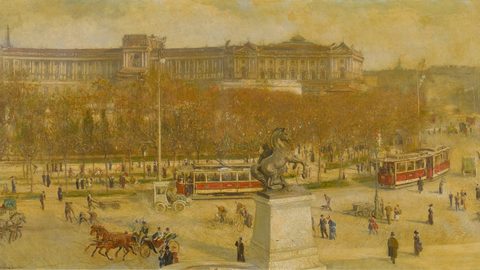 Getting Around Vienna Without Wasting Half Your Trip on Foot
Most visitors waste the first hour of their Vienna trip standing on a tram platform, ticketless, watching the doors close.
Getting Around Vienna Without Wasting Half Your Trip on Foot
Most visitors waste the first hour of their Vienna trip standing on a tram platform, ticketless, watching the doors close.
-
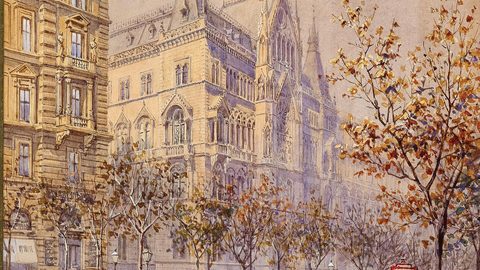 How to spend two or three days in Vienna without rushing or wasting time
Vienna's major sights are farther apart than they look on a map. This itinerary groups them by U-Bahn line so you spend your days seeing the city, not walking
How to spend two or three days in Vienna without rushing or wasting time
Vienna's major sights are farther apart than they look on a map. This itinerary groups them by U-Bahn line so you spend your days seeing the city, not walking
-
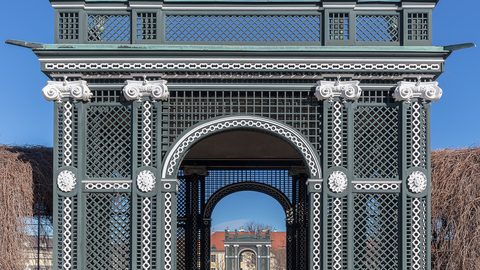 Austria Travel Guide, Imperial Cities and Alpine Valleys by Train
Austria pairs baroque imperial cities with Alpine valleys close enough to reach by train, making a week the minimum to experience both.
Austria Travel Guide, Imperial Cities and Alpine Valleys by Train
Austria pairs baroque imperial cities with Alpine valleys close enough to reach by train, making a week the minimum to experience both.
-
 Staying connected in Austria with eSIM, local SIM, or just hotel WiFi
Austrian mobile coverage vanishes in the places you need it most: deep Alpine valleys and high passes.
Staying connected in Austria with eSIM, local SIM, or just hotel WiFi
Austrian mobile coverage vanishes in the places you need it most: deep Alpine valleys and high passes.
-
 Best Time to Visit Austria for Cities, Lakes and Skiing Without Crowds
Austria's seasons dictate what's open: Christmas markets end on 24 December, the Salzburg Festival consumes July and August, and many hotels close the first
Best Time to Visit Austria for Cities, Lakes and Skiing Without Crowds
Austria's seasons dictate what's open: Christmas markets end on 24 December, the Salzburg Festival consumes July and August, and many hotels close the first