Picking the Vienna Best Time to Visit Through the Shifting Seasons
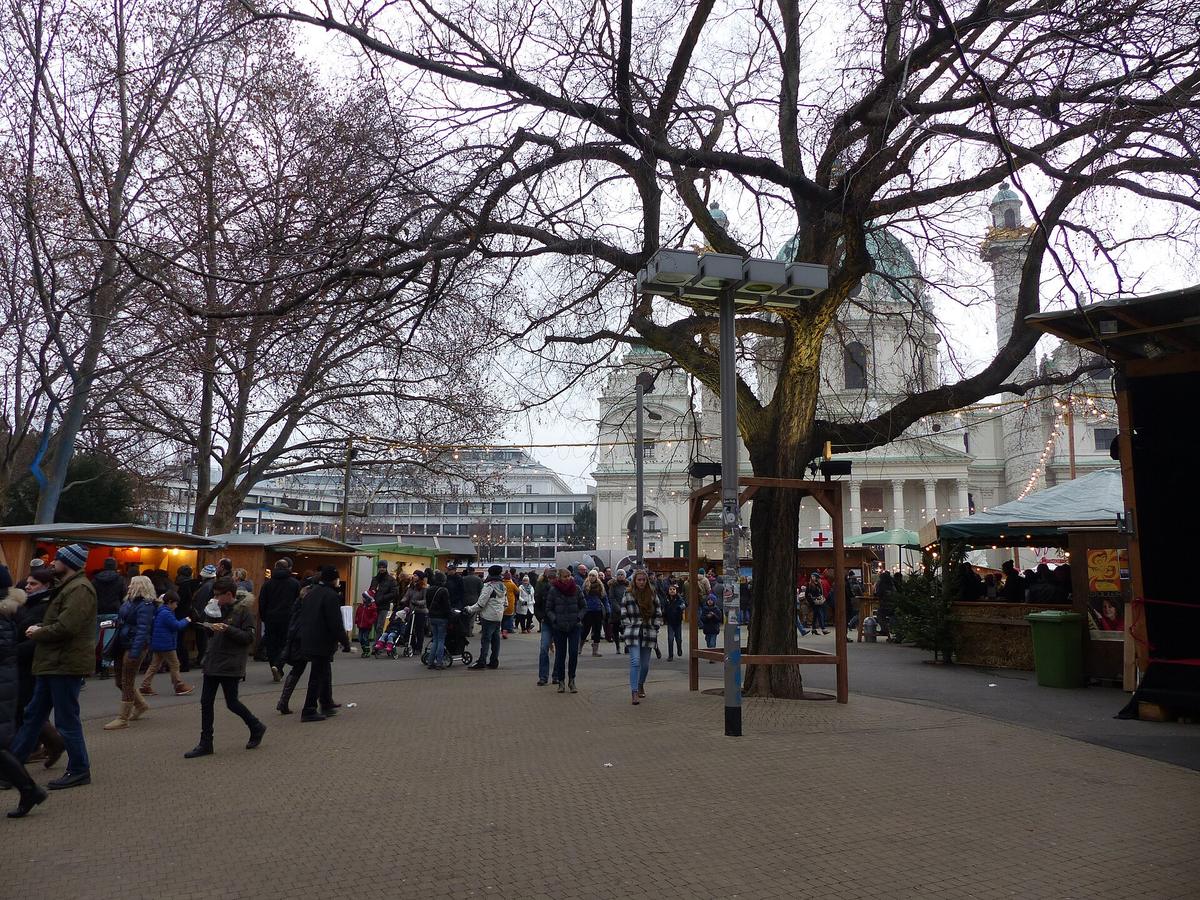
At 16:30 in mid-December, the Rathausplatz Christmas market is already shoulder to shoulder. You cannot move freely; you shuffle.
At 16:30 in mid-December, the Rathausplatz Christmas market is already shoulder to shoulder. You cannot move freely; you shuffle. By 18:00, the crowd density stops you reaching any mulled wine stand without a ten-minute wait. Vienna gives you something extraordinary in every season, but it always takes something back. The question is which trade-off you can tolerate.
Vienna Seasons Weather Guide: What the Calendar Actually Delivers
Vienna operates on four distinct seasons. Winters run cold with frequent overcast skies; overnight lows sit at -5 °C to 0 °C, and daytime highs rarely climb above 1 °C to 5 °C. Snowfall is irregular in the city centre but more reliable on the western and northern hills, most likely in January and February. Summer brings warm to hot conditions: typical highs are 25 °C to 30 °C, but heatwaves push past 35 °C. Overnight lows in summer run 15 °C to 18 °C. The heat does not really break until early morning. Spring and autumn are highly variable, with rapid swings between sunshine and rain. A sporadic warm dry downslope wind called the Föhn is most common in these shoulder months and can raise temperatures by 10 °C to 15 °C within hours. Rain falls year-round, but the highest monthly totals arrive May through August, often as late afternoon thunderstorms.
Daylight Hours You Actually Get
Late December delivers roughly 8 hours 20 minutes of daylight. Late June gives you approximately 16 hours. That difference changes everything about how you schedule your days. In winter, you lose the light by 16:00. In summer, you can start a museum at 09:00, take a break through the afternoon heat, and still have daylight for a Danube Island walk at 20:30.
| Season | What You Gain | What You Lose |
|---|---|---|
| April–May, September–October | Mild weather, manageable crowds, full museum schedules | Peak season prices, need to book accommodation and tickets well ahead |
| December | Christmas market atmosphere, mulled wine, festive lighting | Weekend crowds pack the markets to immobility, hotel rates spike |
| July–August | 16 hours of daylight, outdoor pools and lidos open, free film festival at Rathausplatz | Peak heat, peak tourist crowds, un-air-conditioned museum queues, some independent restaurants close for holiday |
| Winter (January–February, November outside December) | Quiet streets, lower prices, ball season atmosphere, ice skating | Reduced daylight, some attractions on shorter hours, cold and overcast days |
Vienna Christmas Markets Crowds: What December Actually Feels Like
The Christmas market at Rathausplatz opens mid-November and runs to 23 December. A handful of smaller markets continue to 26 December or 31 December. The problem is not the market itself. The problem is that on Saturdays and Sundays during the festive month, the popular markets reach a density where you cannot stop walking without being bumped. Lap children are at eye level with hot Glühwein cups. The crowd flow through narrow market lanes is slow. The queue for any food or drink stall runs five to fifteen minutes. If you want the atmosphere without the crush, visit on a weekday evening after 20:00, or go in the first week of the month before school holidays begin. The two-week Christmas and New Year school holiday period packs the markets hardest.
Vienna Summer Heat July August: When the City Bakes and the Museums Fill Up
July and August bring daytime highs of 25 °C to 30 °C as a baseline, but heatwaves regularly exceed 35 °C. Many museums in Vienna still operate without air conditioning in their historic galleries. The Kunsthistorisches Museum, the Albertina, and the Leopold Museum all have spaces where the air gets thick by mid-afternoon. You queue for tickets in the heat, then queue again inside. The city compensates with outdoor options: the Danube Island beach areas are accessible year-round, with lifeguard-supervised swimming June to August. The Donauinselfest, a free open-air music festival, runs three days in late June. The Film Festival at Rathausplatz offers free outdoor screenings of music and opera films nightly from July to early September. The ImPulsTanz contemporary dance festival runs five weeks through July and August. A practical problem in August: the summer holiday exodus means some independent restaurants and shops close for one to three weeks. The local population drops noticeably late July through August. Neighbourhood spots you planned to try may be shuttered.
Museum Strategies For Hot Months
Book timed entry tickets online for the Belvedere and Schönbrunn Palace before you arrive. The Belvedere requires advance booking for Klimt's The Kiss anyway. Schönbrunn's Grand Tour also needs a timed ticket. Arrive at the Kunsthistorisches Museum when it opens at 10:00 and head straight to the Old Masters galleries on the top floor, which stay cooler longer. Skip the midday window entirely. Use the 16 hours of daylight to visit outdoor sights like the Prater and the Schönbrunn Palace Park, whose gates open daily with times tied to sunrise and sunset.
.jpg)

Vienna Spring Autumn Travel: the Sweet Spot with One Catch
April through May and September through October are Vienna's peak season for good reason. The weather is mild, the crowds are manageable, and the full museum schedule runs without interruption. The Vienna City Marathon lands in April. Easter markets run for two to three weeks before Easter at Schönbrunn and Freyung. The Heurigen wine taverns in the outer districts start opening mid-April through late October, with a core group staying open year-round. The catch is that these are also peak pricing periods. Hotel rates rise. Restaurants fill. Book accommodation and any high-demand restaurant like Plachutta for Tafelspitz at least two to three weeks ahead. The other catch is the Föhn wind: when it arrives, the temperature jump can throw off your packing. Layer for a day that starts at 12 °C and climbs to 27 °C by lunch.
What Changes In Each Shoulder Month
April and May bring the most rain along with the best flowers. The outdoor pools and lidos open roughly May to mid-September. September and October bring the harvest and the last warm weeks before winter. The Bratislava Twin City Liner catamaran runs late March to late October, so a day trip to the Slovak capital is an option in both spring and autumn. The Danube Island beach areas are accessible but not lifeguard-supervised outside June to August. Walk the Ringstraße circuit, which is 5.3 km, in the late afternoon light; the tram line 1 circles it from Oper to Schwedenplatz via Parlament and Schottentor if your feet give out.
One Thing That Will Derail Your Vienna Trip No Matter the Season
The most common mistake visitors make is assuming Vienna is a compact walking city. The Innere Stadt is walkable; Stephansdom to Hofburg is roughly 600 metres, and Stephansdom to the Staatsoper is roughly 500 metres. But major sights like Schönbrunn Palace and the Belvedere are far apart. You waste hours on foot when a ten-minute U-Bahn ride would connect you. Buy a 72-hour transport pass from a station machine or the WienMobil app. Validate a single ticket before boarding. Tickets are not sold on trams or buses. Buy the pass at the airport from the ÖBB or Wiener Linien machines, not from a third-party counter. Hofburg to Schönbrunn is 20 minutes on the U4 line, not a 90-minute walk. The failure case is standing at a tram stop in the rain with no ticket and the driver waving you off.
Common Questions
When is the quietest time to visit Vienna?
January and February outside ball season weekends, and November before the Christmas markets open. Reduced daylight and cold keep crowds low. Some museums close on the same weekday, and restaurants in the Innere Stadt often close by 22:00.
Are Vienna museums open on public holidays?
Most major museums remain open on public holidays, but some close on 24 and 25 December and 1 January. Check individual venue pages. Shops and supermarkets close completely on all 13 public holidays listed by the City of Vienna.
Does Vienna get too hot for sightseeing in summer?
Yes, heatwaves above 35 °C happen. Many museum galleries lack air conditioning. Schedule outdoor sights for early morning and evening, use the 16 hours of daylight, and book timed museum entry for opening hours.
When do Christmas markets start in Vienna?
Most open mid-November and run to 23 December. A few continue to 26 December or 31 December. The Rathausplatz market is the largest. Weekend crowds are extreme; go on a weekday evening after 20:00.
Read next
-
 Vienna Hotels What the Price Bands Actually Get You
Vienna hotel price bands deliver distinctly different experiences. Here is what each band actually gets you, from building type to seasonal pricing patterns.
Vienna Hotels What the Price Bands Actually Get You
Vienna hotel price bands deliver distinctly different experiences. Here is what each band actually gets you, from building type to seasonal pricing patterns.
-
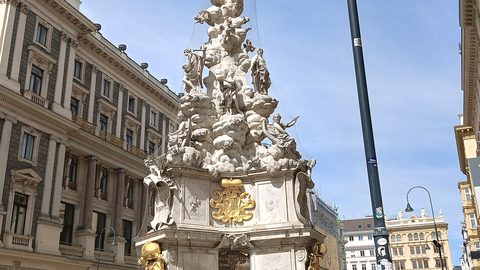 Where to Stay in Vienna District by District and What Each Costs You
Where to stay in Vienna depends on what you are willing to trade off. Each district costs you something different in time, money, and atmosphere.
Where to Stay in Vienna District by District and What Each Costs You
Where to stay in Vienna depends on what you are willing to trade off. Each district costs you something different in time, money, and atmosphere.
-
 Flying into Vienna airport and getting to the city without a mistake
Vienna airport offers four ways into the city, and the wrong choice can cost you time or money.
Flying into Vienna airport and getting to the city without a mistake
Vienna airport offers four ways into the city, and the wrong choice can cost you time or money.
-
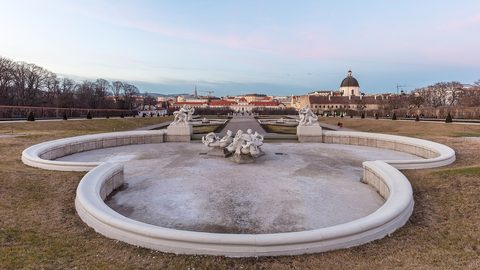 What to Do in Vienna Ordered by Whether It Is Worth the Time
Three full days is the minimum to see the core sights. Less forces a brutal trade-off between the imperial palaces and any sense of Vienna's neighbourhood lif
What to Do in Vienna Ordered by Whether It Is Worth the Time
Three full days is the minimum to see the core sights. Less forces a brutal trade-off between the imperial palaces and any sense of Vienna's neighbourhood lif
-
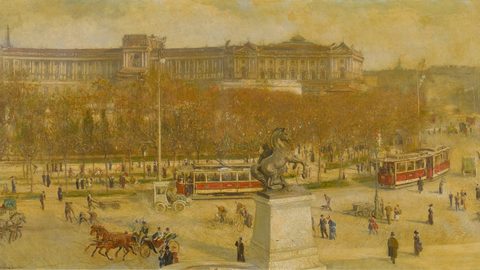 Getting Around Vienna Without Wasting Half Your Trip on Foot
Most visitors waste the first hour of their Vienna trip standing on a tram platform, ticketless, watching the doors close.
Getting Around Vienna Without Wasting Half Your Trip on Foot
Most visitors waste the first hour of their Vienna trip standing on a tram platform, ticketless, watching the doors close.
-
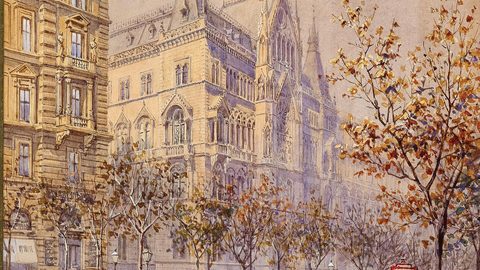 How to spend two or three days in Vienna without rushing or wasting time
Vienna's major sights are farther apart than they look on a map. This itinerary groups them by U-Bahn line so you spend your days seeing the city, not walking
How to spend two or three days in Vienna without rushing or wasting time
Vienna's major sights are farther apart than they look on a map. This itinerary groups them by U-Bahn line so you spend your days seeing the city, not walking
-
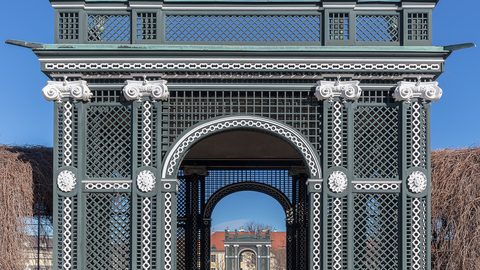 Austria Travel Guide, Imperial Cities and Alpine Valleys by Train
Austria pairs baroque imperial cities with Alpine valleys close enough to reach by train, making a week the minimum to experience both.
Austria Travel Guide, Imperial Cities and Alpine Valleys by Train
Austria pairs baroque imperial cities with Alpine valleys close enough to reach by train, making a week the minimum to experience both.
-
 Staying connected in Austria with eSIM, local SIM, or just hotel WiFi
Austrian mobile coverage vanishes in the places you need it most: deep Alpine valleys and high passes.
Staying connected in Austria with eSIM, local SIM, or just hotel WiFi
Austrian mobile coverage vanishes in the places you need it most: deep Alpine valleys and high passes.
-
 Best Time to Visit Austria for Cities, Lakes and Skiing Without Crowds
Austria's seasons dictate what's open: Christmas markets end on 24 December, the Salzburg Festival consumes July and August, and many hotels close the first
Best Time to Visit Austria for Cities, Lakes and Skiing Without Crowds
Austria's seasons dictate what's open: Christmas markets end on 24 December, the Salzburg Festival consumes July and August, and many hotels close the first