Mitte Berlin: What the Historic Core Is Like and Who It Actually Suits
Mitte packs Berlin's biggest sights into a walkable historic core, but the government quarter goes quiet after dark and Monday museum closures hit hard.
- Flag
-

- ISO code
- DE
- Currency
- EUR
- Timezone
- Europe/Berlin
Mitte Berlin is the Historic Core, but it is Not the Berlin You Imagine After Dark
Book Before You Fly
Book your Museum Island timed entry slot before you book your flight. The Pergamon Museum requires one. The Alte Nationalgalerie requires one. Every museum on the five museum ensemble operates timed entry, and in peak season slots sell out three weeks ahead. That is the single most useful fact about Mitte Berlin because this area holds more Tier 1 sights than any other part of the city, and the booking window is the difference between walking straight in and spending your morning queuing on the Spree canal edge.
Mitte Berlin is the central borough. It covers 39.47 square kilometres and holds roughly 397,000 people. That is a density of about 10,000 people per square kilometre, which sounds cramped until you walk Unter den Linden at 11:00 on a June Tuesday and realise half of them are visitors holding the same map. The Brandenburg Gate, the Reichstag, the Memorial to the Murdered Jews of Europe, the Berliner Fernsehturm, the DDR Museum, the Neue Synagoge, the Tränenpalast: they all sit inside this single borough. You can walk between most of them. The walkable radius from Hackescher Markt to the government area is about 30 minutes across, which is exactly why first-time visitors pick Mitte. They want to wake up, step onto the street, and see the Reichstag dome before breakfast.
The research says first-timers are surprised by how long it takes to get between neighbourhoods because there is no single walkable centre. That is true of Berlin as a whole. It is not true of Mitte. Mitte is the walkable centre. The problem is that the centre does not behave like one after sunset.
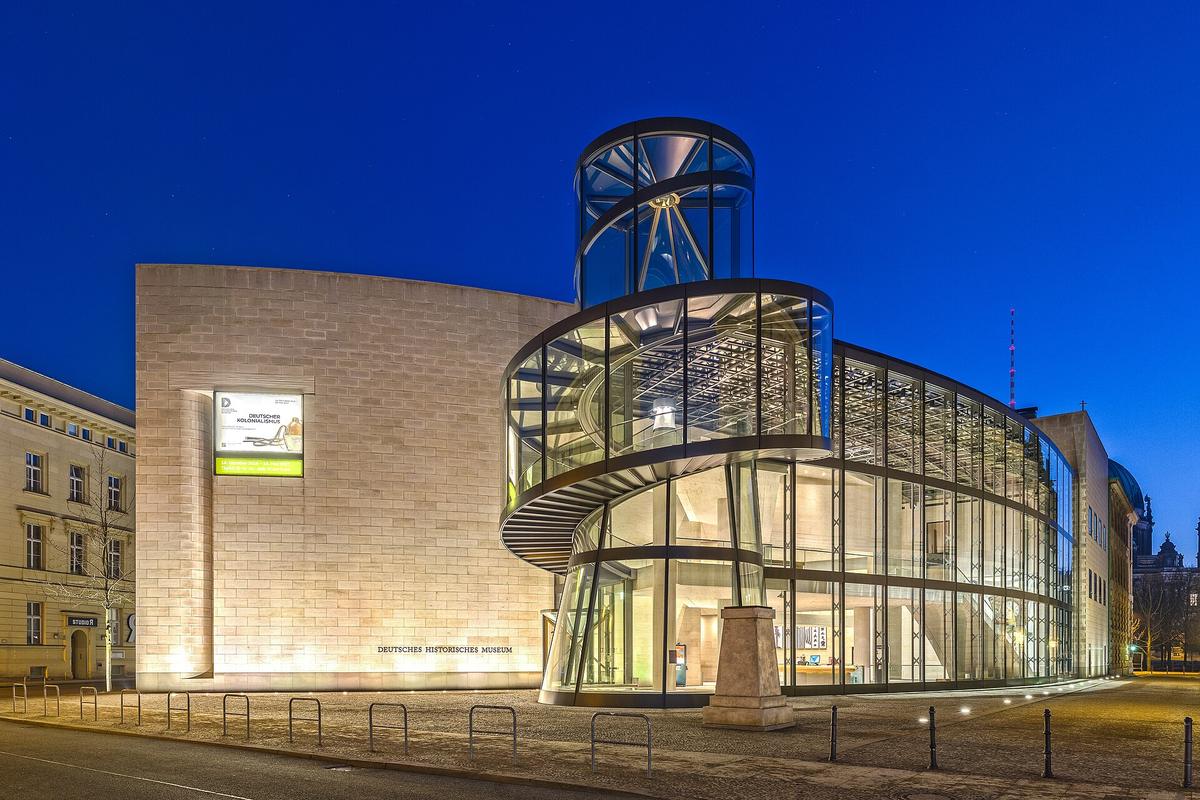

Berlin Mitte District: What it Actually Contains
The Six Localities
The Berlin Mitte borough breaks into six localities: Mitte, Tiergarten, Moabit, Hansaviertel, Wedding, and Gesundbrunnen. The name is confusing because the locality called Mitte is only one piece of the borough called Mitte. When a visitor says they are staying in Mitte, they usually mean the historic core around Unter den Linden, Museum Island, and Alexanderplatz. That core sits inside the Mitte locality. Tiergarten holds the embassy area and the 210 hectare Großer Tiergarten park. Moabit is a working class island now mixed with justice buildings and the Kriminalgericht Moabit. Wedding is rough edged and gentrifying. Gesundbrunnen is dense residential around the Gesundbrunnen Center and Volkspark Humboldthain. Hansaviertel is the post war modernist housing estate from the 1957 Interbau exhibition, designed by 53 architects from 13 countries including Alvar Aalto, Oscar Niemeyer, and Walter Gropius.
The Government Quarter After Dark
The government quarter, Regierungsviertel, runs along the Spreebogen. The Reichstag sits at Platz der Republik 1. The Federal Chancellery is at Willy Brandt Straße 1. This stretch is quiet after dark. That is not a flaw. It is a policy neighbourhood. The parliamentary restaurants close early. The sidewalks empty by 21:00. If you book a room on the Tiergarten edge expecting street life, you will spend your evenings watching the lights on the Reichstag dome from an empty pavement.
Staying in Mitte Berlin: Where to Book and What to Expect
Book Around Hackescher Markt
Staying in Mitte Berlin suits first-time visitors who want walkable access to the Brandenburg Gate, Museum Island, the Reichstag, and Alexanderplatz. The research names the visitor profile as first-timers, culture focused guests, business visitors, and short stay travellers. If you fit that profile, book a room near Hackescher Markt or Oranienburger Straße. Hackescher Markt is a pedestrianised square surrounded by the Hackesche Höfe, a warren of restored Art Nouveau courtyards with shops, galleries, and restaurants. This pocket has energy. It feels like a neighbourhood. The Neue Synagoge on Oranienburger Straße, built in 1866 and partly reconstructed, anchors the 19th century boulevard. Clärchens Ballhaus, established in 1913 at Auguststraße 24 25, still operates as a dance hall. Kunst Werke Berlin, the KW Institute for Contemporary Art at Auguststraße 69, draws a younger crowd. This part of Mitte stays active until the bars close around 02:00.
Where to Avoid
Avoid booking rooms on Friedrichstraße north of the Spree or in the government quarter around Platz der Republik. Those addresses are dead after office hours. The tourist density around Unter den Linden means you share the pavement with tour groups from 09:00 to 18:00, then the pavement goes quiet. Walk past the Memorial to the Murdered Jews of Europe at 22:00 and the field of concrete stelae sits empty under floodlights. That is atmospheric. It is also lonely if you want a drink after.
Mitte Berlin Sights: What to Book, What to Skip, What to Time
Book These in Advance
The Mitte Berlin sights list is the city checklist for most visitors. The Reichstag dome is free but advance online booking is mandatory. Book at least two weeks ahead in peak season. The Pergamon Museum holds the Ishtar Gate interior reconstruction and requires a timed entry slot. The Neues Museum holds the Nefertiti bust and also requires a timed slot. Museum Island as a whole was inscribed as a UNESCO World Heritage site in 1999. The five museums are the Altes Museum, Neues Museum, Alte Nationalgalerie, Bode Museum, and Pergamon Museum. You cannot see all five in one day. Pick two.
What Stays Open Monday
The Berliner Fernsehturm at Panoramastraße 1a, 368 metres high at Alexanderplatz, offers a viewing platform. Book ahead to skip the line. The DDR Museum offers an interactive look at daily life in East Germany and stays open until 20:00 most nights. The Tränenpalast, the former border crossing at Friedrichstraße station, is now a free museum about division and departure. The Neue Synagoge on Oranienburger Straße has a modest exhibition and a golden dome visible from the street.
Monday closures hit this area hardest. Most of the Museum Island museums are closed on Monday. The DDR Museum is open. The Reichstag is open. The Memorial to the Murdered Jews of Europe is open because it is an outdoor site. The underground exhibition beneath it, the Orte des Erinnerns, is closed on Monday. Plan your Tuesday through Sunday for museums and use Monday for outdoor landmarks, the East Side Gallery, or a day trip to Potsdam by S Bahn S7, 40 minutes from Hauptbahnhof.
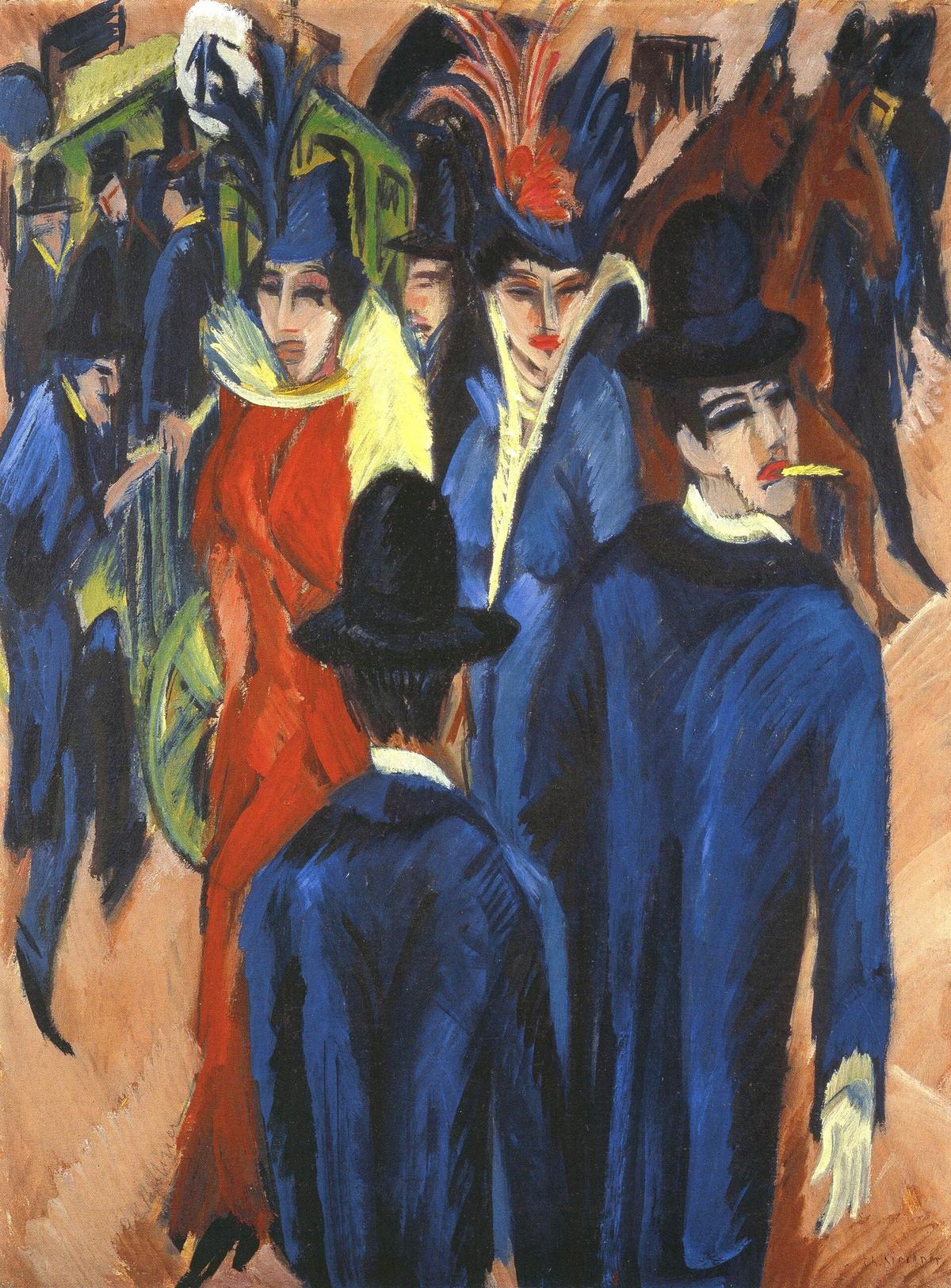

Mitte Berlin Walking Distance: the 30 Minute Rule
The Mitte Berlin walking distance from Hackescher Markt to the Reichstag is roughly 30 minutes. Brandenburg Gate to Museum Island is 15 minutes. Alexanderplatz to Gendarmenmarkt is 12 minutes. This is the only part of Berlin where you can spend a full day without using the U Bahn. The boulevard Unter den Linden runs 1.5 kilometres from the Brandenburg Gate to the Schlossbrücke, lined by Humboldt University at number 6, the Staatsoper Unter den Linden at number 7, and the Neue Wache memorial at number 4. The Gendarmenmarkt holds the Konzerthaus Berlin flanked by the Französischer Dom and the Deutscher Dom. The Nikolaiviertel, a reconstructed medieval core founded around 1200, sits near the Rotes Rathaus and Alexanderplatz.
The river Spree cuts through the borough. River boat services run from several jetties near the Berliner Dom and the Haus der Kulturen der Welt. The Berlin Spandauer Schifffahrtskanal adds a secondary water edge through Moabit. The Großer Tiergarten, 210 hectares, is walkable from the Reichstag, but crossing it adds 30 minutes to any route. Use the U Bahn for that.
Who Mitte Berlin Suits and Who Should Skip it
Mitte Berlin suits first-time visitors who want walkable access to Museum Island, the Reichstag, and the Brandenburg Gate. It suits culture focused guests who book museum timed slots in advance and accept that the area becomes quiet after dark. It suits business visitors based in the government quarter or near Berlin Hauptbahnhof who want a 15 minute walk to meetings. It suits short stay guests who only have two or three days and need the sights concentrated. The research confirms that the typical visitor profile is first-timers, culture focused, business visitors, and short stays.
Mitte Berlin does not suit nightlife purists. They belong in Friedrichshain, Kreuzberg, or Neukölln. It does not suit visitors seeking gritty authenticity because the monumental architecture around Unter den Linden and the government quarter feels institutional, not lived in. It does not suit budget travellers who expect cheap accommodation because the hotel density around the historic core inflates prices. It does not suit those who prefer a compact, instantly pretty old town because Berlin beauty is fragmented. Mitte has the density of sights. It does not have the village feel that characterises Prenzlauer Berg or the creative chaos of Neukölln. Book Mitte for access. Commute for everything else.
Common Questions
Is Mitte Berlin safe at night?
Yes. The government quarter and Unter den Linden are quiet but safe. Hackescher Markt and Oranienburger Straße have active street life until around 02:00. Standard urban caution applies around Alexanderplatz late at night.
How many days do I need to see Mitte Berlin?
Two days for the core sights in Mitte itself. Four days total for Berlin, because the city is sprawling. The research specifies a minimum of four days to cover the historical sights across the city and sample nightlife at least once.
Does Mitte Berlin have nightlife?
Hackescher Markt and Oranienburger Straße have bars and late restaurants. Clärchens Ballhaus has dancing. The area is not a nightlife destination. Kreuzberg, Friedrichshain, and Neukölln have the clubs. Budget 30 minutes on public transport to reach them.
What is the quietest part of Mitte Berlin?
The government quarter along the Spreebogen and the Tiergarten edge near the embassy buildings. Streets are empty after 20:00. This area suits business visitors and those who prefer silence over street noise.
Read next
-
 Berlin Hotels What the Price Bands Actually Get You
Berlin hotel prices cluster into distinct bands, and what you get for your money varies more by district and timing than by star rating.
-
 Where to Stay in Berlin by District and What Each Costs You
Where you stay in Berlin defines your trip more than in most cities. Each district has a distinct personality, price band, and real trade-off.
-
 Berlin Flights Flying Into BER Airport and Getting to the City
Berlin Brandenburg Airport is Berlin's sole airport. Here are the rail options—FEX, RE7, and S9—and the ticket rules for reaching the city centre.
-
 Berlin Things to Do Ordered by Whether It Is Worth the Time
Berlin's sights range from free and life-changing to time-consuming and skippable. Here is how to sort them by what actually repays the visit.
-
 When to Visit Berlin and What Each Season Does to the City
Berlin's seasons change more than the weather. They determine whether you get lakeside bars and street life or trade fair crowds and closed independent venues.
-
 Getting Around Berlin Without Wasting Half the Trip
Berlin is too sprawling to walk, and the BVG network is the only way to move efficiently. The catch is ticket validation, and getting it wrong costs you.
-
 Germany Travel Guide for People Who Like Things to Actually Work
Germany is a federation of 16 states with distinct identities, laws, and holiday calendars. This guide explains the structure before you plan a trip.
-
 Staying Connected in Germany With eSIM, Local SIM, or Roaming
Mobile data in Germany means navigating rural black spots, scarce free Wi-Fi, and mandatory passport registration for local SIM cards.
-
 When to Visit Germany and What Each Season Actually Delivers
Germany's travel seasons are defined by school holidays, trade fairs, and Christmas markets. Here is when to go and when to avoid.