Leopoldstadt: Vienna's second district across the Danube Canal
Leopoldstadt is Vienna's second district, home to the vast Prater park and the edgy Karmelitermarkt. It is the fastest-changing quarter in the city, and it feels it.
- Flag
-

- ISO code
- AT
Leopoldstadt: Vienna’s Second District Across the Danube Canal
Most visitors assume Vienna's second district is a single thing: the Prater. A giant Ferris wheel, a park, a few sausage stands, done. That assumption costs you half the district. Leopoldstadt splits cleanly into two halves, and the edge between them is what makes crossing the Danube Canal worth your time. The southern and eastern sweep is the 6 km² green lung of the Prater, a public park since 1766, when Joseph II opened the imperial hunting ground to everyone. The western fringe, between the canal and the tracks at Praterstern, is something else entirely: a dense, turn-of-the-century residential quarter that was once Vienna's Jewish heart and is now the city's fastest-gentrifying zone. This guide separates the two halves of Vienna's Leopoldstadt, shows you where the tension lives, and explains why the place is changing faster than any other corner of the capital.
Prater Riesenrad Vienna: the Historic Ferris Wheel and How to Ride it Well
Buying Tickets and Choosing Your Cabin
The Riesenrad is the district's most recognisable silhouette, but its reputation overshadows better options inside the Wurstelprater. Built in 1897, the wheel stands 64.75 m high, has 15 cabins, and takes roughly 20 minutes for a full rotation. Buy tickets at the kiosk on the ground, not through third-party booths on the concourse. Book ahead for a dinner cabin. The food is overpriced but the view over the Prater Hauptallee at dusk is worth it, when the 4.5 km avenue turns into a straight line of lights. If you skip the dinner option, ride on a Tuesday or Wednesday morning before 10:00. You will queue for under ten minutes.
Navigating the Wurstelprater
The Wurstelprater itself charges no entry fee: you pay per ride. That makes it a better afternoon than searching for a flat rate. Skip the souvenir photo package at the exit. The print quality is poor and the frames break before you leave the district.

Karmelitermarkt Vienna Leopoldstadt: the Market That Splits the Old Quarter from the New
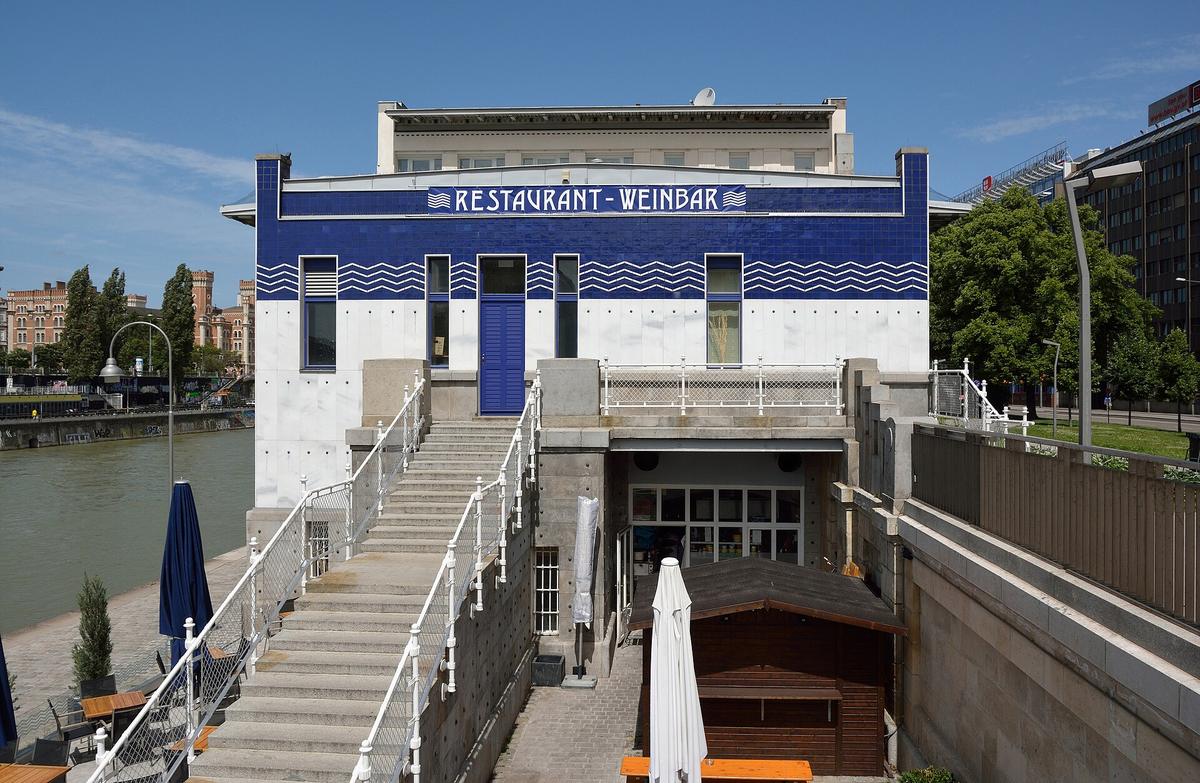
Karmelitermarkt sits at the junction of two Leopldstadts. On one side, the market has been the district's permanent food hub for generations, with stalls running Monday through Saturday. On the other, it has become the front line of gentrification. The flea market on Saturday is the best time to see the collision: elderly residents selling household goods next to pop-up stalls from new-wave coffee roasters. The food side is what you come for. Stallholders sell produce from the Marchfeld flatlands east of Vienna, and the Balkan and Middle Eastern influence reflects the waves of immigration that shaped this quarter after WWII.
How to Work the Market
Arrive by 09:00 on a weekday. Buy a paper cone of roasted pumpkin seeds from the central seed stall, and let the noise tell you which butchers and cheese sellers have the longest queues. Those queues are the ones worth waiting in. The market closes by 13:00 most days, and by 14:00 the square turns quiet. The mistake is arriving at 11:30 and finding half the stalls packing down.
Vienna Second District Gentrification: What is Actually Changing and Where to See it
The gentrification of Leopoldstadt is not a rumour. It is visible in the ground floor of every Gründerzeit apartment block between Taborstraße and the canal. Those late 19th-century buildings, with their tall windows and courtyard blocks, were undermaintained for decades. Now they are being gut-renovated, and the commercial frontages are filling with independent galleries, third-wave coffee counters, and natural wine bars. The shift started in the early 2010s. It accelerated when the U2 extension opened additional stations along Taborstraße and when Messe Wien began drawing a younger trade-fair crowd into the district.
A Walk Through the New Quarter
What this means for a visitor is a concentrated walkable zone, roughly ten minutes on foot from Schwedenplatz. Eat supper at a Balkan grill, walk 50 m to a cocktail bar in a former butcher shop, and find yourself in a platzl overhung by the two Flaktürme of Augarten. Those concrete WWII anti-aircraft towers are the bluntest symbol of the district's layering: a baroque garden from the 17th century, Nazi fortifications from the 20th, and a net of contemporary cafes grafting onto both.
Leopoldstadt Vienna Green Space: Beyond the Prater Into Augarten and the Danube Island
Augarten: The Local Alternative
Roughly half of the second district is green space, but that figure is dominated by the Prater's 6 km². For a quieter stretch, walk north from Karmelitermarkt to Augarten. At 52.2 ha, this baroque garden is a fraction of the Prater's scale, and that is its advantage. It attracts a local crowd: dog walkers, children from the neighbouring schools, and customers of Augarten Contemporary, the Belvedere-operated gallery inside the park. The garden also contains the Porzellanmanufaktur Augarten, the second-oldest porcelain manufacturer in Europe, founded in 1718. The factory store sells seconds at a discount, and the tour explains why the blue-and-white pattern became a status symbol in Habsburg dining rooms.
Donauinsel: The River Park
For a completely different kind of green, cross the Danube River via the Reichsbrücke and reach the Donauinsel. The island is 21.1 km of linear park, with designated bathing areas, barbecue zones, and cycle paths. Water quality is monitored by the City of Vienna's MA 44 authority and published annually. The U1 station Donauinsel drops you directly onto the island. The Donauinselfest, a free music festival in late June that draws millions of people over three days, is worth avoiding unless crowds of that scale appeal to you.

What to Eat and Where to Find it in Leopolstadt
The Prater and the Market
Leopoldstadt's restaurant corridor runs along Taborstraße and around the market square. It covers more cuisines than central Vienna admits. Schweizerhaus in the Prater is the seasonal heavyweight: open roughly mid-March through late October, it serves Stelze (roast pork knuckle) and tank beer from Budweiser Budvar. Arrive by 17:00 on a summer Saturday or you will queue for 40 minutes. For something faster, the Würstelstände inside the Wurstelprater sell Käsekrainer with sharp mustard.
Kosher and Viennese Sit-Down
The kosher food concentration near Tempelgasse and Schrottgießergasse is one of the few places in Vienna where you can reliably find kugel, hummus, and bagels made by people who learned from their grandmothers. For sit-down Viennese, Gasthaus Wolf on Taborstraße serves Beuschel (veal lung ragout) and Frittaten Suppe to a local lunch crowd. The best plan: eat one meal at the market, one meal at a Beisl on Taborstraße, and one meal inside the Prater. That sequence covers the district's three food layers in the order they emerged.
Getting Around the Second District
Leopoldstadt is one of the best-connected districts in Vienna. Praterstern is the transport hub: it serves U1 and U2 metro lines, the S1 through S7 S-Bahn lines, multiple regional trains, the O and 5 tram lines, and the night bus hub. Schwedenplatz on the western boundary gives you U4 access and a fast connection into the Innere Stadt. The Ringstrasse cycle path runs along the Danube Canal and is segregated from car traffic for most of its length. If you are staying in the district, buy a 48-hour WienMobil ticket from a station machine before boarding. Tickets are not sold on trams or buses.
Walking Distances That Save You a Fare
The walking distances are manageable: Karmelitermarkt to Stephansplatz is about 15 minutes on foot, Praterstern to Stephansplatz about 20. Use those walks rather than taking the U-Bahn for one stop. Metro tickets cost the same whether you ride one stop or ten. Do not waste a single trip fare on a short journey.
Other areas in Vienna
Common Questions
Is Leopolstadt safe at night?
Yes. The district has lower crime rates than the Innere Stadt or Gürtel zones. Praterstern can feel rough after midnight because of the night bus crowd and occasional drunks, but the residential streets west of the park are quiet and well lit. Solo travellers, including women, report feeling safe walking from Karmelitermarkt to Taborstraße station at any hour.
How far is Leopolstadt from the city centre?
Karmelitermarkt is 15 minutes on foot from Stephansplatz. Praterstern is 20 minutes on foot, or two stops on the U1. The Danube Canal is the only physical separation, and a dozen bridges cross it.
Is the Prater free to enter?
The park is free. The Wurstelprater (amusement area) charges no entry fee: you pay per ride. The Riesenrad costs a separate ticket. There is no hidden entrance charge anywhere in the green area.
What days does Karmelitermarkt operate?
The food market runs Monday through Saturday. The flea market operates on Saturday only. Approximate closing time is 13:00 for most stalls, though Saturday pushes later into the early afternoon. The market authority is Stadt Wien's Marktamt and publishes exact hours on wien.gv.at.
Does Leopolstadt have tourist information?
No permanent tourist information point exists in the district. The nearest is at Rathaus or Hauptbahnhof. The official tourism website is wien.info.
Can I swim in the Danube from Leopolstadt?
Yes, on the Donauinsel side. Designated bathing areas line the island's northern and southern ends. Water quality is tested and published annually by MA 44. The water is safe during summer, but read the current year's report before entering.
What is the Flakturm in Augarten used for now?
Of the two towers, one serves as a data centre and the other as art storage. Neither is publicly accessible. You can walk around the base and see the scale of the concrete structure, but there is no viewing platform or exhibition inside.
Read next
-
 Vienna Hotels What the Price Bands Actually Get You
Vienna hotel price bands deliver distinctly different experiences. Here is what each band actually gets you, from building type to seasonal pricing patterns.
Vienna Hotels What the Price Bands Actually Get You
Vienna hotel price bands deliver distinctly different experiences. Here is what each band actually gets you, from building type to seasonal pricing patterns.
-
 Where to Stay in Vienna District by District and What Each Costs You
Where to stay in Vienna depends on what you are willing to trade off. Each district costs you something different in time, money, and atmosphere.
Where to Stay in Vienna District by District and What Each Costs You
Where to stay in Vienna depends on what you are willing to trade off. Each district costs you something different in time, money, and atmosphere.
-
 Flying into Vienna airport and getting to the city without a mistake
Vienna airport offers four ways into the city, and the wrong choice can cost you time or money.
Flying into Vienna airport and getting to the city without a mistake
Vienna airport offers four ways into the city, and the wrong choice can cost you time or money.
-
 What to Do in Vienna Ordered by Whether It Is Worth the Time
Three full days is the minimum to see the core sights. Less forces a brutal trade-off between the imperial palaces and any sense of Vienna's neighbourhood lif
What to Do in Vienna Ordered by Whether It Is Worth the Time
Three full days is the minimum to see the core sights. Less forces a brutal trade-off between the imperial palaces and any sense of Vienna's neighbourhood lif
-
 When to Visit Vienna and What Each Season Does to the City
At 16:30 in mid-December, the Rathausplatz Christmas market is already shoulder to shoulder. You cannot move freely; you shuffle.
When to Visit Vienna and What Each Season Does to the City
At 16:30 in mid-December, the Rathausplatz Christmas market is already shoulder to shoulder. You cannot move freely; you shuffle.
-
 Getting Around Vienna Without Wasting Half Your Trip on Foot
Most visitors waste the first hour of their Vienna trip standing on a tram platform, ticketless, watching the doors close.
Getting Around Vienna Without Wasting Half Your Trip on Foot
Most visitors waste the first hour of their Vienna trip standing on a tram platform, ticketless, watching the doors close.
-
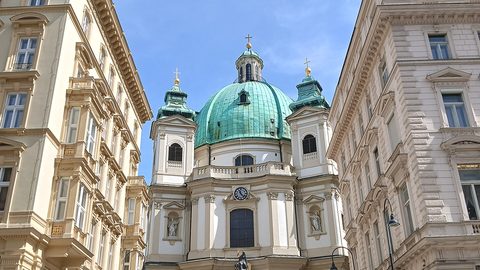 Innere Stadt
Vienna's first district holds the cathedral, the palace, and most of the postcard views inside the Ringstrasse.
Innere Stadt
Vienna's first district holds the cathedral, the palace, and most of the postcard views inside the Ringstrasse.
-
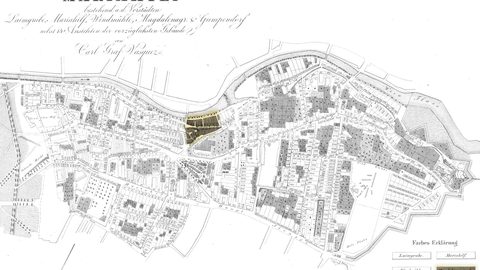 Mariahilf
 is Vienna's sixth district, built around the Naschmarkt food market and the long Mariahilfer Strasse shopping strip.
Mariahilf
Mariahilf is Vienna's sixth district, built around the Naschmarkt food market and the long Mariahilfer Strasse shopping strip.
-
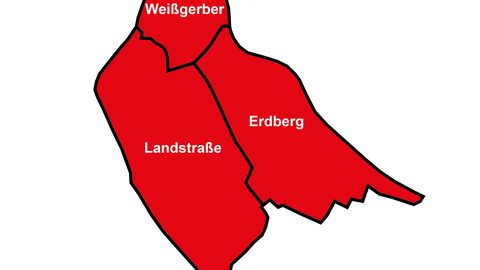 Landstrasse
 is Vienna's third district, home to the Belvedere palace and Klimt's The Kiss, the embassy quarter, and Wien Mitte station where the airport train
Landstrasse
Landstrasse is Vienna's third district, home to the Belvedere palace and Klimt's The Kiss, the embassy quarter, and Wien Mitte station where the airport train