Following a Vienna Heuriger Wine Tavern Guide for the Perfect Evening
A Vienna Heuriger is a self-service wine tavern with a cold buffet and wine by the Viertel—not a restaurant.

A Heuriger is Not a Restaurant
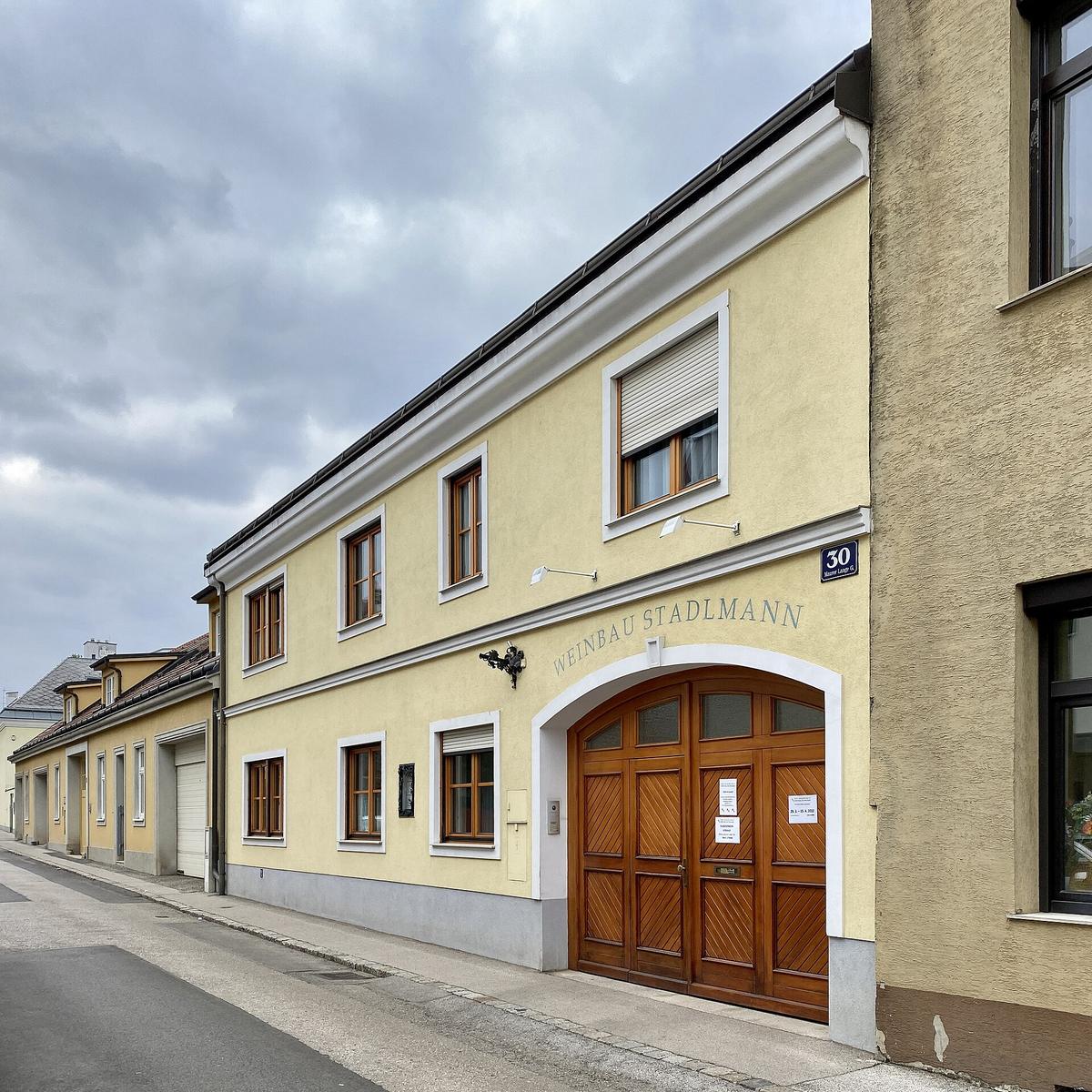
Find an empty seat at a long wooden table under chestnut trees, then go to the buffet counter yourself. No one takes your order. Every first-time visitor who expects table service stands around confused. A Heuriger is a seasonal wine tavern where a Viennese winegrower sells their own wine, indicated by a "Busch'n" pine bough hung outside. You order wine by the Viertel (0.25 L) at the counter. Food comes from a self-service cold buffet. The whole evening runs on trust: you tell the server how many Viertel you drank when you leave, and they add it up.
The Heuriger Buffet System in Vienna: How the Food Works
The buffet is the single thing that trips up travellers most. At the counter you find a row of cold dishes plated or in trays: Liptauer spread (a paprika-cream cheese mix), cold roast pork, blood sausage, sauerkraut, pickles, dumplings, and cheeses. Take a plate, pick what you want, and pay by weight or by item at a separate station near the buffet. Some houses also have hot dishes you order at a separate counter, roast pork or goulash, and a server brings it to your table. Desserts like apple strudel and Topfenstrudel (curd cheese strudel) sit at the end of the line. Cash remains common for food payments. Card acceptance varies by establishment.
The failure case: you sit down and wait for a menu. It never comes. Walk to the buffet area yourself, find the empty plate stack, and start from there.
Vienna Wine Taverns Grüner Veltliner: What to Drink
Grüner Veltliner and the Whites
The wine at a Heuriger is the grower's own, and the dominant white grape is Grüner Veltliner, accounting for roughly a third of Vienna's ~700 hectares of vineyards. A Viertel (0.25 L glass) costs about EUR 3-5 depending on the house and the wine's quality level. Drinking it from a Heuriger garden is a different experience from the same grape in a retail bottle: served slightly cellar-cool, unoaked, with a white-pepper finish, and meant to be drunk in the same season it was bottled. You will also find Riesling, Zweigelt (a local red), and, since 2013, Wiener Gemischter Satz DAC, a field blend of at least three white varieties grown, harvested, and fermented together. Wines run 11.5-12.5% ABV for whites, 12-13.5% for reds.
Only wine is served. By law, no beer or other alcohol is offered at a true Heuriger. If you want beer, you are in the wrong building.
Heuriger Grinzing vs Neustift: Which District to Choose
Grinzing: Busy and Convenient
The most common dilemma is Grinzing versus Neustift. Grinzing, in the 19th district, has the highest density of Heurigen in Vienna. It is also the most tourist-trafficked: large-capacity houses, bus tours, and prices that run higher per Viertel. The atmosphere is busy, sometimes loud, and the Gemütlichkeit can feel orchestrated. If you want convenience and don't mind crowds, take tram 38 to the main street and pick one of the bigger houses.
Neustift am Walde: Smaller and More Local
Neustift am Walde, also in the 19th district but further up the hill, has smaller houses, fewer trams, and more local Viennese clientele. If you want a working winegrower's place where the grower might pour your wine, go to Neustift. Further out, in the 21st district (Stammersdorf, Strebersdorf), the Heurigen are even quieter and less frequent. The travel time from the city centre is about 40 minutes by S-Bahn S3 or S7 plus a short walk. For a truly local evening with almost no English spoken, that is where to go.
The Vienna Vineyard Walking Route: Stadtwanderweg 1 and 1a
The Route
Vienna's vineyards are not a distant countryside; they are on the urban fringe, reachable by tram. The vineyard walk that makes the most sense follows Stadtwanderweg 1 and 1a, which traverse the northern hills connecting Nussdorf, the slopes above Grinzing, and Sievering. The full walk is about 8 km and takes 2.5-3 hours at a steady pace. Start at the Nussdorf terminus of tram D, climb through the Reisenberg and the vine rows, and end at Sievering. From Sievering, catch bus 38A back toward the city or walk downhill to a Heuriger in Neustift am Walde for your evening Viertel. The path is marked with green signs and is mostly dirt track through the rows. Wear shoes that handle gravel.
When to Go and What to Carry
Do this in September or early October when the leaves are turning and most houses are open. The failure case: you walk in July at 14:00 with no water. There is no shade on these hills. Carry at least 1.5 litres per person.
When Heurigen Open: the Seasonal Rhythm
Heurigen do not stay open year-round. They operate on a rotating schedule: each house opens for 2-4 weeks at a stretch, then closes for a period. Most open spring through late autumn. A smaller number open in winter. Peak density runs September through October, when the harvest coincides with the best weather. Opening days are Tuesday or Wednesday through Saturday. Many are closed Sunday and Monday. Evening hours run from about 16:00 to 22:00-23:00. The last tram from the 19th district to the city centre departs around 00:30; check the current timetable because this changes annually. The City of Vienna website (wien.gv.at) and Wien Wein publish seasonal opening calendars each spring. Bookmark the Wien Wein calendar before you go. Without it, you will walk to a closed house.
.JPG)
How the Honour System Works for Wine Orders
You tell the server at the wine counter: one Viertel Grüner Veltliner, then another when the glass is empty. At the end, you say the number you drank and pay. There is no ticket, no running tab, no receipt until you ask for one. Some newer houses use a tick sheet you carry, but most of the traditional ones in Neustift and Stammersdorf still rely on memory and trust. The server will not chase you for an unpaid glass. The honour system works because it has worked for centuries. If you are drinking Sturm (partially fermented grape must, available September-October, roughly 4% ABV, cloudy, and sweet), count it the same way. Sturm is limited to harvest season only. It disappears by November.
Smoking, Music, and Seating Rules
Smoking is banned indoors. Outdoor smoking is permitted unless the house posts a sign stating otherwise. Most people sit in the garden under the trees on long, shared wooden benches. You share the table with strangers. That is how pairs become fours and conversations start. No amplified music is allowed. Some houses have live Schrammelmusik (two violins, accordion, double bass) on set evenings, which is quiet and acoustic. Reservations are accepted for groups at many houses. Individuals and small groups walk in. If you want a specific table under a specific tree, arrive by 17:00.
The One Thing That Goes Wrong
Travellers assume a Heuriger works like a restaurant and wait for service that never comes. They sit at a table, the server walks past, and they assume they have been ignored. They have not. The server is bringing wine to tables that have already ordered at the counter. Walk to the buffet, carry your food, and go to the wine counter to ask for your first Viertel. That is the single practical step that unlocks the entire evening.
Read next
-
 Vienna Hotels What the Price Bands Actually Get You
Vienna hotel price bands deliver distinctly different experiences. Here is what each band actually gets you, from building type to seasonal pricing patterns.
Vienna Hotels What the Price Bands Actually Get You
Vienna hotel price bands deliver distinctly different experiences. Here is what each band actually gets you, from building type to seasonal pricing patterns.
-
 Where to Stay in Vienna District by District and What Each Costs You
Where to stay in Vienna depends on what you are willing to trade off. Each district costs you something different in time, money, and atmosphere.
Where to Stay in Vienna District by District and What Each Costs You
Where to stay in Vienna depends on what you are willing to trade off. Each district costs you something different in time, money, and atmosphere.
-
 Flying into Vienna airport and getting to the city without a mistake
Vienna airport offers four ways into the city, and the wrong choice can cost you time or money.
Flying into Vienna airport and getting to the city without a mistake
Vienna airport offers four ways into the city, and the wrong choice can cost you time or money.
-
 What to Do in Vienna Ordered by Whether It Is Worth the Time
Three full days is the minimum to see the core sights. Less forces a brutal trade-off between the imperial palaces and any sense of Vienna's neighbourhood lif
What to Do in Vienna Ordered by Whether It Is Worth the Time
Three full days is the minimum to see the core sights. Less forces a brutal trade-off between the imperial palaces and any sense of Vienna's neighbourhood lif
-
 When to Visit Vienna and What Each Season Does to the City
At 16:30 in mid-December, the Rathausplatz Christmas market is already shoulder to shoulder. You cannot move freely; you shuffle.
When to Visit Vienna and What Each Season Does to the City
At 16:30 in mid-December, the Rathausplatz Christmas market is already shoulder to shoulder. You cannot move freely; you shuffle.
-
 Getting Around Vienna Without Wasting Half Your Trip on Foot
Most visitors waste the first hour of their Vienna trip standing on a tram platform, ticketless, watching the doors close.
Getting Around Vienna Without Wasting Half Your Trip on Foot
Most visitors waste the first hour of their Vienna trip standing on a tram platform, ticketless, watching the doors close.
-
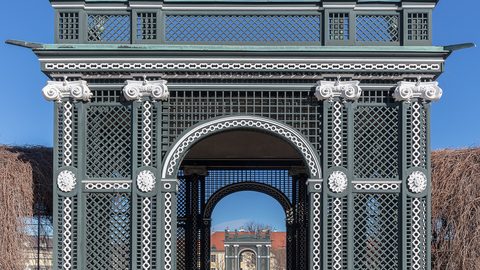 Schönbrunn Palace
 requires a strategy, not just a ticket. Here is how the entrance works, why the Grand Tour needs advance booking, and how to use the free
Schönbrunn Palace
Schönbrunn Palace requires a strategy, not just a ticket. Here is how the entrance works, why the Grand Tour needs advance booking, and how to use the free
-
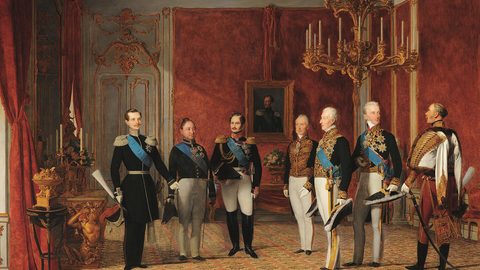 Hofburg
The Hofburg is several attractions sharing one name. Here is which sections matter, how the ticket bundles actually work, and a cheaper way to see the
Hofburg
The Hofburg is several attractions sharing one name. Here is which sections matter, how the ticket bundles actually work, and a cheaper way to see the
-
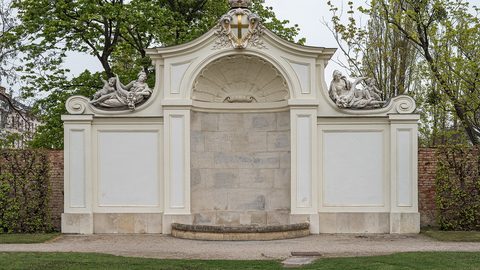 Belvedere
The Belvedere is two museums, not one, and The Kiss is in Upper Belvedere. Here is how to pick the right ticket and why the gardens cost nothing to walk through.
Belvedere
The Belvedere is two museums, not one, and The Kiss is in Upper Belvedere. Here is how to pick the right ticket and why the gardens cost nothing to walk through.