Your Guide to Vienna Staatsoper Standing Tickets and the Experience
Vienna's Staatsoper sells cheap standing tickets on the day, but the queue, the scarf-marking ritual, and the partial view are part of a system with its own rules.
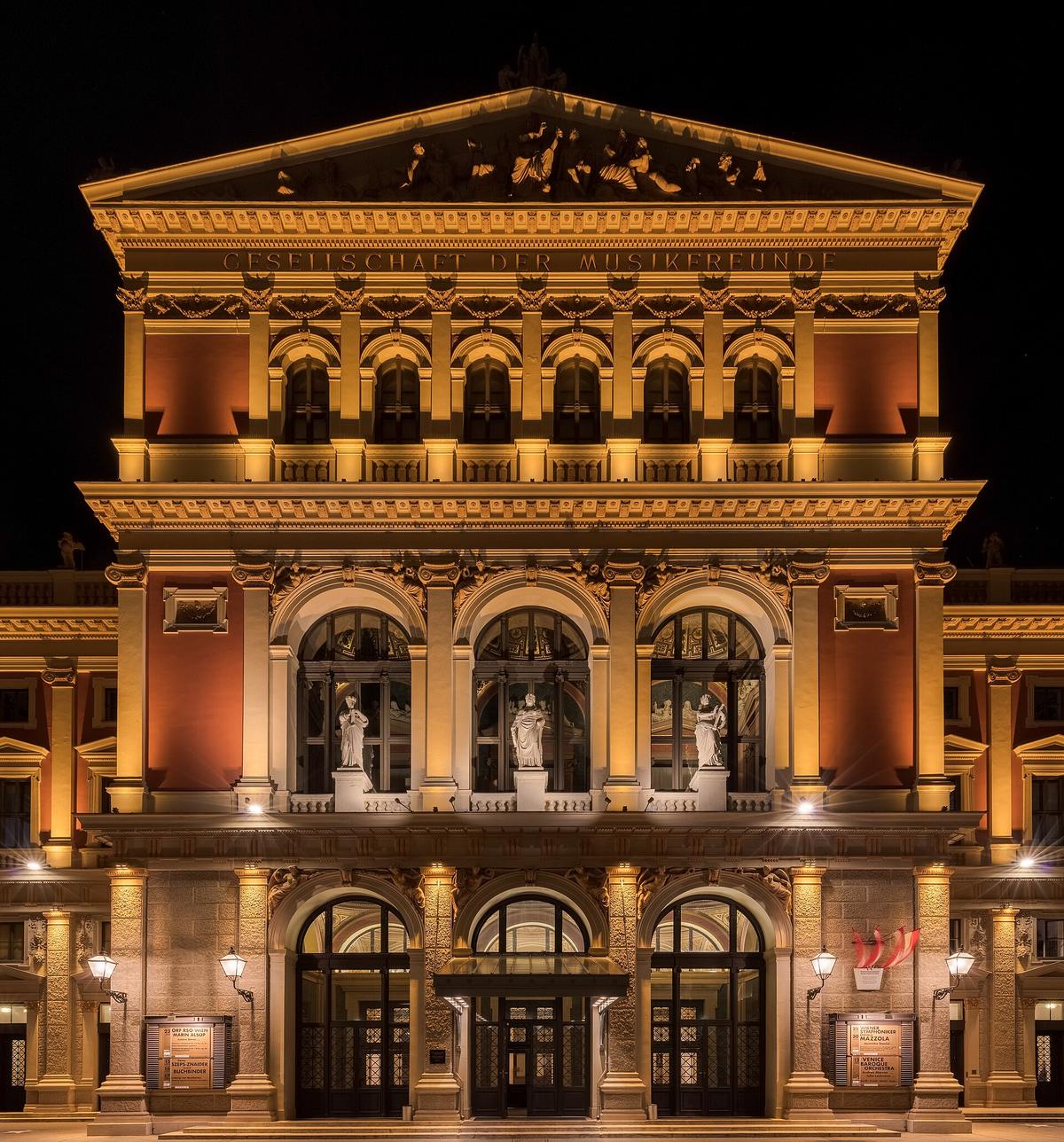

How the Vienna Staatsoper Standing Ticket Queue Actually Works
The common assumption about the Vienna Staatsoper is that if you want cheap entry, you show up, join a short line, pay a few euros, and watch the opera from a decent spot. That is wrong. Getting standing tickets at the Staatsoper means using a separate entrance, joining a queue that forms hours before curtain, and following an informal etiquette that surprises first-timers. The trade-off is a partial view and a time commitment that demands a clear decision before you give up an evening. Here is how the queue works and what you sacrifice for the lowest entry price.
The Stehplatz System
The Wiener Staatsoper sells 567 standing tickets per show. That fixed number does not change for a sold-out house. The tickets are called Stehplatz, and they are divided into three tiers: Parterre (ground floor, centre), Balkon (first balcony), and Galerie (upper balcony). Each tier has its own price, and the price varies by production category, standard repertoire versus a premiere or gala. The prices are published for each season, which runs September to June, by the Wiener Staatsoper itself. You cannot buy Stehplatz tickets online. The only channel is the box office at the Operngasse side entrance, marked Stehplatz, on the day of the show.
Queue formation starts earlier than the official sales time. How early depends on the production and the cast. For a star singer or a famous title, regulars arrive two to three hours before sales start. For a lesser-known ballet on a Tuesday, forty-five minutes might be enough. The purchase limit is strict: one ticket per person present in the queue. You cannot buy for a friend who is elsewhere. Payment at the box office accepts cash, debit card, and major credit cards.
The Vienna Opera Ticket Queue: What to Expect
The queue for standing tickets forms at the Operngasse side entrance. There is no separate line for tourists or for specific tiers. Everyone waits together until sales start. The official sales start time is published in the season schedule and is a fixed number of minutes before curtain, but the number changes annually. The 2025 schedule set sales at 90 minutes before the show for most nights. Check the Wiener Staatsoper website for the figure in force during your visit.
What happens when the queue is long and you arrive late? If the 567 tickets sell out, the box office closes and your only option is a seated ticket at full price from the main box office or through a reseller. That can cost ten to twenty times the standing rate. There is no standby list, no returns queue, and no secondary sale. If you want standing tickets, arrive early. The failure case is wasting an evening or paying a steep premium for a seat you did not plan for.
Staatsoper Standing Room Vienna: the Scarf Ritual and Unreserved Spaces
After you buy your Stehplatz ticket, the real system begins. Standing spots are unreserved within the purchased tier. You choose your position when you enter, and you hold it until the show starts. The regulars practice a specific ritual: they mark their place with a scarf, a programme, or a small item placed on the railing or the floor. This signals that the spot is taken while the person steps away to the cloakroom or the bar. First-timers who ignore this and claim a marked spot will get a polite but firm correction from the person who left the marker. It is not hostile, but it is enforced.
Sightlines and Stairs
The standing areas are not all equal. Parterre standing is at ground level behind the seated section, so your view is partially blocked by the heads and shoulders of the people in front. Balcony standing gives a better sightline because you are elevated above the seated rows. Galerie standing is the highest and cheapest, but the view is more distant and the rail can cut across the stage picture. All three tiers require climbing stairs. There is no step-free access to the Galerie standing area.
Vienna State Opera Same Day Tickets: the Practical Cost
A same-day standing ticket at the Wiener Staatsoper costs between roughly €4 and €15 for a standard repertoire production, depending on the tier. Premiere and gala nights push the price higher. For comparison, a seated ticket for the same show starts around €30 for a restricted view in the highest balcony and climbs past €200 for a prime stall seat. The standing ticket is a genuine bargain, but the bargain comes with conditions.
You stand for the full production, which for a Wagner opera can run four hours. You cannot lean against a wall or sit on the floor. The view is partial, especially from Parterre. You need to queue for an hour or more before the box office opens. And you cannot choose your tier at the last minute: the cheaper Galerie tickets sell first because they are the best value. If you arrive after the Galerie is gone, you pay more for Balkon or Parterre. The best strategy: research the show, decide which tier you want, and arrive early enough to buy that tier before it sells out.
.jpg)
Vienna Opera Dress Code: What to Wear in the Standing Area
The Wiener Staatsoper enforces no dress code for the standing area. You will see people in jeans, trainers, and sweaters alongside others in cocktail dresses and suits. The regulars tend to dress neatly but not formally. The key practical concern is comfort. You stand for two to four hours on a hard floor. Wear shoes you can stand in. Bring a light layer because the standing areas can be warm from body heat, but the entrance corridor can be cold while you wait. Do not bring a large bag or a coat that will need a locker. Coat check costs extra and adds time. The same rule applies to the scarf ritual: a small item to mark your spot is fine. A backpack left on the floor will be moved.
The Trade-Off: is the Standing Ticket Worth It?
For a culture-first traveller who genuinely enjoys opera and ballet, the standing ticket system is one of the best deals in European music. The same stage, the same orchestra, the same singers, for a fraction of the seated price. The view from Balkon or Galerie is better than many restricted-view seats that cost three times as much. But the system is not for everyone. If you have mobility issues, want a guaranteed unobstructed view, or cannot stand for the duration, buy a seated ticket. If you are on a tight schedule and cannot commit to the queue, book ahead. And if you are not genuinely interested in the opera itself, skip it entirely. The queue and the standing are a commitment, not a souvenir photo.
The Mistake First-Timers Make
The thing that most often goes wrong: first-timers arrive ten minutes before the box office opens expecting to walk straight in. They find a queue of sixty people, wait, and then learn that the Galerie tickets sold out thirty minutes before they arrived. They either pay more than planned for Balkon standing or walk away empty-handed. The fix is simple. Check the start time on the Wiener Staatsoper website, decide your tier, and arrive early enough to buy before that tier is gone.
Read next
-

 Vienna Hotels What the Price Bands Actually Get You
Vienna hotel price bands deliver distinctly different experiences. Here is what each band actually gets you, from building type to seasonal pricing patterns.
Vienna Hotels What the Price Bands Actually Get You
Vienna hotel price bands deliver distinctly different experiences. Here is what each band actually gets you, from building type to seasonal pricing patterns.
-
 Where to Stay in Vienna District by District and What Each Costs You
Where to stay in Vienna depends on what you are willing to trade off. Each district costs you something different in time, money, and atmosphere.
Where to Stay in Vienna District by District and What Each Costs You
Where to stay in Vienna depends on what you are willing to trade off. Each district costs you something different in time, money, and atmosphere.
-
 Flying into Vienna airport and getting to the city without a mistake
Vienna airport offers four ways into the city, and the wrong choice can cost you time or money.
Flying into Vienna airport and getting to the city without a mistake
Vienna airport offers four ways into the city, and the wrong choice can cost you time or money.
-
 What to Do in Vienna Ordered by Whether It Is Worth the Time
Three full days is the minimum to see the core sights. Less forces a brutal trade-off between the imperial palaces and any sense of Vienna's neighbourhood lif
What to Do in Vienna Ordered by Whether It Is Worth the Time
Three full days is the minimum to see the core sights. Less forces a brutal trade-off between the imperial palaces and any sense of Vienna's neighbourhood lif
-
 When to Visit Vienna and What Each Season Does to the City
At 16:30 in mid-December, the Rathausplatz Christmas market is already shoulder to shoulder. You cannot move freely; you shuffle.
When to Visit Vienna and What Each Season Does to the City
At 16:30 in mid-December, the Rathausplatz Christmas market is already shoulder to shoulder. You cannot move freely; you shuffle.
-
 Getting Around Vienna Without Wasting Half Your Trip on Foot
Most visitors waste the first hour of their Vienna trip standing on a tram platform, ticketless, watching the doors close.
Getting Around Vienna Without Wasting Half Your Trip on Foot
Most visitors waste the first hour of their Vienna trip standing on a tram platform, ticketless, watching the doors close.
-
 Schönbrunn Palace
 requires a strategy, not just a ticket. Here is how the entrance works, why the Grand Tour needs advance booking, and how to use the free
Schönbrunn Palace
Schönbrunn Palace requires a strategy, not just a ticket. Here is how the entrance works, why the Grand Tour needs advance booking, and how to use the free
-
 Hofburg
The Hofburg is several attractions sharing one name. Here is which sections matter, how the ticket bundles actually work, and a cheaper way to see the
Hofburg
The Hofburg is several attractions sharing one name. Here is which sections matter, how the ticket bundles actually work, and a cheaper way to see the
-
 Belvedere
The Belvedere is two museums, not one, and The Kiss is in Upper Belvedere. Here is how to pick the right ticket and why the gardens cost nothing to walk through.
Belvedere
The Belvedere is two museums, not one, and The Kiss is in Upper Belvedere. Here is how to pick the right ticket and why the gardens cost nothing to walk through.