An Athens Travel Guide to the Real City Beyond the Postcard
Athens is dense, loud, and physically demanding, but it rewards travelers who want history in a living city. Here's how to approach it.
- Flag
-
- ISO code
- GR
- Population
- 664,046
- Currency
- EUR
- Timezone
- Europe/Athens
Athens covers 38.96 square kilometres within the municipality, roughly the size of Manhattan below 96th Street, and packs 643,452 people, seven hills, and 2,500 years of exposed history into that space. This is the most useful fact you will read about the city: everything in central Athens is within walking distance. That walk will be hotter, louder, and more physically demanding than you expect. Marble streets turn slick underfoot when worn smooth. The urban grit is not a flaw. It is the texture that makes the city real. This guide helps you understand what kind of city Athens actually is, so you can decide how much time it needs and which neighbourhood fits you.
- Municipality Size: 38.96 km² (urban area 412 km², metropolitan area 2,928 km²)
- Population (2021 Census): 643,452 (municipality); 3,059,764 (urban); 3,638,281 (metropolitan)
- Elevation Range: 70 m to 338 m; Syntagma Square sits at 95 m
- Minimum Days: 3 full days; 4-5 is more comfortable
- Peak Season: April, June and September, October
- Avoid Window: Mid-July through August (heat above 38°C, many locals on holiday)
- Airport to Centre: Metro Line 3: 40 min. Taxi: flat rate set by the state, higher midnight to 5am. Bus X95 to Syntagma. Check oasa.gr and the airport website for current fares.
- Metro Hours: Stops around midnight weekdays, later weekends; check oasa.gr for current times
Is Athens Worth Visiting?
Yes, but only if you want what Athens offers: density, heat, noise, and the strange intimacy of walking past a 2,500-year-old ruin on your way to buy a koulouri from a street vendor. The city is not a relaxing European capital. It is not pristine. It rewards history-focused travellers who want depth over polish, solo explorers comfortable with urban grit, food-driven visitors on a mid-range budget, and night owls who eat late. City-break travellers using Athens as a 3 to 5 day destination get the most out of it.
Skip Athens if you need a green, quiet, or spotless city. Skip it if you have significant mobility limitations. The slopes, steps, and uneven marble of the Acropolis approach and the neighbourhood streets are punishing. Skip it if you dislike heat, crowds, smoking in outdoor dining spaces, or visible urban decay. Families wanting easy stroller routes and quiet parks should choose elsewhere.

An Athens Travel Guide to the Real City Beyond the Postcard
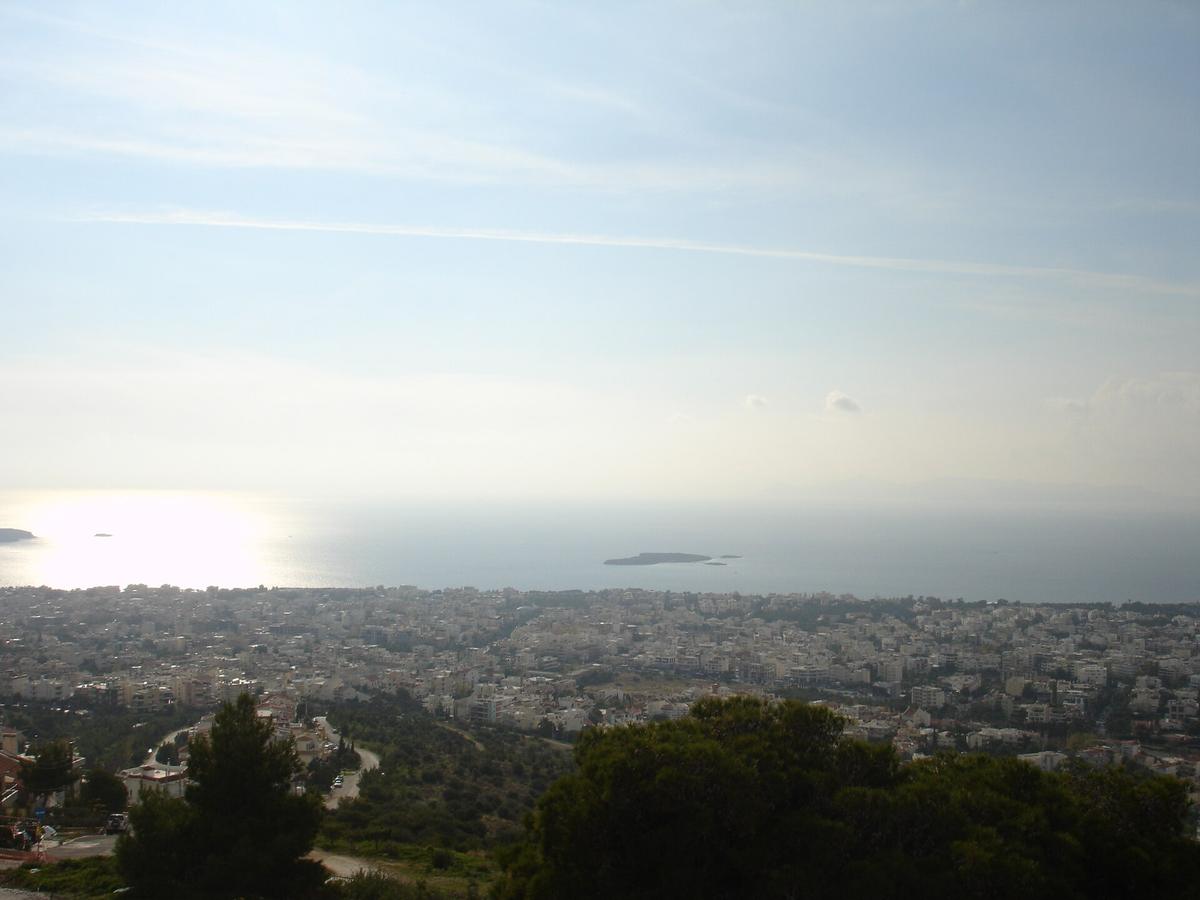
The Acropolis dominates every view, but the real Athens is the 3.1 km² basin of seven hills where ancient ruins sit abruptly amid concrete apartment blocks, graffiti, and traffic. Visitors find it louder, hotter, and more physically demanding than expected. Marble-slick streets and steep climbs to major sites test your stamina. The reward is a raw, lived-in energy, superb cheap food at tavernas, and the ability to walk from your hotel to the Ancient Agora in ten minutes.
Arriving from the Airport
Arrive at Athens International Airport and take Metro Line 3 to Syntagma or Monastiraki. The metro is the backbone for getting around, especially Lines 1, 2, and 3 connecting the airport, Piraeus port, and central districts. The X95 bus to Syntagma is cheaper but takes about an hour depending on traffic. A taxi flat rate to the centre is set by the state; the price rises between midnight and 5am. Check the airport website for the fare in force before you land. The main trip-up: metro service stops around midnight on weekdays. Late-night returns from Psyrri or Exarchia require taxis or walking.
Staying Connected
Free municipal Wi-Fi exists in Syntagma, Monastiraki, and some squares but is slow and patchy. Buy a local SIM from Cosmote, Vodafone, or Nova at the airport; eSIM is the easiest option for unlocked phones. Google Maps works well for transit, but some small streets are mislabelled.
Athens Itinerary 3 Days
Three full days is enough for the Acropolis, the Ancient Agora, one major museum, and two neighbourhoods without rushing. Four to five days is more comfortable and lets you add a day trip. Here is the practical breakdown.
Day One: The Acropolis and Its Museums
Book your Acropolis timed entry ahead through hhticket.gr. Arrive at the opening hour, 08:00 in summer, later in winter, and you will have the site relatively quiet for about an hour before the cruise crowds arrive. Do not try to see the Acropolis and the Acropolis Museum back-to-back on the same summer morning without pre-booked tickets. That is the single most common mistake, and it leaves visitors queuing for hours at midday, exhausted. Instead, visit the Acropolis first thing, then walk the 0.3 km to the Acropolis Museum in the late morning. The museum holds over 4,000 artefacts on display with a glass floor revealing archaeological remains below. In the afternoon, rest. In the early evening, walk through Plaka to Monastiraki for a rooftop bar with direct Acropolis views.
Day Two: The Agora, Neighbourhoods, and Food
Spend the morning at the Ancient Agora, an expansive civic ruin that includes the well-preserved Hephaisteion temple. The combined ticket, valid 5 days and covering 7 sites including the Acropolis, Ancient Agora, Roman Agora, Hadrian's Library, Kerameikos, Aristotle's Lyceum, and Olympieion, is worth buying. The rate is set by the Hellenic Ministry of Culture; check hhticket.gr for the price in force. After the Agora, explore Monastiraki's flea market and eat at a specific souvlaki spot like O Thanasis or Kostas. In the afternoon, choose a second neighbourhood: Koukaki for quiet residential streets and local cafés, or Kolonaki for upscale galleries and designer shopping. Both are walkable from Syntagma. End the evening in Psyrri for late-night meze, small plates with ouzo or tsipouro, after 10pm.
Day Three: A Museum and a Hill
Choose one major museum. The National Archaeological Museum, 0.8 km from Omonia, holds over 11,000 exhibits and is the most comprehensive collection in Greece. The Benaki Museum of Greek Culture in Kolonaki covers the broad sweep of Greek history in a mansion. The Museum of Cycladic Art in Kolonaki is small and superb for prehistoric figurines. The Byzantine and Christian Museum on Vasilissis Sofias is underrated, serene, and excellent for icons. In late afternoon, climb Lycabettus Hill, the highest central viewpoint at 277 m, via the funicular from Aristippou Street running every 30 minutes, or take the footpath. The summit features the Chapel of St George, a viewing platform, and a restaurant. On your way back, stop at Krinos for loukoumades, hot honey-soaked doughnuts, cinnamon-dusted.
Athens Neighbourhoods Overview
Each central district is a distinct choice, not a variation on the same theme. You select where to stay and where to spend evenings based on what kind of energy you want. Distances from Syntagma Square to each neighbourhood are short, never more than 2.6 km. You can walk between most of them in under 30 minutes.
| District | Character | Location from Syntagma | Best For |
|---|---|---|---|
| Plaka | Tourist-heavy, charming, neoclassical streets, souvenir-dense, Acropolis-adjacent | 0.6 km | First-time visitors who want proximity to ruins and don't mind crowds |
| Monastiraki | Flea-market energy, rooftop bars, metro hub, crowded | 0.7 km | Shoppers, metro users, people who want rooftop Acropolis views |
| Psyrri | Gritty-gentrified, street art, tavernas, late-night buzz | 0.9 km | Night owls, food-focused travellers, bar-hoppers |
| Syntagma | Political centre, grand hotels, Parliament, metro nexus | 0 km | Transport convenience, hotel base, first-time visitors |
| Kolonaki | Upscale, gallery-filled, designer shopping, steep chic streets | 0.6 km | Luxury shoppers, art lovers, quieter evening drinkers |
| Exarchia | Anarchist-leaning, student-heavy, graffiti-covered, edgy nightlife | 1.3 km | Artists, students, budget travellers, alternative nightlife seekers |
| Koukaki | Quiet residential base, museum-adjacent, local cafés, good value | 1.5 km | Travellers who want calm evenings and Acropolis Museum proximity |
| Pangrati | Authentic, food-focused, near Panathenaic Stadium, increasingly trendy | 1.8 km | Food-focused travellers, runners, locals-seeking visitors |
| Thissio | Pedestrian-friendly, café-lined, direct Acropolis views, calmer | 1.5 km (approx) | Couples, sunset walkers, café sitters |
| Metaxourgeio | Raw, artsy, cheap, uneven safety after dark | 1.6 km | Budget travellers, artists, those who don't mind rough edges |
Athens First Time Guide
If this is your first visit, set expectations before you arrive. Athens is dense, sun-scorched, and chaotic. The payoff is that you can walk from Syntagma Square to the Acropolis entrance in 1.0 km, to Plaka centre in 0.6 km, and to Monastiraki Square in 0.7 km. Almost everything you need is within a 20-minute walk.
What to Book Before You Go
Book Acropolis timed entry through hhticket.gr. The busiest hours are 10:00 to 14:00. The quietest entry times are opening hour and the final two hours before closing. The Acropolis combined ticket covers 7 sites and is valid for 5 days. The price is set by the Hellenic Ministry of Culture; check culture.gov.gr for the current rate. Book the Acropolis Museum separately through theacropolismuseum.gr. Both sites can sell out in peak season.
What to Pack and Wear
Summer heat radiates off concrete and stone, making midday sightseeing punishing. Average daily high in July and August is 34°C, and heatwaves regularly exceed 38°C for 3 to 7 days. Carry water, wear a hat, and plan your indoor museum visits for 12:00 to 16:00. Marble and stone paving becomes dangerously slippery when wet or worn smooth. Wear shoes with grip. Pavements are narrow, broken, or blocked by parked motorbikes and café tables. Expect to step into the street frequently.
How to Eat Like a Local
Breakfast on the move is a koulouri from a street vendor: sesame bread rings, cheap and filling. Lunch is a souvlaki or gyros wrap from a specific central spot, O Thanasis in Monastiraki or Kostas near Syntagma. Dinner starts late. Tavernas in Psyrri serve meze from 10pm onward. Sunday staple revithia, a slow-baked chickpea stew, appears on taverna menus. For dessert, Krinos in Monastiraki serves loukoumades. Bougatsa, a cream or cheese-filled filo pastry, is a morning food from central bakeries.
Getting Around Without a Car
You do not need a car. The metro is the backbone for visitors: Lines 1, 2, and 3 connect the airport, Piraeus port, and all central districts. You need a rechargeable Ath.ena card or paper ticket validated at machines before boarding. The fare is flat within city zones for 90 minutes, with 24-hour, 5-day, and longer passes available. Airport trips are priced separately. The fare-setting body is OASA; check oasa.gr for the 2026 rates. Tram lines T6 and T7 serve the coast. Over 250 bus and trolleybus routes fill gaps. Five 24-hour bus routes exist; three night-only bus routes run. Four airport express buses operate: X95 to Syntagma, X96 to Piraeus, X93 to Kifissos intercity bus terminal, and X97 to Elliniko.
What to Skip on a First Visit
Skip the Temple of Olympian Zeus if you are short on time. It is a quick stop with massive columns visible from the street, but does not justify a dedicated visit. Skip the National Garden if you expect a proper park; it is 15.5 hectares of pleasant but limited green space. Skip any guided tour that promises to cover the Acropolis and the museum in one morning. That is the common mistake that leaves you exhausted. Skip mid-July through August entirely if you can rebook. The city empties of Athenians, many local restaurants and shops close for holidays, and you will queue for everything in heat above 38°C. Also avoid Orthodox Easter weekend if you want museums and sites open normally, as hours shift and crowds spike.
Day Trips from Athens
Athens works well as a base for 3 to 5 days, but if you have extra time, four day trips are worth the travel. Cape Sounion and the Temple of Poseidon is a 1 hour 45 minute bus ride from Pedion tou Areos via KTEL bus; go for sunset. Delphi is a 2 hour 30 minute bus from KTEL Liosion; it is a major archaeological site and a long but doable day. Aegina island is 40 minutes by hydrofoil from Piraeus port; walk through pistachio groves to the temple. Hydra is 1 hour 30 minutes to 2 hours by hydrofoil; the car-free stone harbour makes it a completely different experience from Athens. For Nafplio, take a 2 hour intercity bus to explore the elegant Venetian old town and fortress.
Who Athens is for and Who it is Not
Athens is for history-focused travellers who want depth over polish. It is for solo explorers comfortable with urban grit. It is for food-driven visitors on a mid-range budget who understand that the best meal is a souvlaki from a specific counter, not a white-tablecloth restaurant. It is for night owls who eat late and bar-hop in Psyrri. It is for city-break travellers using Athens as a 3 to 5 day destination in its own right, not a layover on the way to the islands.
Athens is not for travellers seeking a relaxing, green, or pristine European capital. It is not for those with significant mobility limitations. The slopes, steps, and uneven marble at the Acropolis and through the neighbourhoods are real obstacles. It is not for visitors who dislike heat, crowds, smoking in outdoor dining spaces, or visible urban decay. It is not for families wanting easy stroller routes and quiet parks. If you want manicured boulevards and silent streets, choose another city. If you want a city that feels like it is still being lived in, still being argued over, still covered in graffiti and late-night noise and 2,500 years of exposed history, Athens delivers exactly that.
Common Questions
Is Athens safe for solo travellers?
Yes, central Athens is safe for solo travellers during the day and in busy evening areas like Psyrri, Monastiraki, and Syntagma. Exarchia and Metaxourgeio require more caution after dark. Standard city precautions apply: keep valuables out of reach, use registered taxis at night, and avoid poorly lit side streets.
How many days in Athens is enough?
Three full days is enough for the Acropolis, Ancient Agora, one museum, and two neighbourhoods without rushing. Four to five days is more comfortable and allows for a day trip to Cape Sounion, Delphi, or an island like Aegina or Hydra.
What is the best month to visit Athens?
April through June and September through October. These months bring warm but not brutal weather, long daylight, and the highest concentration of cultural events. July and August are too hot and crowded. December through February is low season with cooler temperatures and fewer crowds, but some outdoor sites close early.
How do I get from Athens airport to the city centre?
Metro Line 3 runs to Syntagma and Monastiraki in about 40 minutes. The X95 bus to Syntagma is cheaper but slower. A taxi flat rate to the centre is set by the state and rises between midnight and 5am. Check the airport website for current fares before you fly.
Do I need to book Acropolis tickets in advance?
Yes. Book timed entry through hhticket.gr before you arrive. The site sells out in peak season, and queueing at midday in summer heat without a pre-booked ticket is the most common mistake visitors make.
Is Athens walkable?
Central Athens is very walkable. From Syntagma Square, you can reach Plaka centre in 0.6 km, Monastiraki Square in 0.7 km, and the Acropolis entrance in 1.0 km. The challenge is the terrain: marble-slick streets, steep climbs to major sites, and narrow pavements blocked by parked motorbikes.
What should I avoid in Athens?
Avoid visiting mid-July through August when heat regularly exceeds 38°C and many locals leave the city. Avoid Orthodox Easter weekend if you want museums and sites open normally. Avoid trying to see the Acropolis and the Acropolis Museum back-to-back on the same summer morning without pre-booked tickets. Avoid buying a third-party ticket bundle for the Acropolis; buy the general admission ticket from hhticket.gr.
Read next
-
 Where to Stay in Athens and What Each District Costs You
The district you choose in Athens changes everything about your trip. Compare Plaka, Monastiraki, Koukaki, and the rest by trade-off.
-
 Greece Travel Guide, Ferries, Islands and the Reality of Moving Around
Greece is a mainland and roughly two hundred inhabited islands stitched together by ferries whose schedules shift with the seasons and whose cancellations are
-
 Staying Connected in Greece With eSIM Local SIM or Roaming
How to choose between eSIM, a local Cosmote SIM, or roaming for reliable mobile data across Greek islands, ferries, and mountain villages.
-
 Best Time to Visit Greece by Month, Heat, Crowds, Meltemi and Closures
When to go to Greece, and what each season actually does to the heat, the crowds, the ferry schedules, and the opening hours.
-
 Getting Around Greece by Ferry, Bus and Car, What the Map Oversells
Moving around Greece: what connects where, why the ferry network dominates, and what the map oversells about island-hopping speed.
-
 How to Budget a Trip Based on Purchasing Power, Not Just Exchange Rates
Exchange rates tell only half the story. See how purchasing power shapes your real travel budget across Southeast Asia, Eastern Europe, and Latin America.
-
 A Ground-Level Logistics Guide to Independent Travel in China
First-time independent travel in China: what you need to know about visas, rail booking, eSIMs, mobile payments, and power adapters.
-
 How Solo Travelers Stay Ahead of Flight Delays and Cancellations
How solo travelers can track inbound aircraft, claim rebooking rights, and adjust ground transport when flights go wrong — step by step.
-
 Why Your eSIM Might Not Work Abroad and How to Check Before You Go
Buying an eSIM doesn't guarantee signal abroad. Learn why coverage fails by location and how to verify reach before you commit to a plan.