Neubau: Vienna's seventh district and its self-conscious cool
Neubau is Vienna's seventh district and its most self-consciously cool corner: independent design shops, galleries, and the restaurants that spill from the
- Flag
-

- ISO code
- AT
- Population
- 31,521
- Currency
- EUR
- Timezone
- Europe/Vienna
Neubau: Vienna’s Seventh District and Its Self Conscious Cool
Neubau covers 1.61 square kilometres. That is the first thing to understand: this is a walking district, not a sprawling zone. The second is that it sits directly north of Mariahilfer Straße, Vienna's main shopping drag, and runs up to the MuseumsQuartier at its eastern edge. The street grid is the detail that matters. Lindengasse and Zollergasse run parallel to each other, cutting west from the Neubaugasse corridor toward the 15th district boundary. These two strips, plus the Spittelberg quarter tucked behind the Volkstheater, carry nearly every independent shop and serious restaurant the area has. Arrive at the U3 station. You exit onto Mariahilfer Straße, but that is not where Neubau lives. Cross the street and walk north into the orthogonal block pattern. Within two minutes you are on Zollergasse. Within five you are in Spittelberg. The district performs its identity as a curated alternative to the imperial pomp across the Ring, and it does so on a scale smaller than most visitors expect.
Neubau Vienna Independent Shops: Lindengasse, Zollergasse and the Spaces Between
Lindengasse and Zollergasse are the backbone of the retail identity here. No produce stalls, no tourist trinkets. The ground floors hold single proprietor fashion boutiques, object design studios, and galleries where the owner is behind the counter. On Zollergasse, between the main drag and Westbahnstraße, you find women's and men's independent labels priced below the luxury houses on Kohlmarkt but well above H&M. The aesthetic leans toward deconstructed tailoring, muted colour palettes, and natural fibres. Shoe stores along this same stretch favour Portuguese and Spanish makers over Italian brands. On Lindengasse, one block north, the mix shifts toward homeware and stationery: ceramicists selling cups that do not stack, paper goods printed on manual presses, lighting fixtures made from repurposed industrial parts. None of these businesses are secret. The district knows it is being watched. You see the same curation logic in every window: one mannequin, one lamp, one chair, white walls. The effect is more gallery than shop. If you want chain stores, stay on Mariahilfer Straße. If you want objects you cannot find elsewhere, cross north into the seventh district.
How The Spittelberg Quarter Fits
The Spittelberg quarter, a Biedermeier era ensemble of low rise buildings and narrow streets, runs between Burggasse and the Volkstheater. Its ground floors hold smaller, older versions of the same independent shop model. Gutenberggasse and Schrankgasse have vintage clothing dealers and antique jewellery specialists that predate the current design wave. The Christmas market, mid November to 23 December, packs roughly 120 stalls into these cobbled lanes. The density pushes the retail energy higher than any other time of year. Outside market season the quarter is quieter. That is when the browsing is better.

Vienna MuseumsQuartier Edge: Where Neubau Meets the Monumental
The MuseumsQuartier's main entrance at Museumsplatz sits on the northern edge of Vienna's first district, but the complex physically shares a boundary with the seventh along its western side. The distinction matters. The crowd that spills out of the Leopold Museum and the MUMOK at closing time does not head east into the Innere Stadt. It walks west. Five minutes from the MQ main courtyard puts you on Spittelberggasse. Ten minutes puts you on the main shopping corridor. This is the district's functional relationship with the imperial city: it absorbs the museum audience and feeds it into restaurants and bars that would not survive on tourist traffic alone. The Filmhaus Kino am Spittelberg at Spittelberggasse 3, an independent cinema, runs programming that complements the art museum calendar. During Vienna Art Week in November and Vienna Design Week in September and October, the MQ perimeter becomes a single extended event zone. Galleries on Eschenbachgasse and Breite Gasse open auxiliary spaces. The restaurant corridor operates at capacity.
Neubau Vienna Restaurants: Where the Post Museum Crowd Eats
The restaurant concentration has three pockets. The Spittelberg quarter itself: Spittelberggasse, Gutenberggasse, and Schrankgasse hold Italian, Vietnamese, Levantine, and plant based kitchens, most with pavement seating in warm months. Book for dinner between 19:00 and 20:00 during Vienna Art Week and the Christmas market period. Outside those windows, walk in at 18:30 and eat early. The second pocket runs along the main street south of Burggasse, where the mix includes Japanese ramen counters, Korean barbecue, and burger operations that serve the young professional crowd living in repurposed Gründerzeit apartments. The third lies along Zollergasse and Lindengasse, where standalone wine bars serve small plates until 23:00. The area has fewer traditional Beisl than the 8th district across Lerchenfelder Straße. If you want Tafelspitz or Beuschel here, the options are limited. The cuisine range leans modern Viennese, Italian, Japanese, Vietnamese, Levantine, Korean, and burger. The Spittelberg Bauernmarkt operates Saturday mornings late spring through early autumn, stocking produce and prepared foods that neighbourhood kitchens use. Make this your lunch stop. It beats any sit down option on the same streets.
Vienna Seventh District Design: Where the Identity is Curated
The official city planning designation for the area is inner city residential and mixed use district with high creative industry density. A 2022 Wirtschaftsagentur Wien survey put creative industry businesses at 18 per cent of all district enterprises. The real figure is likely higher on the western side, away from Mariahilfer Straße. This concentration shapes every surface. The building stock, late 19th century Gründerzeit and early 20th century Art Nouveau apartment blocks with courtyard facing Pawlatschen galleries, has been repurposed for studio, workshop, and gallery use rather than demolished for office towers. The pedestrian zone on the main artery between Mariahilfer Straße and Burggasse is permanent. Seating and bike parking replaced the car lanes. The Citybike Wien station count is eight. Segregated cycle lanes on the main axes connect the seventh district to the 6th across Mariahilfer Straße and to the 8th across Lerchenfelder Straße. The difference between this district and its neighbour Mariahilf is clear. Mariahilf has chain stores and higher commercial density. The seventh has independent fashion and object shops, galleries, and the nexus of Vienna Design Week activity every September and October.

When Neubau Works and When it Does Not
This district suits adults who want walkable access to contemporary art at the MuseumsQuartier, independent retail that rewards browsing, and evening gastronomy that does not roll up the pavement at 22:00 as the Innere Stadt restaurants do. Book a mid range or boutique property along Mariahilfer Straße or around the U3 corridor, most set in repurposed Gründerzeit buildings. Skip this area if you need large hotel amenities, immediate doorstep access to Stephansdom and the Hofburg, or silence after 22:00 on the main arteries. The Mariahilfer Straße and Gürtel corridors carry high traffic noise. The noise profile shifts block by block: side streets and the Spittelberg quarter run low traffic and high footfall in evening hours. This is not a compact version of the Innere Stadt. It is a deliberately separate district with a younger demographic profile than the 8th, more nightlife venues than the 1st, and higher property values than the 15th across the Gürtel. Choose accommodation here if you want to fall asleep hearing the courtyard fountain from a Pawlatschen gallery apartment. Choose the 1st district if you need to be steps from the Kunsthistorisches Museum at 09:00.
| Destination | Approximate Time |
|---|---|
| Spittelberg quarter | 2 minutes |
| MuseumsQuartier main entrance | 5 minutes |
| Volkstheater | 10 minutes |
| Naschmarkt (6th district border) | 15 minutes |
Other areas in Vienna
Common Questions
How far is Neubau from the MuseumsQuartier on foot?
Five minutes from the U3 station to the MQ main courtyard. The walking distance from the station to Spittelberg is roughly two minutes.
Does Neubau have a Christmas market?
Yes. The Spittelberger Weihnachtsmarkt runs mid November to 23 December with roughly 120 stalls in the Biedermeier quarter. It is the highest density seasonal event here.
What is the difference between Neubau and the 6th district Mariahilf?
Neubau has lower commercial density, fewer chain stores, and a higher concentration of independent design shops and galleries. Mariahilf carries the main shopping street and the Naschmarkt.
Can you pay with card in Neubau shops?
Many independent shops and restaurants operate cash first. A cards accepted sign does not guarantee Visa or Mastercard. Carry enough euro cash for the day.
Read next
-
 Vienna Hotels What the Price Bands Actually Get You
Vienna hotel price bands deliver distinctly different experiences. Here is what each band actually gets you, from building type to seasonal pricing patterns.
Vienna Hotels What the Price Bands Actually Get You
Vienna hotel price bands deliver distinctly different experiences. Here is what each band actually gets you, from building type to seasonal pricing patterns.
-
 Where to Stay in Vienna District by District and What Each Costs You
Where to stay in Vienna depends on what you are willing to trade off. Each district costs you something different in time, money, and atmosphere.
Where to Stay in Vienna District by District and What Each Costs You
Where to stay in Vienna depends on what you are willing to trade off. Each district costs you something different in time, money, and atmosphere.
-
 Flying into Vienna airport and getting to the city without a mistake
Vienna airport offers four ways into the city, and the wrong choice can cost you time or money.
Flying into Vienna airport and getting to the city without a mistake
Vienna airport offers four ways into the city, and the wrong choice can cost you time or money.
-
 What to Do in Vienna Ordered by Whether It Is Worth the Time
Three full days is the minimum to see the core sights. Less forces a brutal trade-off between the imperial palaces and any sense of Vienna's neighbourhood lif
What to Do in Vienna Ordered by Whether It Is Worth the Time
Three full days is the minimum to see the core sights. Less forces a brutal trade-off between the imperial palaces and any sense of Vienna's neighbourhood lif
-
 When to Visit Vienna and What Each Season Does to the City
At 16:30 in mid-December, the Rathausplatz Christmas market is already shoulder to shoulder. You cannot move freely; you shuffle.
When to Visit Vienna and What Each Season Does to the City
At 16:30 in mid-December, the Rathausplatz Christmas market is already shoulder to shoulder. You cannot move freely; you shuffle.
-
 Getting Around Vienna Without Wasting Half Your Trip on Foot
Most visitors waste the first hour of their Vienna trip standing on a tram platform, ticketless, watching the doors close.
Getting Around Vienna Without Wasting Half Your Trip on Foot
Most visitors waste the first hour of their Vienna trip standing on a tram platform, ticketless, watching the doors close.
-
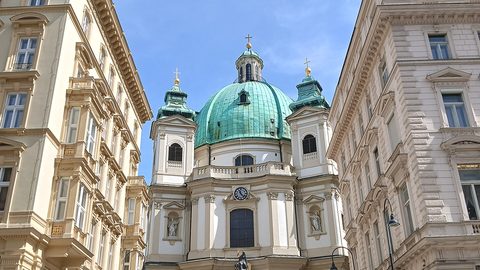 Innere Stadt
Vienna's first district holds the cathedral, the palace, and most of the postcard views inside the Ringstrasse.
Innere Stadt
Vienna's first district holds the cathedral, the palace, and most of the postcard views inside the Ringstrasse.
-
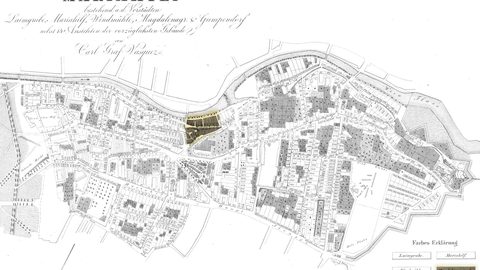 Mariahilf
 is Vienna's sixth district, built around the Naschmarkt food market and the long Mariahilfer Strasse shopping strip.
Mariahilf
Mariahilf is Vienna's sixth district, built around the Naschmarkt food market and the long Mariahilfer Strasse shopping strip.
-
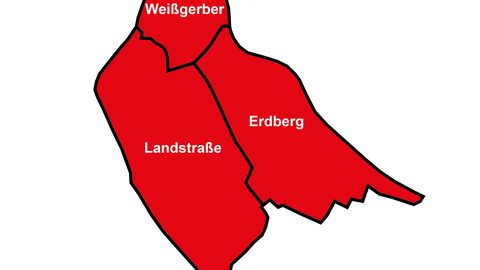 Landstrasse
 is Vienna's third district, home to the Belvedere palace and Klimt's The Kiss, the embassy quarter, and Wien Mitte station where the airport train
Landstrasse
Landstrasse is Vienna's third district, home to the Belvedere palace and Klimt's The Kiss, the embassy quarter, and Wien Mitte station where the airport train