When Austria Delivers What You Actually Want
Austria's seasons dictate what's open: Christmas markets end on 24 December, the Salzburg Festival consumes July and August, and many hotels close the first
When Austria Delivers What You Actually Want
You step off the Railjet at Salzburg Hauptbahnhof on a Tuesday in late June. The platform is empty. Walk through the old town by 09:00 and the Festungsgasse has maybe ten other people on it. That moment is why the best time to visit Austria depends entirely on what you plan to do, not on a single month pinned to a calendar.
December through March means skiing and Christmas markets until the 24th. Not lake swimming. July and August bring the Salzburg Festival and water temperatures warm enough for a long swim in the Salzkammergut lakes, but also peak pricing and sold-out accommodation in Tyrol and Salzburg city. The first week of January is a dead zone: many family-run hotels close for their annual holiday and you will struggle to find a room. Easter weekend triggers a domestic travel surge that jams the A10 and A1 motorways.
May and October offer fewer visitors but the Grossglockner High Alpine Road is closed until roughly May and shut again by late October. Cable cars close for maintenance between the winter and summer seasons. Check before you go.

.jpg)
Best Time to Visit Austria for Ski Season, Not for Mistakes
Ski Season Dates And Dead Zones
The core ski season runs from December to March, with resorts fully operational across Tyrol, SalzburgerLand and Carinthia. Snow is reliable from December at valley floor in most Alpine valleys. Resorts above roughly 1,500 metres have natural snow from November through April. Below 1,000 metres, snowmaking is structurally necessary for winter operations. Book for the first week of January and you will find that many family-run hotels close after New Year for their annual break. February school holidays create a second European peak, so reserve accommodation six months ahead.
Five glacier ski areas operate year round: Hintertux, Mölltal, Kitzsteinhorn, Stubai and Kaunertal. Use the Bergfex app to check snow conditions and cable car closures before you ascend. Mountain weather shifts fast and cable cars close in high winds. If the lift stops, you do not get a refund for that day.
Christmas Markets And Their Exact Window
Austria Christmas market dates run from mid-November until 24 December, not through January. After the 24th, the stalls vanish and the cities shift to winter sports mode. Vienna, Salzburg and Innsbruck each host multiple markets; the most atmospheric are at Rathausplatz in Vienna and on the Domplatz in the city of Mozart. Arrive by midweek in early December to avoid the weekend crush. Sunday closures apply to most shops even during market season. Petrol stations and railway station shops are your backup for anything you forgot. Public toilets cost coins even at the markets, so carry change.
Salzburg Festival Summer Crowds and Lake Season Reality
Salzburg Festival Crowds
The Salzburg Festival runs from late July through August. This is the most intense crowding the city of Salzburg experiences all year. Hotel rates double. Restaurants require reservations a week ahead. You can still see the Mirabell Gardens and Hohensalzburg Fortress for free, but the Altstadt pedestrian zone becomes dense from 10:00 onward. Want the festival culture without the crush? Come in late June, when the organisers have not yet arrived and the performance schedules are not running.
The same logic applies to the summer lake season. July and August are when the Salzkammergut lakes like Hallstatt and Zell am See reach their warmest swimming temperatures, but accommodation books out months in advance. Arrive at Hallstatt village before 09:00 or skip it entirely. The overtourism there is not exaggerated.
Wachau Apricot Season In June
Wachau apricot season runs from June through July, with the peak of the harvest in June. The Wachauer Marille apricots are small, intensely flavoured and protected by a geographic indication. You find them in the Wachau Valley along the Danube between Melk and Krems. Apricot dumplings appear on every Heurigen wine tavern menu.
The Danube river cruising season is viable from April through October, but June offers the combination of ripe fruit on the vines and stable weather in the east. The Melk Abbey baroque library and the Admont Abbey Library are both accessible by rail from Vienna in about one hour. If you drive, the A1 motorway is prone to summer construction delays that can turn a three-hour drive into five. Take the ÖBB Railjet instead. Buy a return ticket from Vienna to Krems on the app before you board.
| Month | Season | Key Activities | Crowd Level | What Can Go Wrong |
|---|---|---|---|---|
| December–March | Winter core | Skiing, Christmas markets until 24 Dec | High | First week Jan hotel closures, February school holiday peak |
| July–August | Summer peak | Salzburg Festival, lake swimming, hiking | Very high | Sold out accommodation, peak pricing, A10 construction delays |
| May, October | Shoulder | Sightseeing, hiking below 1,500m, wine harvest in autumn | Low to moderate | Cable cars closed for maintenance, Grossglockner road closed until May and after October |
| June, September | High summer Alpine | High alpine huts open, trails above 2,500m accessible | High in popular resorts | Afternoon thunderstorms, accommodation must be booked ahead |
| January–February | Winter deep | Glacier skiing, ball season in Vienna | Moderate outside school holidays | Some cable cars close for wind, short daylight of 8.5 hours at solstice |

Getting Around Without the Mistakes Everyone Makes
What The A1 And A10 Will Do To Your Day
The single thing that most often goes wrong on an Austrian trip is the driving plan. The distances between Vienna, Salzburg and Innsbruck look short on a map. The A1 and A10 motorways are prone to summer construction delays and winter chain requirements. A three-hour drive turns into five. Regularly. If you have only seven days, choose two regions, not three.
A culture-first city breaker should pair Vienna with the Wachau Valley or with Graz. A skier should base in one Tyrol valley and do day trips by ÖBB rail. The Railjet connects Vienna to Salzburg in about 2.5 hours and Salzburg to Innsbruck in about 2 hours. Buy your ticket on the ÖBB app before boarding. On regional trains you cannot buy from the conductor without a surcharge. Sparschiene discount tickets are non-refundable and tied to a specific train. Miss it and the ticket is worthless.
Vignette And Pass Roads
Any vehicle up to 3.5 tonnes needs a motorway vignette. Buy a digital vignette for 10-day, 2-month or annual validity. The Grossglockner High Alpine Road operates a toll system separate from the vignette. It opens roughly from May to October. The Silvretta High Alpine Road follows the same pattern. Arrive in late October and both are already closed. You will drive through the valleys instead, which adds time but also reveals villages you would otherwise miss.
The Hohe Tauern National Park has serious hiking but limited winter access. Krimml Waterfalls, the highest in Austria, are accessible only when the road is open.
Common Questions
Can I swim in Austrian lakes outside July and August?
Water temperatures reach their peak only in July and August. Late May to early September is the season, but May and September water stays cold. The warmest lakes are in Carinthia, which the climate divide makes sunnier and drier than the northern Alps.
What happens if I arrive on a Sunday?
Supermarkets, pharmacies and most shops are closed entirely. Petrol stations and railway station shops stay open. Plan your grocery shopping for Saturday. Public toilets in train stations require coins.
Is the Salzburg Festival worth the summer prices?
If classical music is your primary reason for Austria, yes. If you are a general sightseer, come in late June instead. The city is less crowded, the Mirabell Gardens and Hohensalzburg Fortress are the same, and you save significantly on accommodation.
Do I need cash in Austria?
Yes. Many mountain huts, Heurigen wine taverns and small cafes accept only cash. Card acceptance has increased in cities but is not universal. ATMs are widely available. Tap water in restaurants is not standard; asking for Leitungswasser may be refused unless you order coffee or wine.
When do the Christmas markets close?
24 December is the final day for all Christmas markets. After that, the stalls are removed. The markets run from mid-November. Do not arrive on 26 December expecting to find one.
Read next
-
 Staying connected in Austria with eSIM, local SIM, or just hotel WiFi
Austrian mobile coverage vanishes in the places you need it most: deep Alpine valleys and high passes.
Staying connected in Austria with eSIM, local SIM, or just hotel WiFi
Austrian mobile coverage vanishes in the places you need it most: deep Alpine valleys and high passes.
-
 Getting Around Austria by Train, Bus and Car Without the Map Mistakes
Austria's ÖBB rail network is excellent but unforgiving: Sparschiene tickets are train-specific and worthless if missed, and motorways eat schedules.
Getting Around Austria by Train, Bus and Car Without the Map Mistakes
Austria's ÖBB rail network is excellent but unforgiving: Sparschiene tickets are train-specific and worthless if missed, and motorways eat schedules.
-
 Austria Visa Requirements and Schengen Entry Rules for Travellers
Austria is in the Schengen zone. Most short-stay visitors from wealthy countries enter visa-free, but passport validity and upcoming ETIAS rules still apply.
Austria Visa Requirements and Schengen Entry Rules for Travellers
Austria is in the Schengen zone. Most short-stay visitors from wealthy countries enter visa-free, but passport validity and upcoming ETIAS rules still apply.
-
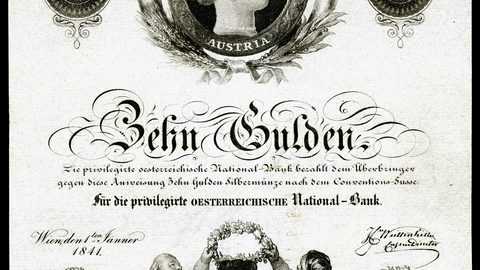 Cash or Card in Austria, Where Euros Still Rule and ATMs Save You
Austria runs on euros, but card acceptance collapses in mountain huts, Heurigen wine taverns, and small village cafés. Carry cash daily.
Cash or Card in Austria, Where Euros Still Rule and ATMs Save You
Austria runs on euros, but card acceptance collapses in mountain huts, Heurigen wine taverns, and small village cafés. Carry cash daily.
-
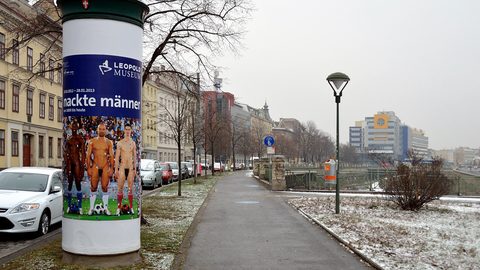 Is Austria Safe, Reading the Advice Without the Anxiety Spiral
Austria is very safe for visitors. The real risks are mountain weather shifts and overestimating hiking ability, not street crime, though Vienna pickpocketing
Is Austria Safe, Reading the Advice Without the Anxiety Spiral
Austria is very safe for visitors. The real risks are mountain weather shifts and overestimating hiking ability, not street crime, though Vienna pickpocketing
-
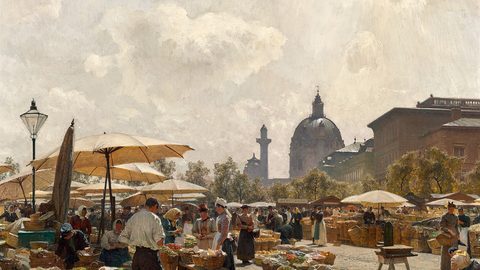 What a trip to Austria costs in real terms and where the money actually goes
Austria costs are shaped by rigid rules, not just choices: Sunday closures, cash-only huts, and non-refundable train tickets define the budget more than any
What a trip to Austria costs in real terms and where the money actually goes
Austria costs are shaped by rigid rules, not just choices: Sunday closures, cash-only huts, and non-refundable train tickets define the budget more than any
-
 Vienna
 is an imperial capital that kept the museums after losing the empire. Here is what the city is actually like beyond the postcard images, and who it
Vienna
Vienna is an imperial capital that kept the museums after losing the empire. Here is what the city is actually like beyond the postcard images, and who it
-
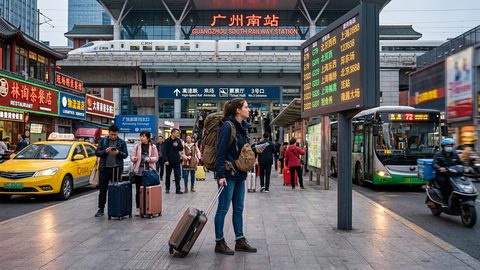 A Ground-Level Logistics Guide to Independent Travel in China
First-time independent travel in China: what you need to know about visas, rail booking, eSIMs, mobile payments, and power adapters.
A Ground-Level Logistics Guide to Independent Travel in China
First-time independent travel in China: what you need to know about visas, rail booking, eSIMs, mobile payments, and power adapters.
-
 How Solo Travelers Stay Ahead of Flight Delays and Cancellations
How solo travelers can track inbound aircraft, claim rebooking rights, and adjust ground transport when flights go wrong — step by step.
How Solo Travelers Stay Ahead of Flight Delays and Cancellations
How solo travelers can track inbound aircraft, claim rebooking rights, and adjust ground transport when flights go wrong — step by step.