Staying Inside the Ringstrasse or Across It in Neubau
The Innere Stadt puts imperial Vienna at your door but goes quiet after 20:00. Neubau trades proximity for independent cafés and later dinners—your evening
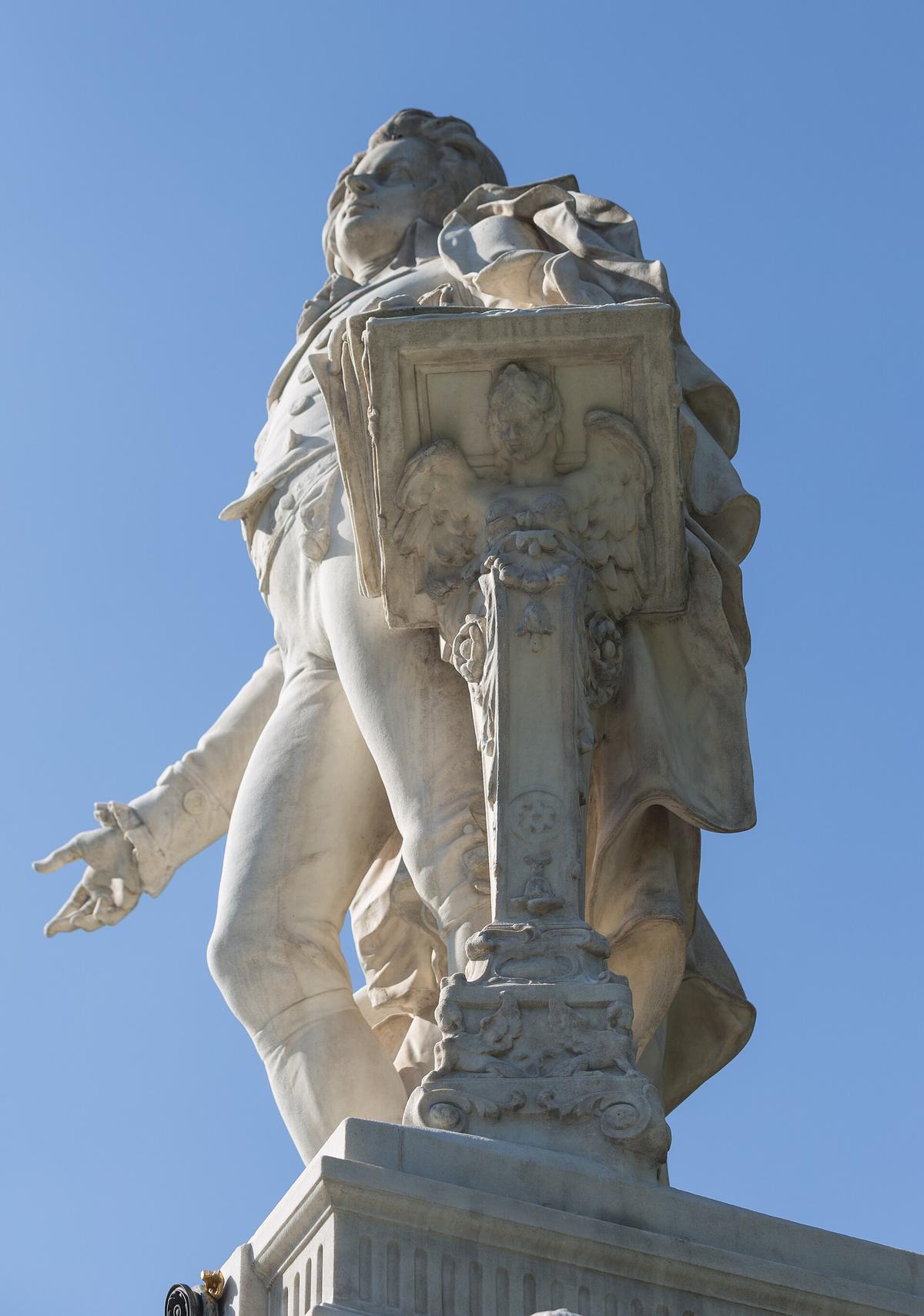

Staying Inside the Ringstrasse or Across it in Neubau
The common mistake about Vienna accommodation is that the Innere Stadt, the first district inside the Ringstrasse, is the only logical place to stay. The logic assumes you want to roll out of your hotel and land at Stephansdom. That works on a two-day trip where you stack sights from dawn to closing. For a longer stay, three full days or more, the nightly rhythm of the area matters more than the morning walk. The decision between the Innere Stadt and Neubau turns on evening atmosphere. The Innere Stadt delivers imperial Vienna on your doorstep but empties after 20:00. Restaurants close by 22:00 on weeknights. Neubau, the seventh district, gives you independent design shops, bars that run later, and a dining scene that does not shut down at the same hour. You trade the Stephansdom-at-dawn walk for a short U-Bahn ride to the core sights. The choice is about what you want to do after 20:00, not before 09:00.
| Factor | Innere Stadt (District 1) | Neubau (District 7) |
|---|---|---|
| Area | 2.88 km² | 1.61 km² |
| Population (2024) | 16,620 | 32,400 |
| Evening Character | Quiet after 20:00, high daytime footfall, quiet after 22:00 except weekend nights around Stephansplatz and Schwedenplatz | Lively until late along Burggasse, Siebensterngasse, and Zollergasse; quieter on side streets |
| Restaurant Access After 22:00 | Limited; standard restaurants close by 22:00 on weeknights | Available; neighbourhood bars and later dining options exist |
| Typical Accommodation | Grand hotels, 5-star international chains, serviced apartments in historic buildings | Small design-led hotels, guesthouses, private apartment rentals |
| Green Space | Limited to Burggarten, Volksgarten, Stadtpark edges | Small courtyard gardens, proximity to MuseumsQuartier courtyards |
| Distance to Major Sights | Walking distance to densest imperial and museum sites | 10–20 minute tram or walk to the same sites |
| Cost Per Square Metre | Higher accommodation cost per square metre | Larger rooms for comparable budget |
Vienna Innere Stadt Hotel Quiet Evenings: What You Actually Get
Quiet Streets, Early Closures
The Innere Stadt is genuinely quiet after 20:00 on most nights. The daytime footfall of tourists and office workers drains out. By 22:00 the streets around the side alleys off the Graben feel empty. That is not a flaw if you want a quiet glass of wine and an early night. Vienna's public etiquette, silent trams, formal public behaviour, amplifies the quiet. You will hear your own footsteps on the cobbles.
The problem is what goes quiet. Standard restaurants in the Innere Stadt close by 22:00 on weeknights. A slow evening meal that starts at 20:30 leaves you rushing the bill. After 22:00, your options shrink to a Würstelstand, the one at Bitzinger by Albertina runs late, serving Käsekrainer with sharp mustard and a beer, or a hotel bar. The grand 5-star properties have bars. They charge accordingly and the atmosphere is lobby quiet, not neighbourhood quiet.
Who It Works For
This suits travellers who finish dinner by 21:00 and want to be in the room by 22:00. It fails anyone who eats late, wants a second drink somewhere with local energy, or finds silent streets at 21:30 depressing rather than romantic. The Innere Stadt is best for culture-first travellers who pack the day with art museums and classical music and collapse after. It is not for anyone who needs evening street life.
Neubau Vienna Apartment Rental District: What the Rhythm Feels Like
A Later Rhythm
Neubau serves a different pattern. It is Vienna's self-conscious cool quarter: former artisan district, now dense with independent design shops, galleries, bars, and restaurants. The population of 32,400 (2024, Statistik Austria) across 1.61 km² means more people per street than the Innere Stadt's 16,620. Those people are active later. The noise profile is lively along Burggasse, Siebensterngasse, and Zollergasse until late. Side streets stay quieter.
For accommodation, Neubau leans toward small design-led hotels, guesthouses, and private apartment rentals. You get larger rooms for a comparable budget than inside the Ringstrasse. The trade is the commute to the core imperial sights: a tram ride or walk to the Ringstrasse, then another walk to the specific site. The U-Bahn stations at Museumsquartier (U2) and Volkstheater (U2, U3) sit on or directly under the Ringstrasse, giving you a direct connection.
The daily rhythm runs later. Cafés serve breakfast until 11:00, Mittagsmenü runs 11:30 to 14:00, and the warm kitchen operates 12:00 to 21:00 in casual restaurants, later in fine dining. After 22:00, you have neighbourhood bars and Würstelstand options on your own streets rather than a single stand by a monument. The local friction of Vienna, restaurants closing early, sparse public toilets with a small coin charge, cash preference, still applies. Neubau's density of independent businesses stretches the evening window further than the Innere Stadt allows.
Vienna Ringstrasse Accommodation Divide: What the Boundary Does
Crossing the Ring
The Ringstrasse divide is not arbitrary. The Ringstrasse, constructed from the 1860s to the 1890s, runs 5.3 km around the Innere Stadt. Staying inside it means walking distance to the densest cluster of imperial and museum sites: Hofburg Palace, Kunsthistorisches Museum, Albertina, Stephansdom. Staying outside it in districts 6 through 9, Neubau, Mariahilf, Josefstadt, Alsergrund, gives you larger rooms, more food and drink options per resident, and a short tram ride or walk to the same sites.
The Ringstrasse tram lines 1, 2, D, and 71 run frequently across modes during daytime, with a continuous bidirectional cycle path separated along most of the length. U-Bahn stations at Schottentor (U2), Herrengasse (U3), Stephansplatz (U1, U3), Stubentor (U3), Karlsplatz (U1, U2, U4), Museumsquartier (U2), and Volkstheater (U2, U3) sit on or directly under the Ringstrasse. You cross the divide in under 10 minutes. The real cost is not transit time but the loss of the Stephansdom-at-dawn walk.
The Late-Night Calculation
The divide matters most between 22:00 and 00:30, when the U-Bahn runs its last service. Standard hours are 05:00 to 00:30, with 24-hour service on nights before Saturdays, Sundays, and public holidays. If you stay in Neubau and have an early morning flight, you walk to the U-Bahn at 05:00, ride to Wien Mitte or Hauptbahnhof, and take the City Airport Train or the S-Bahn S7. Check current single fares on the Wiener Linien or ÖBB website before you travel. If you stay in the Innere Stadt, you do the same; the transit advantage is one fewer walk of about 10 minutes.
Vienna First District vs Seventh District: Evening Preferences Decide
Dinner Time Is the Decider
The first district versus seventh district decision comes down to one question: what time do you eat dinner and what do you want to do afterwards?
If you eat between 18:00 and 20:00, want a single glass of wine, and plan to be in your room by 21:30, the Innere Stadt suits you. You walk to dinner, walk past the empty Burggarten on the way back, and sleep in a silent room. The monumental, ceremonial character of the first district, the UNESCO World Heritage core zone, becomes a feature at that hour. You have the imperial city to yourself.
If you eat at 20:30 or later, want a second drink at a bar that does not close until 01:00, and want to be able to find food after a concert that finishes at 22:00, Neubau is the correct district. The Innere Stadt will frustrate you. You will spend time on a Wiener Linien ticket trying to find a warm kitchen, end up at a Würstelstand, and walk empty streets that feel more dead than romantic. The seventh district gives you options. It trades the imperial doorstep for a tram ride. That ride is short and runs until 00:30.
Length of Stay Tips the Balance
The supporting factor is return visits. First-time visitors with three full days can justify the Innere Stadt premium: you maximise sight time by minimising transit. Repeat visitors, design and contemporary art enthusiasts, food-focused travellers, and anyone doing a longer stay of five days or more should pick Neubau. The neighbourhood rhythm matters more after day three.
Worth it if
- Innere Stadt puts you walking distance to Hofburg Palace, Kunsthistorisches Museum, and Stephansdom
- Innere Stadt is genuinely quiet after 22:00, ideal for early sleepers
- Neubau offers later restaurant hours and neighbourhood bar options after 22:00
- Neubau gives larger rooms and lower cost per square metre
- Neubau suits food-focused travellers and longer stays with its independent dining scene
Skip it if
- Innere Stadt restaurants often close by 22:00 on weeknights, limiting late dining
- Innere Stadt streets are empty after 20:00, which some find isolating
- Neubau requires a 10–20 minute transit to core imperial sights
- Neubau is noisier along main streets until late, not ideal for light sleepers on the front of the building
- Neubau does not give you the Stephansdom-at-dawn walk without a deliberate trip
Vienna Accommodation Choice: Who Each District Suits and Who Should Skip
Innere Stadt: Best Fit and Wrong Fit
The Innere Stadt suits first-time visitors prioritising proximity to major sights and willing to pay for centrality. It works for travellers with mobility constraints and business travellers needing short walks to institutions. It does not suit party-centric backpackers on a shoestring budget. It fails travellers seeking chaotic, round-the-clock street energy. It also fails those who find imperial pomp and formality stuffy or oppressive.
Neubau: Best Fit and Wrong Fit
Neubau suits repeat visitors, design and contemporary art enthusiasts, food-focused travellers, nightlife-oriented stays, and longer stays valuing neighbourhood rhythm over monument proximity. It does not suit anyone who wants to step out of their accommodation and see the cathedral at the end of the street. It does not suit anyone who resents a short transit ride to a core sight.
The single thing that most often goes wrong: visitors book the Innere Stadt for the convenience and then realise after 22:00 they have nowhere interesting to eat or drink. They walk the empty streets once, then take a tram to Neubau the next night, realising they should have stayed there all along. If you eat dinner after 20:30 or want a drink after 22:00, stay in Neubau. If you are asleep by 22:00, stay inside the Ringstrasse.
Read next
-
 Vienna Hotels What the Price Bands Actually Get You
Vienna hotel price bands deliver distinctly different experiences. Here is what each band actually gets you, from building type to seasonal pricing patterns.
Vienna Hotels What the Price Bands Actually Get You
Vienna hotel price bands deliver distinctly different experiences. Here is what each band actually gets you, from building type to seasonal pricing patterns.
-
 Where to Stay in Vienna District by District and What Each Costs You
Where to stay in Vienna depends on what you are willing to trade off. Each district costs you something different in time, money, and atmosphere.
Where to Stay in Vienna District by District and What Each Costs You
Where to stay in Vienna depends on what you are willing to trade off. Each district costs you something different in time, money, and atmosphere.
-
 Flying into Vienna airport and getting to the city without a mistake
Vienna airport offers four ways into the city, and the wrong choice can cost you time or money.
Flying into Vienna airport and getting to the city without a mistake
Vienna airport offers four ways into the city, and the wrong choice can cost you time or money.
-
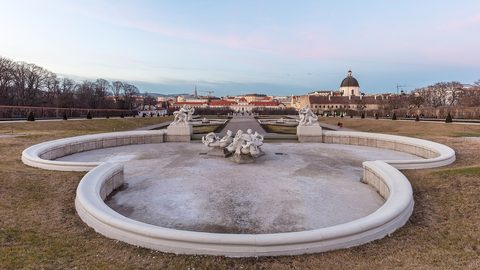 What to Do in Vienna Ordered by Whether It Is Worth the Time
Three full days is the minimum to see the core sights. Less forces a brutal trade-off between the imperial palaces and any sense of Vienna's neighbourhood lif
What to Do in Vienna Ordered by Whether It Is Worth the Time
Three full days is the minimum to see the core sights. Less forces a brutal trade-off between the imperial palaces and any sense of Vienna's neighbourhood lif
-
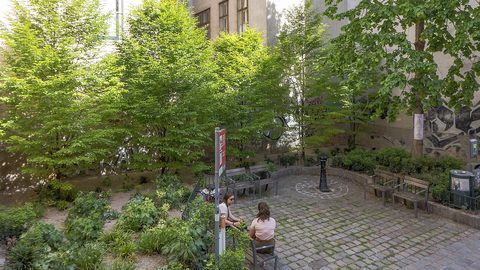 When to Visit Vienna and What Each Season Does to the City
At 16:30 in mid-December, the Rathausplatz Christmas market is already shoulder to shoulder. You cannot move freely; you shuffle.
When to Visit Vienna and What Each Season Does to the City
At 16:30 in mid-December, the Rathausplatz Christmas market is already shoulder to shoulder. You cannot move freely; you shuffle.
-
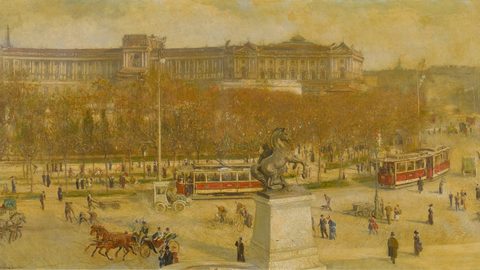 Getting Around Vienna Without Wasting Half Your Trip on Foot
Most visitors waste the first hour of their Vienna trip standing on a tram platform, ticketless, watching the doors close.
Getting Around Vienna Without Wasting Half Your Trip on Foot
Most visitors waste the first hour of their Vienna trip standing on a tram platform, ticketless, watching the doors close.
-
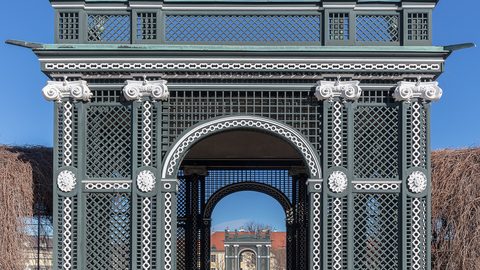 Schönbrunn Palace
 requires a strategy, not just a ticket. Here is how the entrance works, why the Grand Tour needs advance booking, and how to use the free
Schönbrunn Palace
Schönbrunn Palace requires a strategy, not just a ticket. Here is how the entrance works, why the Grand Tour needs advance booking, and how to use the free
-
 Hofburg
The Hofburg is several attractions sharing one name. Here is which sections matter, how the ticket bundles actually work, and a cheaper way to see the
Hofburg
The Hofburg is several attractions sharing one name. Here is which sections matter, how the ticket bundles actually work, and a cheaper way to see the
-
 Belvedere
The Belvedere is two museums, not one, and The Kiss is in Upper Belvedere. Here is how to pick the right ticket and why the gardens cost nothing to walk through.
Belvedere
The Belvedere is two museums, not one, and The Kiss is in Upper Belvedere. Here is how to pick the right ticket and why the gardens cost nothing to walk through.