Understanding Vienna Coffee House Etiquette for a Long Stay
A Viennese coffee house is a room you rent for the price of a coffee. Here is how the menu works, what to order, and why the Sachertorte is deliberately dry.

How a Viennese Coffee House Actually Works
A Viennese coffee house is not a cafe where you order, pay, and leave. It runs on a formal rhythm. The waiter assigns you a table. You order once. That table is then yours indefinitely. The rules are strict, and they exist to keep this system running.
Viennese Coffee House Culture was inscribed as a UNESCO intangible cultural heritage listing in 2011. That designation protects the ritual, not just the coffee. The tradition dates to the 17th century, from Ottoman siege coffee supplies. The Verband der Wiener Kaffeehäuser publishes the official count of traditional houses at www.kaffeehaeuser.at.
You will be seated by a waiter. Do not sit at a table that is set without being directed. Waiters address the table in formal German. Call them "Herr Ober" or make eye contact and raise your hand. Once seated, your order triggers the clock. That single order entitles you to stay anywhere from one to four hours with no upper limit enforced. You will not be rushed. But you must order something.
Viennese Coffee House What to Order: the Menu Decoded
The menu lists 15 to 30 named preparations, grouped by colour: black, brown, white. Every drink starts from a single or double espresso pulled from a portafilter machine. A glass of water arrives with every order and is replenished unprompted at no charge. That water glass is standard 0.2 litres. The coffee cups range from 25 to 30 ml for a Kleiner size up to 150 to 180 ml for a Melange.
Black Coffee Base
A Kleiner Schwarzer is a single espresso, roughly 40 to 60 mg caffeine. A Großer Schwarzer is a double, 80 to 120 mg. A Verlängerter is that espresso lengthened with hot water, similar to an Americano. These are the purest options.
Brown Coffee with Milk on the Side
A Kleiner Brauner is a single espresso served with a small jug of cream or milk on the side. You pour it yourself. A Großer Brauner is the same but a double shot. This is the traditional way to control your own strength and temperature.
Milk Based Signature Drinks
The signature coffee of Vienna is the Melange: espresso with steamed milk and a layer of milk foam, comparable to a cappuccino but milder. A Franziskaner substitutes whipped cream for the milk foam. A Kapuziner is a black coffee with a splash of milk, named for the colour of a Capuchin monk robe.
Whipped Cream Specialties
An Einspänner is a double espresso served in a glass topped with whipped cream and dusted with powdered sugar. It comes with a small spoon. A Fiaker is the same but with a shot of rum or fruit schnapps. A Maria Theresia adds orange liqueur. These are richer, slower drinks.
Seasonal and Non Coffee Options
Eiskaffee dominates June through August. It is cold coffee poured over vanilla ice cream and topped with whipped cream, served in a tall glass. It is not an iced latte. Hot milk drinks peak from November through February. The non-coffee classic is a Heiße Schokolade, a dense hot chocolate often served with whipped cream.
Café Central Vienna Eiskaffee: the Cold Coffee Test
Café Central is a landmark house in the Innere Stadt. Its Eiskaffee is a benchmark for the category: a tall glass of strong cold coffee with vanilla ice cream and a mountain of unsweetened whipped cream. Eat the ice cream with a spoon first, then drink the coffee through the melting cream.
Order this in July and you will share the room with two hundred other people. Peak hours are weekday afternoons from 14:00 to 17:00. Arrive before 10:00 on a weekday morning; that is the quietest window. The house does not take reservations for single guests, so expect a wait during peak and weekend periods. If the queue at Café Central is too long, walk three minutes to Café Schwarzenberg on the Ringstrasse for a comparable Eiskaffee with less queue time.
Café Sacher Vienna Sachertorte: the Honest Assessment
The Sachertorte at Café Sacher is famous. It is also dry. The chocolate cake is a dense sponge layered with apricot jam and coated in a dark chocolate glaze. The dryness is intentional, because the serving comes with a generous dollop of unsweetened whipped cream. The cream provides moisture. Do not ask for sweetened cream. That would break the balance.
Expect a queue. The line wraps around the corner of the hotel entrance during midday. Skip the queue entirely by ordering a slice to take away from the adjacent Sacher Shop, which has its own shorter line. Eat it on a bench in the Burggarten directly across the street. The indoor dining room is wood panelled, formal, and loud with conversation. Children and well-behaved dogs are both welcome.
Beyond Sachertorte
One slice per person is the norm. Shared plates are uncommon but accepted. Cakes are displayed in a glass vitrine or carried on a tray by the waiter. Classic options include Apfelstrudel with thin pulled pastry, Topfenstrudel with curd cheese, Esterházy-Schnitte layered nut meringue with buttercream, Kardinalschnitte sponge and meringue layers with coffee cream, and Punschkrapfen a rum-punch-soaked sponge cube with pink glaze.
Vienna Coffee House Staying All Afternoon: the Long Game
One order covers an indefinite stay. No waiter will check on you unless summoned. This is not neglect. It is the system. Signal you want to pay by catching the waiter's eye and making a small gesture with your hand or by saying "zahlen bitte". The waiter places a paper slip on your table. You pay at the table, not at a counter.
Round up by 5 to 10 percent. State the total you wish to pay when handing over the cash or card. Say "zwanzig, bitte" for a 20 euro total when the bill is 18.50. Card acceptance varies by house and by year. The Verband der Wiener Kaffeehäuser publishes the current payment norms on their website. Cash is still most common, so carry enough.
Reading material is provided: national and international newspapers on wooden holders. Return the newspaper to the holder when done. Do not remove it from the premises. Wi-Fi is present in most modern houses but absent in some traditional ones by deliberate policy. Laptop work is tolerated in modern houses but discouraged or banned in the traditional ones. If you need to work, choose a modern cafe in Neubau or Mariahilf. If you want the full traditional experience, leave the laptop at your accommodation.
,_Austria_01.jpg)
The Ritual of Water, Cake, and the Signal to Pay
The glass of water arrives with the coffee. It will be refilled without you asking. This is not a one-time service. It is part of the guarantee that you can stay for hours. Toilet access is downstairs in older houses, and some houses have a toilet attendant who expects a small coin tip. Public toilets in the city require coins, so keep change. Some contactless payment terminals fail.
Savory food is available in most houses: small warm dishes like goulash, sausages, and soups. Many houses serve a Frühstück breakfast until late morning with egg dishes, bread baskets, and jam. The same menu runs from opening to close with no lunch or dinner switch. Outdoor seating runs roughly from April to October, weather dependent. Some houses use gas heaters or provide blankets.
The distinctive interior elements are consistent: Thonet bentwood chairs, marble topped tables, mirrored walls, and chandeliers. Table sizes range from small round tables seating two to three up to larger rectangular tables for groups. Solo visitors are common and unremarkable. If you sit at a small table, your coffee and water will fit, but if you order cake as well, ask for a side table or a larger surface.
| Name | Base | Serving Size | Key Feature |
|---|---|---|---|
| Kleiner Schwarzer | Single Espresso | 25-30 ml | Black, no milk |
| Großer Schwarzer | Double Espresso | 50-60 ml | Black, double strength |
| Kleiner Brauner | Single Espresso + milk jug | 25-30 ml + milk | You pour the milk yourself |
| Melange | Espresso + steamed milk + foam | 150-180 ml | Signature Viennese coffee |
| Einspänner | Double Espresso | 50-60 ml in glass | Topped with whipped cream and powdered sugar |
| Verlängerter | Espresso + hot water | 100-150 ml | Americano-style |
| Eiskaffer | Cold coffee + vanilla ice cream | Tall glass | Topped with whipped cream, served June-August |
What Goes Wrong Most Often
Carry cash and a handful of coins before you enter any coffee house. The failure case is this: you order, stay for two hours, and when you signal to pay, the waiter tells you their card terminal is down. Many traditional houses still operate cash first. A "cards accepted" sign does not guarantee Visa or Mastercard. The second most common failure is the toilet: you need coins for the public toilet, and many house toilets are downstairs. If you have mobility issues, ask before sitting down whether there is a ground floor toilet.
The third failure: you sit down without being directed. A waiter may tell you that table is reserved or that you must wait. Stand near the entrance until a waiter acknowledges you. Do not sit at a set table. The fourth failure: you order an Eiskaffee in December. It is served, but it is cold and the house has stopped heating the outdoor terrace. Seasonal patterns matter. Hot milk drinks dominate the colder months. Order a Heiße Schokolade instead.
Read next
-
 Vienna Hotels What the Price Bands Actually Get You
Vienna hotel price bands deliver distinctly different experiences. Here is what each band actually gets you, from building type to seasonal pricing patterns.
Vienna Hotels What the Price Bands Actually Get You
Vienna hotel price bands deliver distinctly different experiences. Here is what each band actually gets you, from building type to seasonal pricing patterns.
-
 Where to Stay in Vienna District by District and What Each Costs You
Where to stay in Vienna depends on what you are willing to trade off. Each district costs you something different in time, money, and atmosphere.
Where to Stay in Vienna District by District and What Each Costs You
Where to stay in Vienna depends on what you are willing to trade off. Each district costs you something different in time, money, and atmosphere.
-
 Flying into Vienna airport and getting to the city without a mistake
Vienna airport offers four ways into the city, and the wrong choice can cost you time or money.
Flying into Vienna airport and getting to the city without a mistake
Vienna airport offers four ways into the city, and the wrong choice can cost you time or money.
-
 What to Do in Vienna Ordered by Whether It Is Worth the Time
Three full days is the minimum to see the core sights. Less forces a brutal trade-off between the imperial palaces and any sense of Vienna's neighbourhood lif
What to Do in Vienna Ordered by Whether It Is Worth the Time
Three full days is the minimum to see the core sights. Less forces a brutal trade-off between the imperial palaces and any sense of Vienna's neighbourhood lif
-
 When to Visit Vienna and What Each Season Does to the City
At 16:30 in mid-December, the Rathausplatz Christmas market is already shoulder to shoulder. You cannot move freely; you shuffle.
When to Visit Vienna and What Each Season Does to the City
At 16:30 in mid-December, the Rathausplatz Christmas market is already shoulder to shoulder. You cannot move freely; you shuffle.
-
 Getting Around Vienna Without Wasting Half Your Trip on Foot
Most visitors waste the first hour of their Vienna trip standing on a tram platform, ticketless, watching the doors close.
Getting Around Vienna Without Wasting Half Your Trip on Foot
Most visitors waste the first hour of their Vienna trip standing on a tram platform, ticketless, watching the doors close.
-
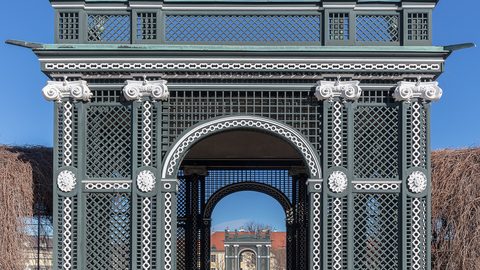 Schönbrunn Palace
 requires a strategy, not just a ticket. Here is how the entrance works, why the Grand Tour needs advance booking, and how to use the free
Schönbrunn Palace
Schönbrunn Palace requires a strategy, not just a ticket. Here is how the entrance works, why the Grand Tour needs advance booking, and how to use the free
-
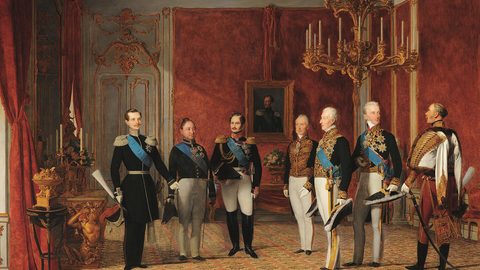 Hofburg
The Hofburg is several attractions sharing one name. Here is which sections matter, how the ticket bundles actually work, and a cheaper way to see the
Hofburg
The Hofburg is several attractions sharing one name. Here is which sections matter, how the ticket bundles actually work, and a cheaper way to see the
-
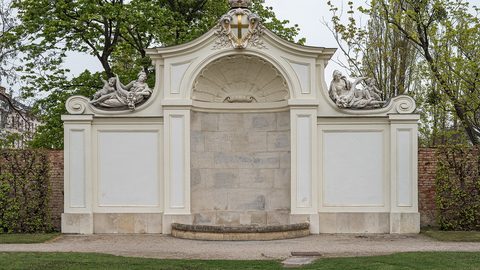 Belvedere
The Belvedere is two museums, not one, and The Kiss is in Upper Belvedere. Here is how to pick the right ticket and why the gardens cost nothing to walk through.
Belvedere
The Belvedere is two museums, not one, and The Kiss is in Upper Belvedere. Here is how to pick the right ticket and why the gardens cost nothing to walk through.