Vienna Innere Stadt District Guide Inside the Ring and Beyond
Vienna's first district holds the cathedral, the palace, and most of the postcard views inside the Ringstrasse.
- Flag
-

- ISO code
- AT
- Population
- 16,450
- Currency
- EUR
- Timezone
- Europe/Vienna
Innere Stadt Vienna: Inside the Ringstrasse
The common wrong assumption about Vienna's first district is that the Innere Stadt is a single sightseeing blob, one continuous block of palace cathedral museum. It is not. The Innere Stadt is a contained circuit inside the Ringstrasse, 2.87 square kilometres of irregular medieval lanes braced by a formal 19th century boulevard. Its rhythm changes hard between 10am and 10pm. This guide tells you where the crowds pool, where they disappear, and what actually happens after the last tour group leaves.
The Innere Stadt holds roughly 16,000 residents. During daytime the population swells to between 150,000 and 200,000 workers and visitors. That ratio is the central fact of this district. You get the monumental shell of a capital city without the daily life that normally fills it. The streets are crammed midday, then empty fast. The Viennese do not live here in any meaningful numbers; they work here, and when the offices close, they leave. By 20:00 the pedestrian arteries drain. This is not a defect. It is the Innere Stadt's actual character, and knowing it saves you the frustration of wandering a dead zone at 21:30 expecting Gemütlichkeit.
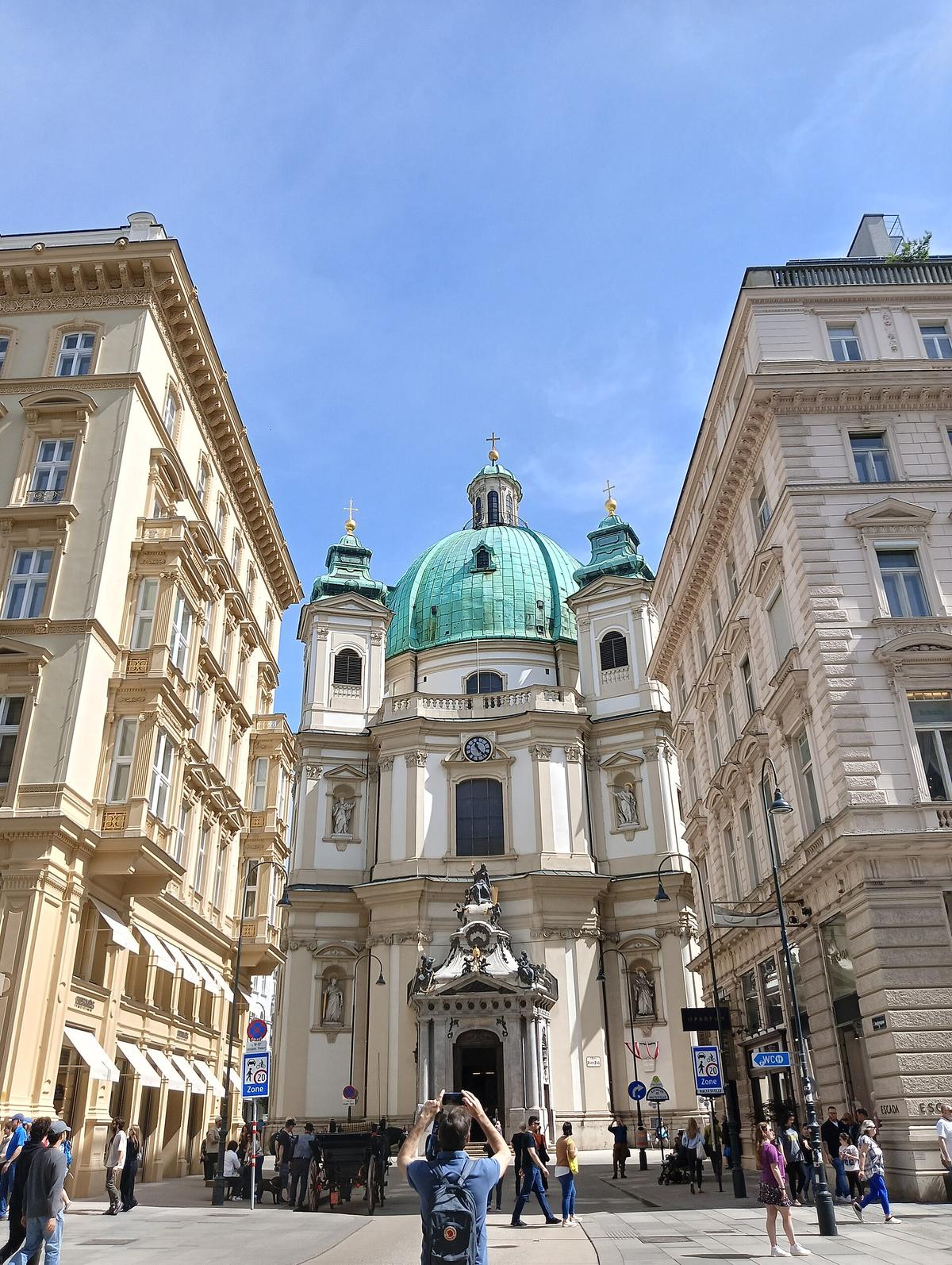

Stephansdom Vienna Free Nave
The Free Nave Strategy
Stephansdom charges for the towers and the catacombs, but the nave is free. That is the version most travellers should use. Walk in through the main west portal, look up at the diamond patterned tile roof, and stand there for five minutes. That is the experience. The south tower climb costs a fee and a long staircase, and the view is good but not better than the one from the Donauturm. The north tower uses a lift and costs less, but the queue forms early. Skip both if your schedule is tight. The free nave tells you everything essential about Gothic Vienna: the scale, the light, the formal precision. The paid extras are for enthusiasts only.
When to Arrive
Timing matters here. Arrive before 09:00 or after 16:00. The nave fills with guided groups from 10:00 to 14:00, and the audio guide traffic inside the north tower entrance makes the free area feel like a queue for something else. You do not need to book the free nave. You just show up. But check the mass schedule online before you go; during services visitors are restricted to the rear of the church. The official tourism information source for all Vienna sights is WienTourismus at wien.info, and that site posts the daily mass times.
Hofburg Palace Vienna Imperial Apartments
Imperial Apartments and the Sisi Museum
The Hofburg Palace complex covers a sprawling assembly of buildings from the 13th century through the 19th, and most visitors head straight for the Imperial Apartments and the Sisi Museum. The Imperial Apartments are the section worth your time. Book a timed entry slot online before you arrive. Walk up ticketing on the day can mean a 45 minute wait in the Heldenplatz queue, and no shade covers it. The apartments show 24 rooms of Habsburg living quarters. The detail is in the furniture: the washstands, the stoves, the writing desks. It is not the ceremonial grandeur of Schönbrunn. It is domestic formality, and that is more revealing.
The Sisi Museum attached to the same ticket tells the Empress's biography through personal objects. Do it if you have the patience for a museum that is essentially a hagiography with better lighting.
The Spanish Riding School
The Spanish Riding School is next door, but you book that separately. The stables are open for the Lipizzaner morning exercise sessions, which happen most days at 10:00, and those tickets sell out two weeks in advance. The riding school performances cost significantly more, book months ahead, and run from March to June and September to November.
Vienna Ringstrasse Walking Route
The Counter-Clockwise Loop
The Ringstrasse measures 5.3 kilometres around the Innere Stadt, and the best walking route starts at the Staatsoper and goes counter clockwise. From the Staatsoper, walk north past the Kunsthistorisches Museum on your left and the Naturhistorisches Museum on your right. Continue to the Rathaus, then the Burgtheater, then the Universität Wien. Cut through the Votivpark, and finish at the Danube Canal. The full loop takes about 90 minutes at a steady pace. Budget two hours because you will stop.
Trams and Tickets
Tram lines 1, 2, D and 71 run the same route if your legs give out. They use the same single ticket as the U-Bahn. Buy that ticket before you board. Tickets are not sold on trams. You use a station machine, a Tabak Trafik shop, or the WienMobil app. The peril is that the machines take coins and some contactless cards, and the card reader sometimes fails. Keep €10 in small coins for tickets. A single ride costs the same as a 24 hour pass over the distance you actually travel, so calculate your total trips before you choose: three or more journeys and the 24 hour pass wins.
Albertina and the Coffee House Cluster
The Albertina and Its Terrace
The Albertina holds a vast collection of drawings and a million prints, but you come for the Habsburg staterooms that house them. The permanent collection shows Dürer, Rembrandt, and Klimt. The temporary exhibitions occupy the grand halls on the upper floor. Book tickets online. The queue for same day entry at the side entrance on Augustinerstraße can reach half an hour by 11:00. The rooftop terrace is free and gives a sharp view of the Staatsoper and the rooftops of the first district. Use it as a mid route reset point.
Café Sacher vs Café Central
Flanking the Albertina are the coffee houses that define the Innere Stadt's café culture. Café Sacher is across the street. The queue looks painful and the Sachertorte is dry, but the point of Café Sacher is the room, not the cake: the red velvet, the uniformed waiters, the chandeliers. Order a slice and a glass of water, eat it quickly, and leave. You paid for the setting, not the food. Café Central on Herrengasse is a better bet for lingering. The Wiener Eiskaffee is the drink to order there, a bowl of vanilla ice cream in cold coffee, which is not a latte. The room is cathedral high, the waiters are professional and brisk, and the turnover means you can sit for an hour without pressure as long as you order something.
Innere Stadt Evening Quiet
After the Shops Close
After 20:00 the Innere Stadt becomes a different place. The shops on Graben and Kärntner Straße close by 19:30. The offices empty. The tour groups retreat to hotels in other districts. The pedestrian zone goes quiet. The noise character shifts from high daytime footfall to a low hum around Stephansplatz and Kärntner Straße, and even those areas thin out by 21:00. This is not a complaint. It is a warning about dinner plans.
Late Food and Nightlife Reality
Restaurants in the Innere Stadt often close by 22:00 on weeknights. Late dining options shrink dramatically after 21:00. The Bitzinger Würstelstand next to the Albertina serves Käsekrainer with sharp mustard and a beer until late. It is the most reliable late night food in the district. The Prater is across the river in Leopoldstadt and stays open later, but the Innere Stadt itself goes dark. If you want a proper seated meal, book for 19:00, not 21:00. If you want a neighbourhood restaurant that serves food past 22:30, stay in Wieden or Neubau. The Innere Stadt after 20:00 suits the traveller who wants a quiet walk along the Ringstrasse under lit facades, then bed. It does not suit anyone expecting nightlife.
The exception is the Wiener Eistraum ice rink on Rathausplatz, which runs from January to March and keeps the area active until 21:00 or later. December weekends around the Christmas markets at Rathausplatz, Stephansplatz, and Am Hof stay crowded until 20:00, but the markets close by 21:00, and the streets empty fast after that.
,_Austria_%F0%9F%87%A6%F0%9F%87%B9_2025-05_street_scene.jpg)
Eating in the First District: What Works and What Does Not
The Restaurant Landscape
The Innere Stadt has the highest concentration of restaurants in Vienna, weighted toward mid range and high end. Traditional Viennese cuisine, Italian, Japanese, French, and modern European are all represented. Few inexpensive local options exist. The visitor profile suited to eating here is the traveller who budgets for a white tablecloth dinner and wants formality. The budget traveller should cross the Ring into Mariahilf or Neubau for mid range food on Mariahilfer Straße.
Three Tables Worth Booking
Gasthaus Wolf on the edge of the district serves Beuschel, a veal lung ragout in cream sauce. It is one of the few places inside the Innere Stadt where the clientele includes actual Viennese. Plachutta on Wollzeile is the address for Tafelspitz, the boiled beef with root vegetables and apple horseradish. It costs more than its sister branches in Landstraße. Reserve three days ahead for dinner. Trzesniewski serves open faced finger sandwiches from multiple branches. It is a standing only lunch spot that costs under €10. Use it for a fast midday meal between sights.
Getting Around the Innere Stadt
Walking and the U-Bahn
The Innere Stadt is walkable end to end in 25 minutes. From the Staatsoper to the Universität Wien is 20 minutes at a normal pace. The U Bahn stations inside or on the boundary include Stephansplatz on U1 and U3, Karlsplatz on U1, U2 and U4, Herrengasse on U3, Schwedenplatz on U1 and U4, and Stubentor on U3. Use them to exit the district, not to move within it. Walking is faster than waiting for a train to cover three blocks.
Tickets and Night Transport
The public transport authority is Wiener Linien, and its website wienerlinien.at posts the current ticket prices and the 24 hour weekend passes. Night transport matters: the U Bahn runs 24 hours on nights before Saturdays, Sundays, and public holidays, and night bus lines N25, N38, N60, and N66 serve the district boundary. The critical friction is cash. Many ticket machines reject foreign contactless cards. Carry coins.
Local Friction: What Goes Wrong
Toilets, Cash, and Jaywalking
Public toilets in the Innere Stadt are sparse and cost a small coin fee. They require exact coins or a contactless payment that sometimes fails. Use the restrooms inside museums and coffee houses before you need one on the street. The Hofburg and the Kunsthistorisches Museum have free toilets.
Cash remains common. Many museums and shops display a cards accepted sign that does not guarantee Visa or Mastercard. Carry at least €50 in small notes. The city's strict jaywalking culture is genuine: locals will glare or tut if you cross against a red pedestrian light, even on an empty street. Wait for the green. It feels absurd, but it avoids a confrontation that costs you nothing to sidestep.
Apps and Connectivity
The free city WiFi covers many squares but requires re registration every time the session drops. The WienMobil app is essential for ticket purchase and route planning, and it works offline for route maps if you download the district before you arrive.
Who the Innere Stadt Suits and Who it Does Not
Who Should Stay Here
The Innere Stadt suits culture first travellers who genuinely enjoy art museums and classical music. It suits couples seeking a polished, walkable romantic break. It suits solo travellers who value safety and efficient infrastructure. It suits older travellers who appreciate flat terrain, excellent public transport, and clean streets. It requires a minimum of three full days in Vienna. Less than that forces a brutal trade off between the core imperial sights and any sense of neighbourhood life beyond the Ring.
Who Should Stay Elsewhere
The Innere Stadt does not suit party centric backpackers on a shoestring budget. It does not suit travellers seeking chaotic, round the clock street energy. It does not suit anyone who finds imperial pomp and formality stuffy or oppressive. If you want a district that hums with local life past midnight, stay in Neubau or Wieden. If you want to walk empty boulevards past floodlit palaces at 21:30 and feel like you have the city to yourself, the first district delivers exactly that.
Other areas in Vienna
Common Questions
Is the Innere Stadt safe at night?
Yes. The Innere Stadt is one of the safest urban districts in Europe. The streets are well lit, the public transport runs reliably, and the low population density after 20:00 means few people are around to cause trouble. Solo travellers of any gender walk alone here without concern.
How much time should I budget for the Hofburg Imperial Apartments?
Budget 90 minutes for the Imperial Apartments and the Sisi Museum together if you move at a steady pace. Add 30 minutes for the Spanish Riding School stables if you book the morning exercise session. The full Hofburg complex including all museums requires a full day.
Where do Viennese people eat dinner in the first district?
Most Viennese do not eat dinner in the Innere Stadt. They work here and go home to other districts to eat. The exceptions are business dinners at Plachutta and Gasthaus Wolf, and the occasional tourist industry worker grabbing a Würstelstand after a shift. The local dining scene lives in Wieden, Neubau, and Josefstadt.
What is the best way to get from the airport to the Innere Stadt?
Take the ÖBB Railjet from the airport to Wien Hauptbahnhof. It runs every 30 minutes and takes 15 minutes. From Hauptbahnhof, take the U1 to Stephansplatz. The City Airport Train is faster at 16 minutes but arrives at Wien Mitte, which is a 10 minute walk or one U Bahn stop from the district centre. Check current fares on the ÖBB and CAT websites before you travel.
Can I walk from the Innere Stadt to Schönbrunn Palace?
No. Schönbrunn is 5 kilometres southwest in Hietzing. Walking takes over an hour. The U4 from Karlsplatz to Schönbrunn station takes 12 minutes. Do not attempt the walk. The common mistake of assuming Vienna is a compact walking city wastes hours that a short U Bahn ride would save.
Read next
-
 Vienna Hotels What the Price Bands Actually Get You
Vienna hotel price bands deliver distinctly different experiences. Here is what each band actually gets you, from building type to seasonal pricing patterns.
Vienna Hotels What the Price Bands Actually Get You
Vienna hotel price bands deliver distinctly different experiences. Here is what each band actually gets you, from building type to seasonal pricing patterns.
-
 Where to Stay in Vienna District by District and What Each Costs You
Where to stay in Vienna depends on what you are willing to trade off. Each district costs you something different in time, money, and atmosphere.
Where to Stay in Vienna District by District and What Each Costs You
Where to stay in Vienna depends on what you are willing to trade off. Each district costs you something different in time, money, and atmosphere.
-
 Flying into Vienna airport and getting to the city without a mistake
Vienna airport offers four ways into the city, and the wrong choice can cost you time or money.
Flying into Vienna airport and getting to the city without a mistake
Vienna airport offers four ways into the city, and the wrong choice can cost you time or money.
-
 What to Do in Vienna Ordered by Whether It Is Worth the Time
Three full days is the minimum to see the core sights. Less forces a brutal trade-off between the imperial palaces and any sense of Vienna's neighbourhood lif
What to Do in Vienna Ordered by Whether It Is Worth the Time
Three full days is the minimum to see the core sights. Less forces a brutal trade-off between the imperial palaces and any sense of Vienna's neighbourhood lif
-
 When to Visit Vienna and What Each Season Does to the City
At 16:30 in mid-December, the Rathausplatz Christmas market is already shoulder to shoulder. You cannot move freely; you shuffle.
When to Visit Vienna and What Each Season Does to the City
At 16:30 in mid-December, the Rathausplatz Christmas market is already shoulder to shoulder. You cannot move freely; you shuffle.
-
 Getting Around Vienna Without Wasting Half Your Trip on Foot
Most visitors waste the first hour of their Vienna trip standing on a tram platform, ticketless, watching the doors close.
Getting Around Vienna Without Wasting Half Your Trip on Foot
Most visitors waste the first hour of their Vienna trip standing on a tram platform, ticketless, watching the doors close.
-
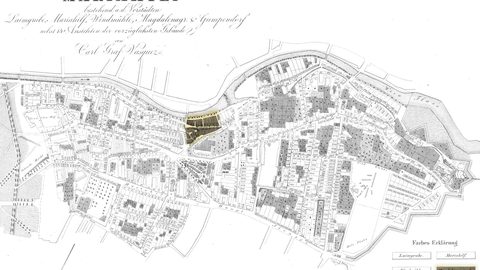 Mariahilf
 is Vienna's sixth district, built around the Naschmarkt food market and the long Mariahilfer Strasse shopping strip.
Mariahilf
Mariahilf is Vienna's sixth district, built around the Naschmarkt food market and the long Mariahilfer Strasse shopping strip.
-
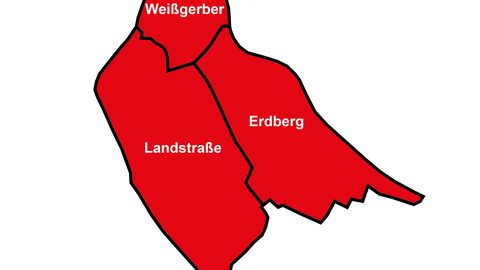 Landstrasse
 is Vienna's third district, home to the Belvedere palace and Klimt's The Kiss, the embassy quarter, and Wien Mitte station where the airport train
Landstrasse
Landstrasse is Vienna's third district, home to the Belvedere palace and Klimt's The Kiss, the embassy quarter, and Wien Mitte station where the airport train
-
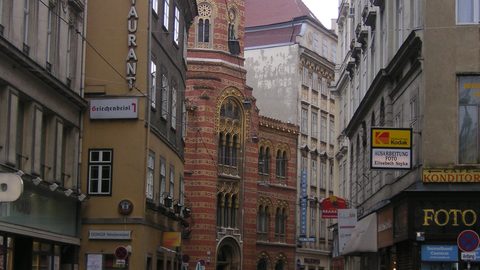 Leopoldstadt
 is Vienna's second district, home to the vast Prater park and the edgy Karmelitermarkt. It is the fastest-changing quarter in the city, and it feels it.
Leopoldstadt
Leopoldstadt is Vienna's second district, home to the vast Prater park and the edgy Karmelitermarkt. It is the fastest-changing quarter in the city, and it feels it.