A Berlin Travel Guide for People Who Like Cities More Than Postcards
Berlin is a sprawling, unpolished capital of villages with a creative pulse and a deep obsession with its own layered history. Here is how to approach it.
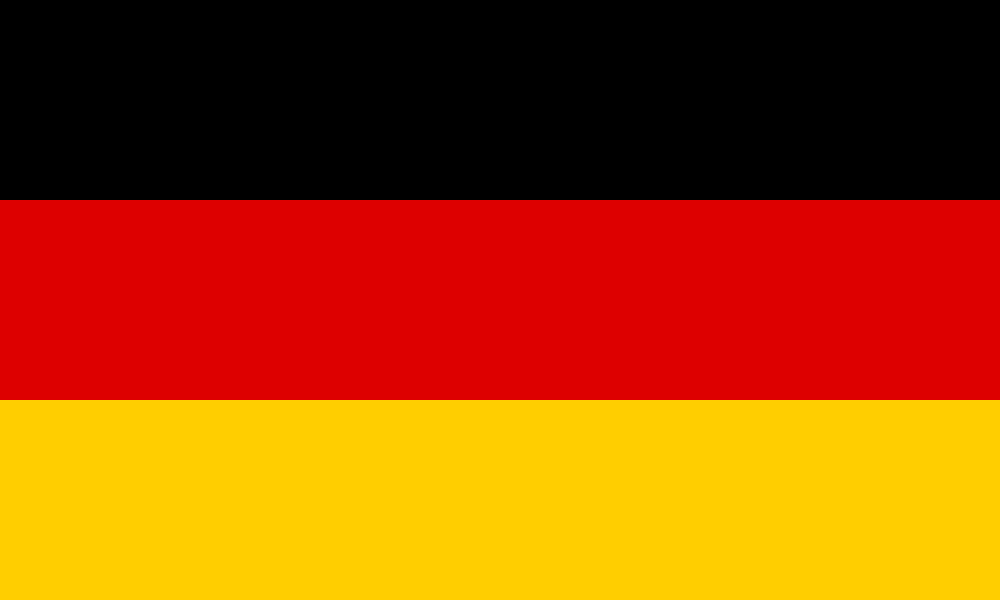
- Flag
-
- ISO code
- DE
- Population
- 3,426,354
- Currency
- EUR
- Timezone
- Europe/Berlin
A Berlin Travel Guide for People Who Like Cities More Than Postcards
Berlin is 891.8 square kilometres of unpolished, fragmented urban sprawl pretending to be a single city. That is the single most useful fact you can carry. If you came expecting a compact, carefully preserved old town where everything sits within a ten minute walk of the central square, you booked the wrong trip. Berlin does not have a central square. It has twelve boroughs, a blunt local culture called the Berliner Schnauze, and a geography that demands you treat public transport as your primary mode of movement, not an occasional convenience. This guide resets your expectations before you arrive: Berlin is not pretty in the way Paris is pretty, not efficient in the way Munich is efficient, and not walkable in the way Amsterdam is walkable. It is a sprawling capital made up of villages, each with its own character, each separated by a forty minute U Bahn or S Bahn ride. For the traveller who wants grit over gloss, history that has not been sanded down, and a city that feels lived in rather than curated, that is exactly why Berlin works.
- Minimum Days: 4 days to cover core historical sights and sample nightlife once
- Peak Season: May to September for warm weather, street life, open air clubs and lakeside bars
- Avoid Window: Major trade fairs (IFA early September, ITB early March) inflate hotel prices; Christmas to New Year shuts many independent venues
- Getting In: Berlin Brandenburg Airport (BER); FEX or RE7 train to Hauptbahnhof in 30 min (S9 takes 55 min); buy an ABC ticket at the station machine
- Ticket Rule: Validate paper tickets in red or yellow boxes before boarding; unvalidated = invalid, plain-clothes inspectors fine on the spot
- Local Friction: Cash is mandatory in many bars and restaurants; reservations essential Thursday to Saturday; distances take 40+ minutes by transit
Is Berlin Worth Visiting? Yes, If You Want a City That Feels Real
Berlin is worth visiting if you prefer neighbourhood life to monument hopping and you do not need a city to be pretty to find it beautiful. Budget four days minimum. Three days lets you rush the historical core. Four days gives you time to see Museum Island without sprinting through five museums, to spend an afternoon at Tempelhofer Feld, and to experience one night out without wrecking the next morning. Five to seven days is when day trips to Potsdam or the Spreewald become practical.
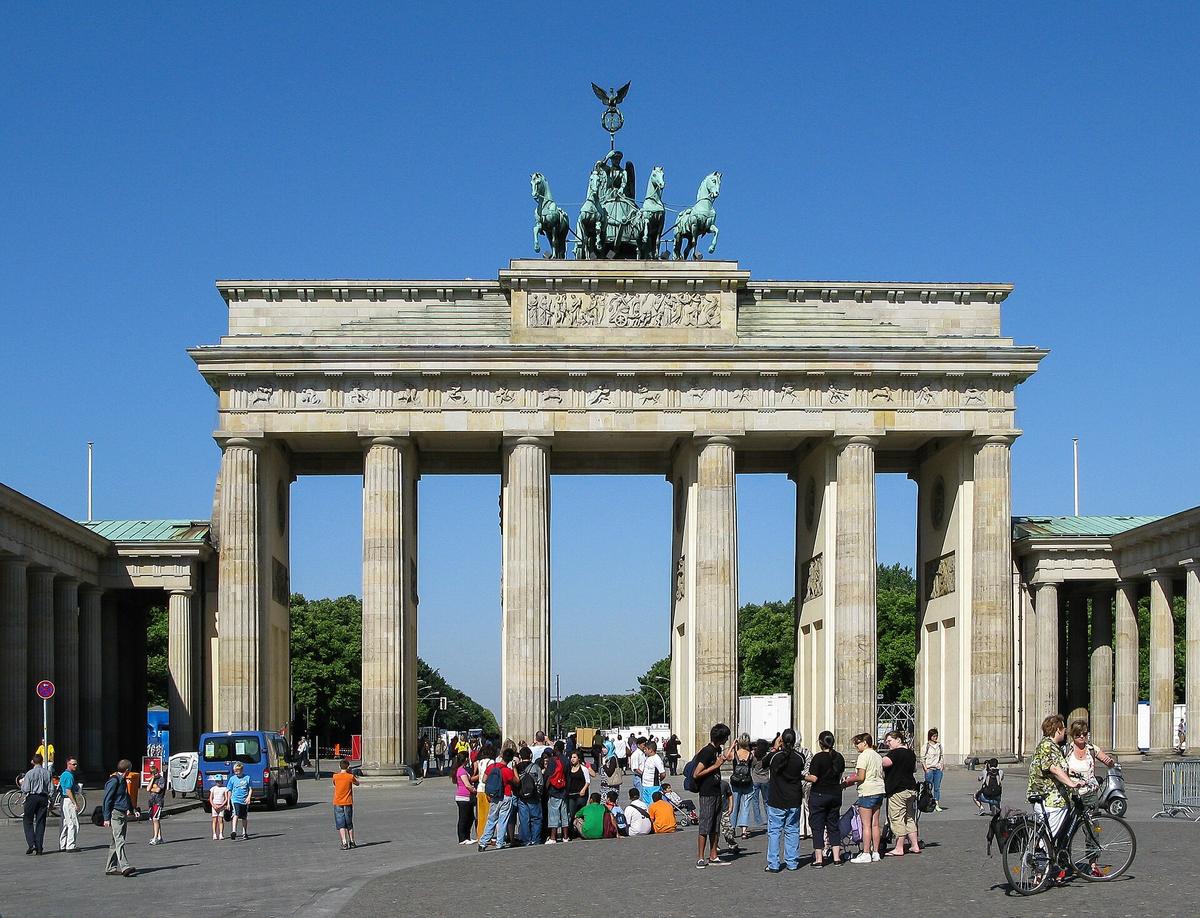
You need to understand Berlin's physical scale. The city runs roughly 45 kilometres east to west and 38 kilometres north to south. It has no single walkable centre. Mitte is the historic core, home to the Brandenburg Gate, Museum Island, and the Reichstag, but Mitte is a government and commercial quarter that empties out at night. The Berlin you picture when you imagine the city lives in other neighbourhoods: Kreuzberg, Friedrichshain, Neukölln. You cannot stay in Mitte and assume everything else is a short stroll away. The walk from the Brandenburg Gate to the East Side Gallery takes over an hour. The S Bahn between those two points takes about fifteen minutes. Choose your accommodation neighbourhood deliberately.

Berlin Districts Explained: How to Choose Where to Stay and Spend Your Time
Berlin's boroughs operate like separate towns. Each has a demographic, a price level, a built form, and a reason you might pick it over the others. Understanding them is the key to enjoying Berlin. Choose the wrong base and Berlin feels like a series of tiring commutes rather than a discovery.
Mitte: The Tourist Core You Should Not Sleep In
Mitte holds the Brandenburg Gate, Museum Island, the Reichstag building, and the Berliner Fernsehturm. It also holds the highest concentration of chain hotels and the deadest streets after office hours. Visit Mitte during the day. Book accommodation elsewhere if you want to be near bars and restaurants that stay open past ten. The Memorial to the Murdered Jews of Europe, a disorienting field of 2,711 concrete stelae, and the Topography of Terror, a free and unflinching documentation centre on a former Gestapo site, are both in Mitte. Book your slot for the Reichstag dome online in advance it is free but mandatory or you will be turned away at the gate.
Kreuzberg And Friedrichshain: The Gritty Cool You Came For
Kreuzberg, formerly punk and now gentrified, is where you find exceptional Turkish food and a bar density that means you can walk in the door of any random place and find a room full of people. Friedrichshain, separated from Kreuzberg by the Spree, is grittier, covered in street art, and home to the East Side Gallery, the 1.3 kilometre painted section of the Berlin Wall along the river. The East Side Gallery is open air and free. See it early in the morning before the tour groups arrive. Both sit inside the Ringbahn, the circular S Bahn line (S41 clockwise, S42 counter clockwise) that encloses Berlin's inner city. Anything inside the Ringbahn is relatively central. Anything outside it becomes suburban quickly.
Neukölln, Prenzlauer Berg, And Charlottenburg: Three Different Speeds
Neukölln, specifically the northern part inside the Ringbahn, is the current hipster epicentre: dense with bars, international students, and a rapid turnover of pop up restaurants. It has been gentrifying hard since roughly 2010 and now offers the highest concentration of unpretentious, affordable eating in the city. Prenzlauer Berg is the affluent, family friendly option, full of restored pre war tenement blocks, good cafes, and almost no edge. If you want quiet mornings and easy access to the Mauerpark flea market on Sundays, base yourself here. Charlottenburg is West Berlin's old centre, bourgeois and leafy, anchored by Charlottenburg Palace and the Kurfürstendamm shopping boulevard. It feels like a different country from Kreuzberg and that is exactly why some travellers prefer it. If you want a hotel that looks like a proper hotel and streets that feel established rather than provisional, Charlottenburg is your pick. Wedding, to the north, is rougher, rapidly gentrifying, and increasingly the place where the city's emerging art scene is settling. Watch the rental prices creep up.
| District | Character | Best For | Not For |
|---|---|---|---|
| Mitte | Historic core, government quarter, museums | Sightseeing during the day | Nightlife or street life; empties at night |
| Friedrichshain Kreuzberg | Former east west divide, bars, street art, Turkish food | Nightlife, creatives, budget travellers | Quiet mornings or polished service |
| Neukölln | Hipster density, students, rapid gentrification | Affordable eating, bars, young travellers | Family friendly calm |
| Prenzlauer Berg | Restored pre war buildings, families, cafes | Calm base with good food | Grit, nightlife, cheap accommodation |
| Charlottenburg Wilmersdorf | West Berlin old centre, bourgeois, palace | Traditional hotels, shopping, calm | Youth culture or gritty authenticity |
How Many Days in Berlin Should a First Timer Plan For?
Minimum three days if you are willing to sprint. Four days is the better answer. Berlin's geography means you cannot see Museum Island, the East Side Gallery, and a neighbourhood like Neukölln on the same day without significant travel time.
Here is what a four day itinerary looks like in practice. Day one in Mitte for the Brandenburg Gate, the Reichstag dome (booked ahead), the Memorial to the Murdered Jews of Europe, and a walk through the Topography of Terror. Day two on Museum Island. The Pergamonmuseum is partially closed for long term renovation, so check the Staatliche Museen zu Berlin website for which sections are accessible before you buy a ticket. A single museum ticket gets you into one institution; a day pass for Museum Island covers all five. Day three in Kreuzberg and Friedrichshain for the East Side Gallery, a döner kebab at one of the stands that claims to have invented the thing, and an evening in the bars. Day four either a morning at Tempelhofer Feld, the 355 hectare former airport turned public park, or a half day trip to Potsdam 40 minutes by S Bahn S7. If you stay five to seven days, add a day trip to the Spreewald, a UNESCO biosphere reserve of canals and forests one hour by regional train to Lübbenau, or Sachsenhausen Memorial, a former Nazi concentration camp 50 minutes by S Bahn S1 to Oranienburg. Both are serious excursions that deserve a full half day each.


Berlin First Time Tips: What Actually Goes Wrong and How to Avoid it
The most common mistake first timers make is underestimating the city's geographic sprawl and trying to see everything on foot. The second: booking accommodation in the government quarter of central Mitte and then wondering where the Berlin they imagined is hiding. Accommodation in Mitte puts you closest to the Brandenburg Gate and Museum Island. It also puts you in an area that is functionally dead after 8 PM. The nightlife, the bars, the street energy happens in Kreuzberg, Friedrichshain, and Neukölln. Stay in those neighbourhoods if you plan to be out late.
Ticket validation is the third mistake. Berlin's BVG network of U Bahn, S Bahn, tram, and bus uses a trust based system with random checks. You must validate a single trip or four trip ticket in the small red or yellow boxes on the platform or inside the vehicle before you board. An unvalidated ticket is not a valid ticket. Plain clothes inspectors fine on the spot. They do not care that you did not know. Day tickets and group tickets are validated at purchase and do not need stamping. Download the BVG FahrInfo app for real time routing. Public WiFi is patchy and unreliable in Berlin. An eSIM or a cheap prepaid SIM from a discounter like Aldi Talk is essential for navigation and ticket apps.
Cash is still mandatory in many smaller bars and restaurants. A späti, the late night corner shop that is a Berlin institution, will often have a minimum card spend or refuse cards entirely. Do not assume your credit card works everywhere. The period between Christmas and New Year sees many independent venues shut. Major trade fairs like ITB Berlin in early March and IFA in early September inflate hotel prices across the entire city, not just near the fairgrounds. If you are flexible on dates, avoid those weeks.
What Berlin is Actually Like: the Fragmented Beauty and the Blunt Service Culture
Berlin is not architecturally beautiful in the way Vienna or Prague are beautiful. It is a city that was bombed, divided, reunified, and rebuilt in fragments. The beauty is in those fragments: a surviving pre war tenement block next to a GDR era Plattenbau next to a slick contemporary glass office. The city does not cohere into a single postcard view. It coheres as a collection of villages, each with its own history and its own rhythm. The creative energy Berlin is famous for comes directly from this fragmentation. Cheap rent in a city that was, until relatively recently, divided and underpopulated attracted artists, musicians, and people who wanted to build something. That energy still exists, though rents are rising and the era of truly cheap Berlin is fading.
The service culture reflects the same attitude. Berliner Schnauze is direct, unpretentious, and can feel abrupt. A waiter will not pretend to be delighted to see you. They will take your order, bring your food, and not check on you again unless you signal. That is not rudeness. That is the local standard of service: efficient, honest, and not performative. If you need something, ask. If you want a table at a popular restaurant Thursday through Saturday, reserve ahead. Walk ins are common in casual settings, but the popular places fill up. Finding a table without a reservation on a Friday night in Neukölln is impossible.
Berlin suits creatives and artists, contemporary history buffs, nightlife purists, budget conscious travellers, and anyone who does not need a city to be pretty to find it compelling. Berlin is not for travellers seeking a compact old town or a highly polished, formal European capital experience. Berlin's beauty is fragmented and its service style is famously blunt. That is the deal. Arrive knowing it and you will have a better time than the traveller who came expecting a postcard.
Common Questions
How many days in Berlin is enough for a first visit?
Three days lets you cover core historical sights. Four days adds a night out and breathing room. Five to seven days opens up day trips to Potsdam or the Spreewald.
Which Berlin district should a first timer stay in?
Stay in Friedichshain Kreuzberg or Neukölln if you want nightlife and street life. Stay in Prenzlauer Berg for calm and cafes. Stay in Charlottenburg for traditional hotels and quiet. Avoid Mitte at night it empties out.
Is Berlin a walkable city?
No. Berlin is approximately 45 kilometres east to west and 38 kilometres north to south. You need the U Bahn, S Bahn, or tram to move between neighbourhoods. A quick trip between two points often takes 40 minutes on public transport.
Does Berlin require cash?
Yes. Many smaller bars, spätis (late night shops), and restaurants do not accept cards. Carry cash. Plain-clothes inspectors fine passengers caught with an unvalidated ticket on the spot.
Is Berlin worth visiting for someone who does not like nightlife?
Yes, but skip the club neighbourhoods. Berlin's contemporary history museums, the Topography of Terror, the Memorial to the Murdered Jews of Europe, and the Stasi Museum in Lichtenberg offer some of the most serious historical documentation in Europe. Tempelhofer Feld and the lakes in Steglitz Zehlendorf work well for daytime visitors.
When is the best time to visit Berlin?
May through September for warm weather, street life, and open air clubs. January and February have the lowest visitor numbers but cold weather. Avoid major trade fairs like IFA in September and ITB in March when hotel prices inflate.
Is the Berliner Schnauze real?
Yes. Berliner Schnauze refers to the city's blunt, direct service style. It is not rudeness, but it can feel like it if you are not expecting it. The waitress will not pretend to be delighted to see you. That is normal.
Read next
-
 Staying Connected in Germany With eSIM, Local SIM, or Roaming
Mobile data in Germany means navigating rural black spots, scarce free Wi-Fi, and mandatory passport registration for local SIM cards.
-
 When to Visit Germany and What Each Season Actually Delivers
Germany's travel seasons are defined by school holidays, trade fairs, and Christmas markets. Here is when to go and when to avoid.
-
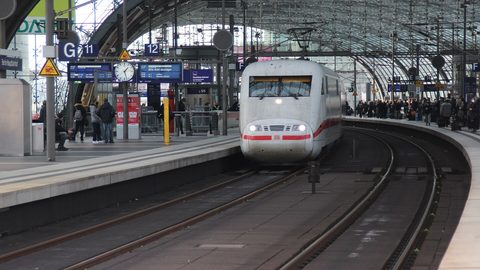 Getting Around Germany Without Falling for the Flexpreis Trap
How to use Germany's train system, avoid a €60 fine for the wrong ticket, and understand the difference between flexible and advance fares.
-
 Who Needs a Visa for Germany and How the Application Actually Works
A clear breakdown of who needs a visa to enter Germany, who is exempt, and the step-by-step process for a Schengen visa application.
-
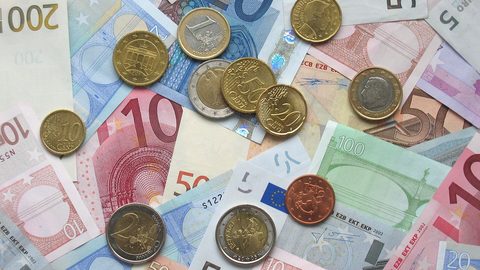 Cash Is King in Germany and Your Card Will Often Be Useless
Germany remains a cash-first economy where many restaurants and shops refuse cards. Here is exactly where you need physical euros.
-
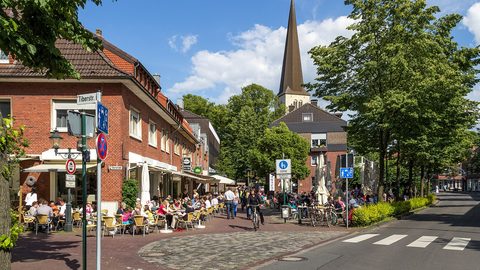 Is Germany Safe for Travelers and What Are the Actual Risks
Germany is a safe country, but petty theft at markets and fines on trains are real risks. Here is what to actually watch for.
-
 How Much a Trip to Germany Actually Costs, Shaped by Region and Season
Germany trip costs split along regional lines, with Bavaria and trade-fair cities operating on a different budget logic than the Harz or Baltic Coast.
-
 Germany Public Holidays Are Different in Bavaria Than in Berlin
Public holidays in Germany vary by federal state. What is closed in Bavaria may be open in Berlin, and Sundays shut almost everything down.
-
 What Plug Adapter You Need for Germany and Why Voltage Matters
Germany uses Type F sockets and 230V power. Here is the exact adapter to pack, and why you should not plan to buy one after arrival.