Vienna Districts for Staying: What Each Neighbourhood Costs You in Time and Money
Where to stay in Vienna depends on what you are willing to trade off. Each district costs you something different in time, money, and atmosphere.
Vienna Districts for Staying: What Each Neighbourhood Costs You in Time and Money
Every Vienna district choice is a transaction. You gain one thing and you lose another. The place that gives you walking distance to the Stephansdom takes away quiet and late dining. The one that gives you a courtyard room and a heuriger wine tavern a ten-minute tram ride from the Prater trades away proximity to the Kunsthistorisches Museum. The question is not which district is best. The question is which trade-off you can live with. Answer that and the rest of your planning falls into place. Match a district to your own priorities, not to a default booking. The best answer to where to stay in Vienna depends entirely on what you want to leave behind.
Vienna District Guide Accommodation: the Core Transaction
Vienna's 23 districts spiral clockwise from the centre. District 1 is the Innere Stadt, the imperial core inside the Ringstrasse. District 2 is Leopoldstadt across the Danube Canal. District 7 is Neubau, the design and gallery quarter behind the MuseumsQuartier. Accommodation price per square metre drops as distance from the Ringstrasse increases, and neighbourhoods outside the Gürtel, the outer ring road, show the sharpest drop. That is the financial side of the transaction. The less obvious side is what you pay in time and friction.
Innere Stadt: Grandeur After Dark
The Innere Stadt is pedestrianised, tourist-heavy, and quiet after 20:00 on weeknights. Many restaurants and shops serve daytime office and luxury retail traffic. After dark the streets empty fast. You gain every major sight within a 25-to-30-minute walk from Schottenring to Opernring. You lose the evening life that makes a city feel inhabited. Walk out of your hotel at 21:30 for a meal and you will find closed doors and a near-empty Strassenbahn pulling past the Hofburg Palace.
Neubau: The Design Quarter That Never Sleeps
Neubau gives you the MuseumsQuartier, independent galleries, and design shops. The area around the U3 station on Neubaugasse hums with the self-conscious cool of a neighbourhood that knows it is the right address. You gain the Albertina and the Leopold Museum within a 15-to-20-minute walk from Stephansplatz. You lose quiet. The streets and courtyards are loud late, and the restaurants fill with the same crowd that browses the concept stores by day.
Margareten: Grit and Charcoal Smoke
Margareten, district 5, gives you the best-value food finds in the city. The streets between the U1 station at Keplerplatz and the Gürtel are gritty-hip, multicultural, and alive with the smell of charcoal-grilled meats and fresh-baked fladenbrot. You gain a dinner that costs half what you pay in the Innere Stadt and tastes twice as urgent. You lose the polish. Margareten is not a place for a romantic walk in formal clothes. It is a place for eating at a plastic table on a hot July evening while the U-Bahn rumbles past.
Leopoldstadt: Green Space and Uneven Blocks
Leopoldstadt, district 2, gives you the Prater park, the Karmelitermarkt, and the Augarten. The area is gentrifying fast and unevenly. One block is a nineteenth-century courtyard with a traditional Beisl serving Frittaten Suppe and Tafelspitz. The next block is a new apartment tower with a Vietnamese bubble-tea shop on the ground floor. You gain green space on a scale that no other central neighbourhood can match. You lose consistency. The walk from your hotel to the U2 station on Taborstrasse might feel like a stroll through a lived-in quarter or it might feel unfinished.

Vienna Neighbourhoods for Tourists: Matching Your Priorities
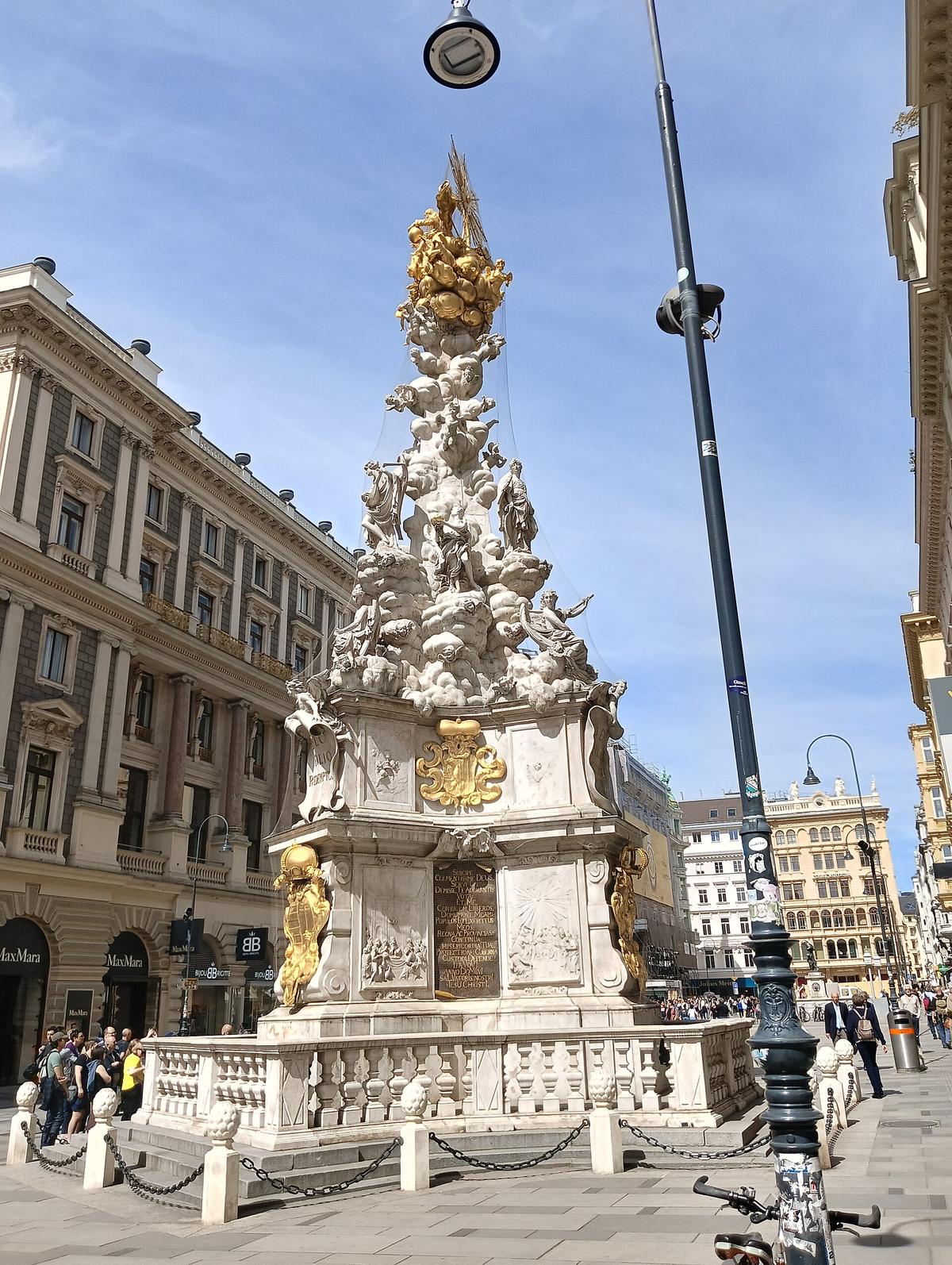
First-time sightseeing on foot belongs in district 1. Museum-heavy trips belong in district 1 and district 7 near the MuseumsQuartier. Nightlife and late dining belong in districts 6, 7, 2 near Praterstern, and 15 around U-Bahn stations. Quiet residential stays with green space belong in districts 18 and 19, the hillier northern edges of the city where the Heuriger wine taverns sit among the vineyards. Budget-conscious travellers using public transport belong in districts 10, 15, and 16, where the price per square metre drops hard and the U-Bahn still reaches the centre in under twenty minutes.
Proximity to Wien Hauptbahnhof and fast regional connections belongs to district 10. Plan day trips to Bratislava, the Semmering Railway, or Melk Abbey and district 10 puts you at the station without a transfer. Proximity to Wien Mitte, the terminal of the City Airport Train, belongs to district 3, Landstrasse, where the Belvedere and the diplomatic quarter give the streets a stately residential feel.
The U-Bahn Is Your Shortcut
The common mistake is assuming Vienna is a compact walking city. The Innere Stadt is walkable, but the Belvedere and the Schönbrunn Palace are far apart. You waste hours on foot when a ten-minute U-Bahn ride would have connected them. The U-Bahn runs five lines. A single ticket covers one continuous journey with transfers. Tickets are not sold on trams or buses. Buy from a station machine, a Tabak Trafik shop, or the WienMobil app before boarding. The critical trip-up is boarding a tram without a validated ticket and facing a fine.
How Many Days You Need
Minimum three full days. Less than that forces a brutal trade-off between the core imperial sights and any sense of neighbourhood life. Three days lets you hit the Kunsthistorisches Museum, the Hofburg, and the Schönbrunn, and still spend an evening at a Würstelstand eating a Käsekrainer with sharp mustard and a beer at Bitzinger by the Albertina.
Best Vienna Districts to Stay: the One That Costs You the Least of What You Value
District 1 costs you evening life. District 7 costs you quiet. District 5 costs you polish. District 2 costs you consistency. District 10 costs you the postcard views. District 18 costs you travel time. Every one of these is a trade-off you make consciously, not one you fall into by default.
Value proximity to the Stephansdom and the Sachertorte at Café Sacher? Stay in district 1 but budget for early dinners and prepare for the quiet. Restaurants in the Innere Stadt close by 22:00 on weeknights. Late dining options shrink dramatically. Value evening energy and design shops? Stay in district 7 but book a courtyard room on the far side from the lift to dampen the street noise. Value value above all? Stay in district 5 or 16 and use the U-Bahn to reach the sights. The single ticket from Reumannplatz to Stephansplatz costs the same as a ticket from the centre. Your accommodation will cost roughly half.
When to Book and When to Go
Ball season in January and February spikes demand in districts 1 and 3. Book those dates early. Trade-fair periods at the Messe Wien spike hotel prices across the city. Check the Messe Wien calendar before you commit. December weekends see Christmas markets packed to immobility. Arrive on a Monday morning and leave on a Thursday afternoon to experience the Advent markets without the crush.
The peak season is April to May and September to October for mild weather, plus December for the markets. July and August bring heat and peak tourist crowds but also the most daylight and the longest opening hours at the Schönbrunn Palace. Avoid July and August if you dislike dense crowds and un-air-conditioned museum queues.
Vienna Innere Stadt vs Neubau: a Direct Comparison
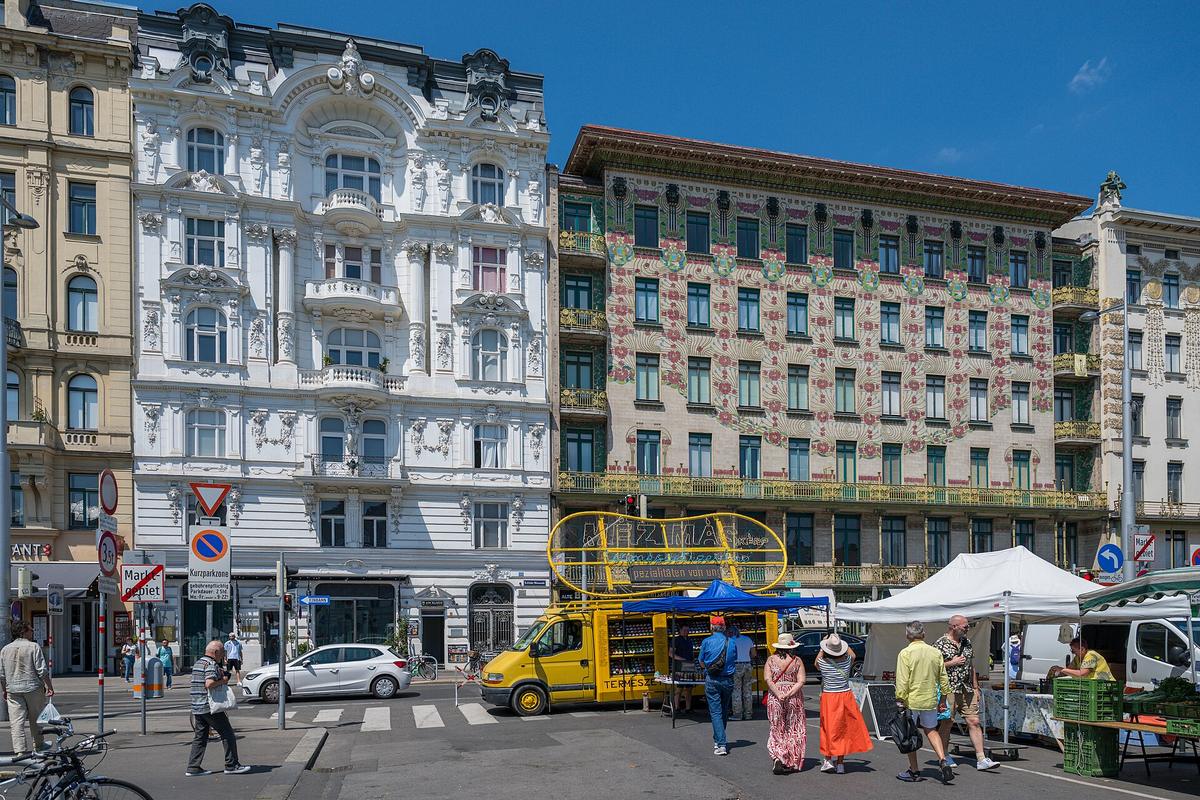
The two neighbourhoods most travellers compare are district 1 and district 7. The Innere Stadt versus Neubau is a choice between formal grandeur and lived-in energy. The Innere Stadt gives you the Hofburg, the Stephansdom, and the Kunsthistorisches Museum within a ten-minute walk of each other. The streets are clean, the architecture is imperial, and the pedestrianised core makes walking pleasant. The downside is the formality. Vienna is grand but not warm. Its beauty is formal and orderly, which can feel emotionally cool. The famed Gemütlichkeit, the cosiness, exists in specific pockets, not as a city-wide mood, and the strictness of public etiquette, like silent trams, is sharper than anticipated.
Neubau gives you the MuseumsQuartier, the Spittelberg area with its narrow streets and independent boutiques, and the bars that stay open past midnight. The energy is younger, louder, and less polished. The downside is the self-consciousness. Neubau knows it is the cool neighbourhood and the prices in its cafes reflect that awareness. A single espresso in a Neubau coffee house costs the same as one in the Innere Stadt but comes with more attitude.
Your choice comes down to what you want your evenings to feel like. Want a quiet dinner followed by a walk past the illuminated Opera house? Choose district 1. Want a two-hour dinner at a Neubau restaurant followed by a standing drink at a bar? Choose district 7. Do not try to get both from one neighbourhood. You will end up walking across the city at 23:00 anyway.

Making the Decision in Fifteen Minutes
Pull up the WienMobil app. Look at the U-Bahn map. Identify the station closest to the hotel you are considering. Open Google Maps and measure the walking time to the MuseumsQuartier, the Naschmarkt, and the Prater. If any of those walks exceeds 25 minutes, factor that into your decision. Then open three restaurant reviews in the area and check their closing times. Every kitchen closes by 21:30? You have chosen a day-tripper neighbourhood. If that works for you, book it. If it does not, move outward to the Gürtel.
Common Questions
What is the most common regret about staying in Innere Stadt?
The area quiets abruptly after 20:00 on weekdays. Many restaurants and shops serve daytime office and luxury retail traffic, so evening options are limited. If you want late-night energy, choose a neighbourhood outside the Ringstrasse.
Which district is best for a quiet residential stay with green space?
Districts 18 and 19, Währing and Döbling, offer the quietest stays with access to the Türkenschanzpark and Heuriger wine taverns. The trade-off is longer travel time to the Innere Stadt.
How do I get from the airport to the centre?
The City Airport Train from Wien Mitte takes 16 minutes. The regular ÖBB Railjet to Hauptbahnhof takes 15 minutes. The S-Bahn S7 takes 25 minutes. Check WienMobil for current fares. A taxi costs roughly €45 to €55.
Is Vienna a walking city?
The Innere Stadt is walkable, but major sights like the Schönbrunn Palace and the Belvedere are far apart. Use the U-Bahn. A ten-minute ride saves an hour of walking.
When should I avoid visiting?
July and August bring dense crowds and un-air-conditioned museum queues. Trade-fair periods at the Messe Wien spike hotel prices. December weekends see Christmas markets packed to immobility. January and February outside ball season are the quietest months.
Read next
-
 Vienna Hotels What the Price Bands Actually Get You
Vienna hotel price bands deliver distinctly different experiences. Here is what each band actually gets you, from building type to seasonal pricing patterns.
Vienna Hotels What the Price Bands Actually Get You
Vienna hotel price bands deliver distinctly different experiences. Here is what each band actually gets you, from building type to seasonal pricing patterns.
-
 Flying into Vienna airport and getting to the city without a mistake
Vienna airport offers four ways into the city, and the wrong choice can cost you time or money.
Flying into Vienna airport and getting to the city without a mistake
Vienna airport offers four ways into the city, and the wrong choice can cost you time or money.
-
 What to Do in Vienna Ordered by Whether It Is Worth the Time
Three full days is the minimum to see the core sights. Less forces a brutal trade-off between the imperial palaces and any sense of Vienna's neighbourhood lif
What to Do in Vienna Ordered by Whether It Is Worth the Time
Three full days is the minimum to see the core sights. Less forces a brutal trade-off between the imperial palaces and any sense of Vienna's neighbourhood lif
-
 When to Visit Vienna and What Each Season Does to the City
At 16:30 in mid-December, the Rathausplatz Christmas market is already shoulder to shoulder. You cannot move freely; you shuffle.
When to Visit Vienna and What Each Season Does to the City
At 16:30 in mid-December, the Rathausplatz Christmas market is already shoulder to shoulder. You cannot move freely; you shuffle.
-
 Getting Around Vienna Without Wasting Half Your Trip on Foot
Most visitors waste the first hour of their Vienna trip standing on a tram platform, ticketless, watching the doors close.
Getting Around Vienna Without Wasting Half Your Trip on Foot
Most visitors waste the first hour of their Vienna trip standing on a tram platform, ticketless, watching the doors close.
-
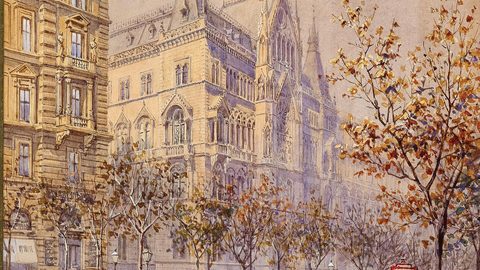 How to spend two or three days in Vienna without rushing or wasting time
Vienna's major sights are farther apart than they look on a map. This itinerary groups them by U-Bahn line so you spend your days seeing the city, not walking
How to spend two or three days in Vienna without rushing or wasting time
Vienna's major sights are farther apart than they look on a map. This itinerary groups them by U-Bahn line so you spend your days seeing the city, not walking
-
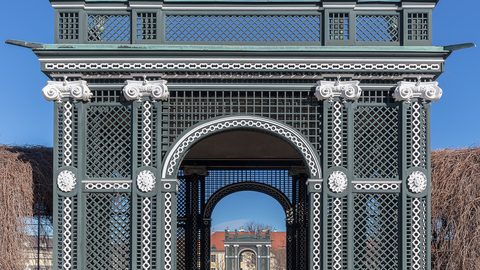 Austria Travel Guide, Imperial Cities and Alpine Valleys by Train
Austria pairs baroque imperial cities with Alpine valleys close enough to reach by train, making a week the minimum to experience both.
Austria Travel Guide, Imperial Cities and Alpine Valleys by Train
Austria pairs baroque imperial cities with Alpine valleys close enough to reach by train, making a week the minimum to experience both.
-
 Staying connected in Austria with eSIM, local SIM, or just hotel WiFi
Austrian mobile coverage vanishes in the places you need it most: deep Alpine valleys and high passes.
Staying connected in Austria with eSIM, local SIM, or just hotel WiFi
Austrian mobile coverage vanishes in the places you need it most: deep Alpine valleys and high passes.
-
 Best Time to Visit Austria for Cities, Lakes and Skiing Without Crowds
Austria's seasons dictate what's open: Christmas markets end on 24 December, the Salzburg Festival consumes July and August, and many hotels close the first
Best Time to Visit Austria for Cities, Lakes and Skiing Without Crowds
Austria's seasons dictate what's open: Christmas markets end on 24 December, the Salzburg Festival consumes July and August, and many hotels close the first