Kunsthistorisches Museum Vienna Strategy for the Old Masters
The Kunsthistorisches Museum is vast and the collection density can overwhelm. Here is a focused route through the Old Masters and why the café under the dome

Surviving the Kunsthistorisches Museum Without Burning Out
You have two hours free in Vienna and the Kunsthistorisches Museum has 4,000 objects on display. Stand in the Picture Gallery without a plan, and decision paralysis sets in before you reach the second room. The strategy that solves this is a mental map of three floors plus a single disciplined route through the Old Masters. You see Bruegel, Rembrandt and Velázquez. You sit in the cupola café. You leave before your concentration breaks.
- Full Name: Kunsthistorisches Museum Wien
- Building Opened: 1891
- Primary Collection: Habsburg imperial art collections
- Objects on Display: Approximately 4,000
- Total Collection Size: Over 4 million objects (figure published by KHM-Museumsverband annual report)
- Typical Visit Duration (Main Collections): 2.5 to 4 hours
- Focused Visit Duration: 1 to 1.5 hours
- Key Artists: Bruegel the Elder, Rubens, Rembrandt, Vermeer, Titian, Caravaggio, Velázquez, Dürer, Raphael, Arcimboldo
- Bruegel Holdings: 12 panel paintings (largest single collection worldwide)
- Annual Visitors: Approximately 1.7 million (2019 figure, last pre-pandemic normal year, per KHM-Museumsverband annual report)
- Ticket Type: Timed entry recommended; advance booking strongly recommended in high season
- Address: Maria-Theresien-Platz, 1010 Vienna
- U-Bahn: U2 Museumsquartier (300 m west), U3 Volkstheater (400 m northwest)
Kunsthistorisches Museum Highlights Route: the Floor Plan You Need
Build your mental map now. The ground floor holds the Egyptian and Near Eastern antiquities, the Classical galleries, and the Kunstkammer with the Cellini Salt Cellar and the Krumau Madonna. The mezzanine continues the Egyptian material. The first floor is the Picture Gallery, and that is where you will spend 80 percent of your time. Temporary exhibitions sit on the ground floor.
Walk straight past the ground floor on arrival. Go up the grand staircase, which is itself one of the museum's great objects. The marble, the gilt, the ceiling paintings by Gustav Klimt's brother Ernst are half the experience. Pause on the landing, absorb it, then enter the Picture Gallery.
Kunsthistorisches Museum Time Needed: Short and Long Versions
The research says 2.5 to 4 hours for the main collections and 1 to 1.5 hours for a focused single collection. Both are honest numbers. Your choice depends on how much of Vienna you want to see in the same morning.
The 90 Minute Route
Enter at opening time, buy a timed entry ticket online beforehand, and go to the Picture Gallery only. Head directly for Room 7 for the Bruegel holdings. Twelve panel paintings sit here, including the Hunters in the Snow and the Tower of Babel. No other museum owns more. Then move to Room 5 for the Flemish painters, specifically Rubens. Room 10 holds the Venetian school including Titian. Rembrandt and Vermeer are in the Dutch rooms, Room 11 and 12. Velázquez is in Room 15, the Spanish master paintings. By that point you have walked a logical horseshoe. Exit through the gift shop and the marble hall. Total time: 90 minutes. You do not enter the Kunstkammer. You do not visit the Egyptian material. You leave with the works that made the museum famous.
The Three Hour Version
Add the Kunstkammer. It reopened in 2013 after renovation and is the single richest room of decorative arts in Europe. The Cellini Salt Cellar, a gold and enamel sculpture from the 16th century, sits in its own case. The Krumau Madonna, a limestone sculpture from around 1400, is four feet tall and painted in original polychrome. The ivory and gold automata are small mechanical wonders that rank as the most surprising objects in the building. Budget 45 minutes for this room. Then add 30 minutes for the Egyptian antiquities on the ground floor and mezzanine if the Old Kingdom material interests you.
Peak crowding runs late morning through mid afternoon Tuesday through Thursday. Go on a Monday or Friday and you will see the same art with half the people. The lowest crowd window is the first hour after opening or the last 90 minutes before closing.
Kunsthistorisches Museum Café Vienna: the Cupola Reset
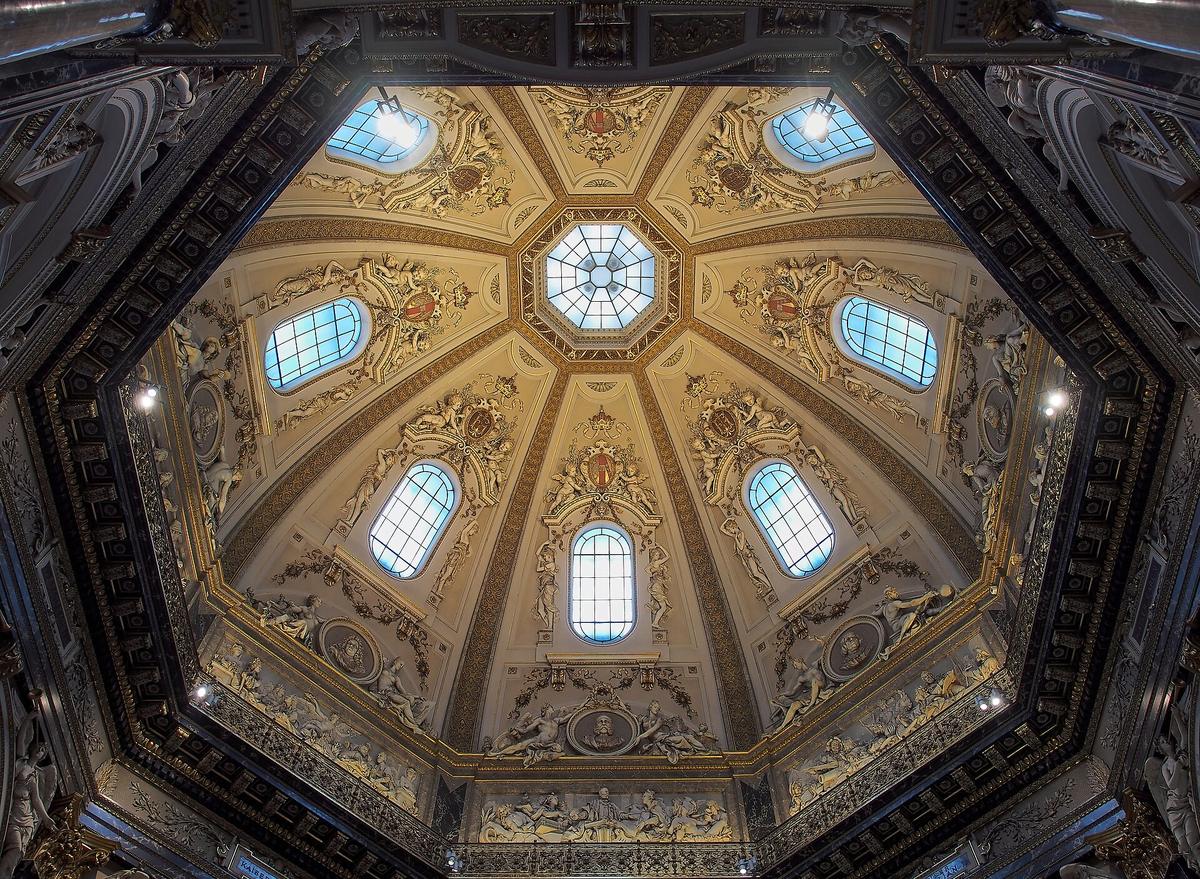
Around the 75 minute mark, before your eyes stop focusing, find the cupola café. It sits in the centre of the building under the main dome. The room is red velvet, gold trim, and a glass ceiling that lets in real light. This is not a museum cafeteria. It is a proper Viennese café where you order a Wiener Eiskaffee or a Melange and sit with actual porcelain. The cake counter carries Sachertorte and strudel, though the Sachertorte here is less crowded than the Café Sacher queue across town. Use the café as a reset point. 20 minutes here, no phone, and you can return to the galleries fresh.
Vienna is grand but not warm, and the museum is no exception. Its formal beauty can feel emotionally cool. The café breaks that. It is one of the specific pockets of Gemütlichkeit that the city offers, and it exists exactly when you need it.
Kunsthistorisches vs Natural History Vienna: Which One First
The Naturhistorisches Museum sits directly opposite on Maria Theresien Platz. Same architect, same twin facade, opened 1889. They are mirror buildings and you can see both in a single morning if you plan correctly. But do not try both in one day unless you have a high tolerance for museum fatigue.
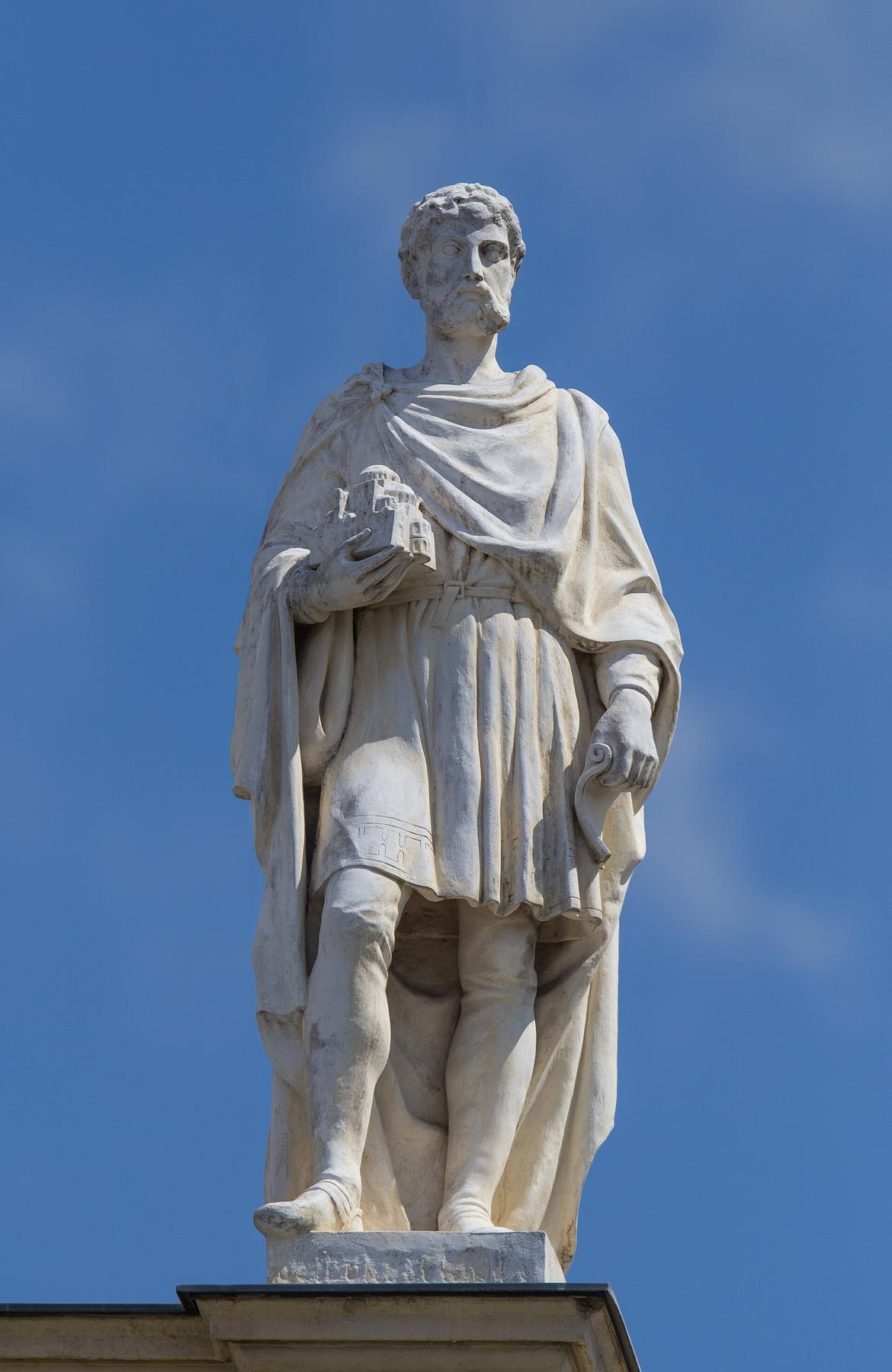
Start with the Kunsthistorisches. The art holdings are the stronger of the two and the building is more ornate. The Naturhistorisches has the Venus of Willendorf and a massive dinosaur hall, but its display style is older and less engaging for casual visitors. If you have only one day in the 1st district, choose the art museum. If you travel with children who need dinosaurs, swap the order and give the Naturhistorisches the morning slot when their attention is highest. Cross the square between the two in under two minutes. The monument to Empress Maria Theresa in the centre marks the halfway point.

Practical Next Step Before You Go
Open tickets.khm.at on your phone right now. Select the date you plan to visit and pick the earliest slot available on a Monday or Friday. Buy the general admission ticket, not a third party bundle that includes audio guides you do not want. You can add the audio guide at the desk for less. Arrive 10 minutes before your slot, check your bag at the cloakroom, and walk straight up the grand staircase to the Picture Gallery. Start in Room 7 with Bruegel. Do not look at anything else until you get there. That single act of discipline is the difference between a great visit and a disoriented one.
Common Questions
Do I need to book tickets in advance for the Kunsthistorisches Museum?
Yes. Timed entry is recommended at all times and strongly recommended during high season. Walk up entry is possible in low and shoulder seasons, but you will wait. Book at tickets.khm.at.
Can I take photographs inside the Kunsthistorisches Museum?
Yes, without flash, for personal use in the permanent collections. Temporary exhibitions may have restrictions. Check the signage at the entrance of each show.
How long does the Kunstkammer take to see properly?
Budget 45 minutes. The Cellini Salt Cellar, the Krumau Madonna, and the automata are the three must stop objects. Push to one hour if you read the labels.
Is there a cloakroom for bags?
Yes. Large bags and backpacks are mandatory to check. The cloakroom is on the ground floor near the main entrance.
What is the best time of year to visit the Kunsthistorisches Museum?
Late autumn excluding holidays and late winter January through February have the lowest crowding. July and August bring heat, dense crowds, and longer wait times. April through May and September through October have mild weather outside but regular crowd levels inside.
Does the museum accept credit cards?
The museum shop and café accept cards, but bring cash for the cloakroom fee and any small purchases. Many venues in Vienna are cash first and a cards accepted sign does not guarantee Visa or Mastercard.
Can I combine a visit with the Hofburg Palace in the same morning?
Yes if you keep it to one collection. Do the Kunsthistorisches Picture Gallery in 90 minutes, walk 400 metres northeast to the Hofburg, and see the Sisi Museum or the Imperial Apartments. Do not add the Albertina or the Spanish Riding School into the same half day.
Read next
-
 Vienna Hotels What the Price Bands Actually Get You
Vienna hotel price bands deliver distinctly different experiences. Here is what each band actually gets you, from building type to seasonal pricing patterns.
Vienna Hotels What the Price Bands Actually Get You
Vienna hotel price bands deliver distinctly different experiences. Here is what each band actually gets you, from building type to seasonal pricing patterns.
-
 Where to Stay in Vienna District by District and What Each Costs You
Where to stay in Vienna depends on what you are willing to trade off. Each district costs you something different in time, money, and atmosphere.
Where to Stay in Vienna District by District and What Each Costs You
Where to stay in Vienna depends on what you are willing to trade off. Each district costs you something different in time, money, and atmosphere.
-
 Flying into Vienna airport and getting to the city without a mistake
Vienna airport offers four ways into the city, and the wrong choice can cost you time or money.
Flying into Vienna airport and getting to the city without a mistake
Vienna airport offers four ways into the city, and the wrong choice can cost you time or money.
-
 What to Do in Vienna Ordered by Whether It Is Worth the Time
Three full days is the minimum to see the core sights. Less forces a brutal trade-off between the imperial palaces and any sense of Vienna's neighbourhood lif
What to Do in Vienna Ordered by Whether It Is Worth the Time
Three full days is the minimum to see the core sights. Less forces a brutal trade-off between the imperial palaces and any sense of Vienna's neighbourhood lif
-
 When to Visit Vienna and What Each Season Does to the City
At 16:30 in mid-December, the Rathausplatz Christmas market is already shoulder to shoulder. You cannot move freely; you shuffle.
When to Visit Vienna and What Each Season Does to the City
At 16:30 in mid-December, the Rathausplatz Christmas market is already shoulder to shoulder. You cannot move freely; you shuffle.
-
 Getting Around Vienna Without Wasting Half Your Trip on Foot
Most visitors waste the first hour of their Vienna trip standing on a tram platform, ticketless, watching the doors close.
Getting Around Vienna Without Wasting Half Your Trip on Foot
Most visitors waste the first hour of their Vienna trip standing on a tram platform, ticketless, watching the doors close.
-
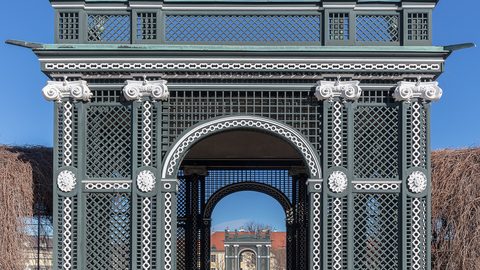 Schönbrunn Palace
 requires a strategy, not just a ticket. Here is how the entrance works, why the Grand Tour needs advance booking, and how to use the free
Schönbrunn Palace
Schönbrunn Palace requires a strategy, not just a ticket. Here is how the entrance works, why the Grand Tour needs advance booking, and how to use the free
-
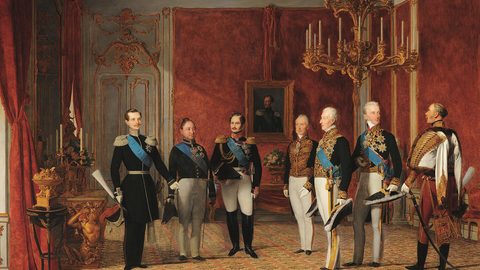 Hofburg
The Hofburg is several attractions sharing one name. Here is which sections matter, how the ticket bundles actually work, and a cheaper way to see the
Hofburg
The Hofburg is several attractions sharing one name. Here is which sections matter, how the ticket bundles actually work, and a cheaper way to see the
-
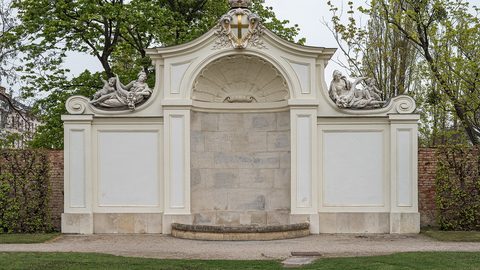 Belvedere
The Belvedere is two museums, not one, and The Kiss is in Upper Belvedere. Here is how to pick the right ticket and why the gardens cost nothing to walk through.
Belvedere
The Belvedere is two museums, not one, and The Kiss is in Upper Belvedere. Here is how to pick the right ticket and why the gardens cost nothing to walk through.