How to Order Cuban Food in Miami and What to Eat First
Cuban food in Miami starts at a ventanita window with a cafecito and a croqueta. Learn the ritual, the vocabulary, and what to order first before you sit down.
.jpg)
How to Order Cuban Food in Miami What to Order First
Start at a ventanita: the walk-up window at a Cuban cafeteria. You order at the register first, take your receipt to the window, hand it to the server, and state your order again. That is the ritual. A proper sequence moves from the standing shot of cafecito through the bakery counter pastelitos to a sit-down plate of churrasco or ropa vieja. Learn that order so you walk in ready.
Know your order before you approach. The pace is fast. During peak hours, weekday mornings 7 to 9 am and weekday lunch 12 to 1:30 pm, the line moves quickly. The server expects you to be ready. Hesitating at the window and ordering in English with no plan is the one mistake that marks you as a first-timer.
Miami Ventanita Cafecito Ordering Etiquette
How The Window Works
A ventanita is a cafeteria window, not a restaurant. You stand. You drink fast. You leave. Standing and drinking at the counter is standard. You do not sit unless there is a stool at a counter. Table service is uncommon. Cash is preferred. Card acceptance varies by location, so bring small bills.
The single biggest trip-up for tourists is the payment timing: you pay at the register first, then take your receipt to the ventanita, hand it to the server, and state your order again. Do not skip the receipt step.
Order Like A Regular
Place your order in Spanish. English is understood at most spots, but the menu is often Spanish only, displayed on an overhead board or wall-mounted sign. Carry at least $15 in small bills for a colada, a pastelito, and a croqueta.
If the line is long and you are not sure what to order, step aside and watch a regular. They will order in a single breath: colada, pastelito de guayaba, croqueta de jamón. Do that.
Cuban Sandwich Miami vs Medianoche
The difference between a Cuban sandwich and a medianoche is the bread and the press. A Cuban sandwich uses Cuban bread, which is baguette-like with a thin crisp crust. A medianoche uses a soft, slightly sweet egg bread similar to challah. Both are pressed on a plancha, the flat-top griddle, until flat and warm. Both include roast pork, ham, Swiss cheese, dill pickle chips, and yellow mustard.
The medianoche bread gives a softer, sweeter bite. The Cuban sandwich bread gives more crunch. Order a medianoche when you want something lighter. Order a Cuban sandwich when you want the classic Miami version. Both are available all day at most cafeterias.
Pan Con Bistec Is The Lunch Move
Pan con bistec is a separate sandwich entirely. It uses thin pounded palomilla steak on Cuban bread, with sautéed onions and potato sticks. It is a lunch item, available from lunch onward at most cafeterias, and it travels well wrapped in wax paper for 30 minutes or more. If you see a line of construction workers at midday ordering pan con bistec with a batido, that is the correct move.
Miami Croquetas and Pastelitos Guide
Croquetas: Eat Them Standing
Croquetas are cylindrical, breaded, deep-fried, and filled with ham, chicken, or bacalao, which is salt cod. They are made throughout the day and available until close. You eat them on a napkin, standing, in one or two bites. They lose crispness within 10 minutes, so do not order them for later.
Pastelitos: Go Early
Pastelitos are puff pastry. The two essential ones are pastelito de guayaba, filled with guava paste, and pastelito de guayaba y queso, filled with guava paste and cream cheese. They are baked fresh in morning batches and sell out by early afternoon. A cafeteria that runs out of pastelitos by 2 pm is a good sign. Come back the next morning. Guava and cheese pastelitos hold heat well if you eat them within 15 minutes of buying them, but the best version is straight off the pan at 7 am with a cortadito.
Cortadito Vs Café Con Leche
A cortadito is espresso with steamed milk, 4 to 6 oz, pre-sweetened unless you request otherwise. The sugar is added during brewing, not after. It is consumed standing at the window or in a few sips before leaving. If you want a larger volume of coffee, order a café con leche, which is espresso with a larger volume of steamed milk in a bigger cup, ordered mornings through early afternoon.
Frita Cubana Miami Where to Find
A frita Cubana is a spiced burger topped with shoestring potato sticks, served on a Cuban-style bun. It is not a cafeteria item in the same way a croqueta is. You find fritas at Cuban fast-food restaurants, stand-alone burger joints, and some ventanitas that offer an expanded menu. The key identifier is the shoestring potatoes pressed into the burger itself, not on the side. The patty is seasoned with cumin, garlic, and paprika, and includes ground pork mixed with the beef.
Look for a storefront with a spinning frita sign or a handwritten specials board listing it. Frita Cubana spots are concentrated in Hialeah and Westchester rather than on the Calle Ocho tourist strip.
Confirm they have a griddle for burgers. If they do not, you are eating a different sandwich. Move on.
The Colada Ritual and What to Drink
Share The Colada
A colada is Cuban espresso brewed with sugar, served in a styrofoam cup with 4 to 6 small plastic demitasse cups on the side. It is not consumed solo. The custom is to pour the coffee into the small cups and pass them among a group, whether you know them or not. Standing at a ventanita with a colada and passing cups to strangers is standard behavior. Peak colada time is mid-afternoon. If you order a colada alone, the server will hand you the cup and the small cups. You are expected to share.
Beyond Coffee
The drink options beyond coffee are batidos, which are milk and fruit blended with sugar, using mamey, mango, guanábana, papaya, or banana. They separate within 15 minutes, so drink immediately. Carbonated alternatives include Ironbeer, a Cuban cola with a fruity note, Materva, a sweet yerba mate soda, and Jupiña, a pineapple soda. All three are available at most cafeterias.
What to Eat at a Sit Down Cuban Meal
After the ventanita experience, a full sit-down meal centers on one of two plates. Churrasco is grilled skirt steak served with chimichurri, often from a Colombian or Nicaraguan restaurant rather than a Cuban cafeteria. Ropa vieja is shredded flank steak in a tomato and pepper sauce, a classic Cuban dish. Both come with sides of maduros, the fried ripe sweet plantains with a dark caramelized exterior, black beans, and rice.
Mariquitas, thin-sliced fried green plantain chips served with mojo dipping sauce, are a better starter than tostones, which are thicker twice-fried green plantain slices. Mojo is garlic, sour orange juice, oil, and salt. Use it on everything.
Finish With Flan Or Tres Leches
Do not skip the flan or tres leches for dessert. Cuban-style flan uses condensed and evaporated milk with a caramel topping. Tres leches is a sponge cake soaked in a three-milk mixture topped with meringue or whipped cream. Both are served cold and hold well for takeout.
| Drink | Composition | Size | Sugar | When to Order |
|---|---|---|---|---|
| Cafecito | Single shot of Cuban style espresso | 2 oz | Added during brewing | Anytime, standing |
| Cortadito | Espresso with steamed milk | 4 to 6 oz | Added during brewing, pre sweetened unless requested otherwise | Standing, mid morning and after lunch peak |
| Café con leche | Espresso with larger volume of steamed milk | 8 to 12 oz | Added to taste | Morning through early afternoon |
| Colada | Cuban espresso brewed with sugar, served with 4 to 6 small cups | 8 to 12 oz total | Added during brewing | All day, peak mid afternoon, shared |
Neighborhoods and Logistics for Cuban Food
Where The Ventanitas Are
The highest concentration of ventanitas is in Little Havana on the Calle Ocho corridor. The second highest is Hialeah, scattered across strip malls with fewer walkable clusters than Calle Ocho. The third highest is Westchester, concentrated along SW 8th Street west of the Palmetto Expressway. Calle Ocho has the densest cluster within a single block between SW 12th and SW 17th avenues.
Getting There
If you are relying on public transit, Miami-Dade Transit bus routes run along SW 8th Street and major Hialeah corridors. If you are in a car, street parking on Calle Ocho is tight. Strip mall lots in Hialeah and Westchester are easier.
What To Expect On The Ground
Many businesses in Little Havana and Hialeah are Spanish-first. Menus and service may not default to English. Check Sunday hours before you go. Some cafeterias close on Sundays. A backup option is any bakery with a ventanita in Hialeah, which stays open through Sunday afternoon.
The common mistake visitors make is staying on South Beach and never crossing the causeways. That turns a complex multilayered city into an overpriced crowded strip of bars. Cuban food in South Beach is not the real version. The real version is on Calle Ocho, in Hialeah, and in Westchester.
What Goes Wrong and How to Avoid it
Three Mistakes That Cost You
Three things fail consistently. First, ordering a colada solo and not knowing the sharing custom. The server hands you a large cup and four to six small cups. If you take the colada and walk without the small cups, the server will call you back. Second, paying by card at a traditional ventanita that only takes cash. The health inspection grade posted in the window is regulated by the Florida DBPR, which inspects twice per year. That grade does not tell you the payment method. Carry cash. Third, ordering a pastelito after 2 pm in a high-traffic cafeteria on Calle Ocho. They sell out by early afternoon. If you want a guava and cheese pastelito, go in the morning.
Know If This Is For You
Travellers who dislike loud music, conspicuous wealth, or driving everywhere should skip the South Beach ventanita scene entirely. Cuban food suits travellers who want to move fast, stand at a window, and eat with their hands. It does not suit anyone expecting a quiet, low-key, sit-down meal with table service. That is a different restaurant.
Read next
-

 Miami Hotels, What the Price Bands Actually Get You Across the City
Miami hotel prices swing wildly by season, and a resort fee can reshape the total. Here is what each price band actually delivers across the city.
Miami Hotels, What the Price Bands Actually Get You Across the City
Miami hotel prices swing wildly by season, and a resort fee can reshape the total. Here is what each price band actually delivers across the city.
-
 Where to Stay in Miami, Choosing a District That Matches Your Trip
Every Miami district forces a trade-off between beach access, walkability, nightlife, and budget. This guide matches neighborhoods to the trip you actually want.
Where to Stay in Miami, Choosing a District That Matches Your Trip
Every Miami district forces a trade-off between beach access, walkability, nightlife, and budget. This guide matches neighborhoods to the trip you actually want.
-
 Flying Into Miami MIA vs FLL and Getting Out of the Airport
The assumption most first time visitors make is that Miami International Airport serves Miami and Fort Lauderdale Hollywood International serves Fort
Flying Into Miami MIA vs FLL and Getting Out of the Airport
The assumption most first time visitors make is that Miami International Airport serves Miami and Fort Lauderdale Hollywood International serves Fort
-
 Things to Do in Miami, Ordered by Whether It Is Worth Your Limited Time
Not every Miami attraction earns its place on a four-day itinerary. This guide ranks what to do by how much of your limited time it deserves.
Things to Do in Miami, Ordered by Whether It Is Worth Your Limited Time
Not every Miami attraction earns its place on a four-day itinerary. This guide ranks what to do by how much of your limited time it deserves.
-
 When to Visit Miami and What Each Season Does to the City
Miami's seasons reshape everything: hotel rates, beach comfort, traffic, and whether you will need an umbrella at 3pm every day. Here is the pattern.
When to Visit Miami and What Each Season Does to the City
Miami's seasons reshape everything: hotel rates, beach comfort, traffic, and whether you will need an umbrella at 3pm every day. Here is the pattern.
-
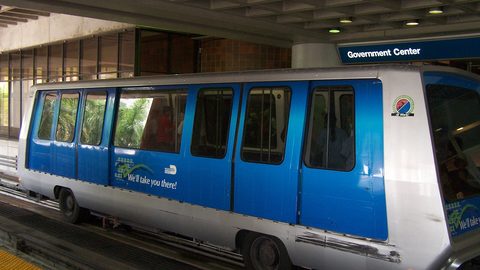 Getting Around Miami Without Wasting Half Your Trip in Traffic
Miami's transport mix confuses visitors: free Metromover, paid Metrorail, costly parking, and causeway gridlock. Here is how to move without losing half your day.
Getting Around Miami Without Wasting Half Your Trip in Traffic
Miami's transport mix confuses visitors: free Metromover, paid Metrorail, costly parking, and causeway gridlock. Here is how to move without losing half your day.
-
 Vizcaya Museum and Gardens
 is a Gilded Age bayfront estate in Miami. Book ahead with timed entry to avoid queuing at the gate and again at the house.
Vizcaya Museum and Gardens
Vizcaya Museum and Gardens is a Gilded Age bayfront estate in Miami. Book ahead with timed entry to avoid queuing at the gate and again at the house.
-
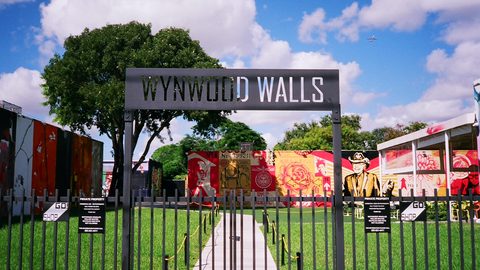 Wynwood Walls
 is a ticketed outdoor street-art compound in Miami's Wynwood district. Advance timed entry is essential to avoid long queues or sell-outs.
Wynwood Walls
Wynwood Walls is a ticketed outdoor street-art compound in Miami's Wynwood district. Advance timed entry is essential to avoid long queues or sell-outs.
-
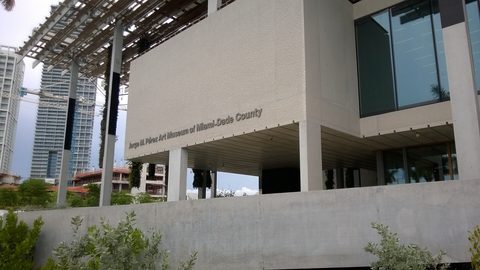 Perez Art Museum Miami
The Pérez Art Museum Miami sits on Biscayne Bay with hanging gardens and a Latin American contemporary collection. It closes Wednesdays, so check before you go.
Perez Art Museum Miami
The Pérez Art Museum Miami sits on Biscayne Bay with hanging gardens and a Latin American contemporary collection. It closes Wednesdays, so check before you go.